

How To Reduce pH In Soil Naturally
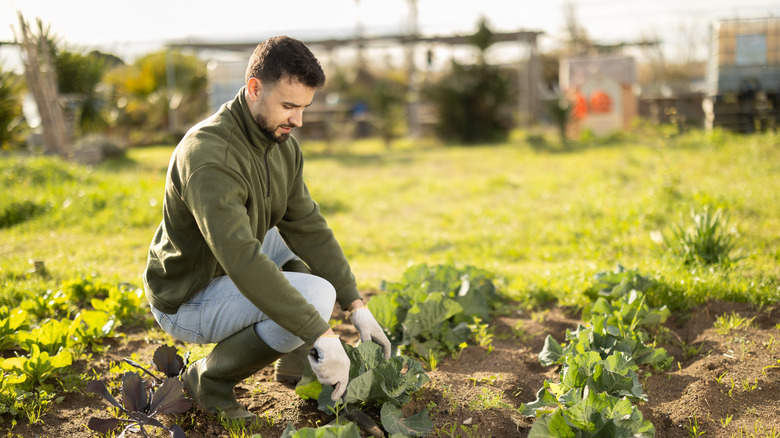
Every gardener, from first-timers to dirt-caked experts, has heard tell that their soil's pH levels can make or break their gardening efforts. Figuring out how to adjust your soil's pH, let alone doing so naturally, can feel like it's shrouded in mystery or a near-impossible task. But the truth is, reducing your soil's pH naturally is way easier than you may think. First, determine your soil's current pH levels. Then, depending on the test results, amend your soil with high-nitrogen fertilizer, sphagnum peat moss, or elemental sulfur. If you're wondering, "Does soil pH really matter?" you're not alone. The short answer? Absolutely. The pH scale measures how acid or alkaline your soil is, which affects how available nutrients are to plants.
A score above 7 means your soil leans basic, while a score from 0 to 6 means the soil is more acidic. A score of 7 is neutral. Generally, the best soil pH for most plants is somewhere in the ballpark of 5½ to 7½. Anything above eight can be too alkaline for many plants to thrive. All that said, the best soil pH depends on what you want to grow. Certain plants, like lilacs and hydrangeas, do well in soil with a pH above 7, while others, such as marigolds, prefer neutral soil. Before you can start amending pH levels, you need to measure the pH of your soil. There are a few different ways to do this, including at-home kits, pH meters, and testing through a commercial lab or your local extension office. It's generally recommended to test your soil in spring and fall, if possible.
Easy ways to naturally amend your soil's pH
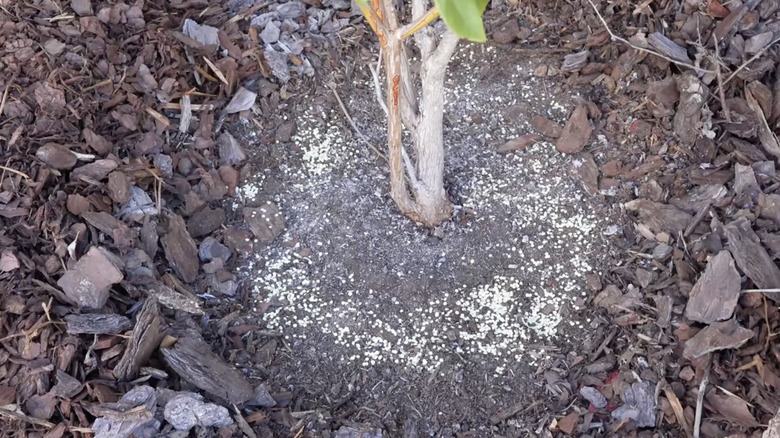
Are your soil pH test results above 8? It's time for some additions that will boost the health and productivity of your garden soil by adjusting the pH levels. An easy amendment for beginner gardeners is high-nitrogen fertilizer because it can be worked right into the soil. Another popular choice is sphagnum peat moss. Thanks to its natural acidity, the moss is a quick(er) fix for dropping pH. Soak the moss in water to dampen it thoroughly, then use your trusty garden fork to mix it into the top 6 to 12 inches of soil around new plants; for mature plants, incorporate it into the drip line. For flower beds, mix it into the top 2 inches of soil near the roots, while potted plants benefit from a mix of one part peat moss and three parts soil.
Elemental sulfur is another natural, store-bought option that is wonderful for lowering a soil's pH level. However, there are two caveats for its use. First, it should be used with caution around delicate plants. Second, careful application is important or you risk over-acidifying the soil. Always follow the manufacturer's instructions on the package, but generally speaking, start with 1 to 1½ pounds per 100 square feet of clay soil and ½ to ¾ pound per 100 square feet for sandy soils. Whatever amendment you choose, there's one thing worth doing regularly after application: testing your soil. This will help you determine whether the amendment is working as planned and ensure your soil isn't becoming too acidic for your plants. Retesting every four to six weeks will help keep your plants happy and healthy.