

One Spot In Your House You'll Want To Clean Before October Is Over
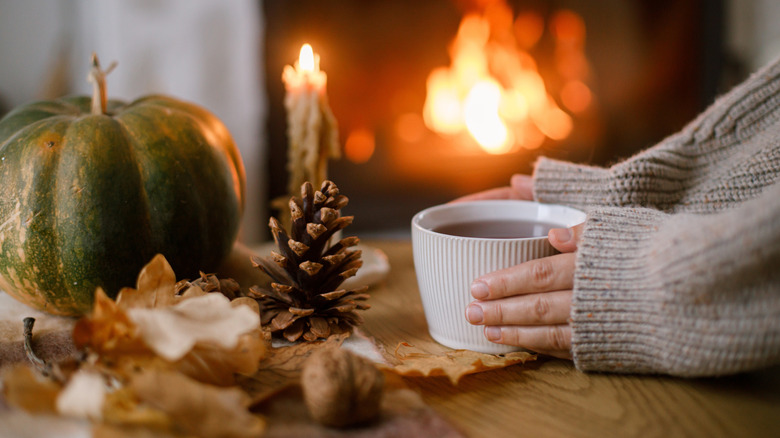
There are a few things quite so gloriously cozy as starting a fire in the fireplace and snuggling down in its glow and warmth (with a marshmallow-laden mug of hot chocolate) while the weather outside is cold and unpleasant. But if you haven't used your fireplace since last winter, for safety's sake you shouldn't really just throw on a couple of logs and light them. Even if the fireplace looks reasonably clean, there could be soot and creosote buildup, a blocked flue, or damage that you can't see. If you have a gas fireplace, that still needs its own maintenance too.
The ongoing maintenance and professional servicing are two things you should keep in mind before adding a fireplace to your home. Ideally, you should properly clean your fireplace before October is over. Rather than waiting until the first really cold night and then discovering a problem, you can take care of a lot of the cleaning yourself.
Having your fireplace professionally inspected before winter is a safety essential too. The problem with leaving it until November or December, which is when many people suddenly remember, is that chimney sweeps and fireplace technicians tend to get booked up long in advance during this time of year. Plus, of course, if they do come out and discover a problem that needs repairing, you could be left without a working fireplace for weeks, just when you need it most.
Give your fireplace a thorough clean before winter
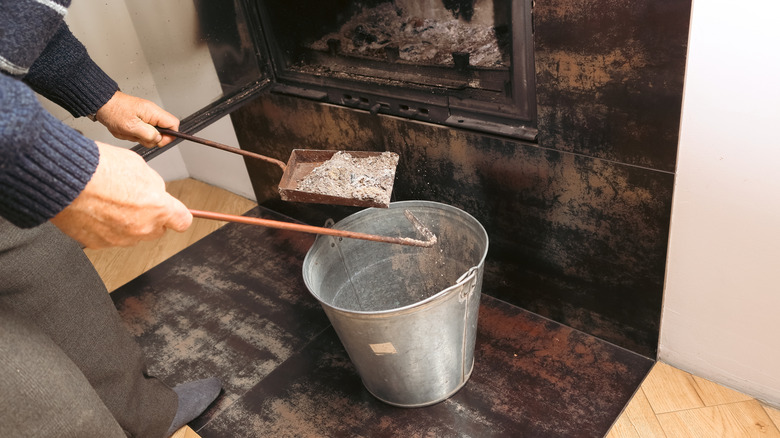
If you've got a wood-burning fireplace, start by removing any leftover logs, ash, and debris from last season. Make sure everything is completely cold before you start and protect yourself with gloves and a dust mask. Use a fireplace shovel and brush to remove debris and put the ashes into a lidded metal container, not your household trash can. According to the U.S. Fire Administration, you should keep this container outdoors at least 10 feet from buildings until the ashes are completely safe to dispose of.
Once you have removed the loose debris, brush the firebox and any soot-stained surfaces with a cleaner suitable for the material. You can also clean the fireplace glass, but avoid abrasive brushes or inappropriate cleaning chemicals that could damage it. While everything is clean and cold, take the opportunity to give the firebox a close examination too. You're looking for cracks, crumbling mortar, or any other obvious damage. Check that the damper opens and closes properly. If anything looks troublesome, call a professional to have it checked and don't use the fireplace until then.
While gas fireplaces don't produce the same ash and creosote deposits as wood-burning stoves, they can still accumulate dust, pet hair, and other debris over the summer. With the appliance completely cool and switched off, clean all the accessible exterior surfaces and the glass using appropriate cleaning products. Do not, however, start dismantling burners, rearranging ceramic logs, or interfering with gas connections, as these jobs are best left for a qualified gas technician.
Don't put off booking a professional fireplace inspection
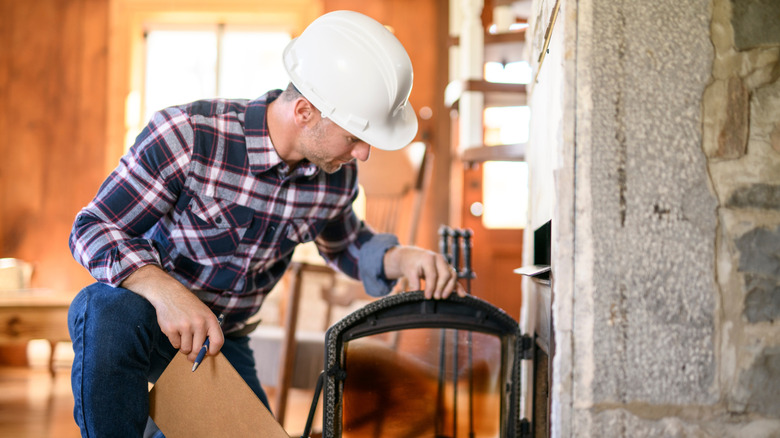
Yes, cleaning the visible parts of your fireplace is an important DIY job, but that doesn't let you know what's going on inside the chimney. Wood smoke leaves behind creosote, which is highly flammable and accumulates along the flue walls. Even if you think you've got your chimney well capped, birds and squirrels can still sometimes fall in or build nests inside. Leaves and other debris can also blow in and cause blockages or a fire risk. All of these things increase the risk of chimney fires, and a blocked or damaged flue can allow smoke and dangerous gases, including carbon monoxide, to build up inside your home.
The Chimney Safety Institute of America recommends having your chimney inspected at least once a year and cleaned whenever necessary. A certified chimney sweep is able to remove soot and creosote, clear obstructions, and check the chimney liner, masonry, damper, and cap for damage. The end of October is the best time of year for a fireplace inspection. It will give you time to factor in that even once the cleaning is done, the chimney sweep may find damage that needs fixing before it's safe to use your fireplace — all before it's too late in winter.
Gas fireplaces need professional servicing too. A qualified technician needs to check the gas connections, burner, ignition system, and venting to make sure everything is working properly and safely. If you haven't used a fireplace for years, don't assume it's safe just because it worked the last time you lit it. The longer it's been left unused, the more of a potential hazard it is, so make sure you have it professionally checked before using it again, even if it looks clean.