

10 Durable Materials That Are Stronger Than Concrete
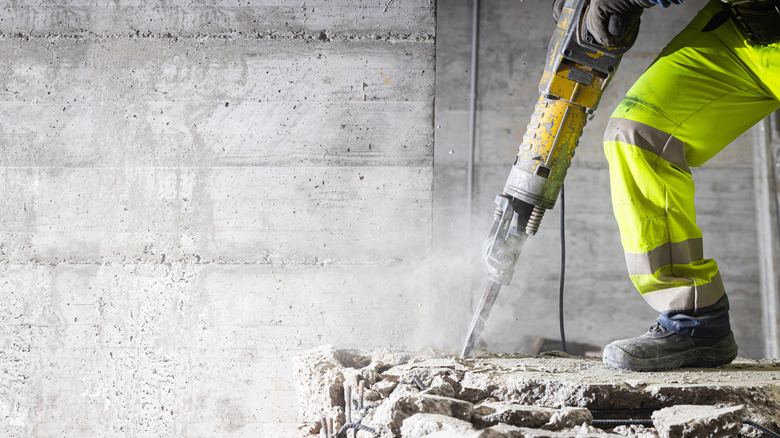
Picture a towering bridge, a busy highway, a load-bearing column, or the foundation under your own house. Chances are high that concrete is holding it all up. Honestly, it makes sense: After all, concrete is known for being tough, strong, and durable, and it can last for decades when it is installed and maintained properly. The problem, however, is the definition of strength. It means different things in different contexts, and different jobs require different types of strength. When you consider that, materials like structural steel, granite, and even certain types of brick can actually outperform concrete in certain situations.
Take, for instance, structural steel. It is much better at handling enormous pulling forces that would cause ordinary concrete to crack, and that is why builders often use it to construct suspended structures. Similarly, engineered wood is often preferred for installing a large doorway or window, as it can handle bending pressure much better than plain concrete. Put simply, concrete is not the strongest material for all home improvement projects or in every context, and you must consider the full range of strength parameters before you choose a material for a construction job.
Structural steel
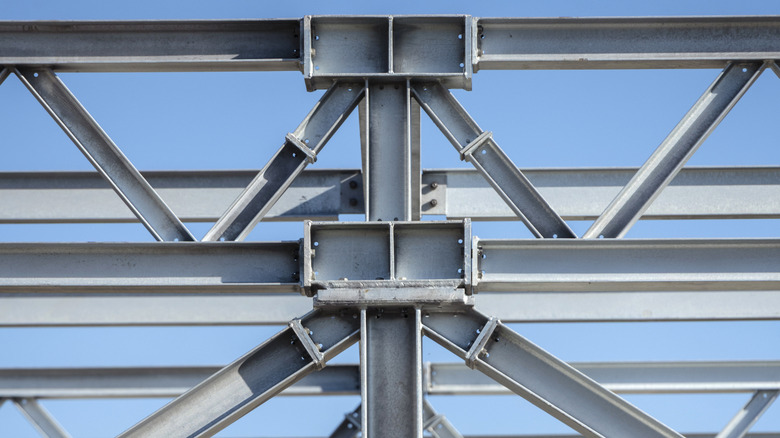
Structural steel's ability to withstand being pulled without breaking is a property known as tensile strength, and while steel is a champ in this regard, it is one area where concrete struggles. Building steel, for instance, can take about 400 to 450 MPa (megapascals, a unit for measuring strength) of pulling force. Concrete, in comparison? Only about 2 to 5 MPa! That is why concrete cracks so easily when pulled or bent, and why builders build beams, door and window lintels, brackets, and frames that bear weight from steel rather than concrete.
Aluminum alloy
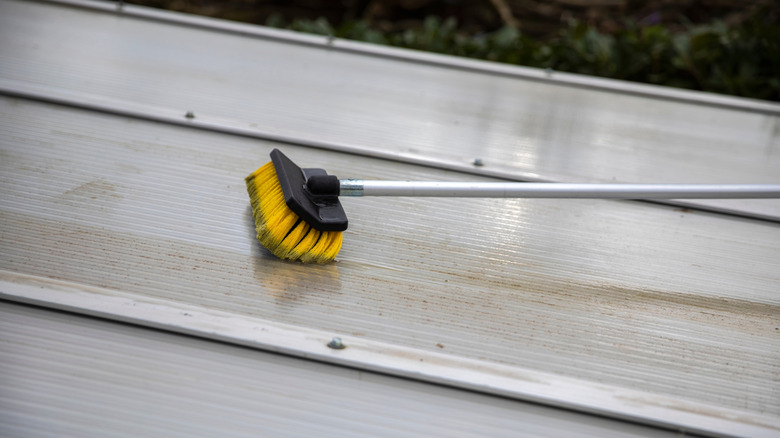
Aluminum might be lightweight, but do not let that fool you. Just like structural steel, certain aluminum alloys are much stronger than concrete when it comes to pulling forces. Take, for instance, the 6061-T6 aluminum alloy. It has a typical tensile strength of around 310 MPa, compared to just 2 to 5 MPa for ordinary concrete. That is quite a difference. Aluminum also resists outdoor elements as well as corrosion, and that is why it is often used in outdoor features like patio covers, pergola frames, and structural brackets.
Granite
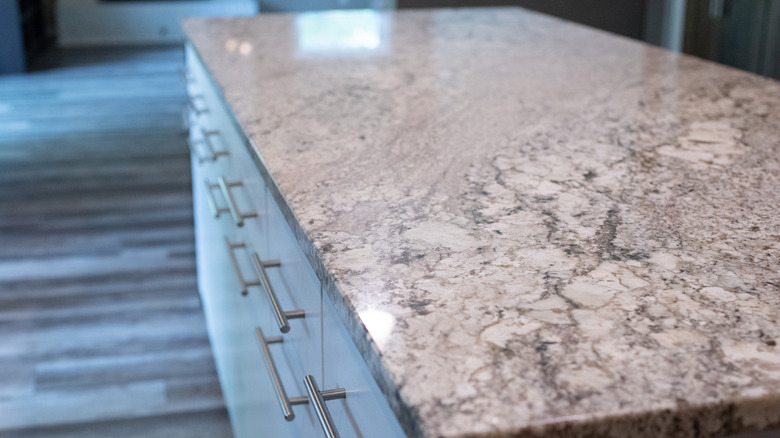
When it comes to choosing materials for kitchen countertops, granite is a popular choice. However, granite is not just a pretty material. It is practical, too, and stronger than concrete in one regard. Granite can handle a lot of pressure without being crushed, as it has a compressive strength of about 130 to 250 MPa. This is much more than ordinary concrete, which only has a compressive strength of 17 to 70 MPa, depending on the type. Granite is a better choice for projects where a hard, sturdy, and wear-resistant surface is needed, such as kitchen countertops, outdoor steps, and driveways.
Class A engineering bricks
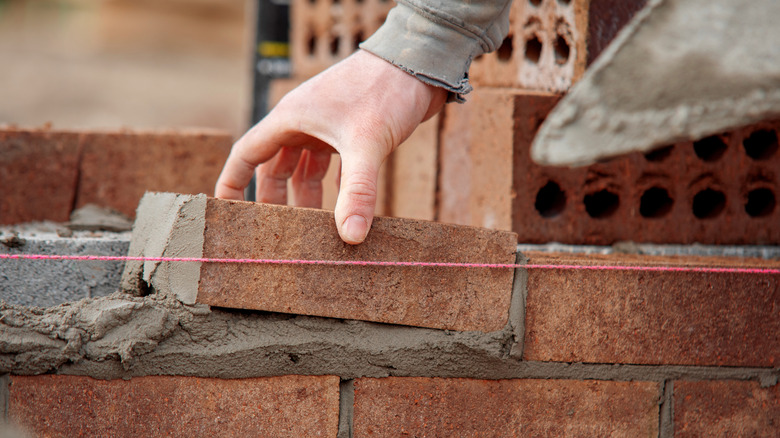
Not all bricks are made equal. Take Class A engineering bricks, for instance. They are the heavy lifters of the brick world, as they also have much more compressive strength than concrete, just like granite. They can handle compressive stresses of up to 125 MPa, which again is far ahead of concrete. Better yet? These bricks absorb very little water and resist frost damage. This makes them useful in areas exposed to moisture, and that is why builders often use these bricks for foundations, retaining walls, and other moisture-prone structures.
Engineered bamboo
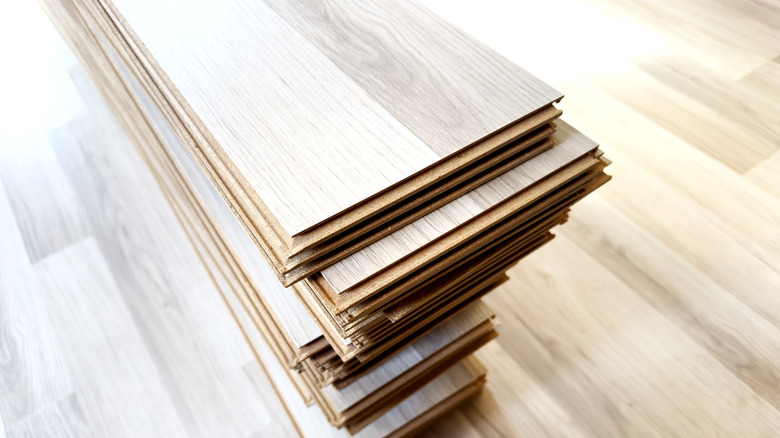
Bamboo is probably not something that would cross someone's mind when it comes to materials stronger than concrete. After all, it is just a grass. However, when processed and molded into solid beams and boards, bamboo becomes surprisingly strong. In fact, engineered bamboo has a bending strength of 64 to 128 MPa. Meanwhile, concrete only has a bending strength of about 3 to 5 MPa. Bamboo also features higher tensile strength, and since it is lighter, it is often a preferred choice for making flooring, furniture, stair treads, and even specially designed structural beams.
Cast iron
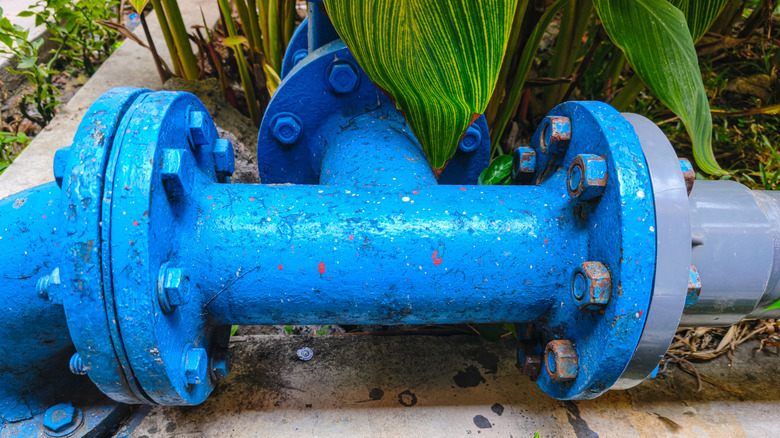
Cast iron beats concrete in two big ways. First is compressive strength, where cast iron can handle about 570 to 1,290 MPa of crushing pressure, while concrete can only handle around 17 to 70 MPa. Second is tensile strength. Cast iron also takes the lead here, as it can bear around 150 to 450 MPa, whereas concrete can manage only 2 to 5 MPa. These properties make cast iron useful for underground drainage pipes and plumbing fittings. Just remember that cast iron is brittle, so a sudden force can still crack it sometimes.
Laminated veneer lumber
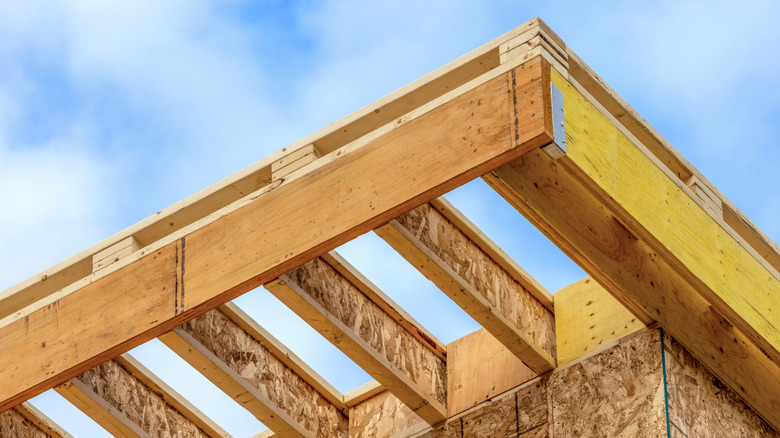
Next on the list, we have laminated veneer lumber (LVL). It is a material that was really trending in kitchens in 2025, made by gluing and pressing wood sheets together, which creates an engineered wood product that is stronger than concrete in both tensile and bending strength. LVL can withstand a bending force of 44 to 60 MPa and has a tensile strength of 36 MPa. Both of these exceed the typical values for concrete, and that is why LVL is often the preferred choice for window and door headers, floor joists, and roof beams.
Carbon fiber
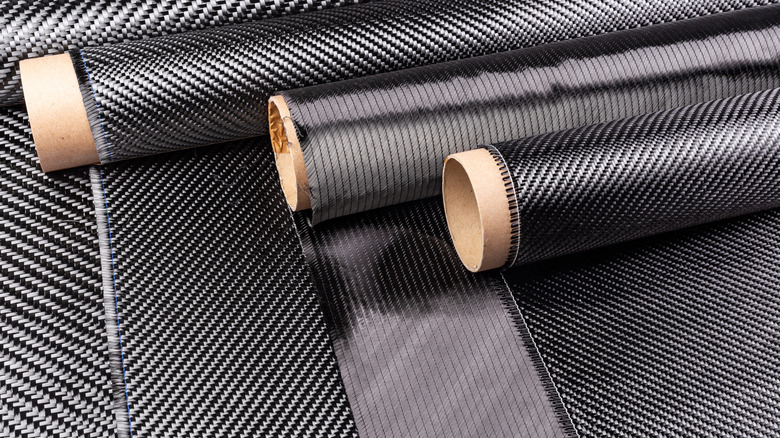
Like LVL, carbon fiber beats concrete in two ways: tensile strength and bending strength. For instance, certain carbon-fiber composites have a tensile strength of up to 4,800 MPa, and their bending strength can also reach about 1500 MPa. Once again, both of these values are higher than concrete's, and this makes carbon fiber a better choice for strengthening existing beams, columns, and walls, especially when you do not want to add much extra weight, as carbon fiber is quite light, too. It is also corrosion-resistant, unlike the steel bars hidden inside concrete.
Porcelain tiles
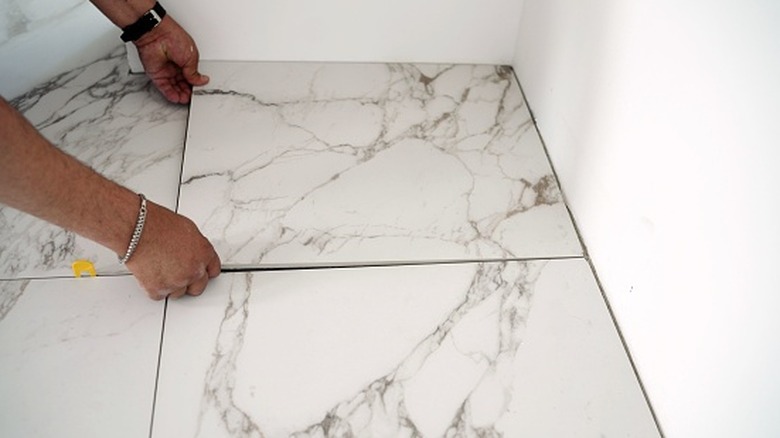
Porcelain tile is basically clay fired at extremely high temperatures. This results in a dense, hard material that outperforms concrete in both bending strength and water resistance. The bending strength of porcelain tiles, for instance, is rated at 35 MPa or more. Concrete, in comparison, only has a rated bending strength of 3 to 5 MPa. Similarly, porcelain tiles absorb less than 0.5% of their weight in water, whereas concrete-based tiles can absorb up to 10%. That makes porcelain a much better choice for moisture-prone areas, including bathroom and kitchen floors, shower walls, and patios.
Tempered glass
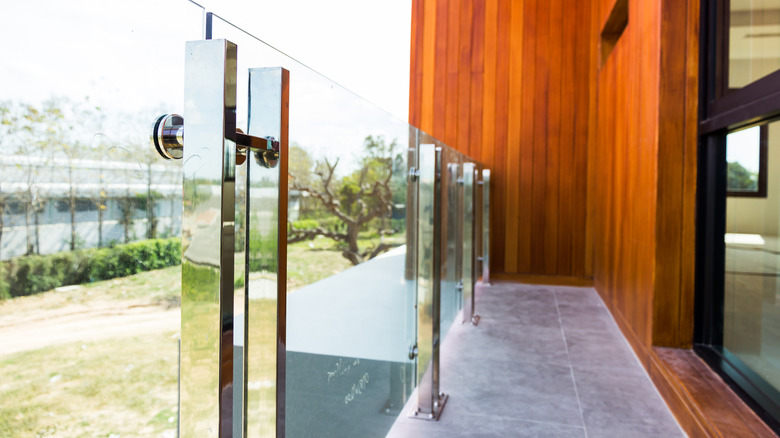
Lastly, we have tempered glass. It is made by heating and quickly cooling regular glass, which makes it tougher and stronger. When compared to concrete, tempered glass has more bending strength — it can withstand a force of 120 MPa before breaking. The catch, though, is that it is brittle and can break on sudden impact, but it usually breaks into blunt fragments. For these reasons, tempered glass is often a preferred material for making shower doors, patio doors, and glass partitions in homes and offices, as well as a stunning glass solution for open kitchen shelving.