

Not Chemical Pesticides: The Organic Alternative For Your Yard And Garden
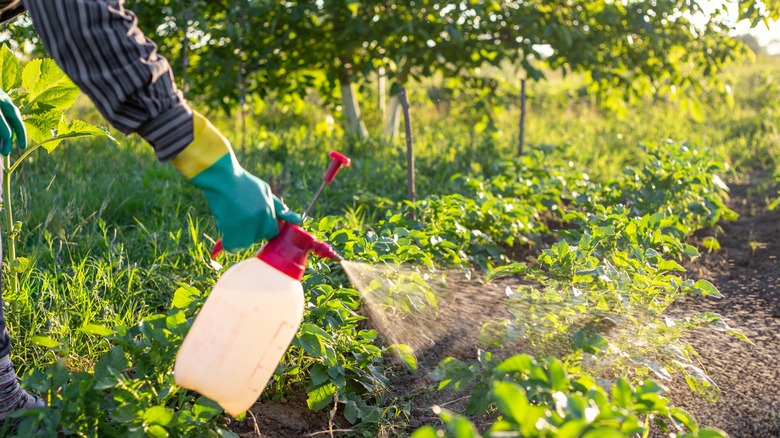
Imagine this: you are taking a stroll through your garden, and you see tiny bugs swarming all over your plants. Frustrating, right? Now, if you are like most people, chances are your first instinct is to blast these pests off of your plants with a chemical pesticide. The problem, however, is these chemicals have a lot of side effects! Some kill beneficial insects, while others leave behind toxic residues. Worse yet – using chemical pesticides in your garden can damage the health of your soil. Don't worry, though. There is a safer way of dealing with pests: organic horticultural oils.
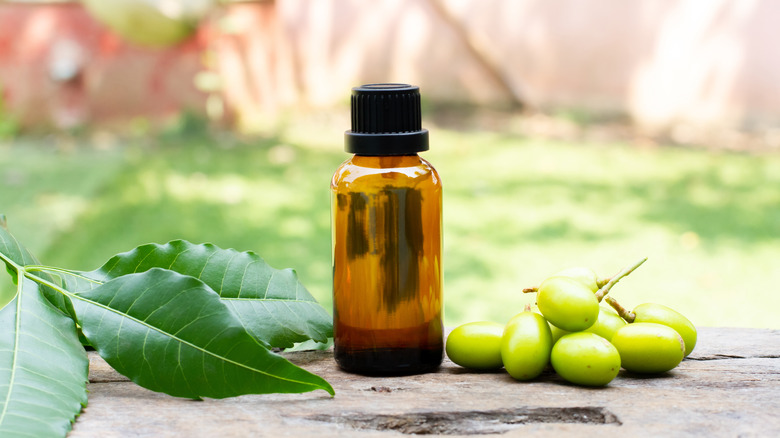
Derived from highly refined petroleum or plants, horticultural oils are mixed with water and sprayed on plants to get rid of the worst garden pests. Aphids, mites, scales, whiteflies, mealybugs — the list goes on. As for how they work, it is pretty interesting. When sprayed, horticultural oils block the tiny holes that pests use to breathe. No air, no pest — game over! Horticultural oils also cover the pest eggs, keeping them from hatching. And the cherry on top? Since there are organic formulations, horticultural oils have very few unwanted effects in the yard and garden.
Just keep in mind that horticultural oils are not perfect. For instance, they must come in contact with the bugs directly in order to be effective, and if the pests are hiding deep in the leaves or stems, horticultural oils will not be able to do much good. Also, for a large pest outbreak that threatens the whole crop or a tree, horticultural oils might not suffice, and you might still be better off using a chemical herbicide.
Getting the most out of horticultural oils to get rid of pests
Using horticultural oils is not as simple as just spraying them all over the plants or soaking the soil around your ornamentals and calling it a day. You must consider a few things first. For instance, you must identify what you are dealing with, as horticultural oils do not work against every pest. Similarly, these oils cannot be used on all plants. Take, for instance, begonias and coleus. In these plants, use of horticultural oils can lead to speckles and pits on the leaves.
The way you use the horticultural spray matters, too, and you must make sure that when you spray, you do it in a way that allows the oil to get to the area where pests are hiding. Also, keep in mind that more does not mean better when it comes to using horticultural oils in the garden and yard. You must read the label carefully and mix the horticultural oil with water in the correct proportions before using it on your plants in a moderate amount.
Timing of application matters, too. When using horticultural oils, you should apply them early in the morning or late in the evening when the sun is not too strong, as when paired with intense light, they can burn the plants. Also, keep in mind that, unlike chemical pesticides, horticultural oils work a bit slowly, and you will need to apply them a few times, usually every five to 14 days, before you see a meaningful reduction in the number of pests on the plants and crops in your garden and yard.