

Trade In Fabric: The Long-Lasting Material For A Sofa In A Pet-Free Home
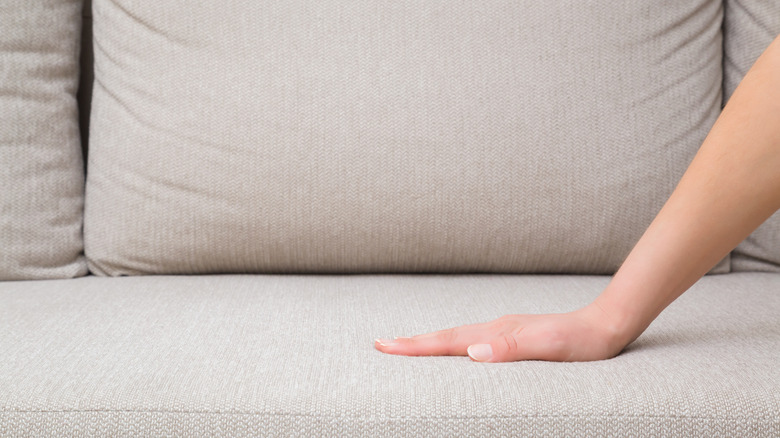
So it's time to pick out your brand new couch. When it comes to shopping for furniture to elevate your living space, there are several things to keep in mind. Ease of cleaning is one, as is comfort. However, while there is no single factor that is more important than the other, aside from what works best for your needs, one aspect you won't want to skip on when trying to choose upholstery is durability. Fortunately, if you feel like fabric couches aren't providing the lifespan you wish, there's one long-lasting and durable furniture material that can provide a sofa that lasts for years.
Leather is a eye-catching material that's known for its durability as much as its appearance. With the right care, a high-quality leather couch can last up to 30 years. This is thanks to its natural ability to hold up to wear and tear, all while aging with character. Unfortunately, however, that beautiful leather that makes this such a statement piece in your living room can suffer from pet damage. There are also other issues that may make it a less savvy choice for a home with furry family members, which we will discuss.
Is a leather sofa the right choice for you?

While fabric can be prone to tears, stains, and discoloration, leather works well in pet-free households for both aesthetic and functional reasons. It's an easy-to-clean sofa material that's comfortable regardless of temperature, serving you well season after season (because leather is porous, the material itself is breathable and maintains its comfort in hot or cold temperatures.) It holds up well to wear and tear, even developing unique character and visual appeal over time, and its smooth surface is easy to wipe down. As a result, it could be a good choice for your household if you're looking for a statement piece that can provide aesthetic appeal and comfort for decades.
Some of these benefits may be negated if you live in a household with pets, especially those prone to scratching or climbing on furniture. Although there are times that pet owners may benefit from choosing leather for their couch, such as easier hair removal and preventing dander or pet debris from becoming trapped, leather upholstery can easily suffer from cosmetic damage if scratched. Its slick surface may also make it more difficult for pets to climb onto or off of the couch. Leather couches can be hardy, especially in terms of holding up to daily wear and tear, and using blankets for extra coverage can help reduce damage, but these are important considerations to keep in mind before investing.
Choosing the right leather for longevity
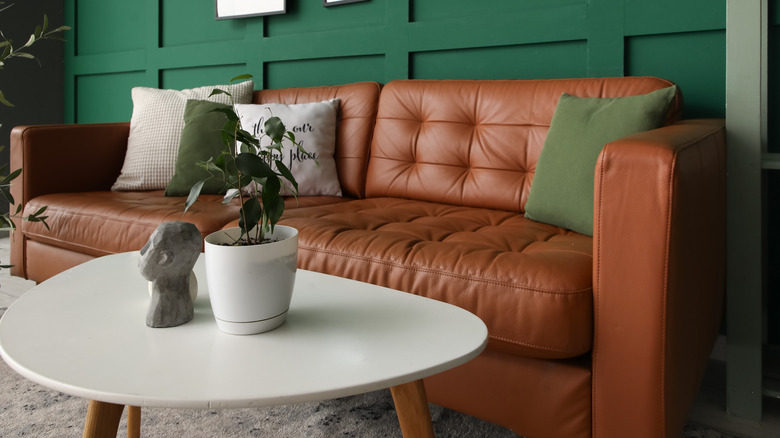
Not all cuts of leather are the same, and some are rather equal to fabric in terms of durability and lifespan. There are four main types of leather that include at least one genuine leather product: full grain, top grain, genuine, and bonded. If you're looking to get as long of a lifespan as possible out of your leather sofa, you'll likely want to avoid the latter two options. Although the name genuine leather may be appealing, this material is actually made of real leather and an artificial material, and it's lower quality than full or top grain. Bonded material is similar, with real leather scraps combined with synthetic materials added in.
Instead, to get a lifespan that exceeds that of fabric rather than merely rivals it closely, you'll want to stick to full or top grain. Full grain is one of the highest qualities of leather available, with minimal processing and the most natural material. Full grain is what you can expect of leather immediately following the tanning process, without any artificial materials blended in. Full grain is where you can expect to reap the benefit of age and wear and tear, with patina developing at this grade. Top grain follows behind full grain, with sanding for corrections that can buff out imperfections but leave the material slightly weaker than full grain, though still higher quality than genuine or bonded leather. Full grain leather can last anywhere from two to three decades, while top grain has a similar but slightly shorter lifespan.