

This Overlooked Part Of A Coil Stove Helps Maximize Heat (It's Not The Burner)
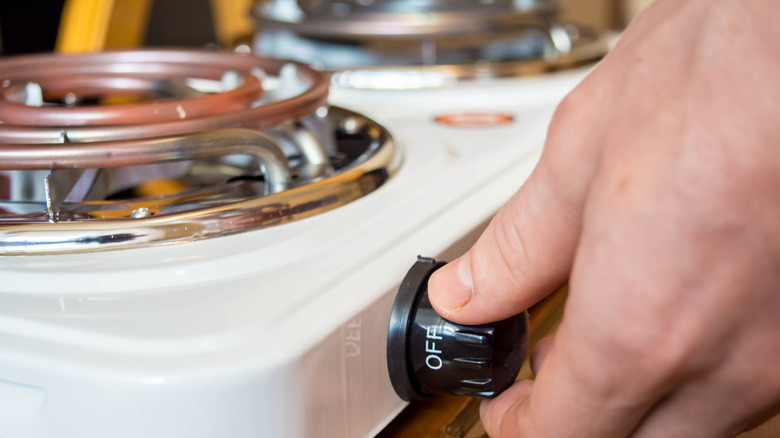
When most people think about the hot parts of an electric coil stove, they picture the spiral-shaped burners that glow red and transfer heat to the cookware sitting on top. However, that's not the only part serving a purpose. Another part that you have probably overlooked is that shallow, shiny metal bowl that sits underneath the burner. Most people only think of it when they spill something, but this little part, called a drip bowl or drip pan, can also help your stove make better use of heat.
When you turn on your coil stove, the electric burner heats up and transfers heat to your cookware. There is, however, an issue. Heat does not know in which direction to go, and some of it travels downward, too. That is where the drip bowl comes in. Frequently made of chrome, its shiny surface reflects some of the heat back toward your pots and pans instead of letting it dissipate into the stovetop below — or the wiring components. If you want to maximize your coil stove's efficiency, you should keep this part clean.
Just keep in mind that not all drip bowls are made of chrome or shiny metal. In some instances, they can have a porcelain coating, too. These tend to absorb more heat than their metal counterparts and are installed for ease of cleaning and superior looks. If you want an easy-to-clean stove type, one with porcelain drip pans or bowls might be the better choice, but it has tradeoff when it comes to efficiency.
Keep drip bowls clean to maximize reflected heat
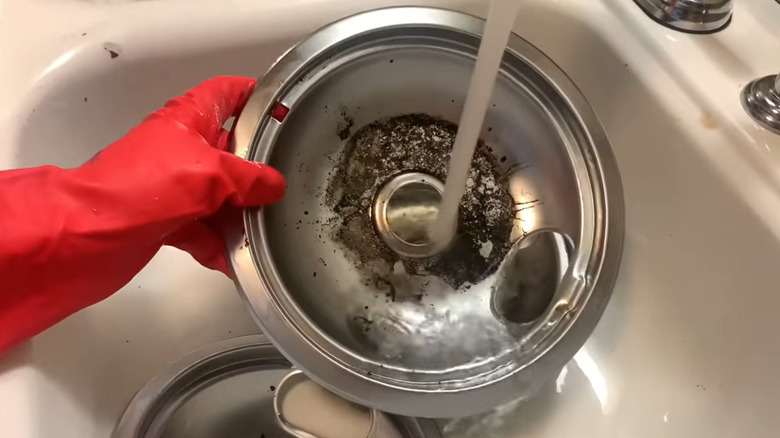
Built-up gunk and grease can block the drip pan's heat-reflective properties. Even if your coil stove does not have a drip pan made of porcelain, it should still be fairly easy to clean if you follow the right steps. Start by turning off all the burners to let everything completely cool down. Then gently lift the coil and pull it away from its electrical socket according to the instruction manual for your stove. At this stage, you should be able to take out the drip pan without any issues. Now clean it in the kitchen sink using warm, soapy water or an easy DIY degreaser made with baking soda and vinegar. Keep scrubbing gently until it gets its shine back. The shinier it is, the more heat it will reflect.
Make sure that you do not use steel mesh or harsh scrubbers when cleaning the drip bowl on your coil stove. It might sound like a good idea at first, as it helps remove grime and grease, but rubbing these on shiny surfaces can also leave scratches and damage the finish. This can stop the drip pan from reflecting heat efficiently. However, do not panic if your chrome drip pan seems slightly dark or bluish-gold. This can happen when the metal is overheated, but it won't affect the pan's cooking functions.
Lastly, if your chrome drip bowl or pan is heavily scratched, damaged, or extremely dirty, cleaning it might not help. In such cases, you should replace it instead. Not all drip bowls are universal, so Consult your stove's manual first and buy a compatible one so you can keep using your stove while also reducing wasted energy in your kitchen.