

What Is The Average Lifespan Of Terracotta Pots?
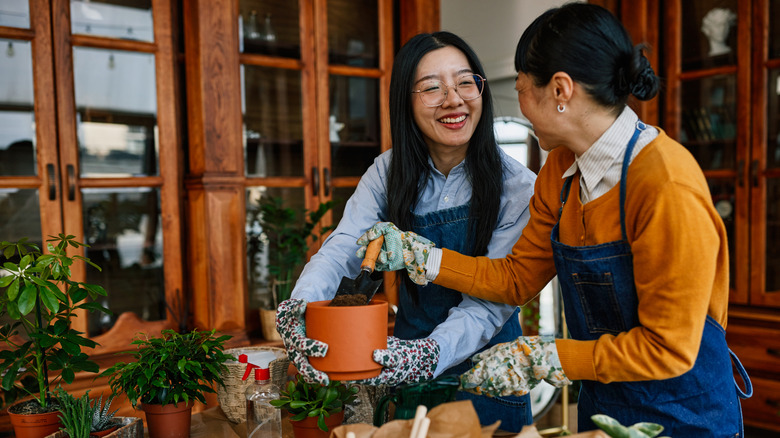
When you're establishing your garden, one of the first steps is choosing between planting directly in the ground or using containers to grow plants. And if you decide to opt for the latter, you'll need to find options that are suitable for your space. One is terracotta pots, which come with a variety of benefits, from their effortless visual appeal to their soil regulation. Another upside is their lifespan, but it's difficult to give an exact estimate. Like most garden essentials, you'll find there's no set timeframe for when a terracotta pot goes from functional to deteriorated.
Usually, lifespan depends on the pot's quality and how you use it. For example, a high-quality terracotta pot that's properly cared for can last at least 15 years, or over 25 years. You will need to choose a thick-walled option that's been properly fired and also familiarize yourself with the intricacies of maintaining it, which may rival the care of the plants themselves.
Of course, one tip for gardening with terracotta pots is appreciating just how fragile these planters can be. Terracotta is considered brittle, and impacts can lead to cracking, if not shattering entirely. This downside can make reaching those decades of use seem impossible, but you just have to prepare them correctly. And if they do break, there are DIYs for broken terracotta pots to help repurpose them.
How to maximize the lifespan of your terracotta pots
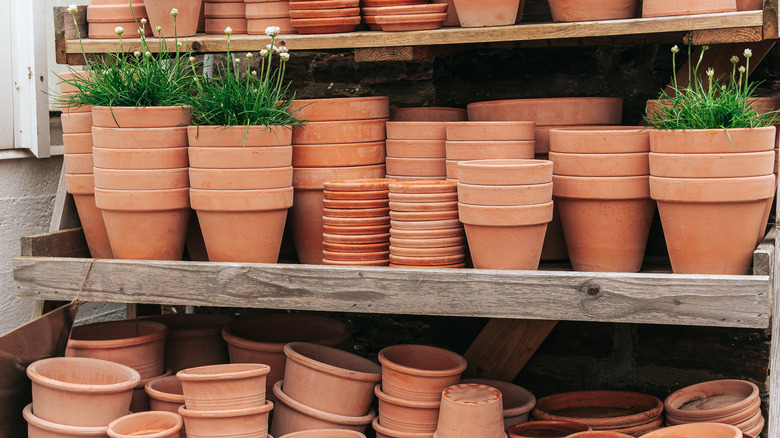
When maximizing the longevity of your planters, one of the most important things to remember is proper winterization. Terracotta is porous, which means that it readily absorbs moisture. During winter, freeze-thaw cycles can take a toll on them because of the rapid expansion and shrinking that occurs with trapped moisture. And once this process happens, it increases the severity of existing damage or even creates new problems that ultimately lead to a premature failure of your otherwise long-lasting pot.
To winterize your terracotta pot, you may want to remove its contents (like the plate on the bottom) to avoid adding moisture throughout the cold season. Keep them elevated to decrease the risk of standing water, wrap them in a protective, breathable layer, and store them somewhere with a steady temperature that prevents as much moisture contact as possible. This location doesn't necessarily need to be warm, as terracotta can easily survive below freezing temperatures with the right preparation.
Winterization is only one part of maximizing your terracotta pot's lifespan, however. Keeping them cleaned and sanitized is important, which you can do by using a diluted bleach or vinegar solution. You can also use baking soda to scrub away mineral buildup. If any small cracks occur, you'll want to repair them quickly with a terracotta-safe adhesive to prevent further damage and make the most of your planter, even after a small accident.