

Backyard Trends That Are Making Your Lighting Look Cheap
We may receive a commission on purchases made from links.
Lighting is integral when it comes to designing a cozy, welcoming outdoor space. It's easy to get sucked into stylish lighting ideas on social media and beyond, but not every passing trend is right for your exterior. Some lighting trends aren't as functional as they look. When made a reality, they can actually make your outdoor space feel harsh, uninviting, or even less efficient than it was before.
Beyond practicality, it's important to consider whether a certain design trend will look dated in the near future. You don't want to invest in quality lighting for your outdoor space, just for it to look obsolete shortly after. If you've been scrolling through beautiful DIYs that will light up your backyard patio at night, don't jump right into an exterior makeover just yet. Make sure to weigh the pros and cons of these popular outdoor lighting ideas before picking up your tools and spending any hard-earned cash. Your backyard definitely deserves just as much attention to detail as your interior.
Strip lighting doesn't look modern anymore
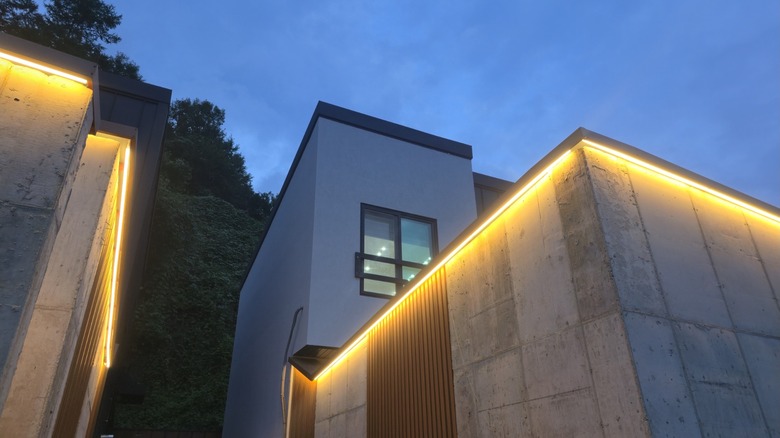
There was a recent moment when strip and tube lighting was seen as contemporary. If you've found yourself gravitating towards the sleek simplicity of strip lights, you might want to reconsider the urge. It's now edged its way into the category of overdone, which is the last stage before it starts to look dated. Designers and homeowners are starting to feel that tube and strip lights are associated with more commercial spaces. Unless you want an industrial look, it's best to find another low-profile lighting method.
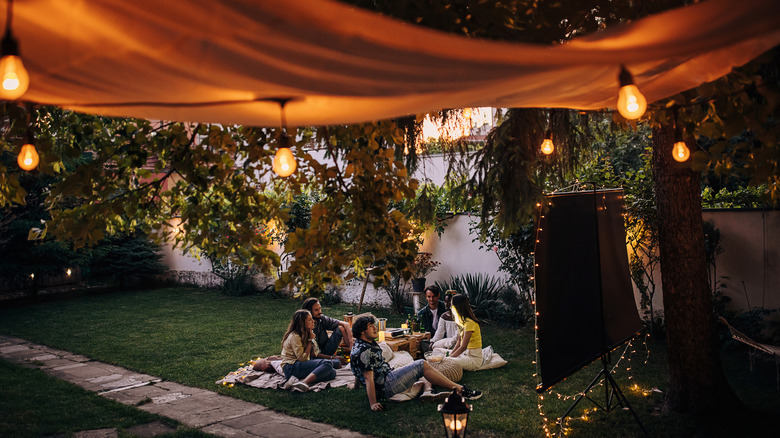
If you're drawn to the versatility of strip and tube lights, consider embracing a little more whimsy instead. Outdoor spaces are moving toward more playful, decorative fixtures that bring personality to your space. Don't be afraid to experiment with curtain-style string lights, like these Suddus Curtain Lights, draped from tree branches or awnings. More minimalist options include festoon lights suspended above a patio or delicate fairy lights woven around your yard. These options create a delicate and enchanting atmosphere.
Up-lights aren't as functional as they look
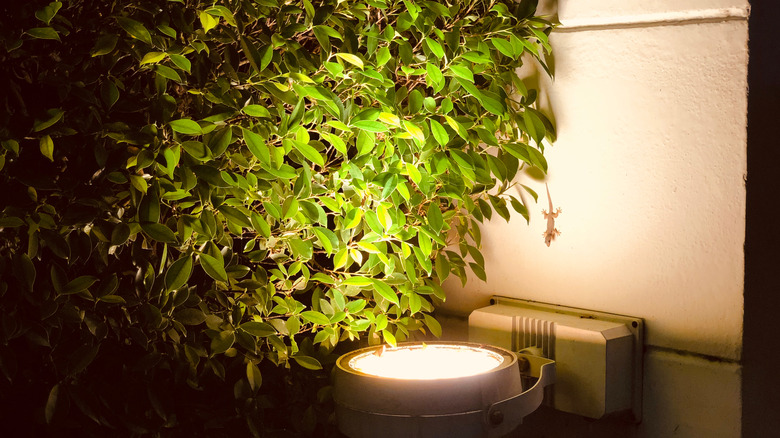
You might be tempted to make your outdoor space visually pop at night with uplighting, but there are some major cons to consider. Up-lighting is when you place fixtures at ground level to cast light upward onto walls, trees, or other outdoor features. The biggest problem is that they don't actually provide a useful brightening effect. Instead, they shine light upwards, rather than downwards or onto the areas where you really need visibility. Up-lighting can also interfere with the natural process of trees and plants. As homeowners become more conscious of how outdoor lighting affects greenery, illuminating trees with no practical payoff can make your backyard look less thoughtful.
The alternative to uplighting is clear. Directional lights will point the beam where it's actually needed, rather than shining it into the void. This means more effective illumination of the ground and surrounding areas, with less wasted light and better visibility. These Angestlite Outdoor Wall Lights are a contemporary solution that points the light downwards instead of up.
Color-changing LED lights look tacky
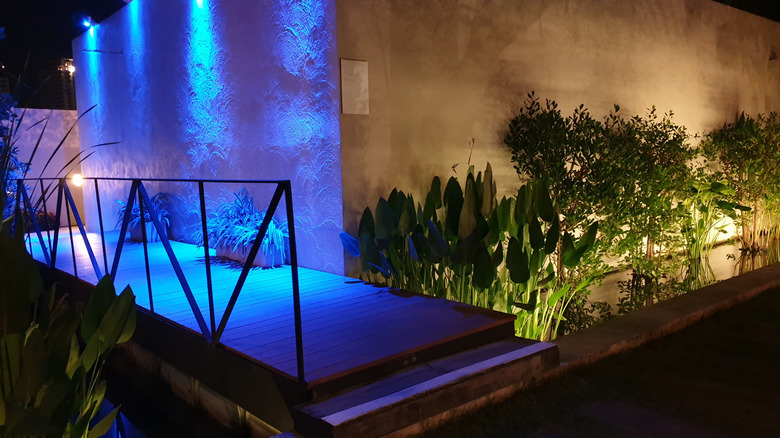
While colorful lights can be fun for parties and events, they can make a smaller backyard look like it is trying too hard to be an entertaining space. Your backyard should feel intimate and cozy, especially if it's on the compact side. Even if you have a larger outdoor area, colorful LEDs can make your space look like a party venue instead of a serene and tranquil retreat. If you want a backyard that feels warm and effortlessly stylish, then bright, flashing colors might just be too gaudy.
You can still create a vibe-forward ambiance with certain LEDs. Soft gold, warm yellow, and even true orange hues can add warmth, but the effect also comes down to how the lights are used. Dimmable LEDs let you adjust the brightness to suit the mood, which can make your outdoor space super versatile. Another way to create a laid-back, moody atmosphere is to install subtle lights beneath benches or around other furniture pieces, highlighting entertaining areas without overwhelming the backyard.
Industrial-style lighting is going out of style
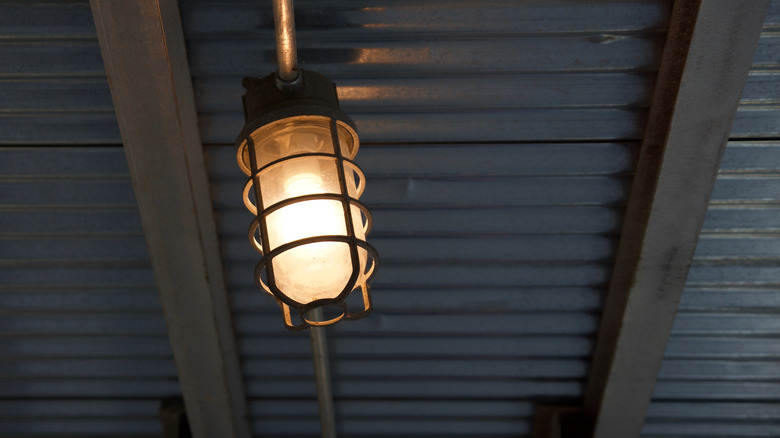
Once trendy, industrial-style lighting is starting to give way to more organic, imperfect lighting designs and details. As outdoor design moves away from stark modernism and colder finishes, overly industrial fixtures can make your backyard feel out-of-date rather than contemporary. This includes exposed-bulb fixtures, cage-style wall sconces, and heavy, dark metal designs with a utilitarian appearance.
Ruling out industrial lighting doesn't mean ruling out all vintage-inspired pieces. In fact, aged bronze, brushed brass, and weathered finishes can bring a softer, more curated look to outdoor spaces. Think gas-lamp-inspired sconces, traditional iron wall lights, and French-style outdoor fixtures with curves and "timeworn" finishes. These rubbed bronze outdoor lights by Lawyettle are slightly industrial without looking overly harsh or utilitarian. You can also light up your outdoor space with a thrifted vintage lamp DIY. These designs offer a sense of history and character without feeling overly industrial. The trick is to choose pieces that feel timeless rather than overly themed.
One, single light is garish and impractical
Bold, bright lights have been trending, but they're already falling out of favor. A single light source that floods the space is both less practical and less atmospheric than layering light sources throughout. A mix of subtle lights creates a more inviting look while making different areas of the backyard more ambient. As organic-inspired decor starts to take over interiors, a similar approach is being applied to backyard design.
For a small patio, this could mean combining glowing wall lights with recessed fixtures along the edges of the floor, accented by subtle LEDs beneath seating. Outdoor lamps are another underrated option, adding the same sense of comfort you'd expect from indoor spaces. A cordless table lamp on an outdoor dining table can add a more intimate glow that can be moved around according to your needs. If you have a garden with plenty of greenery, low-level pathway lights paired with post lights can create variation in height and a more varied lighting environment overall.
Lighting without a thought-out plan
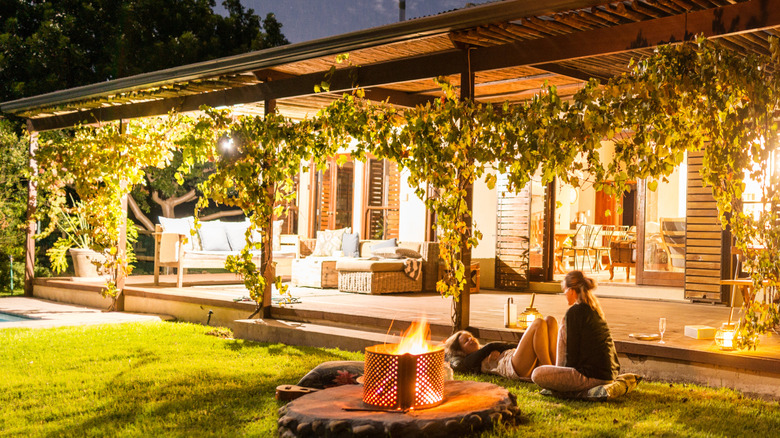
It's easy to get excited by trendy sets of light fixtures. For example, globe lights have been a huge recent trend. But this doesn't mean an oversized globe light is going to suit your specific space. If you place light fixtures nilly-willy just because you like the look, your guests will be able to tell the lack of intention. Lighting for the sake of lighting doesn't enhance your space. Just because an outdoor sconce, lamp, or LED light looks good, doesn't mean it will actually serve a purpose in your backyard. We are moving away from purely aesthetic trends and moving into an era when functionality and style go hand in hand.
Before investing in new fixtures, take a step back and consider what you actually need from your outdoor lighting. Start by identifying the areas you use most in the evening, whether that's a dining space, a garden, or a patio. Next, think about what each area needs — brighter, more focused light for cooking and dining, softer lighting for relaxing, or practical lights for safety and visibility. Once you've named these priorities, you can decide which fixtures are the most important and which lights need to be installed first. Don't forget that lighting your backyard is a process, and it doesn't have to be done all at once.
Oversized light fixtures might not suit your space
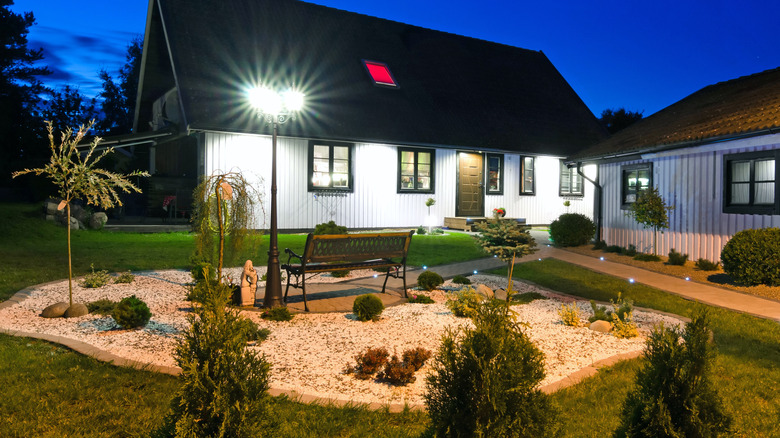
Although big, bold light fixtures might seem trendy, you have to consider your specific space. An oversized fixture can overwhelm a small backyard or make an otherwise balanced design feel cluttered. The best lighting should complement the proportions of your space rather than compete with everything around it.
Instead of an oversized fixture, focus on something that looks proportionate. The first point of reference should be your walls. Naturally, this is especially important if you are considering wall-mounted lighting options. An expansive wall can accommodate a more substantial fixture, while a narrower wall may look better with something slimmer. You can use nearby doors and windows as visual references, and ensure whether the light will feel balanced within the overall space without appearing too small or large. When in doubt, cut out a piece of cardboard to the fixture's exact dimensions and tape it to the wall where you plan to install it. This simple mockup lets you visualize the scale much better. For additional tips, read more about how to choose and place the right size outdoor light.
Motion detecting lights can backfire with poor installation
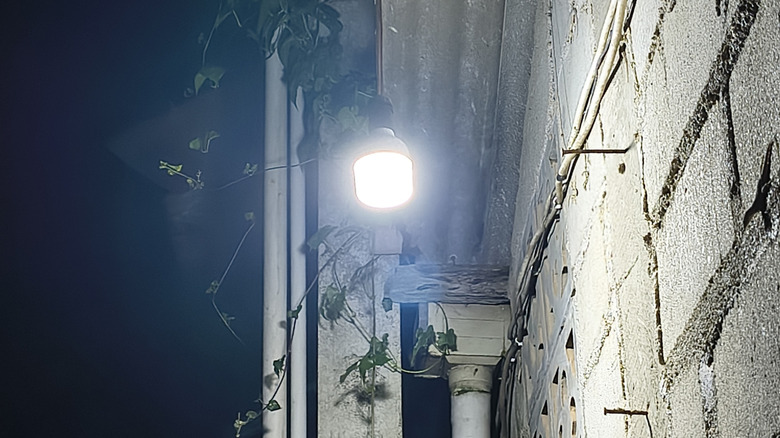
Motion detecting lights are a popular choice because they can help save energy, but poor sensor placement or configuration can defeat the purpose. If the sensor is too sensitive, the lights might switch on unnecessarily, or worse, fail to turn on when you actually need them. Today, there are alternatives that are easy to control — even from afar.
The most high-tech alternative to motion-sensor lights is a smart lighting system. Smart lights aren't just for inside, and you can use them in your garden as well. These lights can be controlled with your smartphone, removing the need for a switch or a timer. If you're big into entertaining, smart lights can be a game changer. For example, the XMCOSY+ Patio Lights can be completely controlled remotely. You can adjust the brightness, set schedules, and even change the color temperature to suit different occasions. They're much easier to control than motion detecting lights, and more reliable when you actually need them to switch on.
Whimsical solar powered lights might not last
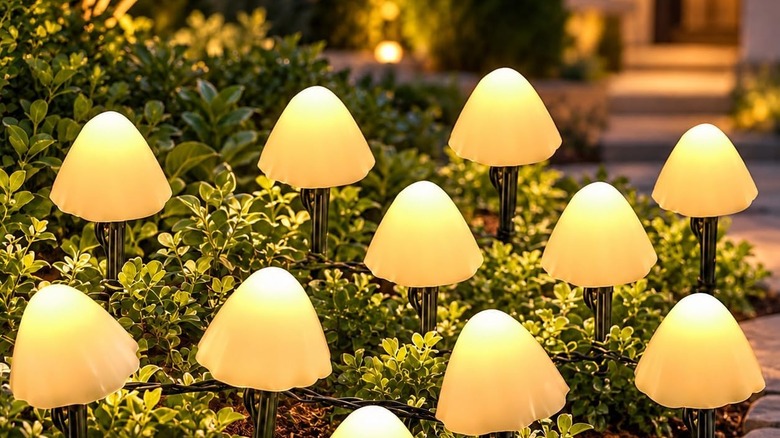
It's easy to fall in love with the trendy solar lights in whimsical shapes like mushrooms or fireflies, but they might not be the most practical option. These affordable solar lights often lose their charge quickly, and the solar aspect can fail completely after a while. There are countless product reviews complaining about outdoor solar lights losing their glow after several uses, which can be super disappointing if you've just invested in a set to brighten up your backyard. Plus, anything super thematic can become old or tiring quickly.
Because solar lights are an instant solution, the ease of installation can definitely make them tempting. However, sometimes putting a little more effort into your outdoor lighting system can be worth it in the long run. Hardwiring your lights requires more planning, but once the system is complete, you never need to worry about your lights losing their charge. If you absolutely can't hardwire electrical cables, explore low-voltage options that can be plugged into an outdoor outlet. They are energy efficient and typically brighter than solar lights.
Gas lamps might be charming, but don't forget about the upkeep
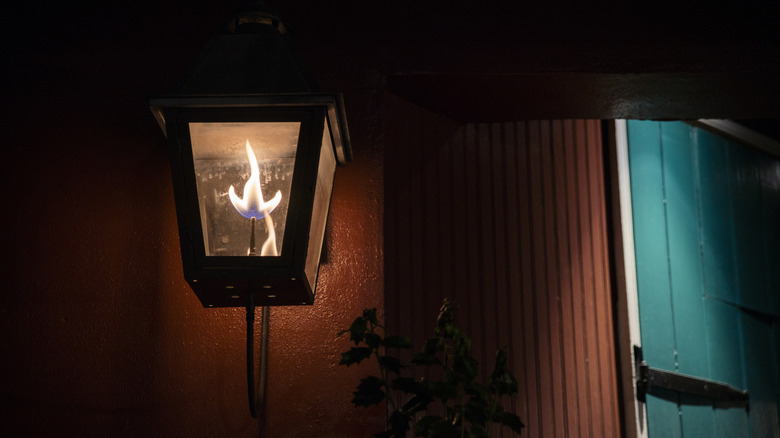
As Old World decor starts to come back in style, gas lamps and are tempting to give your backyard a timeless ambiance. This classic look can be worth it for some homeowners, but you shouldn't underestimate the maintenance. If you don't clean your lantern regularly, the soot can make it look uncared for and cheapen your outdoor space. Plus, they often require manual lighting which can cause you to light them less often.
The simple alternative to gas lamps are electric or battery-powered lanterns that capture a similar antique aesthetic. For a tabletop option, consider the Umexus Vintage Rechargeable Cordless Table Lamp for covered spaces. If you prefer a wall-mounted choice, the vintage-inspired Lucande Outdoor Wall Lantern can be hardwired. Instead of searching for a modern interpretation of a vintage piece, you can also reuse a thrifted indoor lamp to make the perfect outdoor lamp for your patio.
Lightweight pendant lights can be too unstable
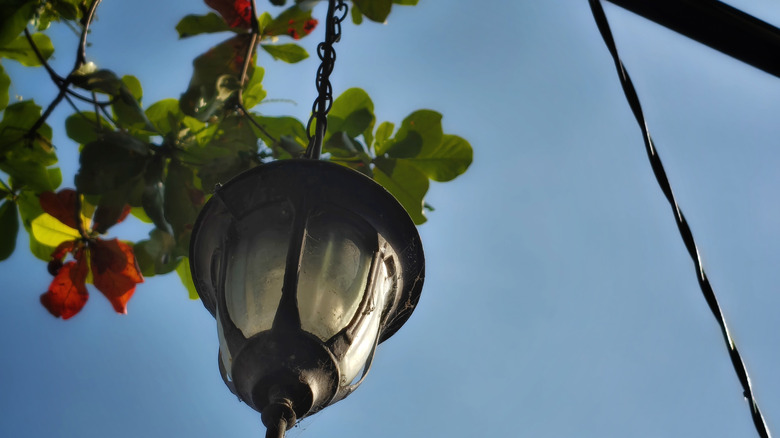
Pendant lights are a top trend, but you have to be mindful of whether they are suitable for your outdoor conditions. Lightweight designs can sway a lot in windy weather, making them less stable and potentially increasing the risk of damage. Lights that swing violently won't have the visual effect you intended. A design that works beautifully in a sheltered indoor setting might not be as practical in a backyard that is exposed to the elements.
Instead of true pendant lights, consider rigid rods or semi-flush mount fixtures. For example, this Ceybo Teal Semi‑Flush Mount Ceiling Light is an overhead option that won't swing in rough weather. The closer you can get to any overhead support, the better. Before you order your fixture, always ensure your structure can hold its weight. Weather-resistant finishes are also key for longevity. In order to choose the right outdoor lighting for your home, make sure to review weatherproof vs. waterproof ratings.