

Plant This Pretty Perennial In November For Summer Blooms That Hummingbirds Love
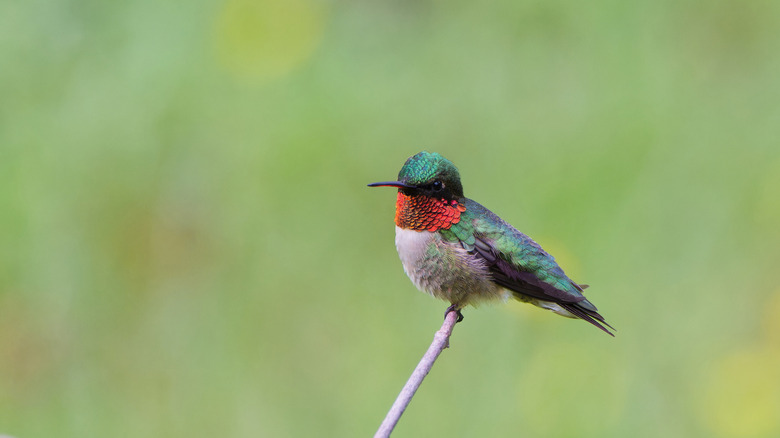
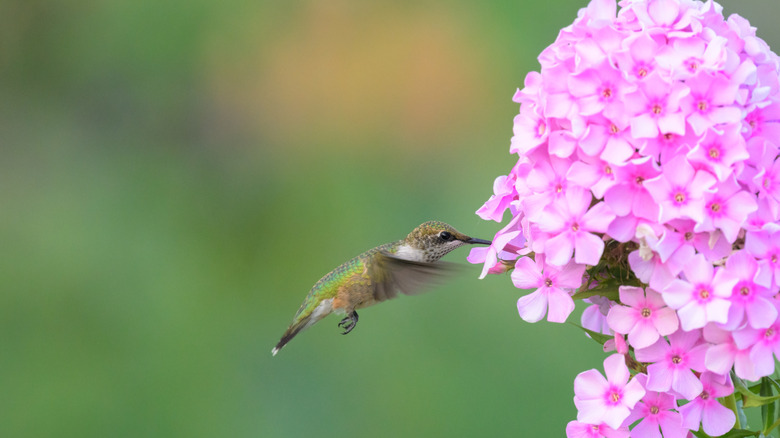
I'm a master gardener who's been specializing in permaculture and holistic garden systems for around 20 years, so I appreciate a flowering perennial that feeds wildlife and looks pretty with limited maintenance. Summer phlox (Phlox paniculata) fits all of those criteria. Also known as garden phlox or tall phlox, this pretty perennial grows up to 4 feet tall, is native to the eastern and central United States, and produces clusters of fragrant flowers in shades ranging from white and pink to purple and red. It's those tubular, nectar-rich blooms that make garden phlox a useful addition if you want to draw more hummingbirds to your garden. It also attracts bees and butterflies, making it one of the best plants for a pollinator garden.
Ideally, you want to plant nursery-grown summer phlox or divisions in early fall. However, as long as your local conditions allow enough time for the roots to settle before winter, you can still do it in November. If you squeeze planting into the last few mild days before it freezes, though, there's a good chance the plant won't survive unless you add protection. Summer phlox is cold-hardy in USDA Hardiness Zones 4 through 8, but freshly planted specimens still need some winter protection if they haven't had long enough to establish roots.
These plants don't flower until mid to late summer. By planting in the fall, you'll give the plant a head start over spring-planted specimens. Although you shouldn't expect to see much happen above ground before spring, you should get a larger, more robust plant that may also start to flower earlier.
Check your frost dates and a choose a healthy specimen
Before you put summer phlox in the ground or decide to divide an established plant, check the expected first frost date in your area. This tells you how much growing time your garden has left before winter arrives. You can plant phlox in November, provided there are still four weeks before the first predicted frost. If, for example, your predicted frost date is December 10, you need to get your phlox in the ground by November 12. You can even risk planting a week or two later as long as you can protect the developing plants from a freeze. The roots need time to fully develop before a frost hits, which is why leaving enough time or keeping them well protected is essential. Also be ready to add protection if the forecast shows a sudden frost earlier than predicted, as these regional dates are just averages that aren't easy to predict.
If you're planning to plant late, I would choose a healthy nursery plant that has well-developed roots or a large, substantial division. If you're splitting an existing clump, make sure you keep at least three shoots and a large portion of roots in each division and replant them immediately. It's not a good idea to leave the pieces sitting around while you decide where they belong. The soil needs to be workable and not too frozen or too wet. If frost is already close or the bed is waterlogged, it will make more sense to keep your phlox undivided in the ground or in their nursery pot in a sheltered location.
How to plant and care for summer phlox in fall
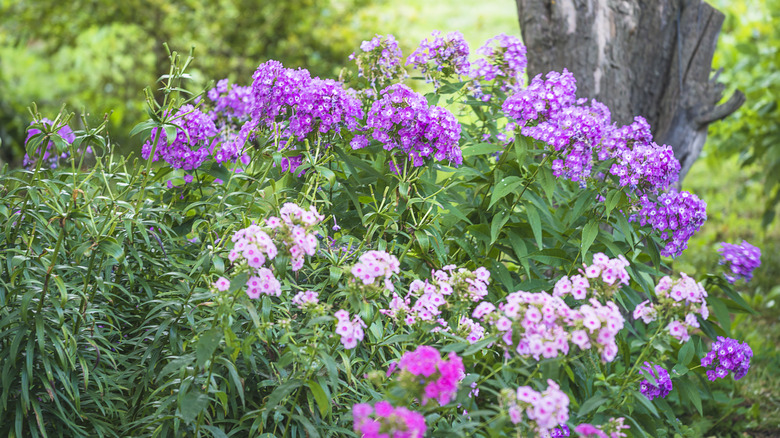
Because November is nearing the time of year when a frost can strike at any time, choose a warm, sunny spot rather than a shady dip where cold air pools. You also need to think about how your garden performs in summer, too. Positioning your phlox somewhere where it will get a little afternoon shade is useful in very warm climates. Put taller phlox varieties towards the back of the border and pay attention to the mature width on the label of your cultivar. As a general rule, give each plant at least 2 feet of space. While it might look sparse at first, they'll fill out surprisingly quickly.
Whether you've got a nursery specimen or a division, plant it at the existing soil level, water in, and mulch over the top without burying the crown. For those first few weeks, you may need to water occasionally, but not if a frost is predicted, as frozen waterlogged ground can damage roots.
There are lots of ways to protect your outdoor plants from frost, but for anything that I plant a little late in the year, I make a pre-emptive cold frame. I set up a couple of hoops of PVC pipe that cross over the top and anchor them in the soil with stakes at each end. Then, if the weather looks like it's turning particularly cold or if there's going to be a frost, I can very quickly throw over a fleece blanket and secure it with a few spare 2-by-4s.