

Better Looking Than Rubber: The Sustainable Material For Your Garden Edging
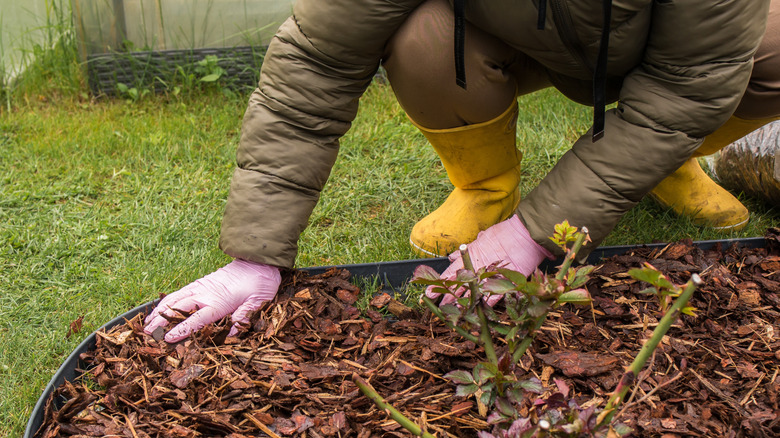
Rubber landscape edging is a common option to make your yard look tidy — it's cheap, lightweight, and can be purchased in convenient rolls. But if you're not a fan of the look, you might want to consider using a different material instead. We're talking about reclaimed brick, which is simply better-looking than rubber for garden edging. This building material was everywhere in the '70s, and now it's popping up in gardens again for everything from beds to borders to retaining walls.
Reclaimed brick adds texture and character in a way that rubber can't. Since each brick is different, this material gives your landscaping a more organic, rustic look. Reclaimed brick also looks beautiful with some weathering, giving off a cottage garden vibe, while rubber is more susceptible to the elements; it loses its pristine appearance quickly, potentially requiring replacement within five years.
Even better, when you choose reclaimed brick, you get top sustainability marks for repurposing already-used materials and keeping them out of the landfill. Rubber edging is often made of recycled materials, too, but unlike brick, which is clay-based, rubber edging is usually partially synthetic. If you're hoping to avoid microplastics in your yard, you may want to steer clear of that product.
How to install and source reclaimed brick garden edging
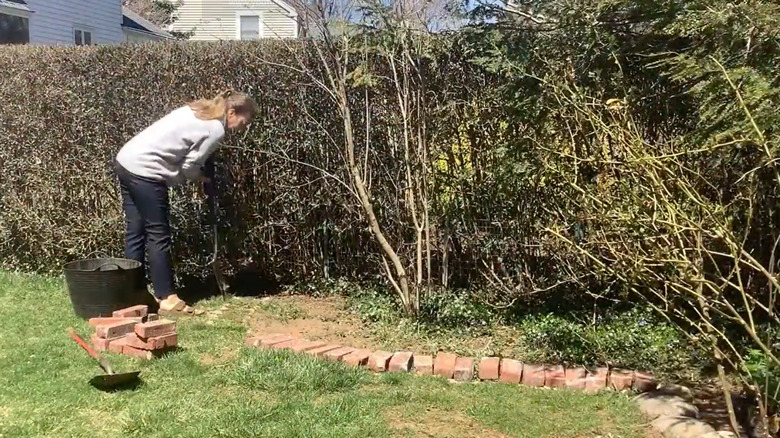
Perhaps you already have a stash of reclaimed bricks to use for various gardening projects. Or you may have figured out that this sustainable material is also better-looking than gravel and used it for your patio. If you're now ready to tackle that garden bed edging, for a beautifully finished look, use one row of bricks placed upright, flanked by another row laid on the wide edge. But before you lay the bricks out, dig out some soil so that the outer row will be flush with the ground. Once all the bricks are in place, fill the gaps in between them with sand to keep them from moving, and use a rubber mallet to pound them in.
If you don't have reclaimed bricks on hand, you'll want to seek out the cheapest and closest options first, since bricks are quite heavy and using fuel to move things increases your carbon footprint. You might find reclaimed bricks on offer in a local Buy Nothing group or from a neighbor doing a home renovation, so it's a good idea to check on neighborhood message boards before you turn to purchasing any. If you strike out in your neighborhood, you may be able to buy recycled bricks at some secondhand resellers, such as Habitat for Humanity Restores or companies that specialize in selling this repurposed building material, such as Experienced Bricks or Gavin Historical Bricks. Once your project is complete, if you have any leftovers, you can use what's left to make an incredibly beautiful bug hotel that coordinates with your reclaimed brick hardscaping.