

Burying Old Terracotta Pots In Your Garden: What It's For And Why It's Recommended
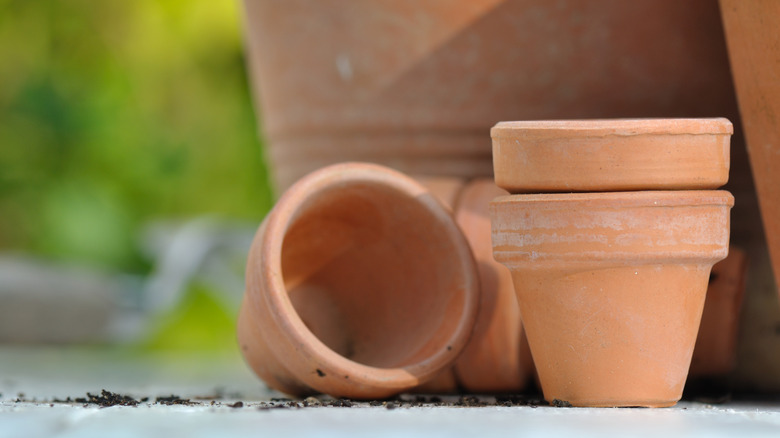
Old terracotta pots can often be given new life in the garden, such as using them to make rustic garden labels, but what if they could work to improve your soil? There's an old belief among gardeners that burying your old clay pots is a way to create a two-in-one watering and feeding system. It sounds too good to be true, but does that mean that it is? Well, there's two different systems at work here, and one has more evidence than the other.
The first promise, that old terracotta pots can serve as a watering system, is based on an ancient watering technique known as olla irrigation. Ollas are porous clay vessels that are filled with water and buried in the soil, which allows them to slowly release moisture into the surrounding earth. Ollas have been used for a long time; in fact, their use has been traced back thousands of years, so this technique has serious legs.
The second claim, that the pots can help feed your soil, is built on a similar premise. By filling the pots with garden waste, compost, and compost tea, the idea is that they will work like a natural, slow-release fertilizer for vegetable beds and raised gardens. But this technique doesn't have as much merit behind it, so before you run out to grab every cracked flower pot from the back of your shed, it's worth getting into the weeds of it all.
You can bury old terracotta pots to water the soil
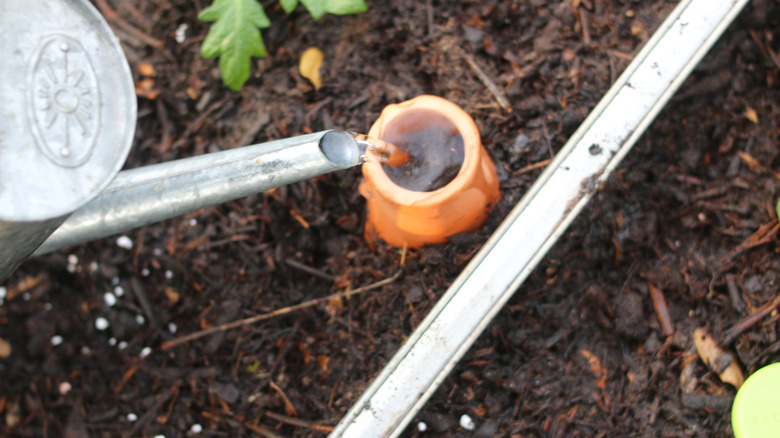
Watering is where old terracotta pots may serve a very useful purpose. This is a genuinely effective way to water plants, one that works especially well in hot, dry climates or in gardens where water conservation is a priority. Because unglazed terracotta pots are made of porous clay just like traditional ollas, they allow water to seep through their walls into the surrounding soil, but it's a slow process, so it gives nearby roots a more consistent supply of moisture than regular overhead watering (up to about a week).
To use this ancient trick in your own garden, you'll first need to ensure your terracotta vessel is both unglazed and still intact. Any cracks or holes will render the trick useless, as the water will leak straight out. In fact, even the drainage hole should be sealed — the best way to do this is to use a rubber stopper, a piece of tile, or cork, sealed with waterproof, food-grade silicone, and allow the sealant to fully dry.
Then bury your pot in the soil where you need it, leaving just the opening above the surface so you can continue to fill that with water when it dries out. Cover the opening with a lid to reduce evaporation, especially in hot weather. It's often recommended to place multiple, smaller ollas around the garden around 3 to 4 feet apart. This is a particularly useful watering tip for growing the best tomatoes, squash, and other thirsty, non-woody crops.
Can burying old terracotta pots really feed the soil too?
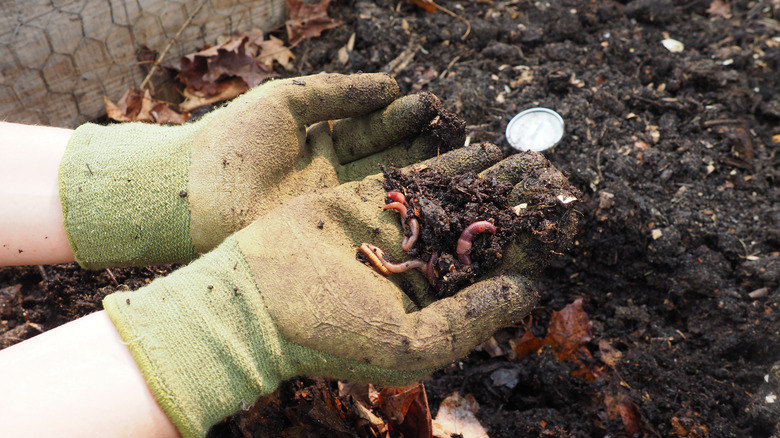
The claim that a buried terracotta pot can provide fertilizer instead of just water is where this advice gets a little murkier. It's the same premise as the olla method, but instead of just moisture seeping through the porous walls, the idea is that nutrients would also seep out into the soil. This would then work to feed plants, encourage worms, and generally boost beneficial microbial activity.
This appears to be based on an established technique called trench composting, where you bury organic waste directly in garden soil to break down. While this can work, it can also produce unpleasant smells and attract pests to your garden. And then there's pot composting, where you create compost inside a pot. But that doesn't necessarily mean combining the two practices in a buried terracotta pot will deliver any benefits to the soil surrounding it.
Naturally, you would assume that filling the pot with compost tea or liquid fertilizer instead of solid food scraps or compost would be much more effective. However, while compost tea is often promised as the secret to a lush, pest-free garden, there's evidence to suggest that it doesn't provide as many nutrients to plants as one might hope, and filtering fertilizer through porous clay is likely to make it even less effective. You may be better off using a proper compost bin and saving the old terracotta pots for olla irrigation only.