

Hardier Than Mums: The Colorful Flower That Can Bloom Beyond The First Frost
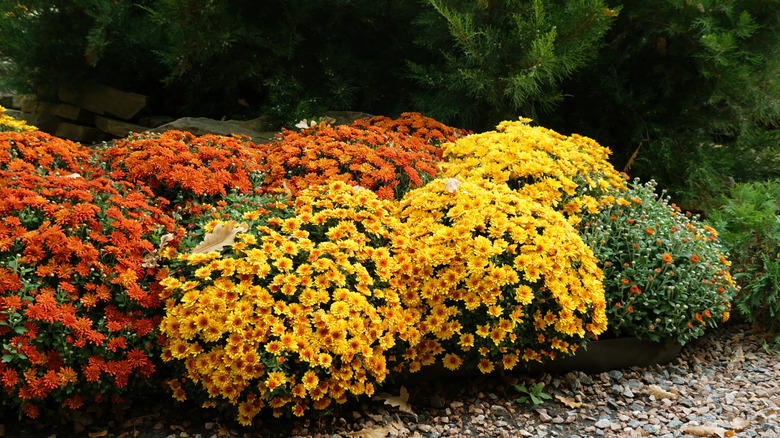
When we think of hardiness, our minds usually jump to USDA zones. By that measure, hardy mums may seem like a quintessential fall winner since they can overwinter in zones 4 through 8. But hardiness can also mean how long a plant keeps blooming once the cold sets in. Florist mums die from a hard frost, and while garden mums return from roots come spring, their flowering season is unreasonably short and barely lasts through light freezes. So, if you're tired of the "first frost and done" routine and are looking for flowers that will pretty up your beds and containers for longer, here's a hardier proposition: grow pansies (Viola x wittrockiana).
Although they're cold hardy only in zones 6 through 10, they can flower beyond the first frost and can handle several light freezes. They'll bloom anytime it's above freezing and may poke their pretty heads from snow, too. In fact, in mild-winter areas (think zones 8 through 11), November may mean dropping temps, but these plants may just be getting started. Plant them once nighttime soil temperatures drop below 65 degrees Fahrenheit and until they fall to about 45 degrees. In mild areas, pansies may flower all winter, offering up to six months of blooms. Up north, they'll take a break over the coldest months and resume flowering in spring until summer heat sets in.
There are over 300 recorded varieties of pansies in violet, maroon, gold, rose, or a combination of such hues, some with face-shaped blotches. You can ramp up textural contrast by picking from ruffled, curved, or crinkled petals, or trailing specimens. Southern gardeners may want to look for modern hybrids, which tend to be more heat tolerant and can stretch the show further into spring.
Providing pansies the right growth conditions
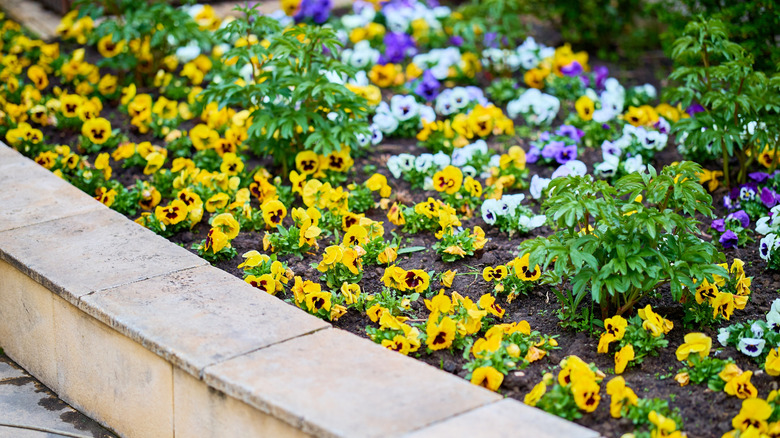
For the best flowers, grow them in a site receiving six to eight hours of direct sun. However, in the Deep South, they appreciate some afternoon shade during warm spells, so a partly shaded area works. Since pansies are susceptible to several diseases, it's important to get them morning sun exposure. Sun early in the day dries the dew that fungi use to spread.
Pansies don't enjoy wet feet and require well-draining soil. So, plant them in raised beds, or where the grade is around 6 to 8 inches higher than the surrounding soil. They're also nitpicky about soil pH, preferring a range of 5.4 to 5.8. Above that, they may suffer boron and iron deficiencies, so only add lime if a soil test calls for it. If this sounds like too much, an easier option is to plant them in portable containers with a suitable potting mix. That way, you can easily rotate them through the seasons, ensuring they get the required sun exposure or cold protection, as necessary. When planting, space them 6 to 10 inches apart. Tighter spacing fills beds faster, but crowded plants are more prone to diseases.
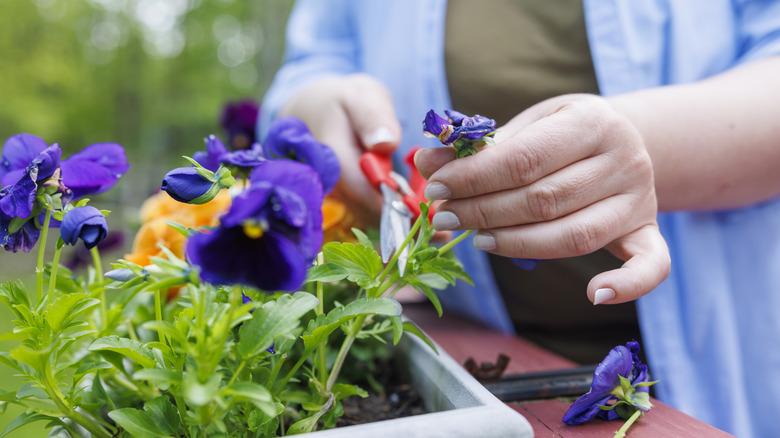
To enjoy a long blooming season, you must fertilize them regularly. Apply a slow-release fertilizer at the time of planting and continue feeding them about every three weeks, following the package instructions. Simultaneously, remove spent flowers every week. By preventing them from using resources on seed production, you can encourage reblooming, while the elimination of old petals ensures disease-causing microbes (if present) don't linger unnecessarily. Take care not to overwater or water overhead, as that's one common mistake that's sure to kill your pansies. Excess moisture may attract slugs and snails, while wet leaves may contract Cercospora leaf spot during fall.
Ways to protect pansies during the winter season
Pansies are highly resilient. They can bounce back from freeze-thaw cycles and may persist through single-digit temperatures when the drop is brief. However, over extended periods where temperatures stay below 20 degrees Fahrenheit, coupled with dry, desiccating winds, they may grow stressed, with leaves graying. When the ground is frozen solid, they lose access to water, which impairs their growth and performance.
So, in cold environments, lay down a 2-inch-thick layer of mulch. It'll prevent roots from heaving out while simultaneously keeping them warm and improving moisture retention. It also helps in weed suppression. Opt for fine-textured mulch, like pine straw or nuggets, as they stay on the soil better. When a hard freeze is in the forecast, you can also cover the entire bed with 2 to 4 inches of pine straw, then pull it back once temperatures rise. If you're containerizing pansies, avoid pots made of porous materials, like terracotta, where they're even more exposed to cold snaps.
Winter is also the best time to shape pansy plants for nonstop blooms, as you can remove frost-injured, diseased, and decayed stems and flowers. By trimming out gangly stems, you can promote the growth of flowering branches, ensuring your plant is chock-full of colorful blooms in spring, while retaining a bushy, compact form.