

What Happens If You Don't Insulate Your Attic?
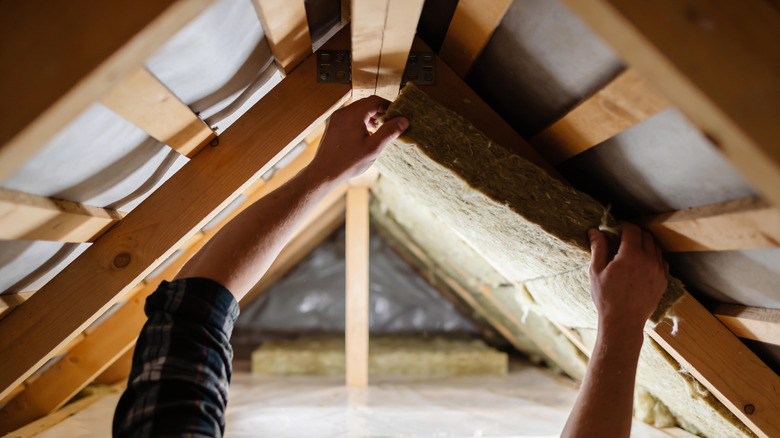
There is a lot you can do with your attic, from turning it into a cozy reading nook to converting the space into another bedroom. If you're like most people, however, you probably use your attic for storing your belongings. That means there's a good chance it's either poorly insulated or not insulated at all. But there are many good reasons to insulate your attic, even if you're not planning on using it for anything other than storage.
An uninsulated attic won't just be cold and drafty when you retrieve your Christmas decorations. Along with impacting the functionality of your HVAC system, an uninsulated space at the top of your house can cause potentially serious issues like mold, wood rot, and roof and gutter damage. These are all very good reasons why you need insulation in every part of your home. But how does an uninsulated attic actually causes these problems?
An uninsulated attic cause costly problems
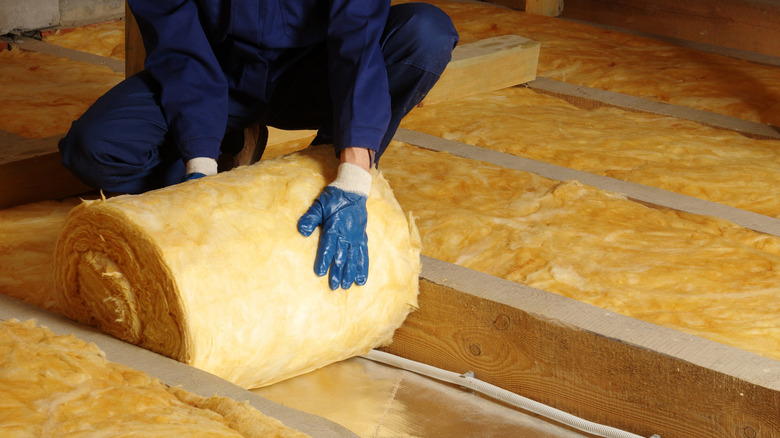
The temperature and humidity in your attic affect your roof as well as the temperature in the rest of the house (especially any spaces directly beneath the level). When warm air from lower floors rises into the attic, it comes into contact with the cold ceiling and condenses. This moisture can lead to dangerous mold and mildew growth that's not only a health hazard but will also cause the wood to rot if left untreated. A lack of insulation also allows outdoor pollutants inside, degrading your home's air quality.
If you live in a climate with cold winters, heat rising into the attic will melt the snow on your roof, which refreezes. That rooftop ice can damage shingles and form ice dams that clog and destroy your gutters. Even if ice and moisture aren't a major concern in your area, an uninsulated attic still drives up energy bills. Heat escapes through the roof in colder months, and the attic gets too hot when it's warm outside. A cold attic can cause drafts and uneven temperatures in your home. When it gets sweltering up there, the rooms underneath it will feel that heat.
Furthermore, this uneven temperature forces your HVAC to work overtime year-round, costing you money and putting extra wear and tear on your system. So while it costs to insulate your attic, it can save you cash in the long run by reducing energy bills. But an uninsulated attic might also costs you when it's time to sell your home as inspectors will note your property as poorly insulated, which can lower its resale value.