

The 14 Worst Plants To Buy From The Nursery
We may receive a commission on purchases made from links.
It never ceases to surprise me just how expensive a trip to the nursery can be, especially when you are looking at all of those wonderful plants with so much potential. You impulsively pick up one pot after another, thinking, "I've got just the perfect spot for this." Suddenly you've got a humongous cart, and you've spent several hundred dollars. I've been working as a master gardener for two decades, growing all manner of plants from seeds or cuttings, but even I'm not immune to the temptation of a beautiful specimen in a nursery pot. I also hate wasting money and there are quite a few plants I'd think twice about buying from a nursery, no matter how attractive they look on the display bench.
Some plants just don't cope well with being transplanted, particularly once their roots are established. Others are vulnerable to rot and root damage when they've spent too long in nursery containers. Then there are the plants that aren't necessarily bad purchases but are ridiculously easy to grow from seeds, bulbs, or divisions, which costs considerably less. Knowing what to check before buying a nursery plant is useful but sometimes the smartest choice is to leave the expensive potted specimen where it is and grow your own.
Carrots
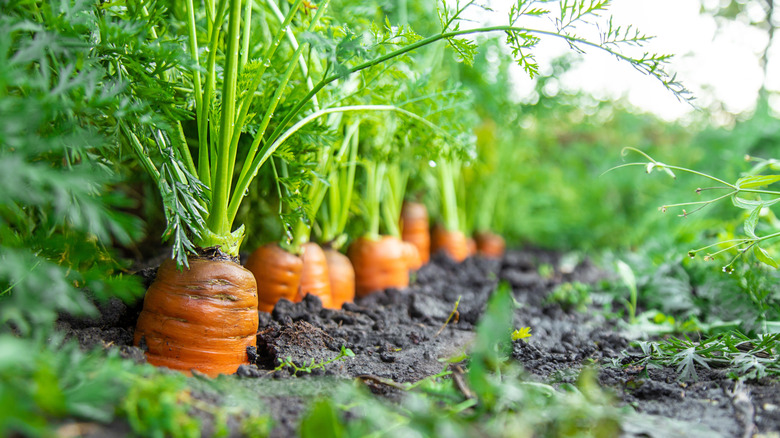
Carrot (Daucus carota subsp. sativus) seedlings are one of those nursery purchases that really make me scratch my head. I understand the appeal from a buyer's point of view. You get a little tray of healthy-looking green seedlings, avoid the sometimes frustrating wait for carrots to germinate, and theoretically get a head start on your harvest. But carrots don't really work that way. Soon after they germinate, carrots develop a long taproot that eventually swells into the carrot you eat. That little root is sensitive, and if you disturb it during transplantation, it will fork, twist, or grow into an odd shape. You might still get edible carrots, but they won't develop properly, so it doesn't make sense to pay extra for plants that won't give you what you want.
Carrots are so easy to grow if you direct sow them. You can buy a packet of something like Napoli carrot seeds and grow far more plants than you get in a nursery tray for a fraction of the cost. Or even try several different colors and varieties with something like Sow Right Seeds Carrot Selection. Prepare the soil by removing larger stones and breaking up compacted areas. Sow the seeds in a shallow drill. Cover them over with a light layer of fine soil and keep the soil surface fairly moist until they germinate. Then thin the seedlings to give each carrot room to develop. Just bear in mind that germination can take up to 3 weeks. Be patient and don't just assume they failed after a few days. If you know you have particularly heavy soil, try a shorter stump-rooted variety, like Chantenay carrot seeds, rather than struggling to grow long slender carrots in conditions that won't support that.
Lavender
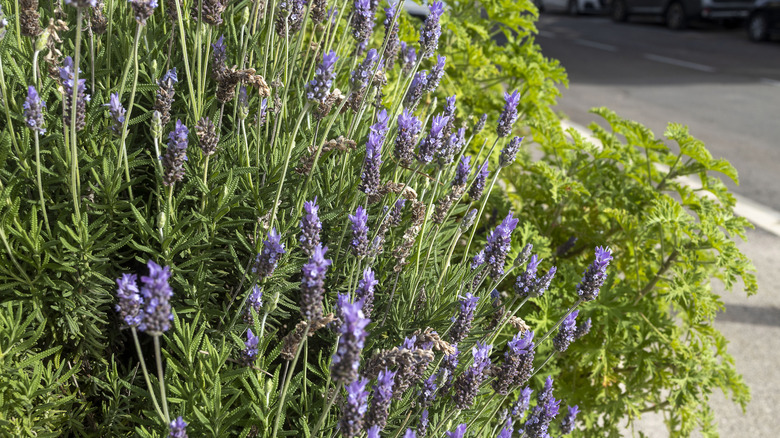
I love lavender (Lavandula spp.) because it's so easy to grow once it's established and it's so useful and versatile. Plus it's a magnet for pollinators and it smells fabulous. You can use it in herbal teas and culinary applications. But I'm always wary of those big lush specimens that sit in damp nursery containers, especially where they're being watered alongside plants that need considerably more moisture. Lavender evolved in environments with exceptional drainage, so prolonged exposure to excessively wet growing conditions causes root rot. The problem with a nursery plant is that the damage begins below the soil surface, where you can't see it, while the plant above ground still looks reasonably healthy. With lavender, by the time the leaves are yellowing and the stems are wilting or turning brown, the roots are already well on their way to being unrecoverable.
Avoid the larger specimens in soggy compost and go for a young, compact plant. Look for firm healthy stems, fresh growth, and a pot that drains freely. If you can inspect the root ball without damaging the plant, do it. Check the roots aren't brown, mushy, or sitting in waterlogged compost. Be extra suspicious of plants that have been heavily watered during cool weather. When you do buy, remember that lavender needs a planting location where water doesn't accumulate around its roots.
California poppies
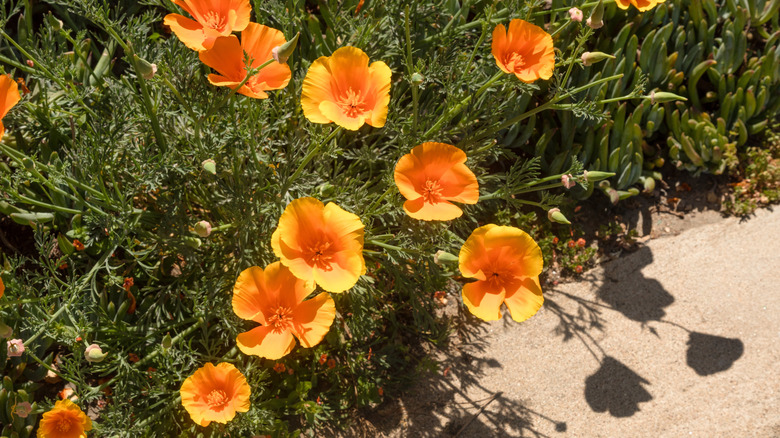
Bright and cheery California poppies (Eschscholzia californica) are beautiful little plants with delicate, finely divided foliage and gorgeous papery flowers that seem to almost glow in the sunshine. When grown from seed, they are one of the easiest and cheapest ways to fill a sunny garden with a riot of color without spending too much money. Unfortunately, they do not like having their roots disturbed, which means that large nursery plants are not a good option. You'll probably get away with transplanting small young specimens if you can keep their root balls completely intact. A large flowering plant that's been sitting in its container for weeks or months won't take the transition well and will undoubtedly suffer from transplant shock.
Instead you can save yourself money and frustration by buying a pack of seeds. All you need to do is scatter them over a sunny patch of well-drained soil, cover them very lightly with fine compost, and keep the area reasonably moist until they germinate. One of the reasons I love California poppies is that they grow pretty much anywhere and prefer comparatively poor soil. You don't need to spend loads of money enriching a bed with compost or fertilizer. If you've got a sunny spot with poor soil where not much else grows, a packet of seeds like these orange California poppy seeds will give you lots of color surprisingly quickly. Once they're established, the plants are drought tolerant and they self-seed, so they'll just keep replenishing themselves. If you don't want them to spread too much, then remember to move these spent seed heads after the flowers finish.
Hostas
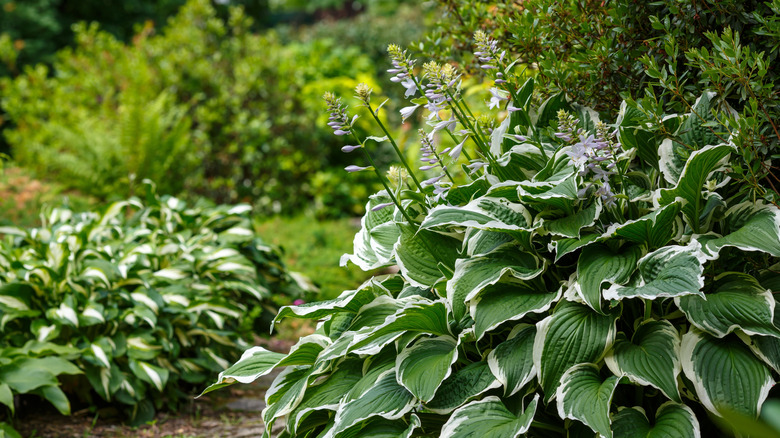
Mature hostas (Hosta spp.) are particularly expensive, which is understandable given how long some cultivars take to develop into their full, impressive clumps. It makes sense that many people want to get the biggest specimen they can to fill a substantial space in the border, especially as hostas like shady areas that many other plants struggle with. But you don't need to spend a small fortune on big hostas, because they are remarkably easy to propagate by division, assuming that you start with healthy established plants.
The thick, fleshy roots of hostas store moisture and nutrients, which helps divisions recover fast after being separated from the parent plant. If you're starting a hosta collection from scratch or you want specific cultivars, instead of paying a premium for mature specimens, I'd recommend you buy a few smaller plants or dormant bare-root divisions. Bare-root hostas are usually more affordable. If you already have a large clump, you can divide in spring when the pointed new shoots, known as eyes, begin emerging. You can also divide hostas in early fall as long as there's enough time for their roots to get established before the ground freezes. For the best results use a sharp clean spade or knife to separate the clump into sections. Make sure each one has healthy roots and growing points. Replant the divisions at roughly their original depth immediately and water them in. It may be worthwhile spending money on an established plant if you're looking for a rare slow-growing cultivar. For ordinary landscaping hostas, smaller plants or divisions make much more financial sense.
Lupines
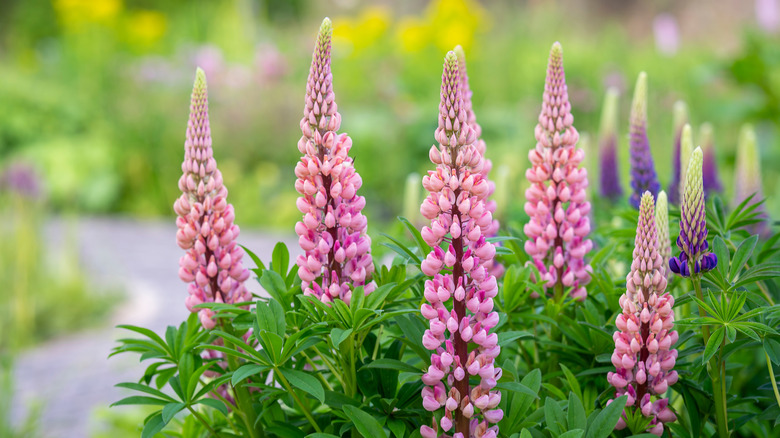
There's no denying that lupines (Lupinus spp.) are spectacular when those towering flower spikes are in full bloom, and striking displays of blue, purple, yellow, pink, and red flowers look fabulous in a border. But these are not great plants to buy at a nursery, especially ones that are fairly mature and have been sat in the same container for a while. Lupines produce deep taproots and, like most other plants that have the same type of root, they dislike disturbance. There are also issues with the roots becoming cramped or distorted when left to grow in containers for long periods, and just moving them into open ground doesn't automatically correct the problem. An established lupine will struggle when transplanted to support its existing foliage and flowers and simultaneously develop a functioning root system.
If you want to buy lupines rather than starting them from seed, then go with seedlings. While they still don't really appreciate being transplanted, they stand a better chance of recovery and proper root development. Sow lupines directly into a prepared bed or in individual deep pots so that when you do eventually transplant them, you'll minimize root disturbance. Carefully nick the outer coating of the seed and soak them for 24 hours before sowing for more reliable germination. Do be aware, though, that lupines are particularly attractive to slugs and snails, so you'll want to protect small plants during their first few weeks from these voracious pests.
Bearded irises
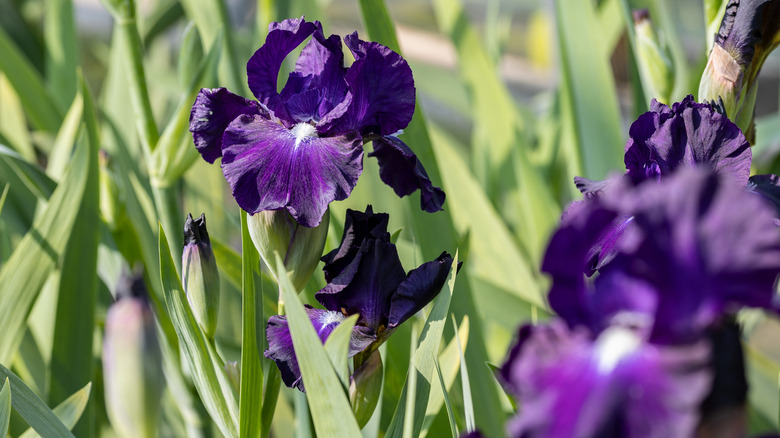
I love the old-fashioned charm of bearded irises (Iris germanica) but I don't like buying large, densely packed containers of them where I can't see what's happening beneath the foliage. Bearded irises grow from thick, fleshy rhizomes rather than ordinary fibrous root systems or seeds. The rhizomes store nutrients and produce the fans of leaves and flowering stems. However, they are notoriously vulnerable to problems when kept in excessively wet conditions. Soft rot can quickly turn the rhizomes into a mass of smelly mushy gunk and iris borers may tunnel into the rhizomes.
The issue is that a flowering plant can look perfectly healthy and rather impressive in the container but below the soil line the plant may already be beyond saving. I prefer buying healthy rhizome divisions from specialist growers where you can select your preferred cultivars. At least if you go with a bare root division, you can see exactly what you're getting and inspect it before you plant.
A good bearded iris division should have a firm pale rhizome, healthy roots, and a fan of leaves. Avoid anything that's soft, obviously damaged, or showing any signs of decay. Plant it with the rhizome close to the soil surface and keep mulch pulled back a couple of inches from the rhizome. Don't smother the rhizomes with thick mulch. You can also divide your own established clumps every few years to increase your collection.
Cosmos
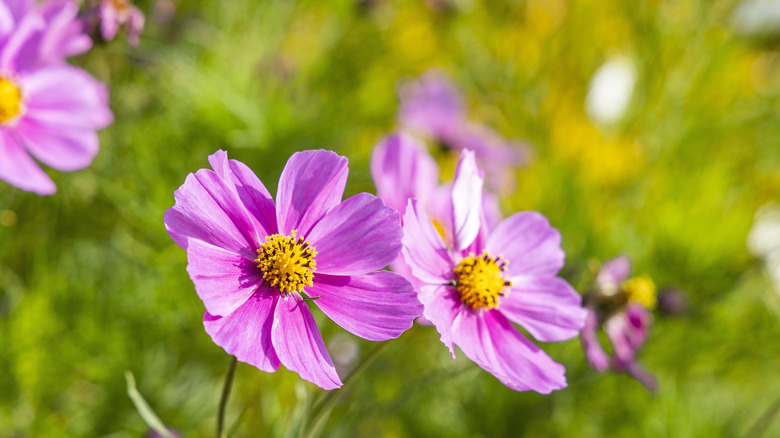
Cosmos (Cosmos bipinnatus) are among my favorite examples of plants that make very little financial sense to buy as mature nursery specimens. They are wonderfully cheerful, with their delicate foliage and pretty daisy-like flowers, and even beginner gardeners can grow cosmos successfully from seed. A packet of seeds costs way less than a pot from the nursery. Plus, the huge flowering plants that look so impressive in the garden center aren't necessarily good specimens to plant in your garden. Often, tall cosmos kept in small containers end up getting leggy, particularly when they're force-grown, as they've had insufficient light to make them grow taller. This is particularly damaging when combined with excessive feeding. Cosmos grown in nutrient-rich soil end up weak and floppy and produce fewer flowers. Once you get them out in the garden, where they've got a little room to spread, they will struggle to support themselves.
Instead, I strongly recommend you get a packet of something like Sensation Mix cosmos seeds, which gives you more than enough to create a lovely drift of pink, magenta, and white flowers in a sunny border. Just sow them directly where you want them to grow. You can also start the seeds indoors in trays if you want earlier flowers. Just make sure you give them plenty of sunshine, don't overfeed them, and pinch out the growing tips while the plants are young if you want bushier growth. If you go with a taller variety, you may need to support them in exposed areas, although if you direct sow them fairly close together, they'll help to support one another as they grow.
Peonies
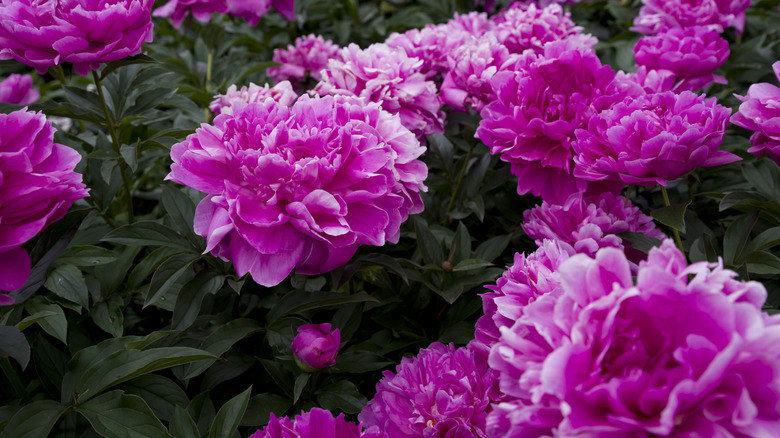
Because they have substantial fleshy root systems, peonies (Paeonia spp.) prefer being left undisturbed once they're established. Therefore they are not a good choice of plant to buy from the nursery. Moving or dividing an established peony can interrupt flowering for up to 2 years, potentially longer, particularly if the roots are damaged in the process, but mature peonies are pretty expensive from the garden center. What you're paying for is the mature display that lures you in, but that doesn't mean you'll get the same performance immediately after planting the same specimen in your garden.
You're much better off buying dormant bare-root herbaceous peony divisions. They are more economical and you'll get a better, healthier plant that produces flowers for decades. You can get these bare-root divisions from many nurseries and specialist suppliers. You want firm, healthy roots with three to five visible eyes or buds. These are what will produce next year's stems. You also need to get the planting depth right, as this is a common reason why your peonies aren't blooming properly. In colder regions, the eyes or buds should generally sit no more than two inches below the surface, around an inch deep in moderate climes, and just half an inch in the warmest regions.
Sempervivum
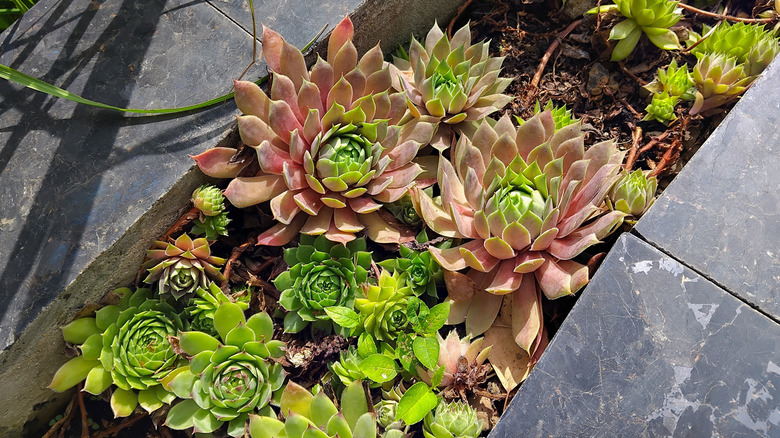
Sempervivum (Sempervivum spp.), also known as hens and chicks, are among the easiest succulents to propagate, which makes those big expensive nursery arrangements rather unnecessary. The plants naturally frequently produce little rosettes known as chicks around the parent plant, or the hen. These offsets eventually develop roots and grow into independent plants, not reliant on the parent. Just one healthy specimen of Sempervivum can produce an entire colony in short order. The chicks or offsets can be separated and replanted so you don't need to buy a dozen mature rosettes to fill a rock garden or shallow container. I'd much rather start with a few small plants in different colors and then let them multiply naturally.
The other issue with buying large containers of hens and chicks is that they need excellent drainage. Unfortunately nursery arrangements are often overwatered and planted in moisture-retentive compost that isn't suitable succulents. The constant dampness around the roots and lower leaves causes rot. Lift the pot and check the rosettes for soft, discolored growth or any signs of collapsing bases. A few dried-out lower leaves are acceptable but anything that's mushy or translucent is a warning sign of trouble below the soil line. Also note that individual rosettes die off after flowering, so if you buy a pot where there are several large central rosettes already in flower, you'll be left with gaps. If you're propagating your own and want to move the offsets, plant them into gritty free-draining succulent mix in spring and let them establish themselves before moving them to their final planting spot.
Nasturtiums
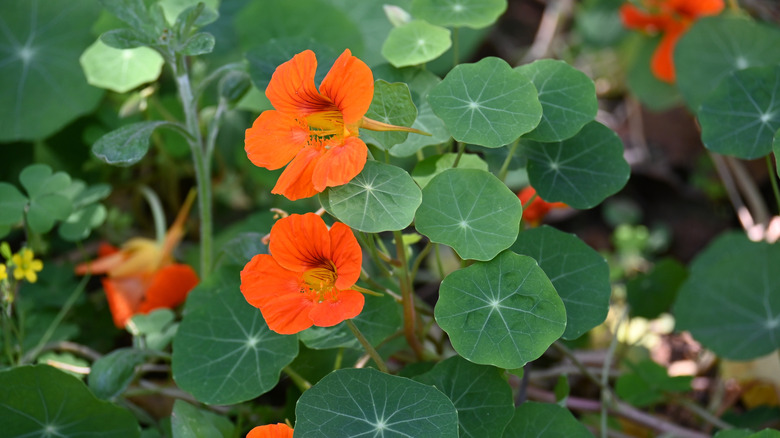
I think nasturtiums (Tropaeolum majus) are genuinely fantastic plants. They are wonderfully colorful, grow rapidly, fill gaps, and have peppery, edible flowers and leaves. They're also a trap crop for aphids and other pests. But I still wouldn't recommend you buy them as established nursery plants when they grow so easily from seed. Additionally, annual nasturtiums have delicate stems and root systems that struggle with handling. You can damage the stems even if you are super gentle when you try and untangle them to transplant them.
On the other hand, nasturtiums have large seeds that are easy to handle, making them a great choice if you're new to direct sowing or you're trying to get the kids involved. After the final frost of the season put the seeds straight into the ground where you want them to grow. You can also sow them in containers or hanging baskets if you don't want to grow them directly in the ground. They are quick to grow from seed and there's a huge choice of varieties, which you don't normally get at nurseries with nursery seedlings. One packet of something like Jewel mix nasturtiums is enough to give you an entire summer's worth of cheerful flowers and you'll probably get volunteers the following spring too.
Mature container-grown maples
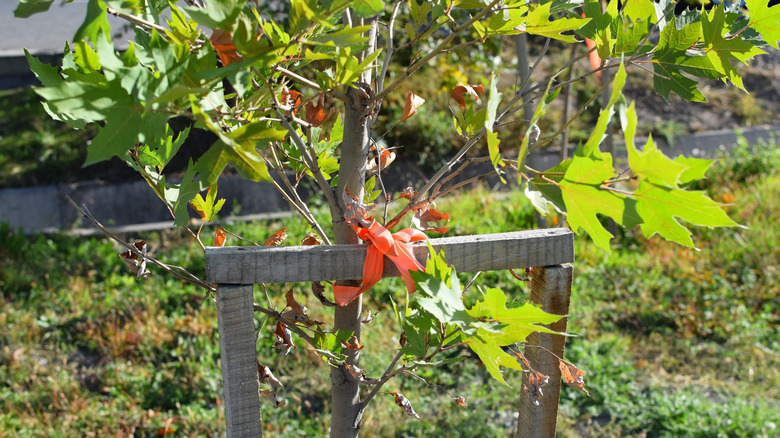
Understandably when many people are looking to add trees to create shade or some privacy, they buy the largest trees they possibly can. And for many, their go-to choice is the maple (Acer spp.). Unfortunately, some maples, particularly red maples (Acer rubrum) and sugar maples (Acer saccharum), can develop significant problems where their roots are confined or improperly positioned. When containerized in a nursery setting, their roots reach the edges and begin circling because they can no longer extend outward. Eventually some of those roots become girdling roots, which means that they grow around the trunk. As the tree grows, the girdling roots restrict the movement of water and nutrients and can eventually kill the tree.
Girdling root problems can take up to 10 years to cause visible decline. The tree may look perfectly healthy when you buy it but actually have a serious structural problem that will kill it within a decade. This is why I wouldn't advise paying a premium for a mature pot-bound maple. If you're still determined, at the very least make sure you're buying a healthy tree. Ask the nursery to let you look at the roots. They should extend outward rather than forming a tight spiral around the root ball. The root flare, where the trunk widens into the main roots, should also be visible near the soil surface and should not be girdled by roots. If possible, go with a smaller tree with a healthy well-developed root system. Or if you really need something as large as possible, as quickly as possible, choose a fast-growing shade tree or privacy tree.