

5 Plumbing Parts You Should Replace Every 10 To 15 Years
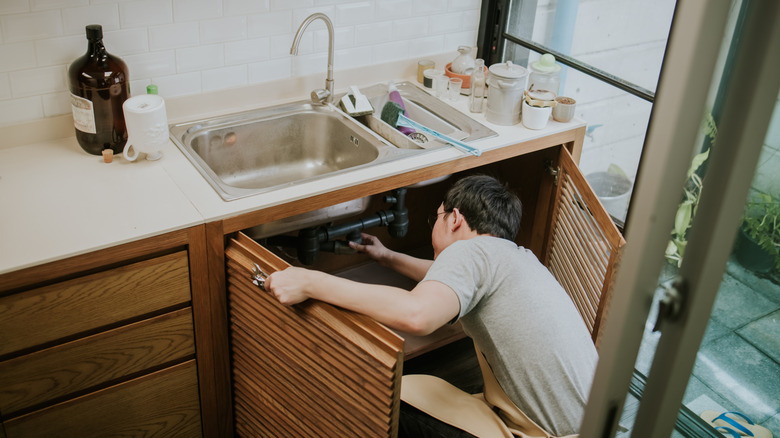
When you buy a new appliance or piece of hardware for your home, the last thing you want to think about is its eventual replacement. Fortunately, when it comes to plumbing parts, there are several fittings and fixtures that can last for over a decade of use with proper care. More precisely, you can expect to replace certain components after 10 to 15 years. This includes common plumbing parts like faucets and garbage disposals, as well as those that are easier to overlook or even forget about entirely until they fail, like water supply lines.
Keep in mind, however, that 10 to 15 years is only the average recommended lifespan for these plumbing parts. Some may do a great job for far longer if well-maintained, while damage or part failure may result in others needing a replacement much earlier than expected. To get the most out of your plumbing parts, shop for the highest quality items you can comfortably afford and familiarize yourself with the necessary maintenance for the greatest longevity. You can also learn how to troubleshoot concerns to help you repair issues as they occur, reducing the likelihood of them getting worse and potentially avoiding the need for a premature replacement.
Faucets
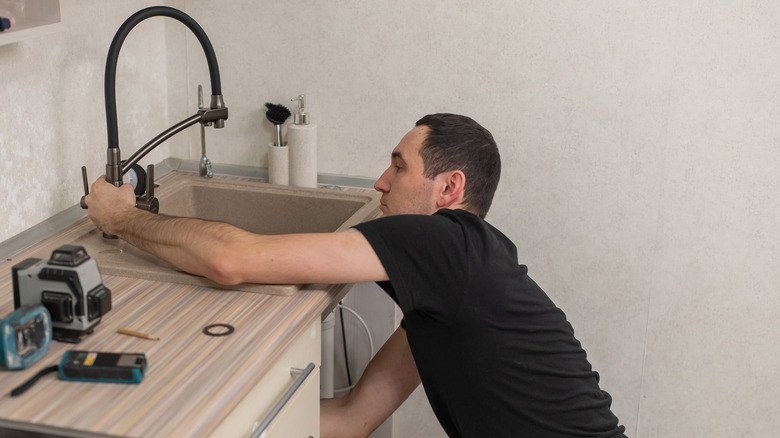
Depending on the material and make, faucets are usually quite sturdy fixtures. As a result, you're often able to repair problems yourself or with the help of a pro, which keeps your basins and tubs fully functioning and ready whenever you need to use them. However, that doesn't mean faucet replacements are entirely out of the picture. Faucets tend to last at least 15 years, sometimes as much as 20. Certain factors, like mineral buildup from hard water or damaged coatings, can lessen their lifespan, leading to a need for a replacement sooner rather than later. Even if a faucet can be repaired, if you're routinely scheduling Saturdays to work on a fixture, it may be more worthwhile to go ahead and invest in a new one.
However, necessary replacements aren't the most common reason that you may find yourself shopping for a new faucet. You might also opt for a newer model that improves your quality of life, swapping out your faucet not because the current one has failed but because it's no longer the most useful or attractive option for your home. Technology is constantly advancing, and how you expect a faucet to function may change significantly from one decade to another. Regularly replacing your faucet means you can take advantage of new technologies, whether that's more sustainable designs that help reduce water usage or hygiene and accessibility considerations, such as touchless operation.
Showerheads
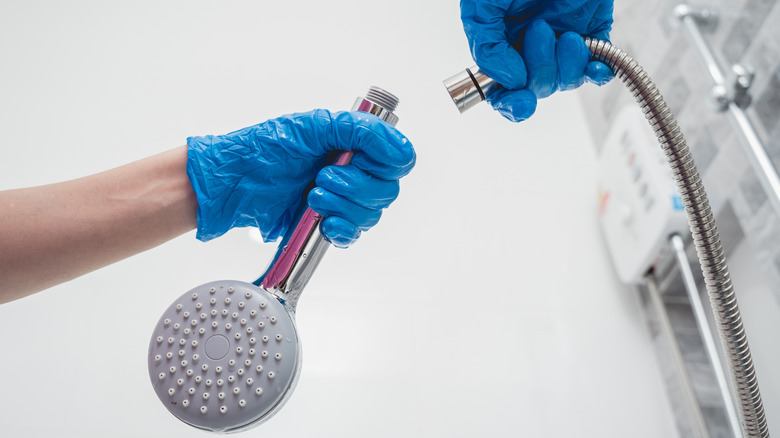
As with other plumbing parts around your home, there isn't a 100% guaranteed lifespan for your showerhead, but generally, you'll find that it needs to be replaced every 10 to 15 years. Just like with your faucet, this is when replacement usually becomes essential, but many people choose to replace showerheads much sooner.
How can you tell that your showerhead has met its end? If you understand the difference between hard and soft water — and your home is supplied with the former — you'll know that hard water mineral buildup can take a significant toll on both faucets and showerheads. Regular usage also leads to wear and tear. These issues can impact water pressure, spray pattern, and water flow. If your showerhead is starting to show signs like leaking or corrosion, or has damaged internal components, a replacement may be in order.
Then, of course, there are those quality-of-life plumbing part replacements. With so many different types of showerheads available, you may simply find one that's a better fit for your needs than the attachment you have currently. Or, for example, you may prefer a newer, more efficient fixture that saves water.
Toilet water supply lines
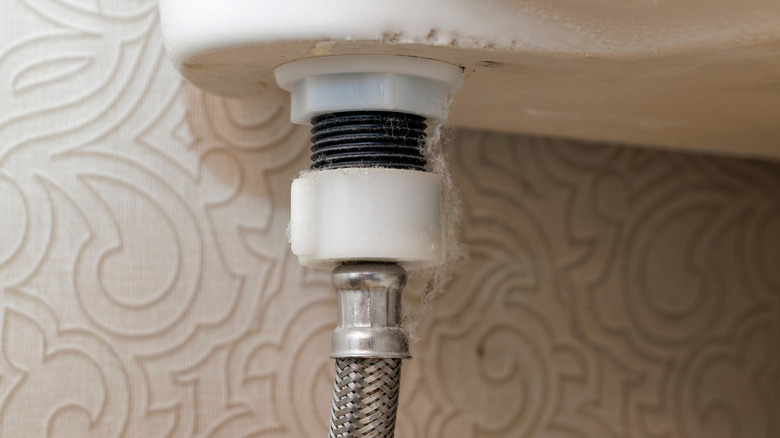
Not all of the plumbing parts you should replace every 10 to 15 years are as exciting or glamorous as visible hardware. Instead, you may find yourself needing to replace your toilet water supply line. This is but one of many important toilet parts, and it happens to last for about 10 years. One major sign that your supply line has reached the end of its lifespan is regular leaks that tightening connections doesn't solve. Other signs that it's time to replace your toilet's water supply line include bulging, corrosion, mineral buildup, or blistering.
If your toilet's water supply line reaches that estimated expiration date and you've decided it needs replacing, you'll be pleased to learn that it's a relatively easy, beginner-friendly task to complete on your own. You'll need just a few supplies, including the replacement supply line, a bucket, and a towel, and one tool: a crescent wrench. Of course, as with all home plumbing DIY jobs, if you're uncomfortable with the work or unsure whether your toilet water supply line really needs replacing, it's a good idea to reach out to a professional.
It's essential that you choose the right supply line for your toilet. There are various materials to choose from, but braided stainless steel is most commonly recommended. They also come in different sizes and connections. Bringing your old supply line to the store when shopping may help you choose the right size replacement. You can also measure the connections and line itself to help you as you shop.
Traditional water heaters
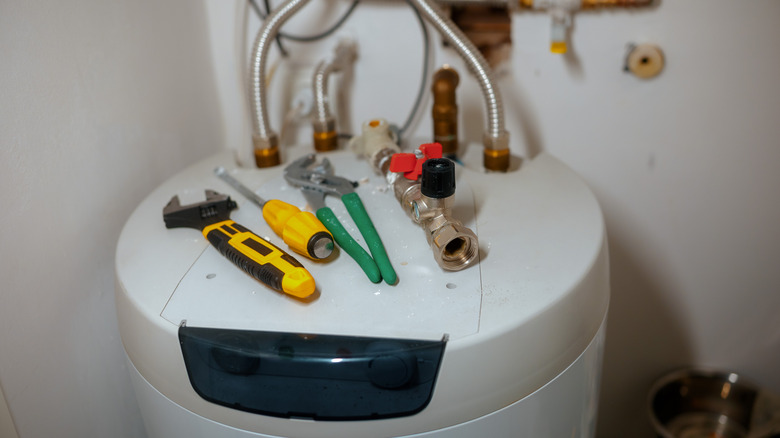
After you've replaced your showerhead, there are few things more luxurious than stepping into a warm shower with great water pressure. But such an experience also requires a working water heater. If you have a traditional rather than a tankless fixture, you should replace your hot water heater every 10 to 15 years on average to avoid disaster. Choosing a high-quality water heater and maintaining it properly can help you get more time out of this essential plumbing part. Tankless water heaters tend to have a longer lifespan (about 20 years), especially if you stay on top of the care needed to maintain them.
A cold shower isn't always the first sign that your water heater is in need of replacement. Instead, you might see signs of failure around the heater itself, including leaks, rust, scale, or brown water. You may also notice technical problems, like the thermostat failing or issues with the pilot light, depending on the type of water heater you have. While you can replace your water heater yourself, it requires some knowledge of plumbing, wiring, and potentially gas lines, so you may wish to consult a professional.
Regardless, this is the perfect time to shop the other options available. Tank water heaters have a lower upfront investment cost with various fuel sources available, but they may not be the most energy-efficient option. Tankless heaters are a bit higher in price but may save money in energy expenses over time. There are also more uncommon options, such as solar heaters.
Garbage disposals
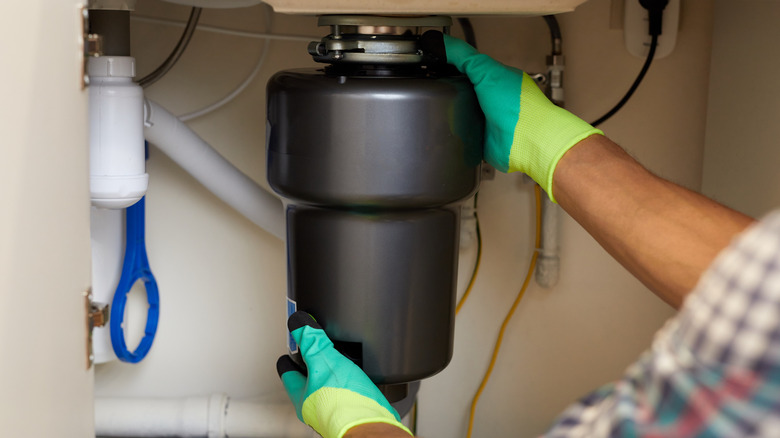
The garbage disposal under your kitchen sink likely isn't the first potential repair that comes to mind. After all, out of sight, out of mind. However, garbage disposals do require occasional repair and replacement, with an average lifespan of around 10 years given the right care. This involves maintaining the fixture properly as well as using it correctly, which means avoiding items and scraps that are not disposal-safe, like grease, fibrous produce, peels, and shells.
Sound can be a key indicator that it's time to replace your garbage disposal, either before it's reached its average lifespan or after. Humming without any actual grinding to process the scraps shows that the blades or grinders have power but no functionality. This could be due to a minor blockage or a failing component. Other new noises that don't sound right are also important to pay attention to, from clanking to overall volume increases, especially when paired with other signs of failure. These other signs can include taking longer to clear food, leaks, clogs, or odors that persist even after repeated cleans.
One thing to consider before installing a new garbage disposal is whether to go with the same model as your old one or swap it out for a different model. There are two main types of garbage disposals: batch-feed and continuous-feed, the former of which won't operate without a stopper in place, adding an extra layer of security.