

Prepare Your Vegetable Garden For Winter By Planting These Annual Cover Crops
When there's a chill in the air and the sun starts setting earlier, nature is telling us to prioritize rest. The same applies to our garden soil, which has worked hard to support crops through the summer and fall. Planting a cover crop that will replenish soil nutrients in between growing seasons is an important part of preparing your garden for winter. In addition to adding soil health benefits, cover crops offer their services as weed prevention, shelter from harsh weather, and nourishment for pollinating insects. Some of the most-used cover crops are annual grasses such as oats, rye, and wheat. They don't take long to sprout up and many varieties stand up well to cold temperatures. The process of using a grass cover crop usually involves sowing them in the fall and incorporating them into the soil come spring.
Cover grasses can nourish your garden soil with carbon and other vital elements, but there are some limits to what they can do alone. If your soil is specifically in need of nitrogen, it's best to mix in legumes, or grow those as cover crops instead. Hairy vetch (Vicia villosa), for example, is a legume often included in seed mixes with rye or oats. This companion plant converts nitrogen in the air into a form that's usable by plants. Legumes (or other options like mustard or daikon radish plants) are also better choices when your main goal over the winter is to loosen the soil.
Annual grasses and the benefits they provide to your garden
If you want to create healthier soil in your yard and garden, an annual grass may be your perfect cover crop. Cereal rye (Secale cereale), winter wheat (Triticum aestivum), oats (Avena sativa), and annual ryegrass (Lolium multiflorum) are resilient grasses that can be sown in the fall and will work their winter magic on the soil. Important factors in choosing between them are when you can sow your seeds and whether you're prepared to cut down dense grasses in the spring. Annual ryegrass, for example, can provide coverage all winter but is hard to kill after the season so you may need hefty equipment or even chemical methods to transition your soil back to other crops.
Cereal rye, also called winter rye, can germinate in temperatures down to 35 degrees Fahrenheit, so it's a solid choice if you're still looking for a cover crop to plant in November. In years where you have the chance to plant it earlier, though, this grass can provide the added benefit of recycling some of the nitrogen in the soil for next season's crops. Like winter rye, winter wheat combats erosion and weeds, but it's slightly less hardy and doesn't add quite as much nutrients. Unlike cereal rye, you should sow winter wheat by October or you risk getting poor coverage. Oats are cover crops that tend to die over the winter, which can save you the time and work of having to mow living grass down in the spring. In addition, oats can help improve compacted soil and make potassium and phosphorus more available to the plants that will come after them.
How to plant and terminate a grass cover crop

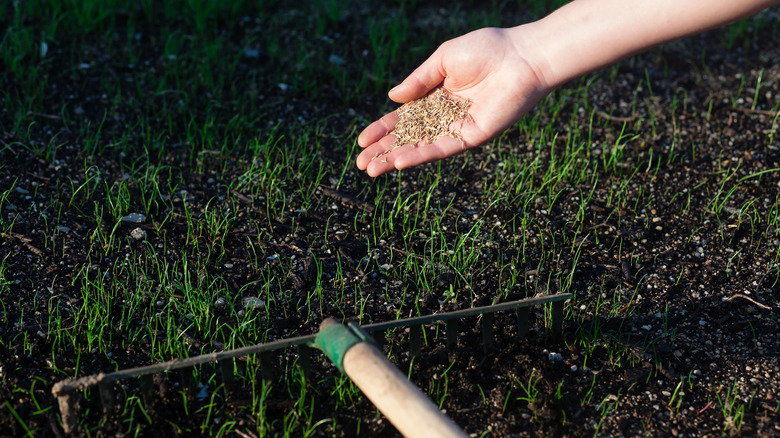
There are a few methods for getting your winter cover crop started. Some gardeners sow their grasses in a staggered way after each of their summer crops is done growing for the season, and others plant cover crops throughout the fall, even toward the end of it. Whenever you decide to plant your cover crop, start by clearing stray or dead plants from the area and giving the soil a good raking. Follow the seed package directions for the volume of seeds to sow per square foot of garden space, and move the rake over a second time to cover them with soil when you're done scattering. Give the seeds their first watering shortly after, then monitor their growth and water them as needed.
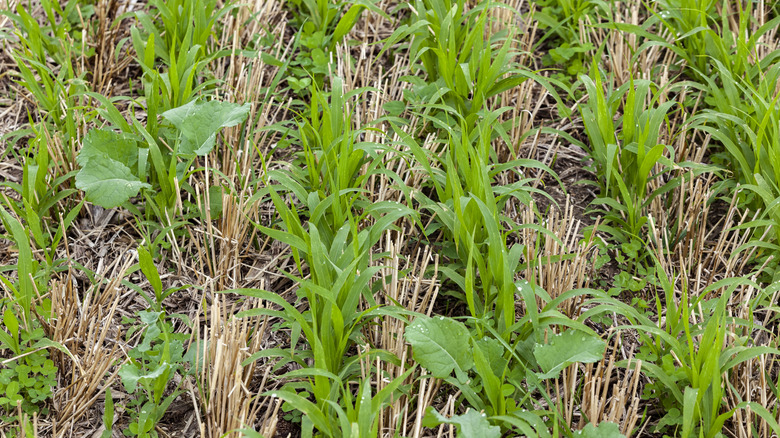
Whether your cover crop survives the winter will vary based on the plant and the severity of the winter you're having. Some gardeners prefer cover grasses that die over the cold months so they don't take root as weeds. It's also easy to deal with them in the spring. Simply leave the dead grass stalks in place or use a tiller to mix them into your soil. For grasses that survived through the spring, flowers on the stalks is an indication it's time to cut them down. You can do this by using hedge clippers and the mulching blade on a lawn mower. Then scatter the clippings onto the soil or mix them in your compost.