

The Step Too Many People Forget When Winterizing Their Sprinkler System
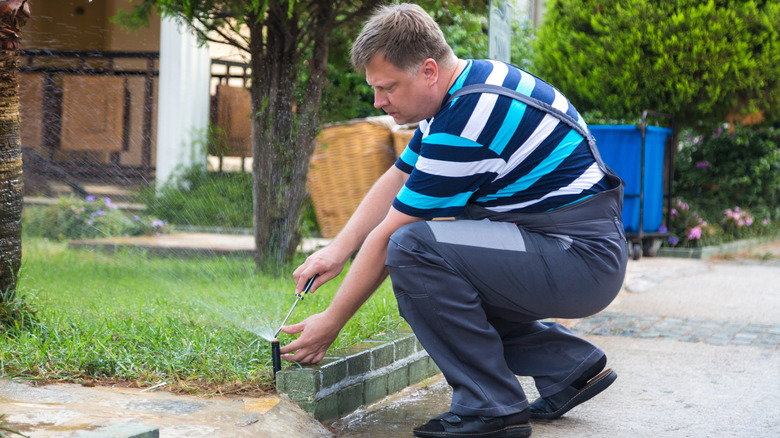
Most people think that turning off the water, draining the irrigation lines, and switching the sprinkler controller to winter is all that's required to winterize their sprinkler system, and they're almost right. The thing they often overlook is dealing with exposed sprinkler heads. Failing to take care of them can result in cracked sprinkler heads and expensive repairs in the spring. Even if you've successfully drained the underground pipes, you still have to make sure that the heads themselves are protected from freezing temperatures. As water turns into ice it expands, potentially causing plastic sprinkler heads to crack and do damage to the internal components. This is why properly winterizing your whole irrigation system at the right time, including the heads, is so important.
It's true that most underground sprinkler heads are reasonably well protected from freezing temperatures by the surrounding soil, assuming they've been drained properly. But water can remain trapped inside sprinkler heads and any exposed risers, especially if the system has check valves or drainage problems — problems you may be unaware of when you begin the winterization process. In cases like these, you might think everything is fine and that you've performed the full set of winterizing tasks only to discover the system is damaged when you turn everything back on in spring.
Why sprinkler heads need extra attention before winter
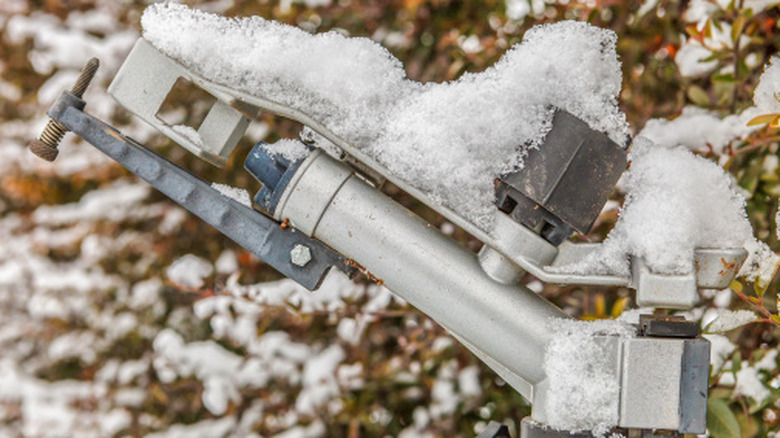
There are many different designs of sprinkler heads, and you need to know which one you've got to properly prepare your irrigation system for freezing temperatures. Some irrigation systems have automatic drain valves installed at the heads or low points in the lines. These release water when the pressure in the rest of the system drops. Assuming that these are installed correctly at the lowest points of the lateral lines, water will drain from the sprinkler heads automatically so you don't have to tackle them individually. However, if they've been incorrectly positioned or the drains are blocked in some way, they can retain the water they're meant to drain. In other words, they should still be checked when you're draining the system.
Other sprinkler heads have built-in check valves that stop water draining out of lower-lying sprinklers after each watering cycle. These valves are useful during the growing season because they prevent puddles forming around low-lying sprinkler heads, but they do complicate winterization because their check valves can retain water which needs releasing before it has a chance to freeze. You need to take care of them before winter arrives and the ground freezes, as leaving sprinklers unprepared for freezing conditions can easily result in broken heads, cracked pipes, and leaks.
How to protect sprinkler heads when winterizing your system
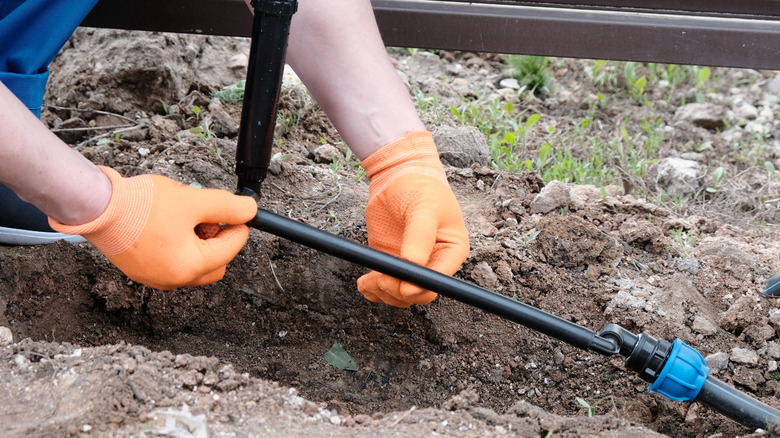
Before you can properly start winterizing your sprinkler system, you also need to identify its drainage method. If you've got manual drains, then shut off the water supply and open the appropriate drainage valves to release the water. If you have an automatic system, you'll simply need to release the pressure so that the drain valves can operate. Even with an automatic drainage system, you'll still need to check that it has in fact drained, as they are only effective if they've been correctly installed.
For systems with check valves in the sprinkler heads, you'll likely need to lift the sprinkler stem to let the trapped water out. In some cases, you may need to disassemble the head or even have the system professionally blown out with compressed air. If you're unsure, the best option is to check the manufacturer's directions rather than guessing or trying to force components apart in a way they're not designed for.
If your system does require a blowout, you shouldn't attempt to DIY this job unless you know what you're doing. Using the wrong compressor or too much pressure can damage the equipment and poses a risk of significant injury. Instead, let a qualified irrigation professional handle it.
Insulate exposed risers, above-ground pipes, and backflow preventers after drainage. Just make sure you don't block any vents or drainage outlets. Get familiar with the process for your specific sprinkler system and then make it part of your regular fall garden maintenance to get your yard winter-ready so that winter doesn't sneak up on you and the ground has frozen before you've had a chance to act.