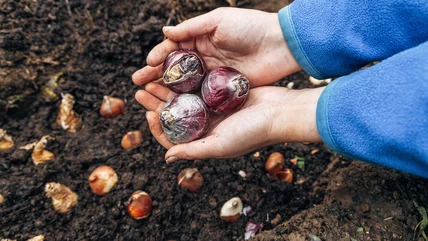
Get This Flower Planted Before The End Of October For A Colorful Spring Garden
If a flower requires cold stratification, it's best to plant in October before frosts begin. Such is the case with this stunning, spring-blooming blue flower.
Read More

If a flower requires cold stratification, it's best to plant in October before frosts begin. Such is the case with this stunning, spring-blooming blue flower.
Read More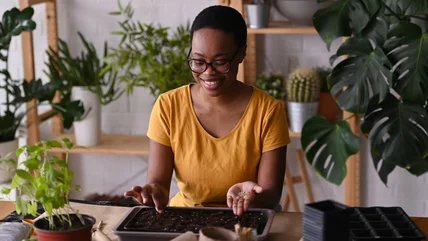
In winter, don’t settle for canned, dried, or preserved bounty from your summer garden. Instead, pick this fresh vegetable for dinner that you grew indoors.
Read More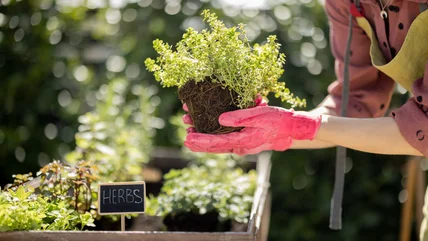
A landscaping material commonly used on paths and driveways also happens to be the best addition to herb garden soil for growing bushier, more flavorful plants.
Read More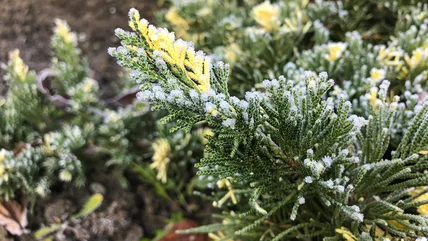
In places with frigid winters—think Maine, Minnesota, Montana—frost damage will kill your outdoor potted plants. But what if you store them in your garage?
Read More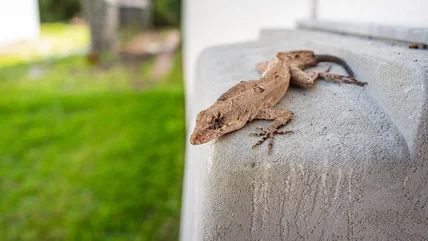
While some people find lizards charming, others dread the sight of them. If you'd rather repel lizards from your yard, try planting this fragrant herb.
Read More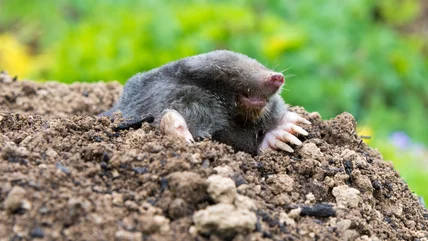
Deterring moles is a tough task, but natural, chemical-free methods that flush them from tunnels or exclude them from your yard can garner cumulative results.
Read More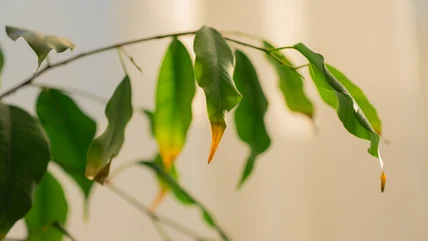
If your plants are showing signs that they're being overwatered or sitting in waterlogged soil, your soil consistency could be the problem. Here's a DIY fix.
Read More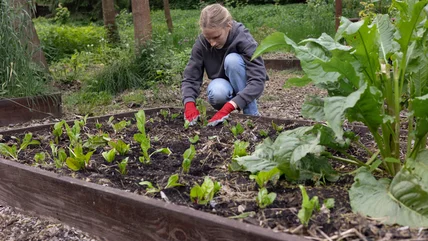
The key to great soil in your raised garden beds is achieving the right mix of materials. Doing so ensures proper growing conditions for healthy plants.
Read More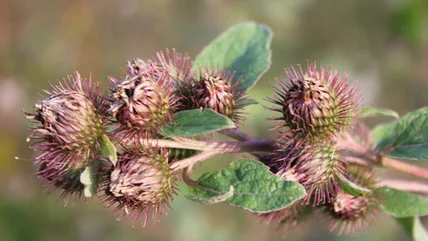
If you've trodden on the bur of a sticker weed, you'll be extra determined to remove these pesky plants from your yard. Here's how to do this in the fall.
Read More
A lot of perennials don't need much special treatment during cold weather, but these plants will benefit from overwintering in a warmer environment.
Read More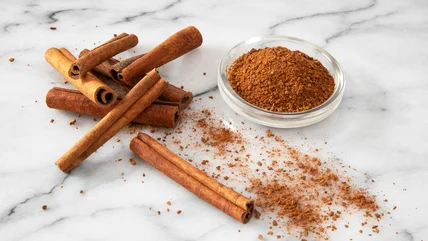
Cinnamon is more than just a delicious spice — it can also be useful in your garden. However, these benefits also come with a few potential drawbacks.
Read More
Beware of toxic, invasive pests that can harm your trees. Learn the effects of these foliage-devouring insects covered in toxic hair how to protect your yard.
Read More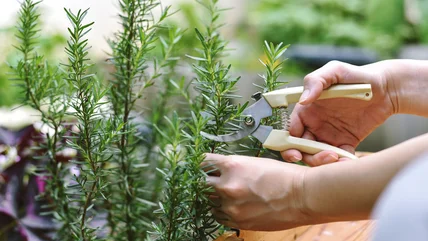
Rosemary plants are great, flavorful additions to the garden, but they can have trouble surviving the winter. Here's how you can keep them safe all season long.
Read More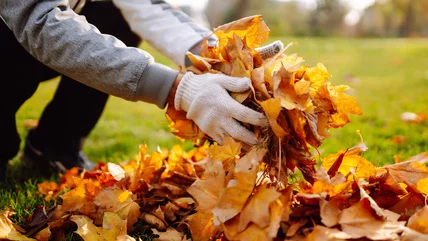
Enjoy fall beauty, but don’t neglect leaf management. Waiting for all leaves to fall can create issues, so remove leaves promptly throughout the season.
Read More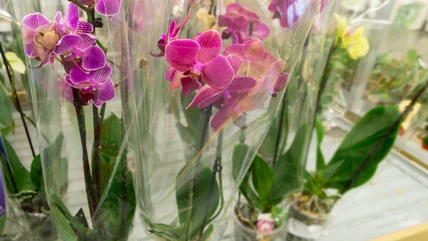
You've just brought home an orchid from Aldi. Before you repot it, learn more about the care requirements for the type of orchid supermarkets most often sell.
Read More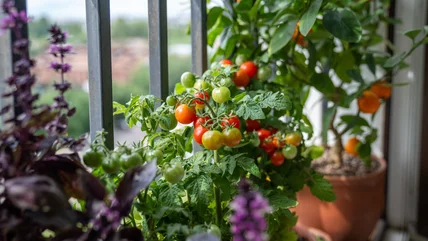
Tomato plants are easy to grow, but this incredibly simple zip tie hack will help you keep them thriving and free of disease. Here's how it works.
Read More
Weeds have a negative reputation for plenty of different reasons, but this fast-growing plant could actually help to remove heavy metals from the soil.
Read More
To ensure your perennials last for years, winterizing them properly is important. Our master gardener dishes expert tips, covering mulching, watering, and more.
Read More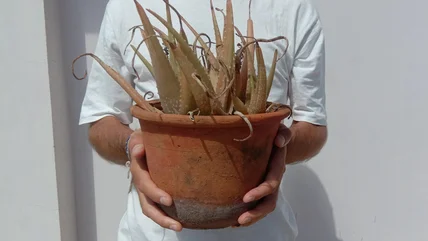
Aloe vera is an easy-care plant, right? It's a succulent, after all. However, aloe maintenance can be surprisingly challenging for newbie growers to master.
Read More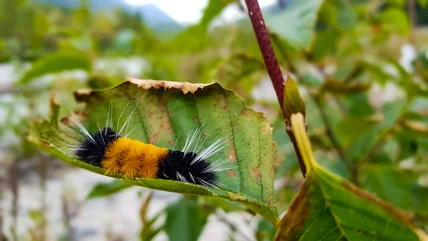
Native woolly bear caterpillars aren't just cute garden visitors. They're attracted to specific plants, which means they can serve a practical purpose, too.
Read More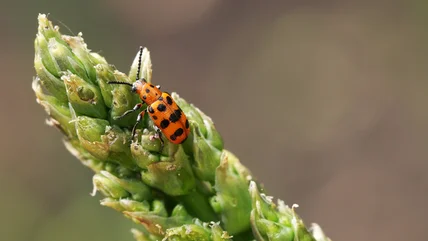
Asparagus beetles can wreak havoc on your harvest, but these plants can deter these pests or attract beneficial insects that will reduce their population.
Read More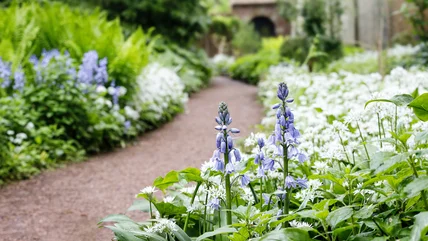
A practical garden path idea inspired by TikTok uses simple supplies to create a rustic, affordable walkway that blends function with natural charm.
Read More
From breakfast scraps to pasta water, these easy homemade DIY solutions nourish your plants and soil without relying on synthetic fertilizers.
Read More
With orange blooms and berry-like seed pods, the blackberry lily can be stunning in your yard. Learn how to prune it so the plant doesn’t overspread.
Read More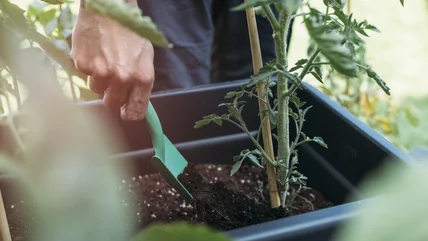
You may have lots of fertilizer ingredients hanging around your house without even knowing it. Combine these ingredients to give your plants a boost.
Read More
You can grow sweet potatoes year-round indoors or, in warm areas, outdoors. First, though, you need to sprout the tubers so you can harvest and root the slips.
Read More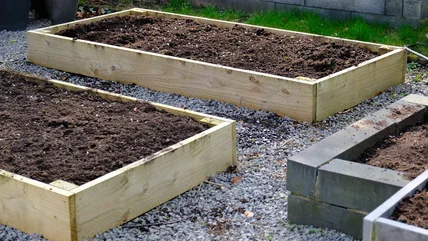
Most gardeners know that a mix of mineral soil and organic material is recommended for raised garden beds. However, other amendments can boost soil health.
Read More