Landscape Fabric Or Organic Mulch For Vegetable Rows?
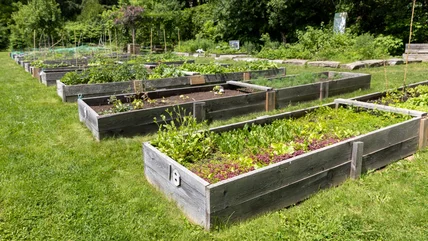
Landscape fabric and organic mulch can both help control weeds in vegetable gardens, but their effects on soil, moisture, and maintenance differ significantly.
Read More

Landscape fabric and organic mulch can both help control weeds in vegetable gardens, but their effects on soil, moisture, and maintenance differ significantly.
Read More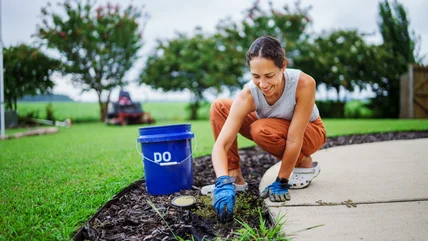
Can you have too many 5-gallon buckets to use around the home and garden? If this is your favorite tote, here's a way to make it even more functional.
Read More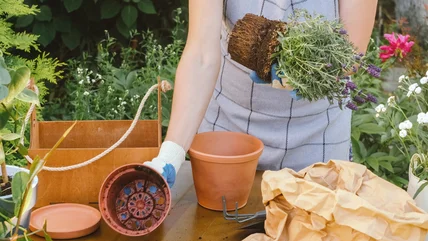
Lavender is a wonderful addition to any garden thanks to its aromatic properties, edibility, and as indoor decor. Gravel can help it stay healthy in a planter.
Read More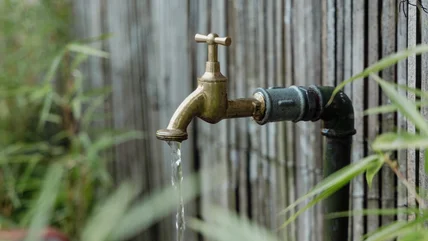
Instead of tiring yourself out walking around with a hose, learn how to make a moveable spigot for your backyard with a wooden fence post, spigot, and hose.
Read More
You're probably familiar with regular beehives for honeybees, but you can also build a hive to support native bees to make your yard more eco-friendly.
Read More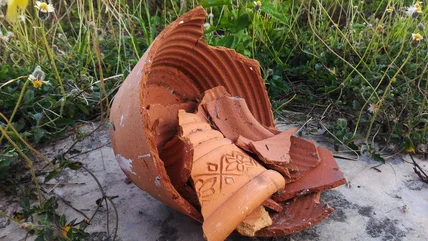
Clay pots are affordable and appealing, but they can also shatter easily. Repurpose the shards from a broken pot by using them to keep your garden organized.
Read More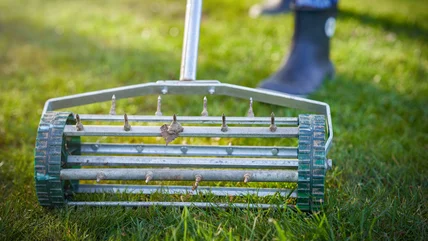
Lawn aerators are an important tool for maintaining a lush and healthy lawn, but do you need to sharpen their tines? Here’s what you need to know.
Read More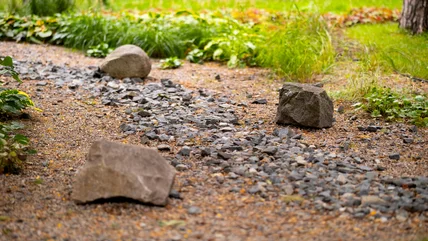
It can take a lot of time and effort to create a rain garden, so be sure to put it in the right spot for maximum effectiveness in your eco-friendly landscape.
Read More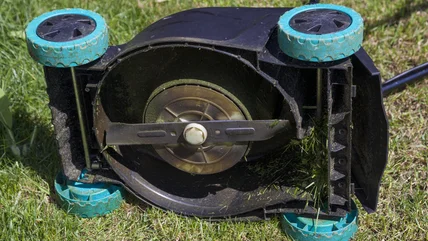
Lawn mower blades seem simple, but their rotation direction plays a bigger role than you might think in how well your mower cuts and how safely it operates.
Read More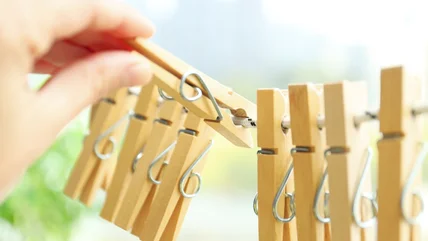
Dragonflies are pretty insects that are beneficial to our gardens. Honor them with some indoor-outdoor decor you can craft from wooden clothespins and glue.
Read More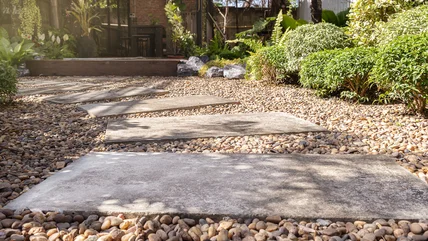
Tired of your gravel pathways shifting every time you walk on them? This Amazon solution can help keep gravel in place with less regular maintenance needed.
Read More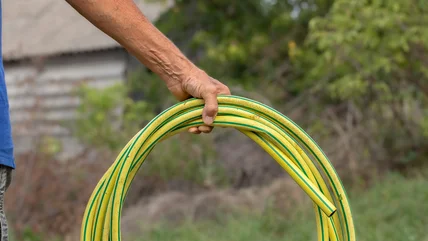
If old wire hangers are cluttering your closet, bend them into hooks that store your hose off the ground. This DIY only needs a hanger and a pair of hands.
Read More
No one wants to see Bermudagrass taking over their flower beds, but unfortunately, it's common. Luckily, you can stop the pesky weed with these solutions.
Read More
Newly planted grass seed can easily blow away. A practical erosion control product helps protect exposed soil while supporting healthy lawn establishment.
Read More
Want to add a unique water feature to your garden without the high price tag? This DIY uses an old bucket that transforms into a beautiful fixture you'll love.
Read More
If you're looking for a way to keep the flower beds in your yard tidier with less work, a concrete mowing strip is definitely the way to go.
Read More
When fall comes around that means that it's time to start raking your lawn, or does it? Maybe you should actually be mowing those leaves instead.
Read More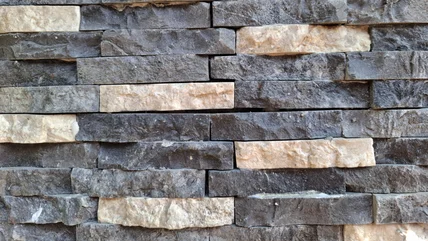
Concrete is a versatile choice for a retaining wall, but not very attractive. For a wall that's pretty as well as eco-friendly, choose this stone.
Read More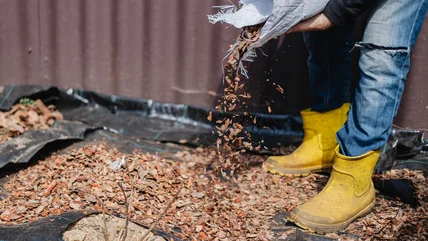
Chipping foraged branches is a laborious way to get garden mulch, especially when you might be able to get it delivered to your home by the truckload for free!
Read More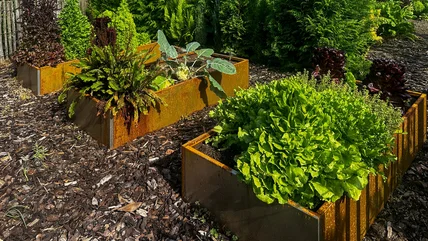
These raised garden beds can last for several decades with little maintenance thanks to the material of its strong core and rust-resistant coating.
Read More
You don't necessarily have to buy name-brand mower blades for a great result. In fact, Lowe's highest-rated option is a universal blade customers love.
Read More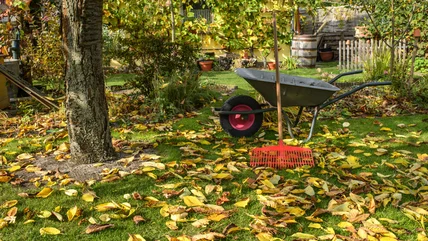
This tool from Home Depot makes cleaning up fallen leaves and other plant debris faster and less strenuous. Skip the rake and optimize your yard maintenance.
Read More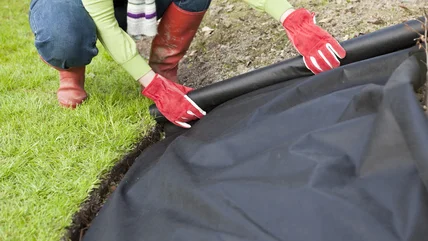
When you need to suppress weeds in certain areas of your landscape, it makes sense to head to the garden center, but this product may be more effective.
Read More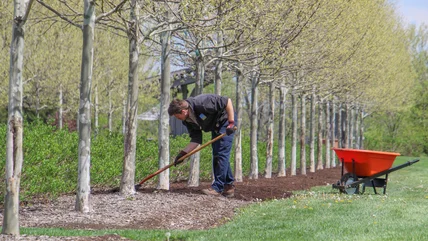
Shredded hardwood is one of the most popular mulches among gardeners, but it has downsides that you can overcome by investing in another type of tree mulch.
Read More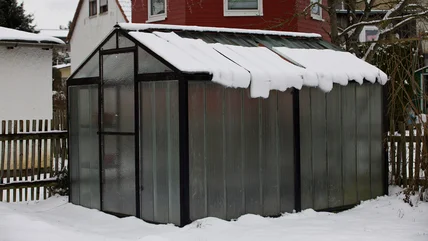
If you want to keep your greenhouse warm during winter, try this surprising heating source to maintain the temperature without buying an expensive product.
Read More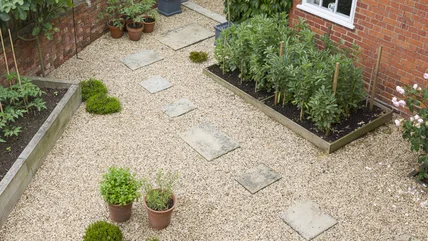
With some paint, you can give plain concrete stepping stones the look of handcrafted tile. This simple DIY adds instant charm to your space.
Read More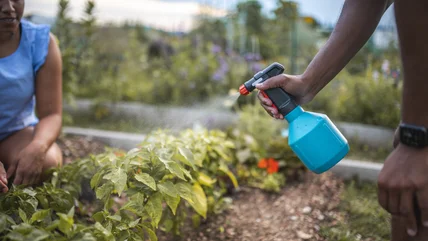
The last thing any gardener wants is chewing insect pests. To avoid them, use this non-toxic solution to protect your crops without harming the environment.
Read More