

It's Imperative You Clean Your Carpets Before Winter: Here's Why
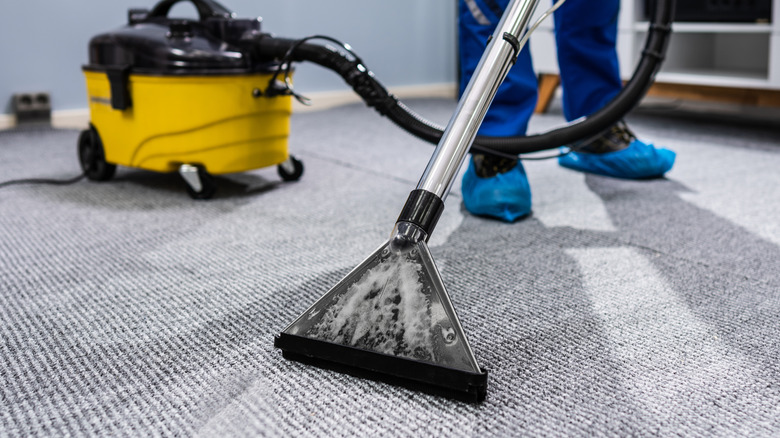
If you have carpeting inside your home, you know it takes a lot of abuse throughout the year, especially if kids and pets are tracking in dirt or spilling on it. How often should you clean your carpet? You should shampoo the fibers at least once a year and perhaps more often with pets or in areas with significant foot traffic.
When you're cleaning the carpeting once a year, you should be sure to do the work in late fall or early winter. If you're doing this job more than once a year, you can certainly shampoo it during other seasons, but tackling the process in early winter provides numerous benefits. Perhaps the biggest benefit is eliminating dust and pollen that build up throughout the summer and early fall that can worsen allergic reactions at the end of fall and into winter.
Allergens like pet dander and dust mites hiding in the carpeting can become worse in winter time because you're more likely to keep the doors and windows closed during cold weather, allowing the allergens to hang around. Additionally, some people are highly susceptible to ragweed pollen that's prominent in fall, and you don't want this pollen continuing to bother you all winter. Ragweed pollen can cause coughing, sneezing, and eye irritation, and it will remain in the carpets if you don't regularly vacuum or clean them. If you believe you're seeing signs your carpet is causing allergy attacks as winter begins, hiring a professional carpet cleaning service or doing a DIY job is the smart choice.
Maximize your carpet's lifespan with an early winter cleaning
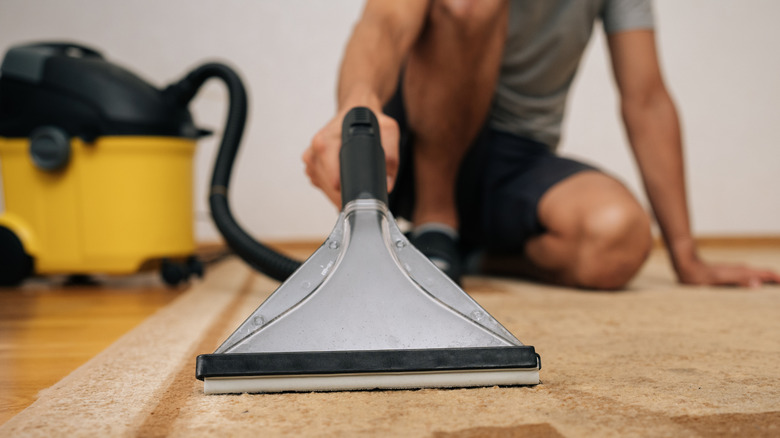
One of the mistakes everyone makes when deep cleaning their carpet is waiting to clean it until it looks dirty or stained. However, tiny specks of dust consist of coarse particles that can rub against the fibers even when you can't see them, creating damage that leads to fraying. Regular weekly vacuuming is vital to removing gritty particles, especially before they settle deep in the base of the fibers. However, it's also essential to occasionally deep clean the carpet to remove the dust and dirt particles that vacuuming doesn't remove. Dust is commonly in the air in early fall, eventually settling in your house and carpets. With people sealing their houses against the cold in late fall and early winter, dust can settle deep in the fibers.
The pollen that is common in the air in fall can also cause problems for the lifespan of your carpeting. Pollen can cause staining in the carpet fibers if left alone, but deep cleaning the carpets in early winter can prevent the pollen from accumulating and limit the chance of staining.
Mold spores are common during fall, too, as they thrive in the decaying fallen leaves that retain moisture. The spores eventually become airborne and can enter the home. When mold spores cling to fibers, they can weaken them and make them more likely to suffer matting. Deep cleaning techniques remove mold spores from the carpet, preventing them from spreading. Doing this work in early winter attacks the spores when they're likely at their highest counts.
After cleaning, carpets dry faster and more thoroughly in winter
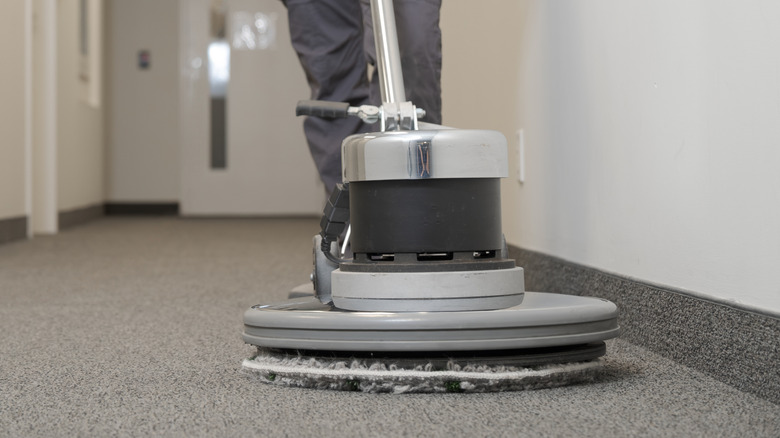
When you deep clean carpets yourself or hire professionals, you'll often be using a hot water extraction method. This method usually uses low-moisture techniques, meaning it shouldn't saturate the carpet fibers (when done correctly), but it still delivers the desired level of cleaning.
If you clean the carpeting during times of the year with high humidity, the air is full of moisture and the wet fibers won't evaporate as efficiently. A carpet that retains moisture after cleaning may turn into an area where mold, mildew, and bacteria form and cause damage and odors while negatively affecting your indoor air quality. Most of the United States sees the highest levels of humidity during summer, meaning you have to be careful about deep cleaning carpeting during summertime.
By doing this work in early winter, you'll be able to take advantage of lower humidity levels in the air, meaning the fibers dry faster and reduce the chance of mold formation. Most places have lower humidity levels in the air in winter because warm air holds more water vapor than cold air.