

12 Common Plants To Avoid Putting In Your Garden If You Own Pets

We may receive a commission on purchases made from links.
Many people don't realize that some of the lovely, attractive plants they're putting in their garden can be deadly to their pets or even to young children. Many ornamentals are packed with compounds that are dangerous to cats and dogs. Some common garden plants may "only" cause an upset stomach, but others can lead to seizures, heart arrhythmias, organ failure, and death after just a tiny nibble.
I'm a master gardener, master herbalist, and certified canine nutritionist, and I adore my dogs and cats. So, I've spent a huge amount of time making sure my garden is a safe haven for them as well as a peaceful, natural sanctuary for me. You'll be surprised at the sheer number of common but really dangerous plants you likely have growing in your own garden. This list aims to give you expert guidance on how to keep your outdoor spaces beautiful and safe for your pets.
Lily of the valley (Convallaria majalis)
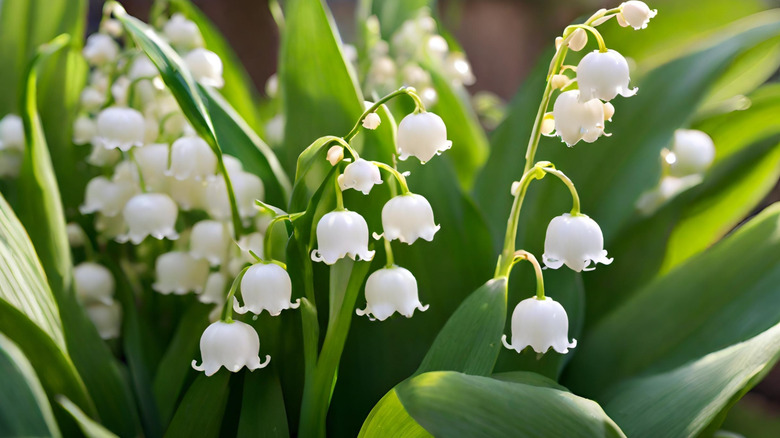
Lily of the valley is undeniably beautiful, with pretty white and pastel bells and berries that add interest to the late-season garden. But it's dangerous. All parts of the plant contain large quantities of cardiac glycosides, with the highest concentration being in the red berries. If consumed, it can cause vomiting, lethargy, and heart rhythm changes that can kill both cats and dogs. One of the biggest problems is how readily it takes over a yard. Lily of the valley is a woodland plant and is an aggressive groundcover that spreads rapidly via rhizomes and can also self-seed.
If you want ground cover that tolerates some shade and is safe for your pets, my first choice would be creeping thyme (Thymus serpyllum), which is non-toxic if eaten in small amounts. I've found it to handle both shade and thin soil, keeping weeds at bay, and needing very little maintenance. Flowering will be slightly reduced in shade, and the growth might be sparser, but it can be a great choice for shadier areas that transition into full sun. You can also use it as a culinary herb. Creeping thyme is wonderfully aromatic, which is useful for deterring deer and some insect pests, and the gorgeous little flowers are magnets for bees and other pollinators.
If you have cleavers (Galium aparine) in your garden, consider leaving them alone to fill the gap left after removing your lily of the valley. This plant is safe for pets and grows quickly, even in poor soil and shade. It's also a solid option for boosting biodiversity. However, cleavers do spread quickly, so you do need to keep them in check. My dogs both love snacking on cleavers. They choose the choicest, freshest, youngest tips and devour them. And, like thyme, cleavers are safe for human consumption, too.
Foxglove (Digitalis purpurea)
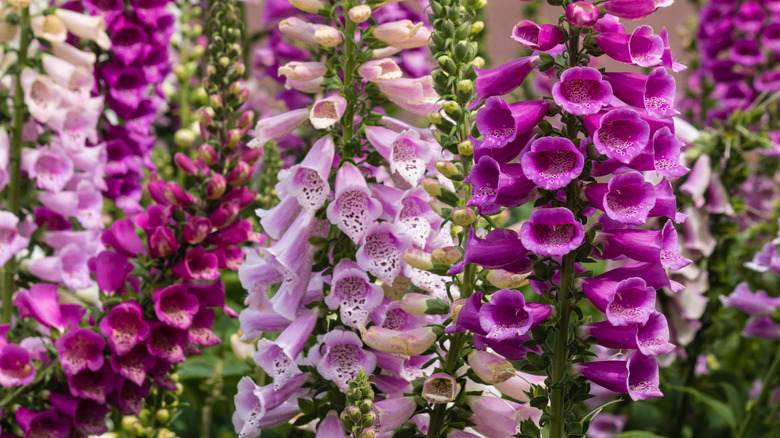
I love foxgloves. They are so pretty, with their tall stems and gorgeous pink or white bells. But these beautiful woodland plants need to stay out of your garden if you have pets or young children, unless you keep them safely fenced and inaccessible. They contain concentrated levels of digitalis glycosides. You may have heard of digoxin, the potent heart medication. Well, as the name suggests, it was derived from the leaves of the foxglove (Digitalis). You wouldn't let your pets or kids have unsupervised access to grandma's digoxin meds, so you shouldn't let them near the plant it comes from, either.
Ingesting even small amounts of any part of the foxglove plant, even the dried seed heads, directly affects the heart. Symptoms can include vomiting, irregular heartbeat, collapse, and even death. So foxgloves really are not a plant you want to risk around your pets and kids.
A safer and equally attractive alternative that will also grow well in semi-shade and dappled woodland conditions is the sage (Salvia) family. For example, Salvia nemorosa is a great pet-safe choice. I think the 'Caradonna' cultivar is particularly attractive and a solid replacement for foxgloves. Pineapple sage attracts loads of pollinators, making it another great option. Salvias are aromatics, so they're useful for deterring pests like aphids and mosquitoes, and they are generally safe from deer and rodent browsing too.
Monkshood (Aconitum spp.)
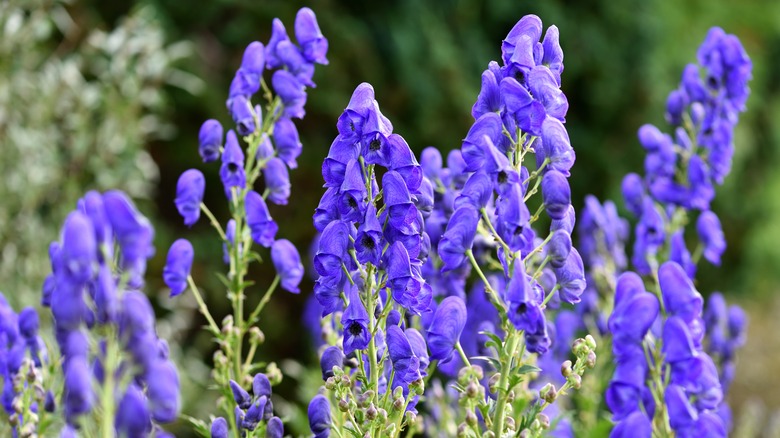
Monkshood, also known as aconite and wolfsbane, is uniquely beautiful but also uniquely dangerous. The common name, "wolfsbane," should tell you plenty about its danger to your dogs, but it's equally dangerous to cats and humans. Monkshood contains diterpenoid alkaloids that cause vomiting, weakness, tremors, heart failure, and death, even with just a tiny amount ingested. The sap can also cause nasty irritation to skin and mucous membranes.
Aconite has a long history of use as a poison, with records stretching as far back as ancient Rome. The plant is so dangerous, it shouldn't even be handled without gloves, as the toxins can pass through the skin. I would not suggest even trying to fence off this plant in your yard, as it's simply too risky to keep around in general.
Campanula, or Canterberry bells (Campanula medium), is a better, pet-safe option that gives the same lovely colors. There is a huge variety of campanulas to choose from, ranging from compact rockery plants to large border staples that will have your summer beds bursting with color. Campanula flowers are usually bell-shaped, although some varieties have open star-shaped flowers or double flowers.
Azalea (Rhododendron spp.)
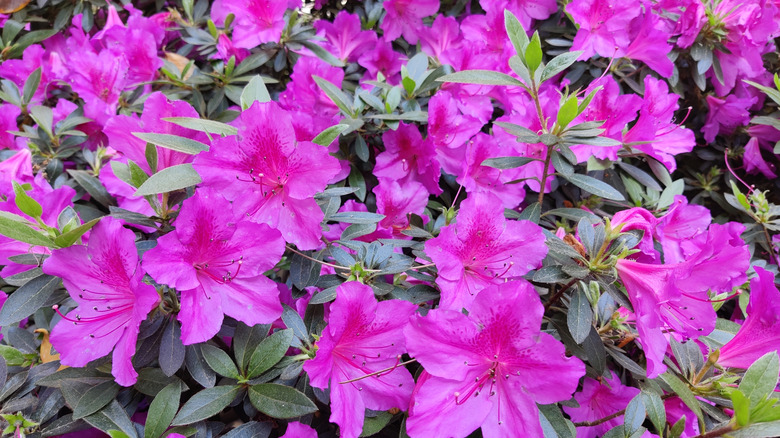
Lots of people love rhododendrons, but they're not for me. Where I live, some species, such as Rhododendron ponticum, are classed as invasive. Aside from their invasive nature and propensity to spread, all parts of these plants are toxic to dogs and cats. Even the fallen leaves remain toxic. The plant contains high levels of grayanotoxins. Just a few nibbles from the leaves is enough to interfere with the nervous system, cause vomiting, diarrhea, and heart failure in pets.
If you're determined to keep or are unable to remove a large, established azalea, then fence it off, trim it back as much as you can, and rake leaves regularly. But, if you truly want a pet-safe — and kid-safe — space, this is one plant to totally remove. Plus, azaleas grow rapidly and can crowd out other, more desirable plants.
Buddleja (Buddleja spp.) is a great pet-safe alternative, although ingesting it in large quantities can still cause tummy upset, so it's still a good idea to discourage pets from eating them. Buddleja or butterfly bush is easy to care for and a magnet for butterflies and other pollinators. The same goes for most hibiscus species. Avoid rose of Sharon hibiscus though, as these can cause blistering of the mouth and tongue and digestive upset. Hibiscus sabdariffa, which is the most common culinary hibiscus variety, is considered safe unless it's ingested in huge quantities.
Yew (Taxus baccata)
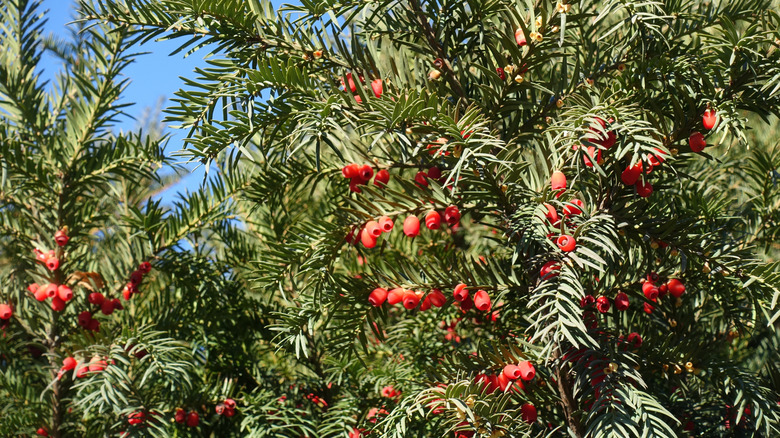
When I moved into my current property, I had all of the yew trees removed from the areas that my dogs would have access to. Yew trees do look pretty, especially when their berries ripen, but they are powerfully cardiotoxic. All parts, including needles and berries, are highly dangerous for pets. Even the clippings remain potentially lethal.
One of the biggest problems with yew is those bright red berries that fall to the ground. Dogs, in particular, are drawn to them, and it only takes about an ounce of leaves to make them really sick or to kill them almost immediately. If you really are determined to keep the yews, block pets from accessing the area, remove fallen needles frequently and net under the lowest branches during seed drop to catch those tantalizing berries.
Substitute yew hedges with hornbeam, western red cedar, beech, or hawthorn. I also recommend hazel hedging, like this 5-pack of American hazelnut trees, as you'll get stacks of free hazelnuts once the plants are established. These are all non-toxic to pets, livestock, and wildlife.
Daffodil (Narcissus spp)
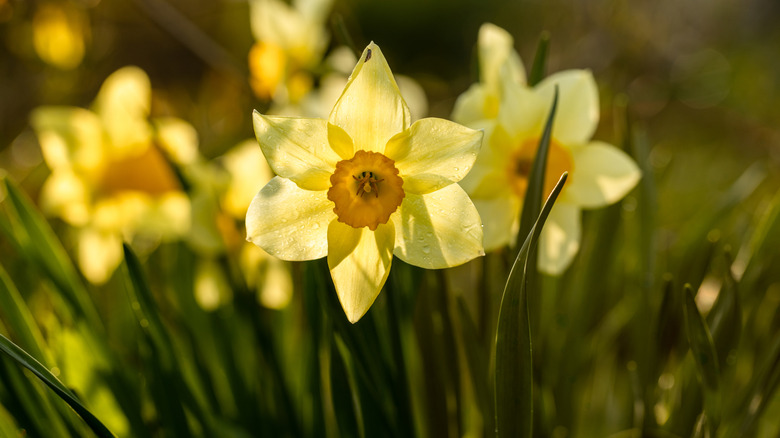
Daffodils are lovely, and they're one of the earliest blooms that feed the precious pollinators. Unfortunately, they contain lycorine, which in dogs and cats can cause vomiting, diarrhea, and drooling. In large quantities, daffodils can also affect the heart. Severe daffodil poisoning usually happens with dogs, because they tend to be more likely to dig and find the bulbs, which contain more lycorine crystals than the leaves or blooms.
If you want daffodils, keep them behind a fence, even when they're dormant, because dogs may still dig them up. You can also containerize them. Alternatively, plant the bulbs in mesh baskets right in the soil, so the plants can still grow, but your dogs can't easily get to the bulbs the rest of the year. I love daffodils, so I keep mine in a fenced portion of my front yard that my dogs don't have access to.
I don't really have many bulbs anywhere my dogs have access to, because so many of them are dangerous. Instead, I focus on safe early bloomers like chamomile, a beginner-friendly flower you can grow from seed and one which is also functional, provide calming sensory benefits to my pets — and plenty of pollinator action. Snap dragons and marigolds are also good early blooming choices. Not quite as early as daffodils, admittedly, but you can always let the dandelions grow in their place. I don't consider dandelions weeds. They are beautiful, sunny plants that provide valuable food for insects. They're pet-safe, and you can eat the flowers and leaves in salads.
Tulips (Tulips spp.)
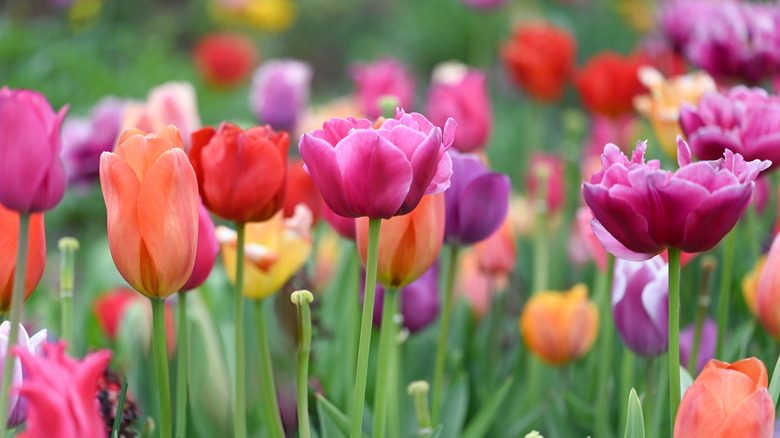
Tulip bulbs contain tuliposides that cause mouth and stomach inflammation. Skin contact with the bare bulbs can also cause discomfort and irritation. While the highest concentration of the toxins is in the bulbs, the whole plant is unsafe for pets to chew on. Tulips are also part of the lily family (Liliaceae), which is known for being extremely toxic to cats.
If a small amount is ingested, your pets will likely only experience an inflamed, blistered mouth and drooling, along with diarrhea, vomiting, and stomach pain. But, in more serious cases, the toxins in tulips can cause heart problems and breathing difficulties. Based on those potential symptoms, tulips are another plant I recommend you get rid of completely, or that you only grow in places inaccessible to your pets.
If you want bright bursts of color to replace tulips, go with pretty alternatives like Sow Right Seeds non-GMO heirloom purple cone flowers or calendula. These are considered generally safe, even if your pet ingests a little. Cone flowers and calendula, also called pot marigold, will also keep blooming all season as long as you deadhead the spent flowers.
Autumn crocus (Colchicum autumnale)
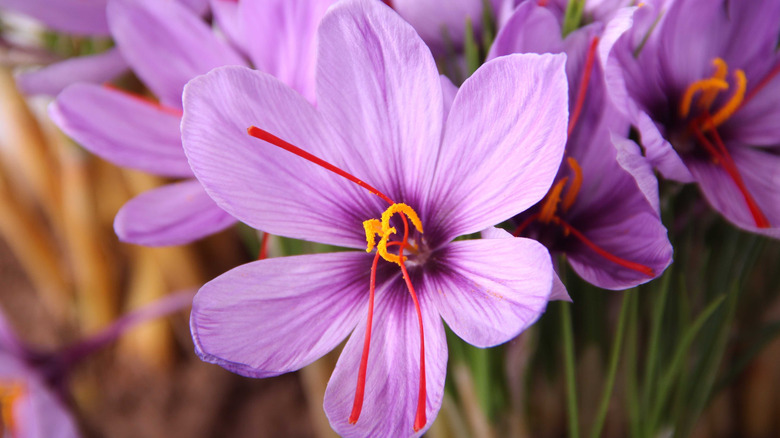
Autumn crocus looks fairly innocuous, but it's often lethal if ingested. All parts of this little plant are highly toxic to pets and people. They contain a potent alkaloid called colchicine. This compound causes severe vomiting, diarrhea, nervous system failure, seizures, and multi-organ failure. One of the dangers of this plant is that while the onset can be rapid, it can also take several days for symptoms to show up, at which point it may be too late to get help if organ failure has already started. I had these in the garden of the new property, too, and as soon as they started popping up, I got the trowel and dug them up. It's just not worth the risk.
For late-season color, go with lavender, sage, or even rosemary instead. These are all safe, even if your dogs, like mine, enjoy cropping the tender growth like they're visiting their very own salad bar. Ingested in large quantities, lavender may cause stomach upset, but a little nibble here and there won't cause serious harm. Asters are another great perennial choice that won't hurt your pets, and their lovely daisy-like flowers look fantastic. The China aster, with its pretty purple double flowers and bright yellow centers, is particularly nice.
Lords-and-ladies (Arum maculatum)
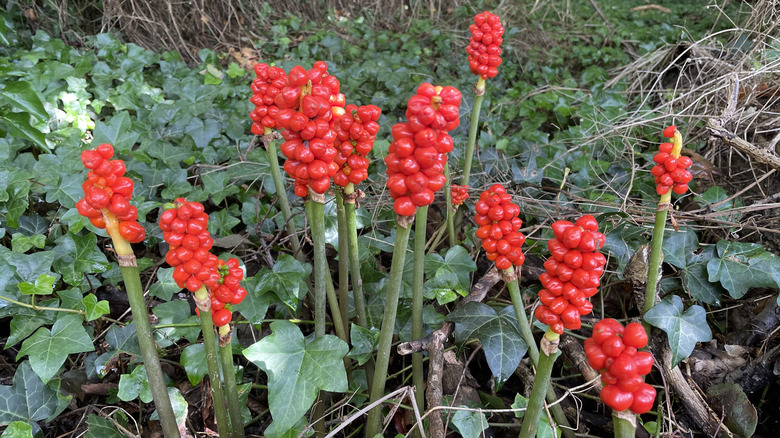
Lords-and-ladies seem to pop up everywhere, and they are incredibly dangerous. An acquaintance of mine had a Labrador that gobbled up just a few of the berries from one of these plants, and even with prompt veterinary treatment, the dog sadly passed. Lords-and-ladies are shade-loving plants that are often overlooked until those bright red-orange "berries" appear in fall, and then they're very noticeable and tempting to your pets. These berries are loaded with insoluble calcium oxalates that cause intense oral pain, swelling, and drooling, as well as difficulty breathing. If enough is consumed, these plants can be fatal, especially for sensitive dogs, small dogs, or cats.
Make sure you wear gloves when removing these plants, as all parts of the plant can irritate your skin, but especially the corms, where the most toxins reside. These are dangerous enough that I wouldn't even recommend fencing them. Just remove them. But remember that you may have to keep digging them up as they grow, because they can re-shoot from just a tiny bit of tuber. You can replace these with any of the shade-tolerant or woodland plants I mentioned earlier. Coral bells are also a safe choice and give you beautiful, colored foliage (even in shade) right through fall.
Hellebores (Helleborus spp.)
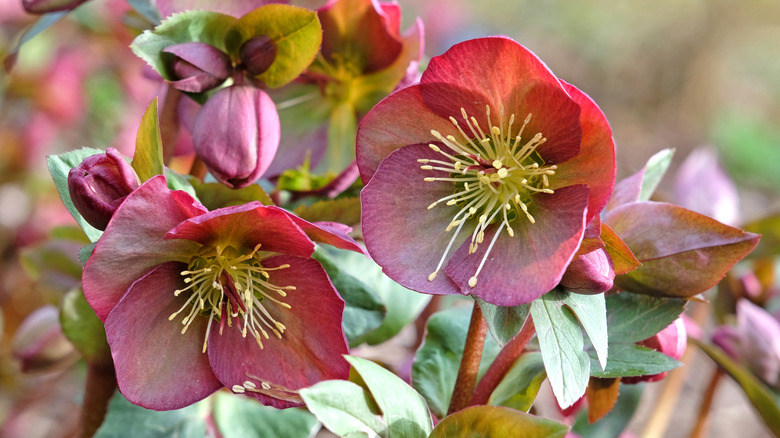
Hellebores are undeniably pretty, and there are so many cultivars and colors that they make a great show in the garden. Unfortunately, they contain multiple dangerous compounds, including cardiotoxic glycosides, bufadienolides, veratrin, and saponins, and are therefore harmful to pets and people if swallowed. If your pet ingests any part of these plants, they'll experience excessive drooling, abdominal pain, diarrhea, vomiting, and depression. Because of the cardiac glycosides, potentially deadly heart issues can also occur.
Dig hellebores out if possible. But as with lords-and-ladies, make sure you're wearing gloves, as the whole plant, but especially the rhizomes, can irritate your skin. For winter color that won't harm your pets, go with heather or coral bells. Spanish lavender can be a spring-flowering replacement choice, and the long stems can catch the snow in winter, providing an insulating blanket for itself and other nearby plants. It's also a great sensory option for your dogs, cats, and kids, as the scent is calming and soothing. When in bloom, lavender also attracts lots of pollinators.
Hydrangea (Hydrangea spp.)
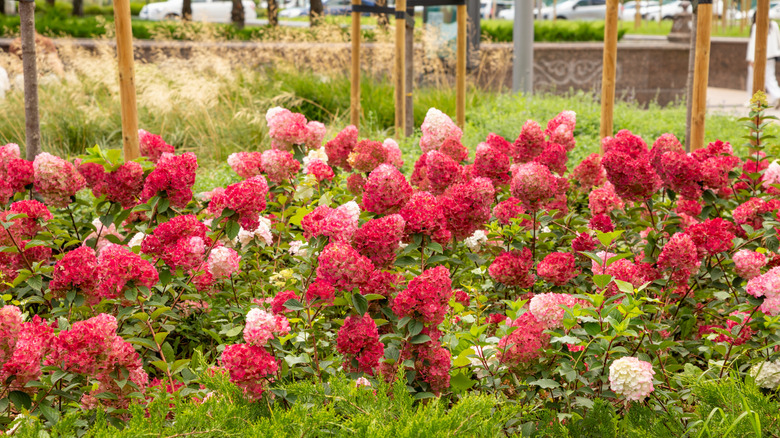
Hydrangeas are most definitely not pet-safe. All parts of the plant are toxic. They're a popular choice in gardens for their huge masses of pastel-hued flowers, but these flowers, and the rest of the plant, contain a cyanogenic glycoside called amygdalin. When a pet eats part of a hydrangea, the amygdalin it ingests gets turned into cyanide, so the biggest danger of eating hydrangeas is cyanide poisoning, which can quickly kill a pet if left untreated. Symptoms can appear in as little as 15 minutes and include increased heart rate, rapid breathing, muscle spasms, and bright red to blue gums.
Hydrangeas are definitely plants to remove if you have pets. If you decide to keep them, fence them safely away and keep their growth in check. But remember to immediately clear up what you've cut back, as the clippings retain their toxicity. For a safer alternative, try star magnolia. It's non-toxic to pets and creates a beautiful show of glorious white flowers.
Delphinium (Delphinium spp.)
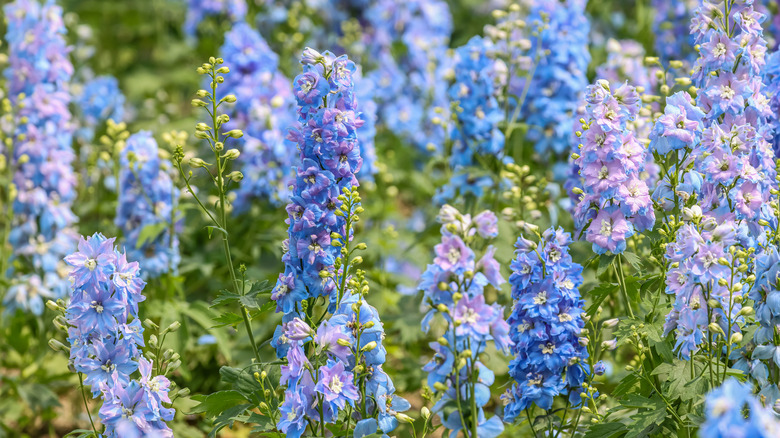
Delphiniums, or larkspur, have striking spires of flowers in shades of pink, blue, purple, and white. And they make an impressive show in your borders. But they are, unfortunately, another plant that's toxic to dogs and cats. Pets may be intrigued by the plant's sweet smell, but delphiniums contain diterpene alkaloids, which are more concentrated when the plant is young. However, delphiniums are still dangerous even when alkaloid levels drop at maturity. These plants cause neuromuscular paralysis if ingested, resulting in constipation, stiffness, tremors, respiratory paralysis, seizures, and even heart failure.
When removing delphinium, make sure you get all the fallen flowerheads and foliage, as the toxins remain even after cut foliage starts to dry out. If you want to plant something with similar spire-like flowers, choose a salvia with long flowering stems, such as salvia nemorosa 'Rose Marvel'. You could also substitute toxic delphiniums with non-toxic and pollinator-friendly buddleja or campanula.