

How To Burglar-Proof Your Back Yard To Maximize Home Security
We may receive a commission on purchases made from links.
Burglaries are top of mind for many homeowners trying to protect their properties. According to statistics from the FBI, burglaries are continuing to decline nationally, but the reality is that these crimes still happen. The focus of many burglary prevention techniques often involves the front of the home. While you might be among the many homeowners who have Ring cameras, for example, there are hidden downsides to doorbell cams. The backyard is unfortunately another opportunity for thieves to access your property, so you may need to get creative with additional electronic devices, locks, landscaping techniques, and more.
There are several reasons why intruders might target your backyard. Burglars might try to access your home via the back door, or perhaps they want to steal items from around your shed or patio. Making your backyard more burglar-proof is one way you may be able to deter trespassers, but you will also need to use multiple techniques rather than relying on a single strategy alone. Also, whether your newly burglar-proofed backyard is equipped with new lighting, cameras, and locking devices, keep in mind that no method can ever be 100% guaranteed. Vigilance on the part of you and your neighbors is paramount to making everyone's backyard safer against break-ins.
Install backyard cameras in strategic areas for security
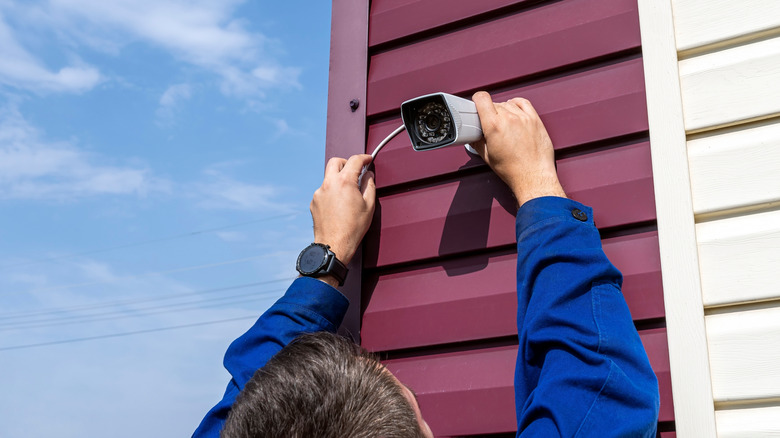
If you have a doorbell camera, this might deter a thief from the front portion of your home only. It does little to deter them from sneaking around the back part of your house. This is where adding cameras around your backyard can help. While these devices cannot physically stop a potential break-in, backyard cameras are arguably the only surefire methods of capturing burglars on video. In some cases, their presence can deter criminal activity because of the naturally camera-shy nature of burglars.
Placing cameras around your backyard provides the capability of seeing trespassers on your property, but only if they're installed in the right spots. You should have one wide-view camera that displays at least 130 degrees. Place the camera at a high point on your home so you can capture as much of the backyard as possible. Depending on the size of your property, you might need multiple cameras to cover the entire yard. Then, also, don't forget to have cameras pointing towards specific access points around your yard, such as gates, as well as storage facilities like sheds. Strategically-placed backyard cameras can help burglar-proof these spaces, but keep in mind that interruptions in electricity or internet service can interfere with companies like Ring and Wyze's ability to provide you with around-the-clock footage.
Motion-activated lights may catch burglars off guard
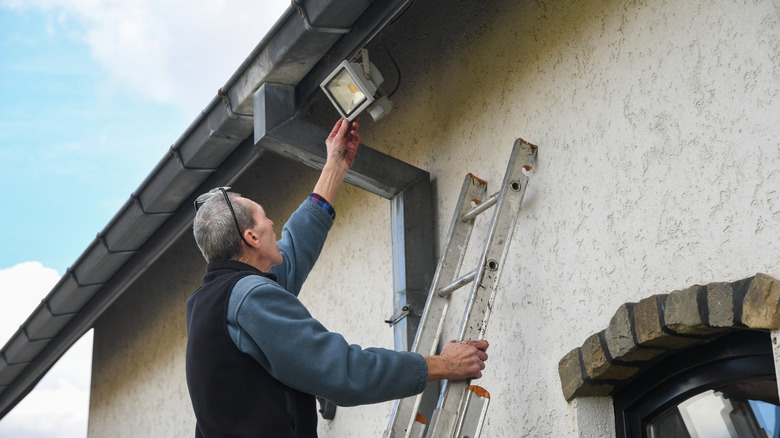
Installing motion sensor lights in your bedroom isn't a good idea for the sake of getting shut-eye, as these can wake you up throughout the night and give you a fright. You can apply this downside, though, to protecting your backyard area from intruders. Motion-activated lights turn on whenever sensors pick up movement, which makes them perfect for lighting up the yard when someone trespasses onto your property. The idea here is to deter burglars via the element of surprise, so they will then hopefully run away.
Consider swapping out any existing lights with motion-activated versions, such as the Mr Beams MB3000 Security Light. There are both battery-powered and wired motion lights to consider. While motion-activated lights can switch on when a human trespasses onto your property, keep in mind that it can do the same when other events trigger the sensors. It can get annoying for the lights to come on every time a stray cat walks by or a windstorm blows leaves in front of the sensor, but the burglar-proofing qualities might just be worth the hassle.
A fence at the right height can help protect your yard
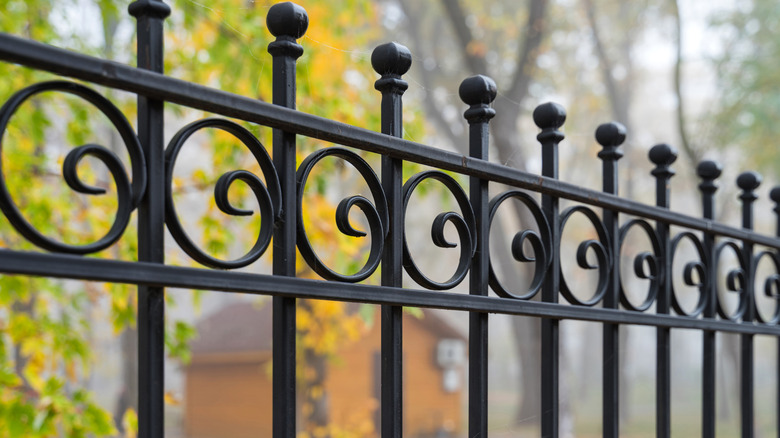
Backyards and fences go hand in hand, especially in keeping children and pets safe. When determining how to choose the right backyard fencing, there are both style and functionality considerations. Before you spend the time and money erecting a brand new fence, you'll also need to determine just how much security it offers. Tall fences are of course better at deterring thieves from climbing over, but you'll also want to weigh up your choice of materials.
When burglar-proofing, a typical 4-foot farmhouse-style fence might not be the best option because they're too easy to quickly hop over into your yard. (If you've seen a child climb this type of fence to retrieve a lost ball, chances are a burglar can easily access it, too!) For home security purposes, some companies suggest a fence of at least 54 inches tall. While many fencing styles can enhance security, steel and wrought-iron designs are generally considered the most secure. Their strong vertical pickets offer few handholds or footholds for climbing, and the metal itself is far more resistant to cutting or breaking than wood, vinyl, or chain-link. Make sure you get approval from your homeowner's association board and/or city before making expensive modifications like fencing.
Locking fence gates can enhance backyard security
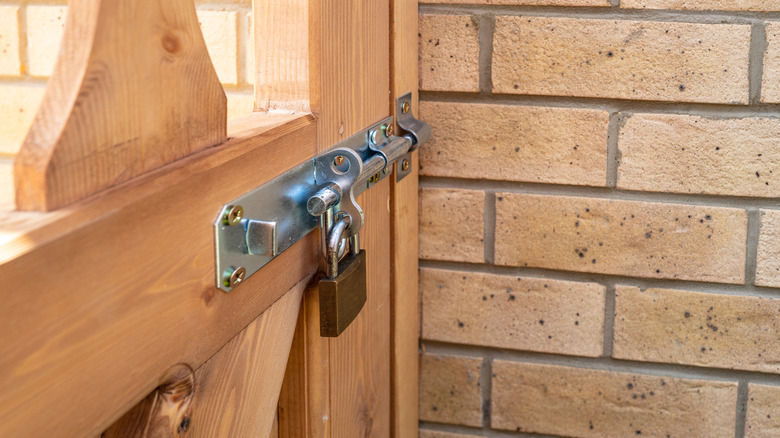
Most backyard fences are equipped with at least one gate so you can easily access the space when you're outside. A tall and sturdy fence won't do much good if a would-be intruder can simply open a gate, though. This is where having locked, secure gates can add additional barriers of protection.
Selecting a lock for your gate depends on the type of fence you have. For example, this might be a sliding bolt and lock option for a wood panel fence, a padlock for an iron fence, or even a budget-friendly chain and lock for a chain-link fence. You can also add a bolt that extends between the bottom of the gate and the ground, particularly if your gate is over a concrete driveway.
Keep hedges trimmed to eliminate hiding spots
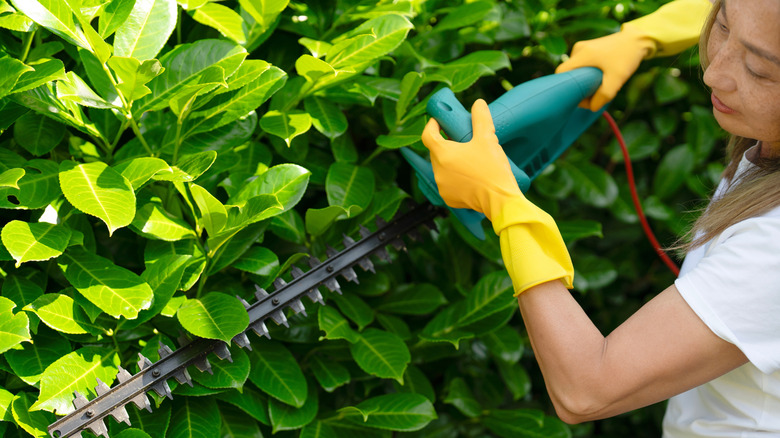
When burglar-proofing, there's a tendency for many people to try to keep large trees or hedges that hide their homes. The thought is that if a burglar can't see your home, they won't bother coming in your yard. This is a misconception, though. It turns out that having extremely large hedges or other plants against your home may have quite the opposite effect because they provide places for trespassers to easily hide.
Take a look around your yard from the perspective of a would-be thief to see if any of your plants are inadvertently creating hiding spots. As a rule of thumb, keep bushes to about 3 feet tall, and make sure any large trees and other plants stay clear of your home. In particular, hedges, as well as trees and shrubs, shouldn't conceal any doors and windows, including those that face the backyard. The University of Maryland Extension also recommends pruning residential hedges at least once a year to help them maintain their shape as well as their size. Following these steps also increases visibility so neighbors can spot any suspicious activity unobstructed. If you do keep tall hedges, the best spots are around the outer edge of your yard's perimeter instead, rather than right near your home.
Planting thorny bushes and hedges may also deter intruders
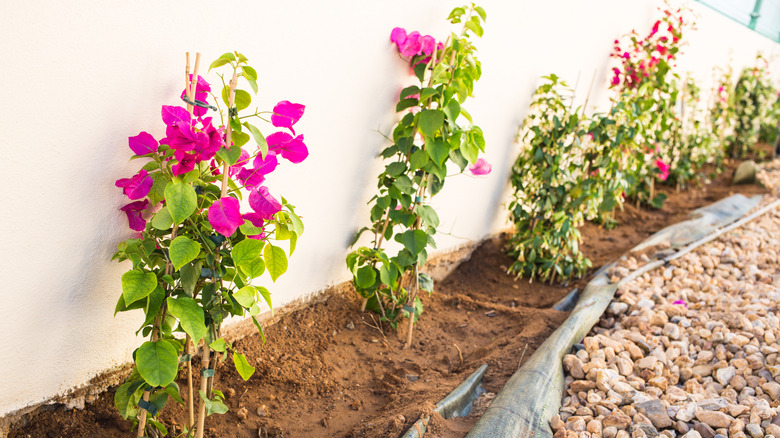
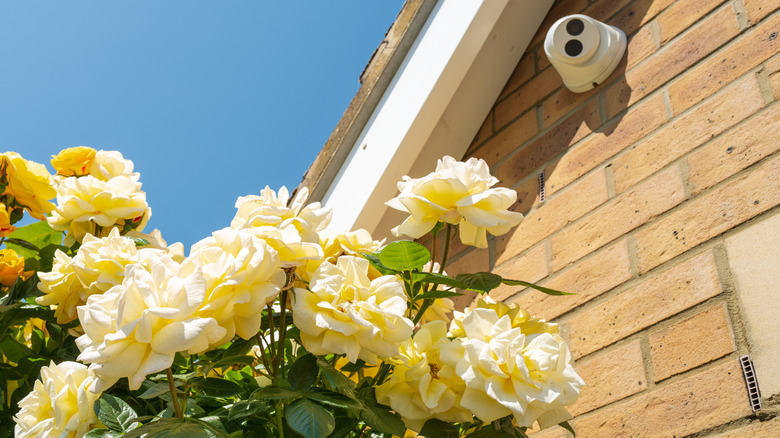
If you're looking for plants that might specifically help prevent burglars from accessing your backyard, consider those that have thorns. The idea behind this technique is to surprise a burglar with thorny stems when they brush up against these types of plants. It's also part of a concept the University of Maryland Extension aptly calls "defensive gardening." You don't have to sacrifice aesthetics to protect your home, though. Possible contenders donned in thorns include roses, barberry, and bougainvillea, and these also have their own landscaping appeal. Just make sure you leave thorny plants out of your compost pile,
A perimeter of thorny hedges is a good first step in deterring would-be trespassers from entering your yard. Since you shouldn't ever plant large bushes right up against your home, consider short thorny versions near access points instead. Small thorny bushes underneath your windows is a good starting point in helping to deter thieves from gaining entry. If you do use this burglar-proofing method, just be certain you wear appropriate gloves and long sleeves when pruning thorny hedges and bushes so you don't inadvertently hurt yourself. Try a pair of these long-gardening gloves from Slarmor to protect your arms and your hands.
Motion-activated sprinklers may startle trespassers
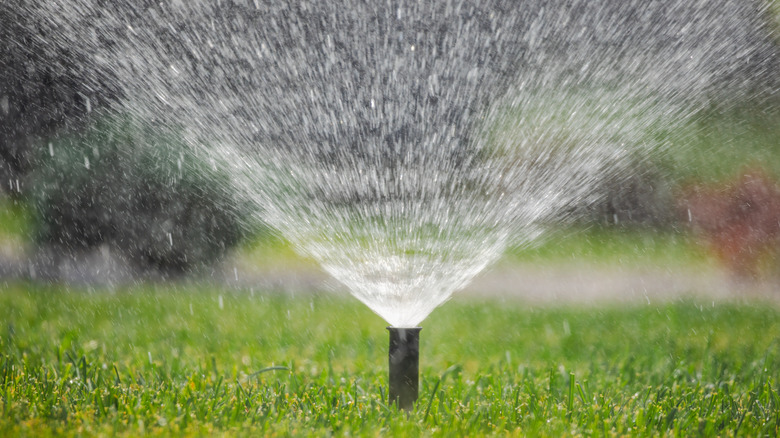
If you have the capacity for installing sprinklers around your yard, you should consider motion-activated versions. Like motion-activated lighting, these types of sprinklers rely on sensors. Once these sensors detect motion, they turn on and spray water. While long-advocated for wildlife control in yards and gardens, motion-activated sprinklers have the added benefit of startling trespassing humans, too. These types of sprinklers are relatively easy to install, and you don't necessarily need to hire an irrigation specialist. First, start with a good set of sprinklers that specifically have motion sensors. These X-octenol Motion Activated Sprinklers are a good starting point, and they're also equipped with light sensors to further startle trespassers who walk by. Like this brand, many versions are portable and allow for changes to the spray angle and coverage area for precision.
There are also different features to be aware of based on personal preferences, such as battery versus solar power. Many of these sprinklers are stand-alone units that need to be hooked up to a garden hose as their source of water, while others contain water tanks you refill as needed. As for placement, you should install them near entry points in your backyard, such as gates. Just be sure to warn your guests to avoid spots where sprinklers are installed.
Secure your backyard shed against possible theft
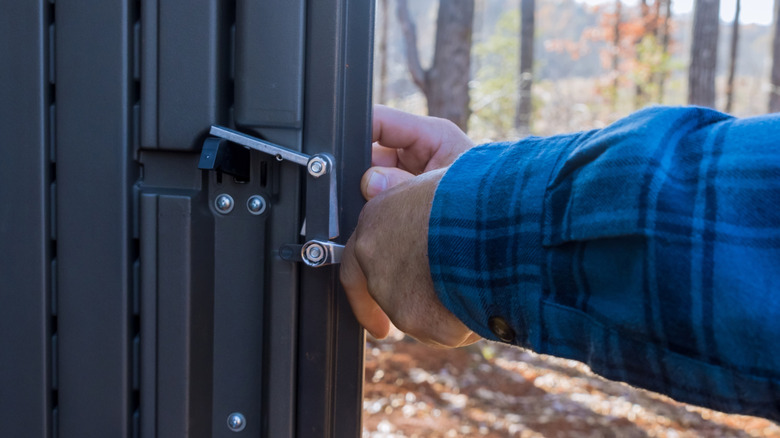
A shed can be a valuable asset to have in your backyard to help solve a lack of storage. Unfortunately, it's easy to take these spaces for granted, as many people don't think about locking them. In some cases, a burglar may be targeting what's stored in your shed, rather than trying to access the inside of your home. Some of the most commonly stolen items from sheds include garden and lawn care tools, bikes, and sporting equipment. It's even possible that a burglar might be trying to locate tools from the backyard shed to break into your home!
If you don't yet have a lock on your shed, now's the time to get one. It's also worth investing in a quality lock, rather than the flimsy ones that many sheds come with. A rim latch style is a good choice since the hardware is installed inside the shed and cannot be accessed easily. Deadbolts and padlocks are other, more secure styles you might consider as well. Once installed, always keep your shed closed and locked when not in use, and teach other members of your household to do the same. It's also worth placing your shed in a visible area where burglars cannot access it unnoticed by you or your neighbors.
Keep up with lawn care to help turn off intruders
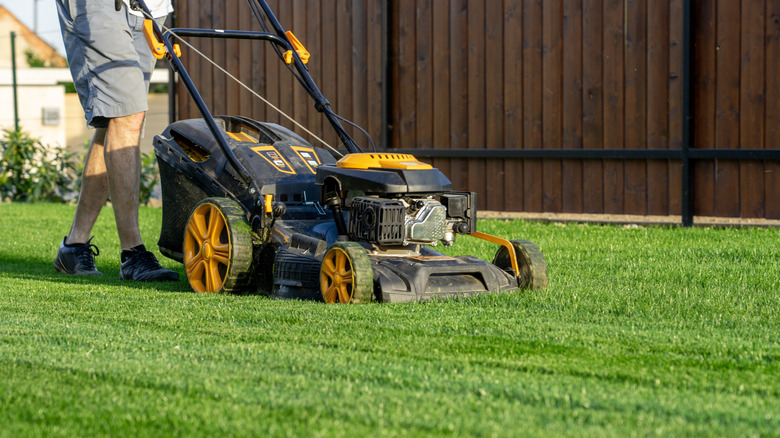
When it comes to deterring burglars, sometimes it's more about taking care of what you already have around your home, rather than having to add new items. Your lawn is a prime example. While regular lawn care is good for the health of your backyard more generally, it has the added benefit of sending a signal that your home isn't deserted. Overgrown grass, a lawn full of weeds, or several spots of dead turf can all make it seem like no one is home to tend to the lawn.
The best mowing frequency depends on the time of year, type of grass, and how much water the lawn gets from rainfall and supplemental irrigation. As a general rule, the University of Georgia Extension recommends mowing heights of between 1 and 3 inches. As an added benefit, this year-round effort will leave you and other members of your household wanting to actually use your backyard. Potential burglars who see this subsequent increase in activity may think twice about targeting your outdoor spaces. Realistically, there are also times when you genuinely might not be home due to vacations and business travel. If you actually are gone for an extended period of time, consider hiring a lawn maintenance company to keep things in check while you're gone. This can help make it less obvious that no one is home.
Don't leave your backyard looking abandoned
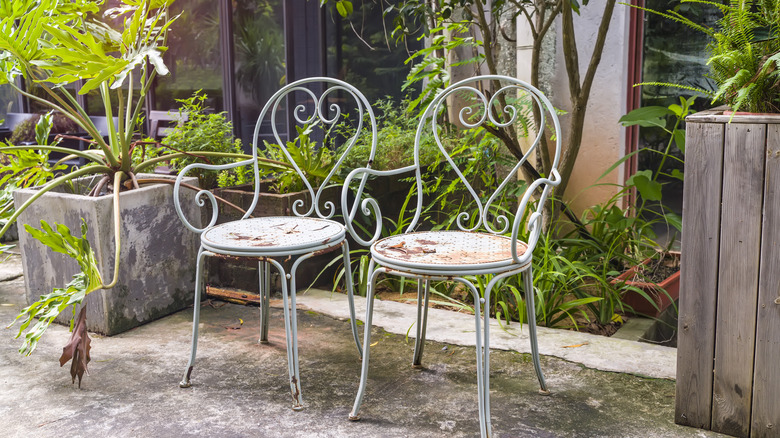
Take a look around your backyard: Do you have rusty furniture on a dirty patio? Are there sun-worn kids' toys or abandoned pet toys lying around the yard? Do some of your potted plants look like they've seen better days? These are all examples of ways your backyard might look abandoned and perhaps unaccounted for. From the eyes of a burglar, seeing these items around your backyard might lead them to believe you're not home, or even that you've been away for a while.
While it can be overwhelming to take on all the items on your outdoor to-do list, consider tackling the most pertinent ones making your backyard looking neglected first. Make a family habit of putting away toys after every use, and tidy up around the patio and yard at the end of each day. Cleaning up will also deter other unwanted visitors from your yard, such as pests. Dedicate a weekend at a time for larger cleaning jobs like restoring worn furniture and cleaning your patio like a pro. Also, if you're out of town, ask a trusted neighbor to check in and leave visible signs of human activity, such as footprints in the snow. In summer, a neighbor can also water plants you have around your yard and garden to help make it look like you're home.
Store away valuable yard items immediately after use
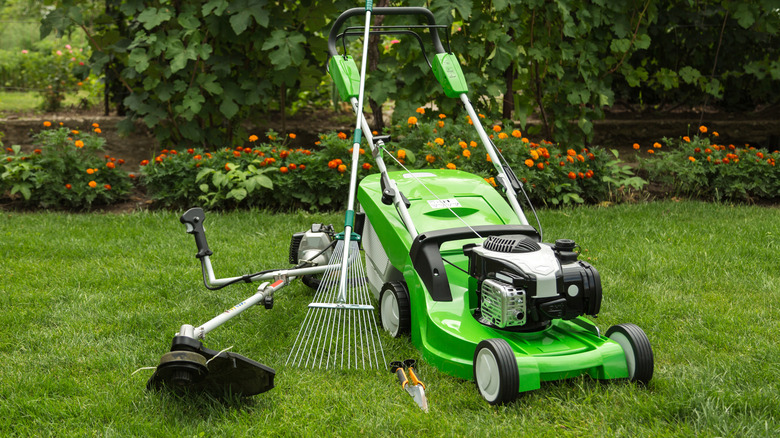
It's easy to assume that your backyard is a safe enough place to leave certain items before you get a chance to put them away. But just as you wouldn't leave valuables out unattended in the front part of your home, the same rule should apply to your backyard. You can save yourself money and heartbreak by storing valuables away from your yard before they capture the attention of thieves and turn your backyard into a target.
Items to avoid leaving out in the yard (especially over night) include bikes, mowing equipment, power tools, and elaborate children's toys. If you're done with the item take the time to store it back in a secure place, out of side of prying eyes. You don't want to inadvertently advertise what valuables you do have that a burglar might consider trying to steal at a later time. An enclosed garage, locked storage shed, or a tucked away bike rack with locks are all possible options.
Make an accessible sliding glass door more secure
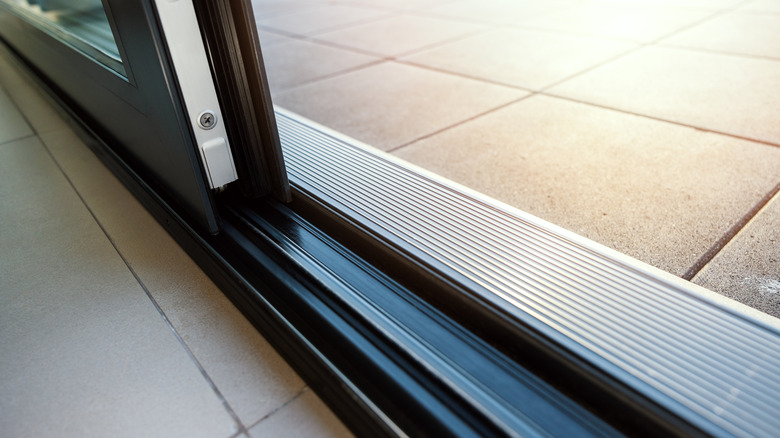
If your home, like many others, has a sliding glass door leading out onto a patio or deck, this can present a vulnerable point of entry within your backyard. Sliding doors are notoriously easy to break into. Firstly, the locks on many sliding glass doors are often quite flimsy, and some are easy to pick. Second, it's often possible to lift sliding doors right out of their frames with something like a crowbar. Finally, sliding glass door panels are typically constructed using tempered glass — which means they can be (conveniently) smashed without creating hazardous shards.
Consider modifications to your own sliding glass door to make this point of entry more secure. One option is to add a spacer at the top of the door that makes it harder to remove. Another idea is to add a pipe or thick stick into the bottom groove, so the door won't budge on the outside. You can also add a deadbolt to this type of door, which is far superior to the easily picked latch style lock. The Toughbolt Double Deadbolt is one example that can also be used as a child safety device. Finally, you can also create a safer home with a simple upgrade to your sliding glass door: Installing a shatterproof film to the outside of the door can help fortify this vulnerable entry point.