

Take The Stress Out Of Organizing Your Home With The ODT Declutter Method

When attempting to organize or declutter part of your home, do you rip everything out of a room and try to do it all at once? Or is your approach more coordinated? Getting in the mood to organize isn't always easy, and trying to do too much at once can lead to burnout and leave you with an even bigger mess. Decluttering takes a lot out of you mentally — and, depending on what you're decluttering, sometimes physically. Trying to handle a whole home is just not achievable, even for professional organizers. This is especially true when you find yourself stalling when making a decision. Thankfully, there's a better way to get your decluttering done that won't leave you feeling fried: the ODT method.
This cleaning style is designed to help reduce decision fatigue and feelings of overwhelm when decluttering. As the name suggests, you focus on making one decision at a time. Lifestyle writer Shifrah Combiths coined the term for the ODT — or one decision at a time — method in an article for Apartment Therapy. Basically, it involves choosing a single area, like a bin, shelf, drawer, or category, such as clothing, sports equipment, or those pasta sauce and jam jars you've been hoarding. Then you evaluate each item on its own merit, including where to put it or whether to keep it, one at a time. The process sounds tedious, but it actually streamlines an often overwhelming task.
How to use the ODT method to declutter your home

Thinking about keep-ability or location item by item turns a daunting task into something manageable and keeps you from stopping halfway through. The key to mastering the ODT method is handling one decision and problem at any given moment, including what you will do with something after you decide to keep it. Start by deciding which room or area you want to declutter first. Then go through all the stuff in that space and, one item at a time, decide whether you want to keep it or get rid of it. Review each item in your keep pile — again, one at a time — and decide where you want its permanent home to be. As you can see, it's really a decluttering method that can make the process go much more smoothly.
Let's use your kid's toys as an example. You have to consider not only which ones to keep and which to discard, but where to store the ones you still want in a way that makes them easier to clean up. Instead of trying to achieve all these aims at once, break the toys into categories like books, action figures, electronic toys ... Whatever is easiest and works for your child's specific collection. Choose a category, pick up a toy, make a decision on whether to keep it, and move onto the next toy in that category. Once that category is complete, move onto the next. When you know which toys you want to keep, the next step is deciding where to store them — again, one at a time.
Layer the ODT method with other decluttering strategies
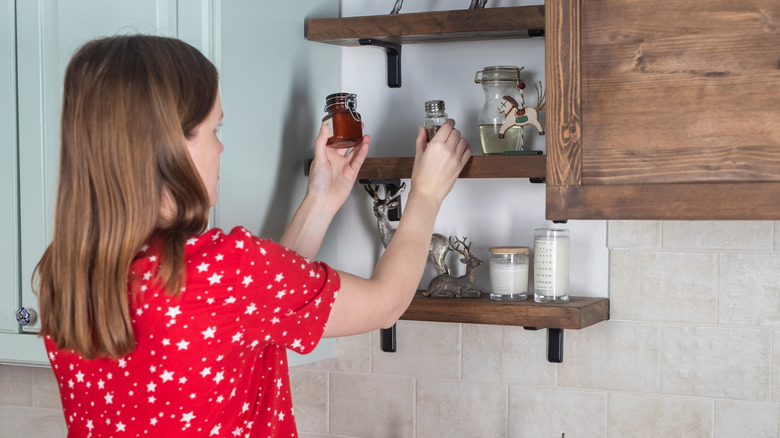
Another benefit of the ODT method is its flexibility. You can use it alongside other strategies that work best for decluttering your home, such as starting with an easy area and doing it in small bursts every day. Pair it with other proven organizational methods, such as Marie Kondo's suggestion to only keep items that spark joy, the long-term practice of Swedish death cleaning, or the ski-slope method, which involves breaking up a room into manageable triangles and corners. It's important, too, to stay in the spot you're reviewing items. If you're working on the clothes in your closet, don't be tempted to take that brand new roll of Scotch tape to your home office. Put it aside and deal with it later.
If just the thought of decluttering stresses you out or the job is particularly large, the ODT method also comes in handy. This method caters to everyone's needs, no matter how their mind works. It's helpful for anyone who's easily overwhelmed by decision fatigue or struggles to stay focused for long periods of time, such as people with ADHD. And once you've achieved the dream and created a clear, organized drawer, closet, room, or entire home, implement ways to help prevent clutter from accumulating. Donate what you don't need, invest in some organizational products, choose digital subscriptions, and say no to free stuff, among other strategies. You'll never have to declutter again!