

Does Your Home Qualify For The National Register Of Historic Places? Here's What To Know

Whether you inherited a property with tons of stories attached to it or you're renovating a charming fixer-upper, certain moments can make anyone wonder whether their home is just old or actually historic. Maybe you found a mysterious date scratched into a rafter while cleaning out your attic. Or perhaps an elderly neighbor casually mentioned that your floor plan is exactly like the ones she remembers from her childhood. Little clues here and there may nudge you toward an internet search that heads straight to the National Register of Historic Places. Whether your home qualifies for inclusion on the Register depends on its age, integrity, and significance.
The National Register of Historic Places is the National Park Service's list of buildings, sites, and districts deemed worthy of preservation in the United States. To qualify, a property typically needs to be at least 50 years old. It must also have most of its original features, meaning that if you bought a farmhouse with "good bones" only to completely gut it before embarking on a major renovation, you're probably out of luck. A home also needs to demonstrate some kind of historical, architectural, cultural, or archaeological significance. This can take many forms, from having a notable architect or resident associated with the property to a distinctive design or high level of craftsmanship that reflects a particular era, tradition, or technique. Understanding these basics is the first step to determining whether your home may be eligible. Before you move forward with the process, though, it's also essential to weigh the pros and cons and decide whether the benefits of recognition outweigh the responsibilities of inclusion on the Register.
Nominating a historic home and what happens next
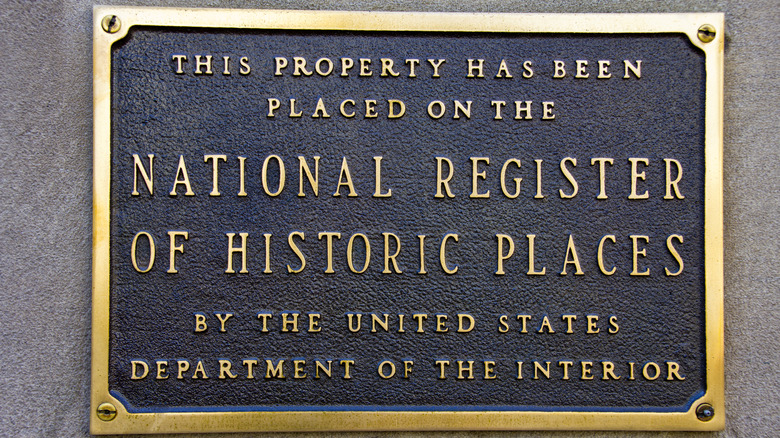
If your home might qualify for the National Register of Historic Places, you may be wondering why anyone would want to go through the effort to get it officially listed. For many homeowners, the appeal lies in recognition, preservation, and potential financial perks. Being listed formally acknowledges the historical and architectural significance of your home. More than just bragging rights at your next neighborhood block party, there may also be benefits like eligibility for tax credits and grants toward restoration work. Although there are many pros and cons of buying a historic house, having your property listed on the register may also help it sell for more.
The application process is surprisingly straightforward. After researching your home's history, you'll fill out a nomination form and submit it with photos and maps to your State Historic Preservation Office. If your state approves, the application will be sent on to the National Park Service for final consideration. There are no filing fees. Costs are generally limited to research and document preparation, but this can add up. Professional historians or architecture experts can help you prepare your application, but speaking with local librarians and historic societies first can help you keep expenses lower.
Of course, there are some trade-offs. Once listed, homeowners may face restrictions on alterations, especially if they want to remain eligible for grants or tax incentives. This can be a major factor if you're relying on those funds while renovating a historic home. Additionally, your property will stay on the radar of preservation groups that may have surprising expectations or scrutinize even minor cosmetic changes in ways you weren't anticipating.