

10 Spring Flowers You Can Start Growing Indoors In December
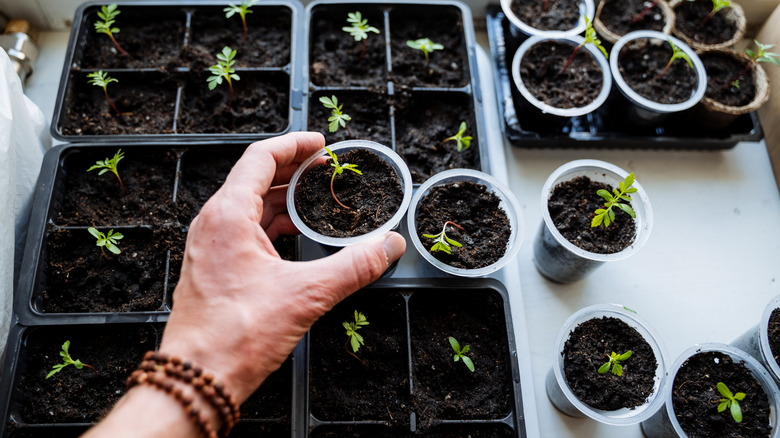
You may not be thinking about your garden in December. Between the long nights and gloomy days, it may feel as if spring will never come! But it will, and faster than you think. To get a head start on your spring garden and ensure that you have beautiful blooms as quickly as possible when the new year kicks in, it is a good idea to start certain flowers off indoors in December. Certain annuals, such as impatiens and geraniums, can be sown indoors before transplanting out once the threat of frost is over.
When starting annuals off indoors to transplant out in the spring, you need to ensure that the seedlings are getting at least 16 hours of light a day. Since natural light is less abundant in the winter, artificial lighting can be really useful to produce strong, healthy seedlings. Additionally, the soil should be kept moist for germination.
The best time to transplant your December seedlings into the garden depends on the species and your climate. However, it is essential to harden all seedlings off before planting them out to save them from transplant shock. Start the process a couple weeks before you aim to plant your flowers out, moving the seedlings out to a shady and protected spot during the day for two to three hours. Then, gradually increase the amount of time they spend outdoors and the sunlight they receive.
Lobelia
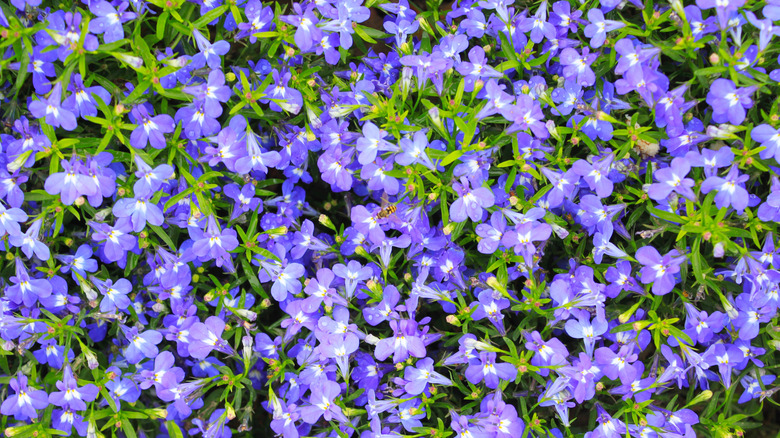
Although lobelia (Lobelia erinus) is technically a perennial, it is only winter hardy in USDA Hardiness Zones 10 and 11, so many gardeners choose to grow it as an annual. With its striking blue blooms that come in trailing varieties, lobelias are perfect flowers for hanging baskets. They should be started indoors eight to 10 weeks before the last frost, which may be around December, depending on your climate. They tend to bloom profusely in cooler spring weather, but can decline once warmer weather arrives.
Geranium
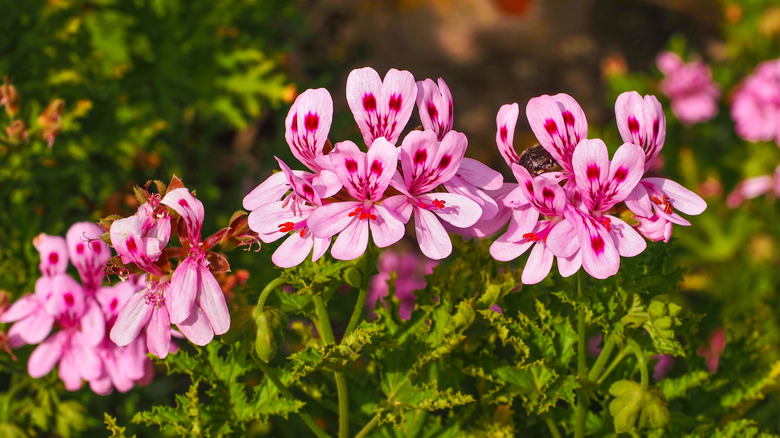
Easy to grow with beautiful, bright blooms, tender geraniums (Pelargonium spp.) are a joy to have in any garden. If you have forgotten to overwinter your dormant geraniums from last season, you can start off new plants indoors in December to transplant once the threat of frost has passed. Geraniums will germinate at a temperature of around 75 degrees Fahrenheit in a porous and sterile medium. Once the seedlings are strong, you can move them to bigger containers and start adding fertilizer. Ensure that the soil does not dry out during this time.
Petunia
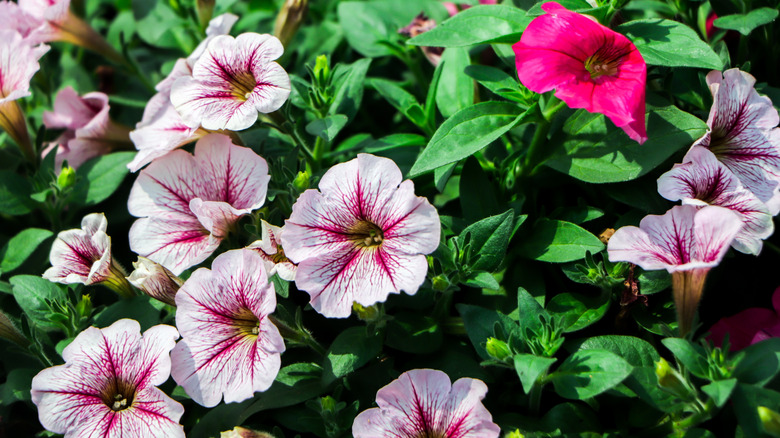
Petunias (Petunia × hybrida) can be started indoors in late winter, around 10 weeks before you intend to plant them out. The seeds of petunias are tiny, so you will need to take your time when hand-sowing them and make sure the seeds actually reach the soil! You can get pelleted petunia seeds that make sowing easier. Petunia seeds need light to germinate, so spread them on top of the soil and do not bury them. Cover the seeds with a plastic dome or sheet and keep them in a warm location with bright, indirect light.
Pansy
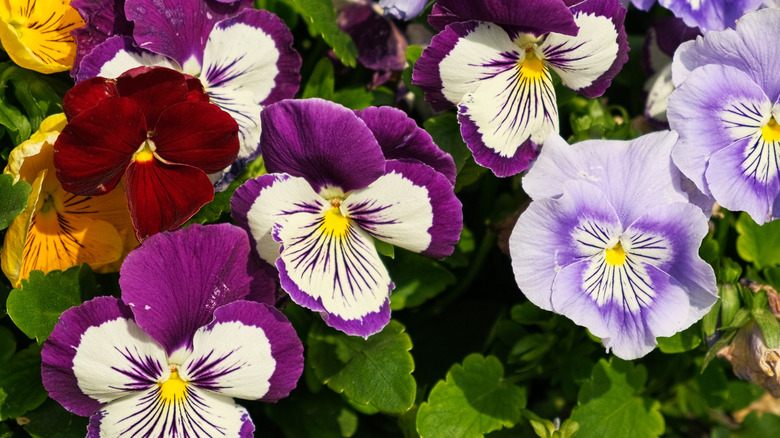
With their long blooming time and unique color variations, pansies (Viola x wittrockiana) are a brilliant spring flower to start indoors. The seeds germinate well in darkness and in temperatures of around 70 degrees Fahrenheit, usually between 10 and 20 days after sowing. Once they have sprouted, you can move them to a spot with bright, indirect sunlight. When your pansy seedlings have a set of leaves, they can then be placed in a location with full sun. Your seedlings will be ready to plant outside when they have three or four sets of leaves.
Sweet pea
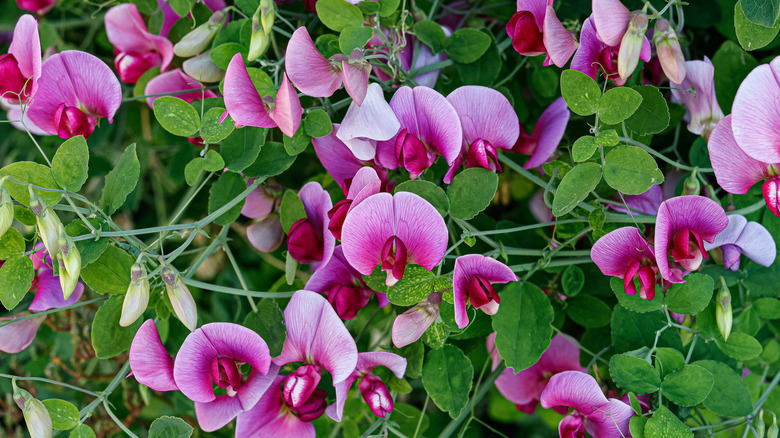
Sweet peas (Lathyrus odoratus) bloom in beautiful pastel shades, bringing a whimsical, cottagecore feel to your garden. As climbing plants, it is always amazing to watch them grow and curl around trellices and fences. You can start these flowers off indoors for a spring bloom, sowing them six to eight weeks before the last frost. They will usually begin to bloom in mid-spring and carry on into the summer months. However, in warmer climates, they will start to suffer in the heat and may need to be removed.
Stock
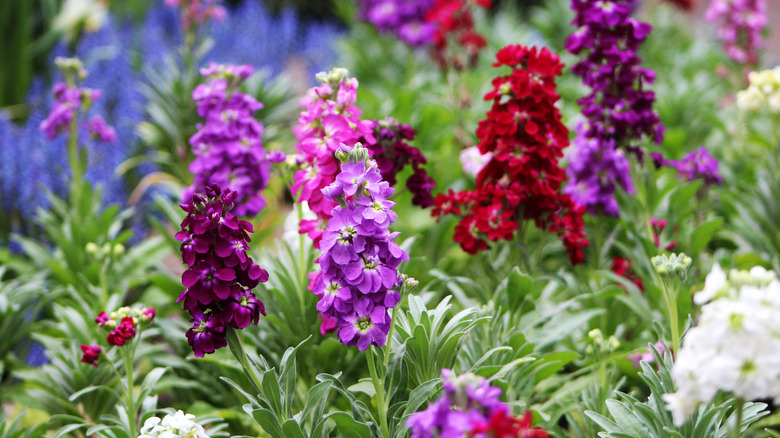
With iconic spiky stems covered in gorgeous blooms, stocks (Matthiola incana) are a brilliant spring garden addition that are beloved by expert and beginner gardeners alike. You can grow stocks from seed by starting them indoors in December, or about eight to 10 weeks before you plan on transplanting them. They germinate best at temperatures of 65 to 75 degrees Fahrenheit and take seven to 14 days to germinate. Your stock flowers will begin to bloom around May and carry on until the summer, when the heat causes them to decline.
Impatiens
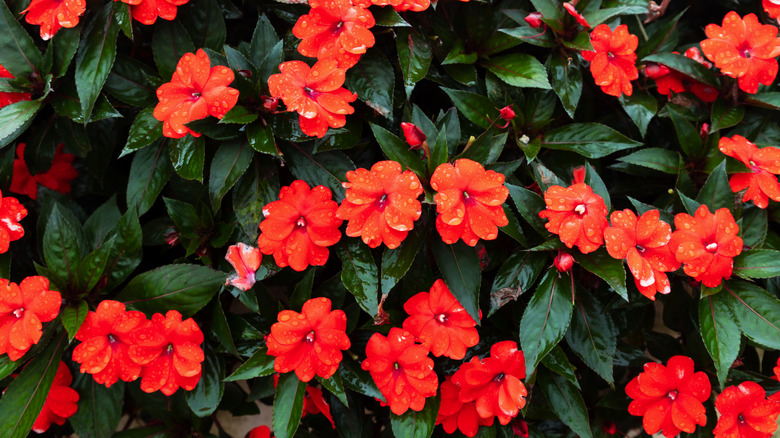
Easy to look after with consistent bright blooms, impatiens (Impatiens walleriana) are a great choice of flower to start indoors for a spring show. As it can take impatiens several months to bloom when grown from seed, starting them in December gives them enough time to get strong and healthy for flowering. You can transplant the seedlings to their permanent home once the threat of frost has passed. However, be aware that these flowers are tropical and will suffer in colder weather, so they must be removed or brought indoors next winter.
Calendula
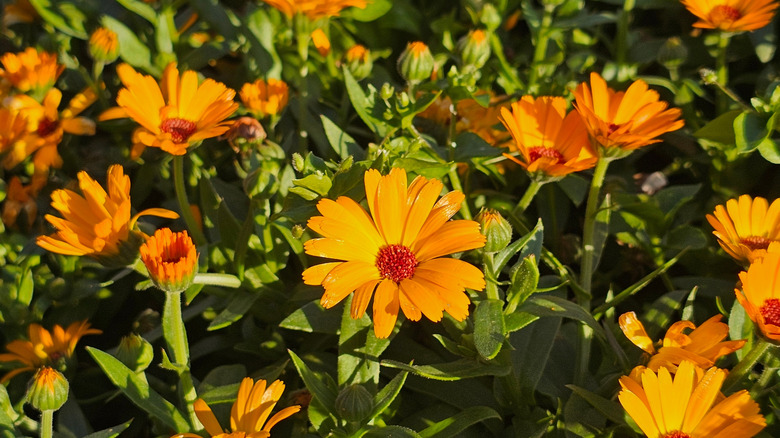
Calendulas (Calendula officinalis) are popular spring flowers that brighten up the season with their sunny orange and yellow blooms. You can start them off indoors during the winter months to ensure that they are ready to be planted out after the threat of frost. These flowers need darkness to germinate, so completely cover them with potting soil when sowing. Once they have germinated, you can place them under a bright light to promote healthy growth. When planting them out, space them 6 to 18 inches apart to give them enough space to flourish.
Sweet alyssum
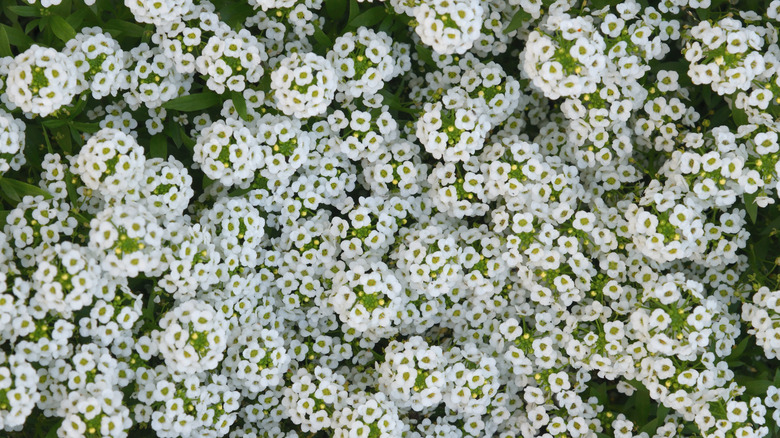
You can sow sweet alyssum (Lobularia maritima) from late fall until spring. However, for an early spring bloom, you can start them indoors five to six weeks before the last frost date. These flowers grow easily from seed and often start blooming six to eight weeks after sowing. When sowing your sweet alyssums, ensure the seeds aren't covered all the way, as they need light to germinate. Your transplants can go outside before the last frost, as long as they have been hardened off. Once they have started flowering, your sweet alyssums may continue to provide beauty throughout the growing season.
Snapdragon
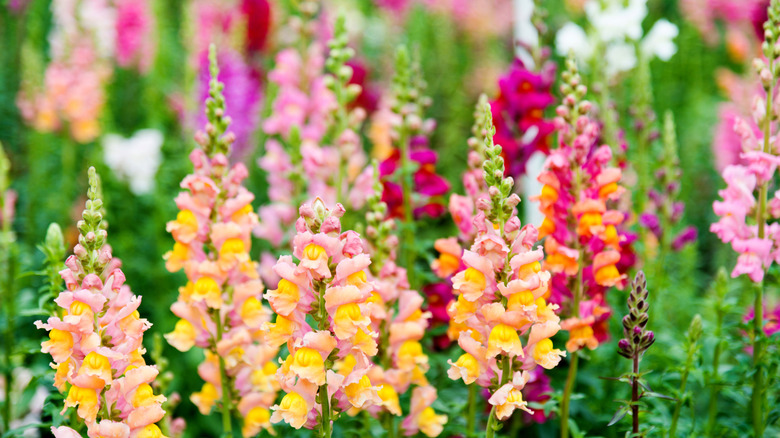
Snapdragons (Antirrhinum majus) are spring-blooming and can tolerate cold temperatures and frost, making them a great flower to start in December, even if you live in a colder climate. When starting them indoors, cover the seeds lightly with vermiculite to maintain moisture, but ensure that light can still get to them. Snapdragon seeds should be kept at 70 to 75 degrees Fahrenheit and will take around seven to 14 days to germinate. Around three to four weeks after sowing, their true leaves will start to form, which means that you can transplant them.