

The Planting Tip That Can Help Your Ginger Plant Grow Faster
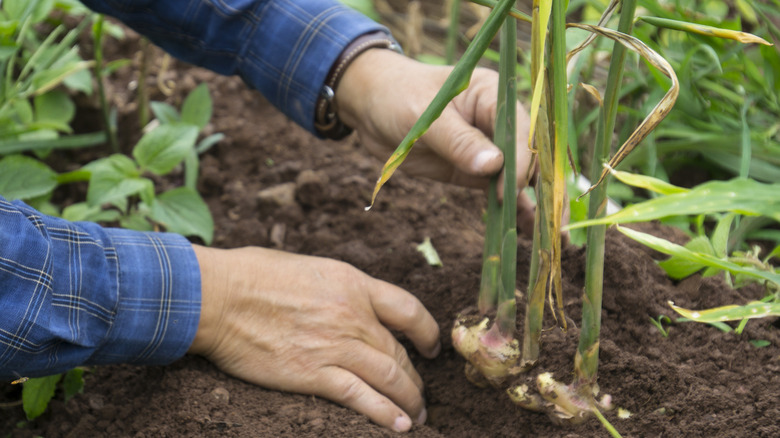
One planting tip can help your ginger (Zingiber officinale) grow faster before its rhizomes ever hit soil, and it starts with how you prepare it. Ginger comes from a tropical, humid environment and grows from thick rhizomes that only sprout when conditions are warm enough to wake them from dormancy. Gardeners may struggle with slow growth when ginger is just starting, but you can overcome this by soaking and sprouting the rhizomes indoors.
You can grow ginger from a piece of ginger, but here's what you should know: Ginger rhizomes can be purchased from a nursery or a grocery store, though some grocery-store pieces may be treated with growth inhibitors that prevent sprouting. Look for plump sections with several nodules where new growth is already trying to emerge. Rhizomes can be planted whole or divided into sections with at least two eyes, but any cuts must be allowed to callus before planting to prevent rot.
Once you have viable pieces, encourage early growth by sprouting them indoors in late winter or early spring. This time — around six to eight weeks before the last frost — gives ginger a head start on the long time it needs to mature. Because ginger only grows when the soil is warm, sprouting indoors helps bridge the gap between cool spring weather and the heat it prefers. The process depends on warmth, moisture, and careful handling, but when done well, the plants establish more quickly once moved into containers or garden beds.
How soaking ginger in water helps it grow
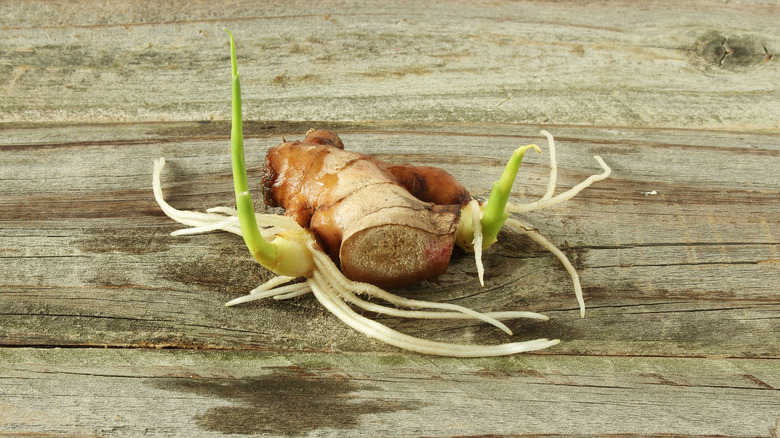
Ginger grows well when soaked in warm water because it jump-starts the rhizome out of dormancy. Newly purchased ginger can be inhibited and slow to respond. This is particularly true when the rhizomes come from stores because they may have been treated to prevent premature sprouting. An overnight soak rehydrates the tissue, making it easier for the plant to begin producing roots and shoots. If you want to grow ginger indoors for year-round harvests, or move it outdoors, early sprouting is important because ginger grows only when soil temperatures stay above 68 degrees Fahrenheit.
After soaking, place your ginger rhizomes in shallow containers filled with loose, well-draining soil and keep in a warm place — between 70 and 80 degrees Fahrenheit — to encourage bud development. Sprouting indoors, six to eight weeks before the last frost, gives ginger time to form shoots before it's exposed to outdoor conditions. Watering should be light at first to prevent rot, but consistent once top growth emerges.
Once the sprouts are established, plant them in wide containers filled with rich, well-draining potting soil. One of the most common mistakes everyone makes when growing ginger is not giving it the right amount of space — ginger grows horizontally, so it needs a wider pot. As the weather warms, you can slowly move the plants outdoors, and keeping them in pots gives you the option to move them back inside when temperatures drop below 50 degrees Fahrenheit.