

9 Everyday Habits For A Clean & Maintained Garden
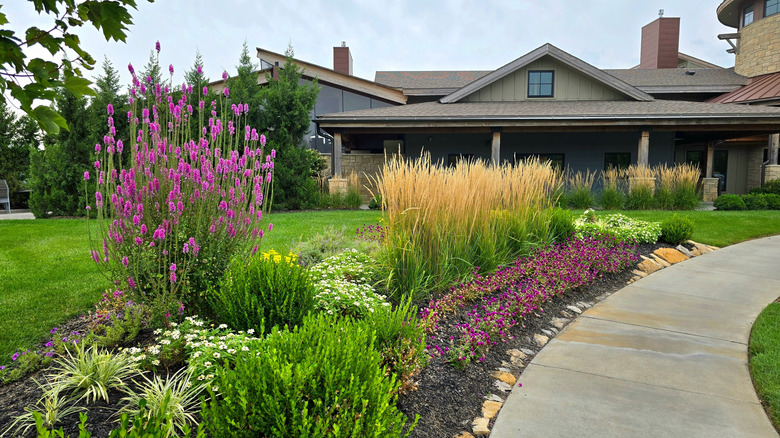
Garden maintenance. You either love it or hate it, right? Some people thrive spending hours in the yard, picking at the weeds and inspecting perennials. Others see it as another chore on their long to-do list. However, whether you are a garden maintenance lover, hater, or land somewhere between, incorporating daily habits into your routine can keep your garden looking sharp and clean throughout the seasons. By doing little bits every day and keeping on top of your yard, you can make sure your flowers and trees are healthy and your green sanctuary is as beautiful as it can be.
Of course, certain garden maintenance tasks, such as division and fertilizing, only really need to be done once or twice a year. But others, such as pulling weeds and deadheading, can be done regularly. By doing these small, simple tasks every day, those big, seasonal clean-up and planting days are not as hectic.
Watering plants
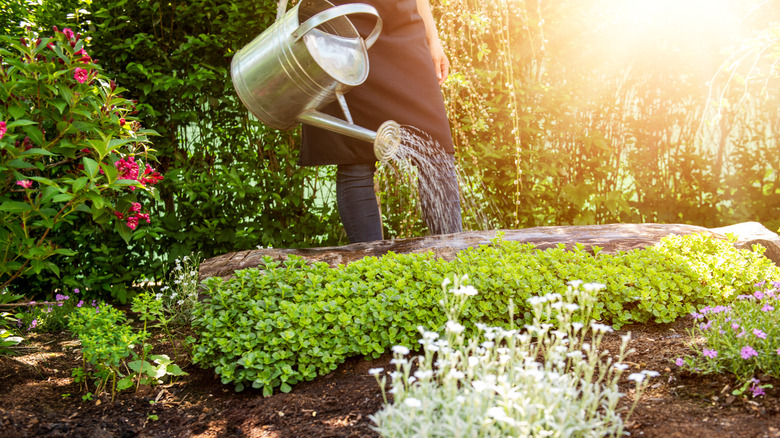
One of the most important and regular gardening jobs is watering. Every day, take a look at the soil in your yard while considering the needs of the plants you have. If you have plants that like to be kept moist, check the soil with your finger. If it is dry, water the root zone thoroughly. You should also check your plants for signs of overwatering and underwatering daily to make sure that your routine is working for them. When watering your plants, try to do so in the morning, as this allows the foliage to dry quickly.
Pull small weeds
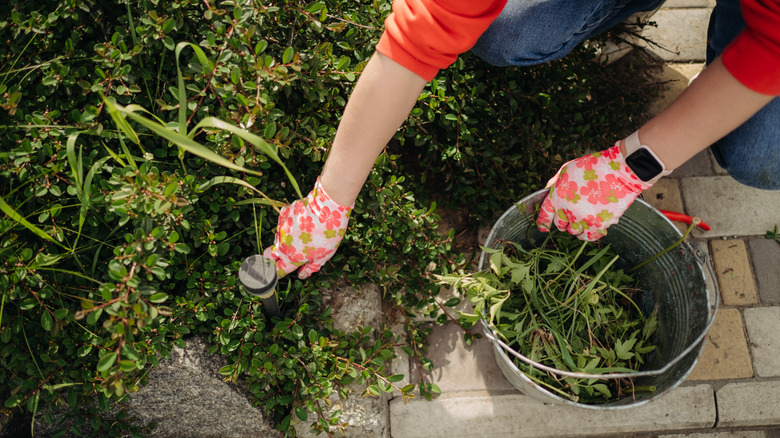
Weeds are much easier to control when they are small seedlings, so incorporate the hand-pulling of weeds into your daily gardening routine. Annual weeds can produce loads of seeds when established. Pulling them out before they have a chance to settle in can mean that there is much less work to do in the future. Furthermore, a lot of perennial weeds need to be pulled straight away because their roots and rhizomes can become tough to remove. When hand pulling weeds, ensure that no parts of the plant remain.
Deadhead spent blooms
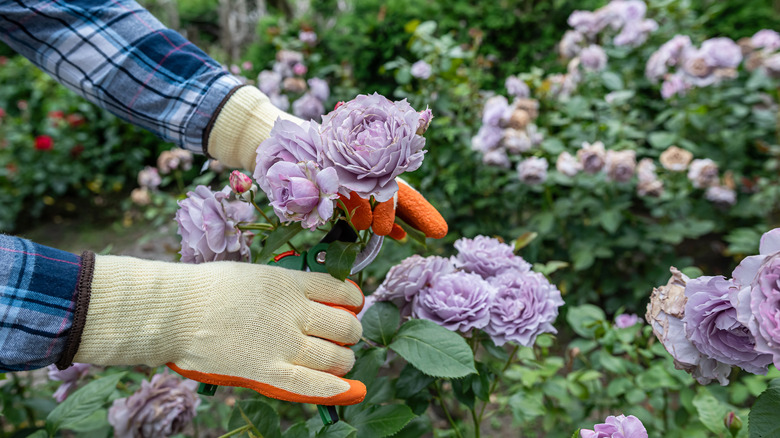
Keeping on top of your deadheading by checking over your flowers every day and removing blooms that have turned allows you to keep your yard looking clean and tidy. Furthermore, deadheading can cause certain plants to bloom again, and reduce the chances of flower seeds spreading and establishing themselves in areas you don't want them to. When deadheading the flowers in your yard, cut back turned blooms to a lateral bud or leaf, and dispose of the bud or harvest the seeds for replanting in the following year.
Inspect for pests and disease
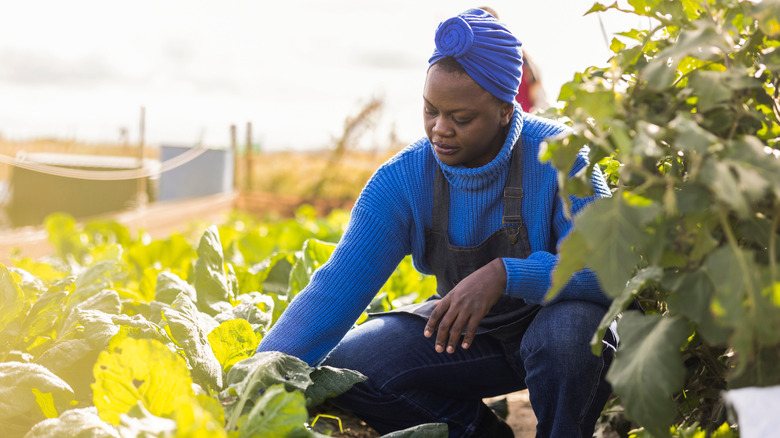
A pest infestation or disease outbreak in your garden can become extremely destructive very quickly. By checking the leaves and flowers of your plants daily, you are able to swiftly take control of any issues before they become a major problem. However, it is essential to know what you are looking for and how you can treat outbreaks in your garden. Common signs that you have a pest or disease problem include malformed or spotted plant parts, damaged leaves and stems, frequent insects, and areas of dying or less vigorous plants.
Sweep paths and rake gravel
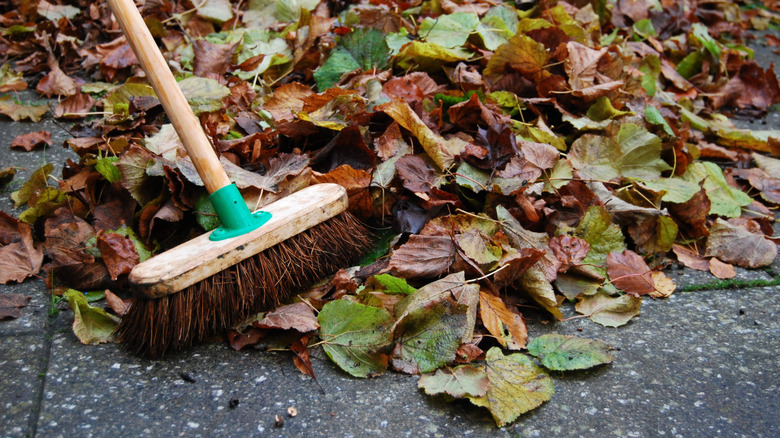
Keeping on top of the leaves gathering up on your paths doesn't just improve the appearance of your yard — it can also help reduce the growth of moss, algae, and lichens. Lichen, moss, and algae tend to grow quickly in damp, shady conditions, and paths covered in leaves can be the perfect environment for them to flourish. By sweeping the leaves off your paths, you are able to keep them dry and fresh. Raking your gravel regularly can also prevent an influx of moss, lichen, and algae.
Compost small debris
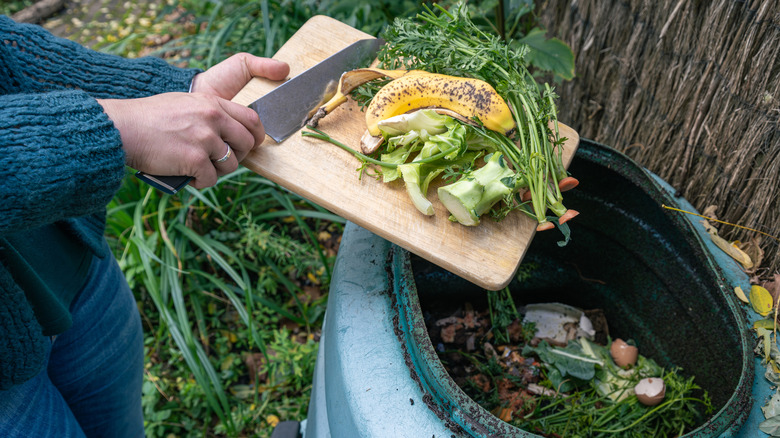
Compost is a useful tool. It enriches the soil with nutrients and organic matter when applied, and it is totally free when you make it yourself! A great daily habit is inspecting your garden beds, paths, and patio area, and picking up any organic matter that can be used in the compost. You may also wish to bring out your home waste every day to add to your compost. There are loads of compost ingredients you likely have at home that may usually go in the main waste bin, such as banana peels, teabags, and shredded paper.
Remove dead or damaged leaves
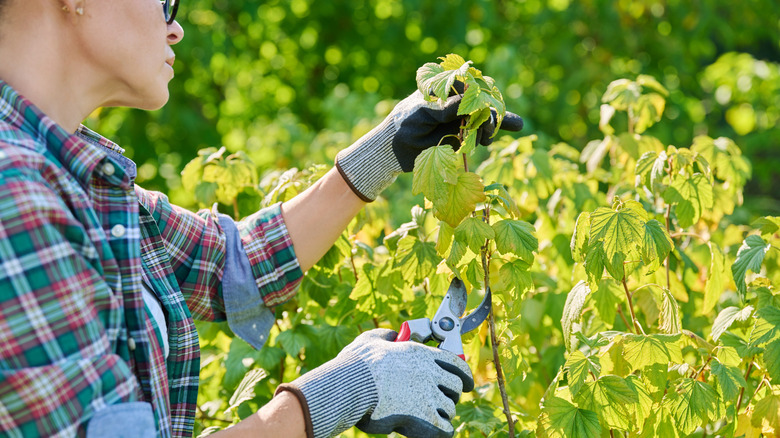
If you want to avoid the big seasonal tidy-ups, keeping on top of the pruning of dead or damaged leaves by checking your plants daily is a great idea. Take a look at your shrubs and trees and cut off any leaves or flowers that look unhappy. This will keep your garden looking good while also helping your plants focus their energy on creating new growth. However, be mindful when pruning regularly, as overpruning can cause your trees and plants to be less healthy and stable.
Harvest ripe products

Harvesting ripe products is probably the most rewarding daily task for gardeners! If you have fruit and vegetable crops in your garden, check them every day to see if they are ready to pick. Some vegetables, such as sweetcorn, have a limited harvesting time, and the taste and quality of them will suffer if they are left on the plant for too long. The ripening and harvesting of each crop is different, so make sure you know what ripeness looks like for every plant you have in your yard.
Clean your tools
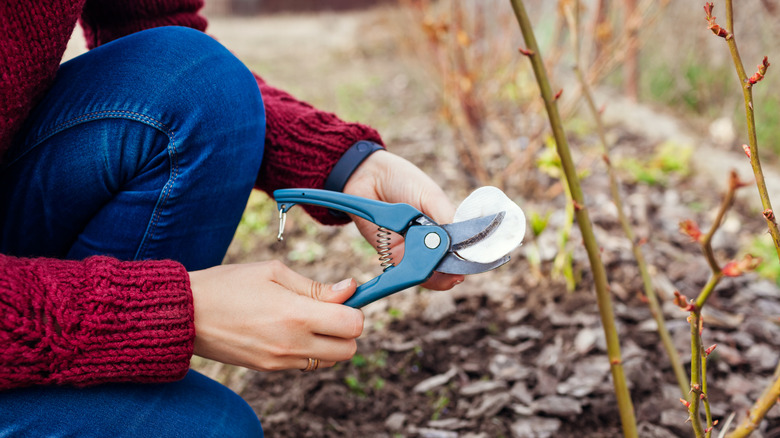
Some of your daily gardening tasks, such as pruning and deadheading, will involve the use of tools. After using them, make sure to clean and dry them before storing. Soil, sap, and moisture left on your garden tools can cause rust, so wipe them down and lightly oil metal surfaces with a lubricant. You should also store and organize your garden tools away from the elements, such as in a shed or garage. Leaving them outside can cause damage. Plus, a good storage system makes your tools easier to find and use.