

Legality Issues You Need To Be Aware Of When Dealing With Groundhogs
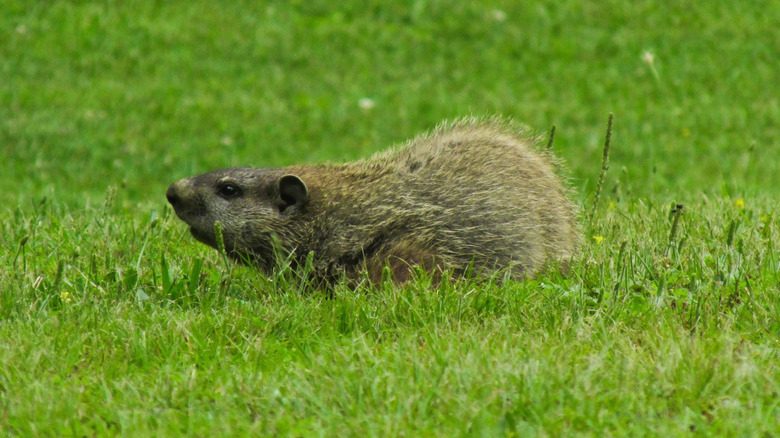
Seeing groundhogs on your property can undoubtedly make your heart sink. Also called "woodchucks," these large rodents are known for their extensive burrowing activities that can quickly tear up a yard or garden. According to the University of Maryland Extension, groundhogs can dig up to 5 feet into the ground, and the resulting tunnels can extend out to between 8 and 66 feet long. Groundhogs also have an affinity for a variety of plants to fulfill their mostly vegetarian diets. If you've tried keeping groundhogs out of your yard with a few natural ingredients to no avail, you might wonder if it's time to deploy more surefire measures against the creatures that are destroying your yard. Not so fast, though — there are numerous legal issues to know about before you try to destroy or physically relocate groundhogs from your property. These may involve permitting issues, licensing, and other laws that can vary based on where you live.
The potential property damage groundhogs can create is certainly no joke, and it can get out of hand quickly. Severe issues can even damage your home's foundation. Unfortunately, even if you're dealing with groundhogs on your own property, there are laws you'll have to abide by. Some regions consider groundhogs as game that can be hunted, but you will still need the proper permits and licensing to go this route. Some states do not require permits to live-trap these rodents, but you cannot simply let them loose onto someone else's property, either. It's also not legal to use chemical poisons in some areas, nor is it safe.
How to legally deal with groundhogs on your property
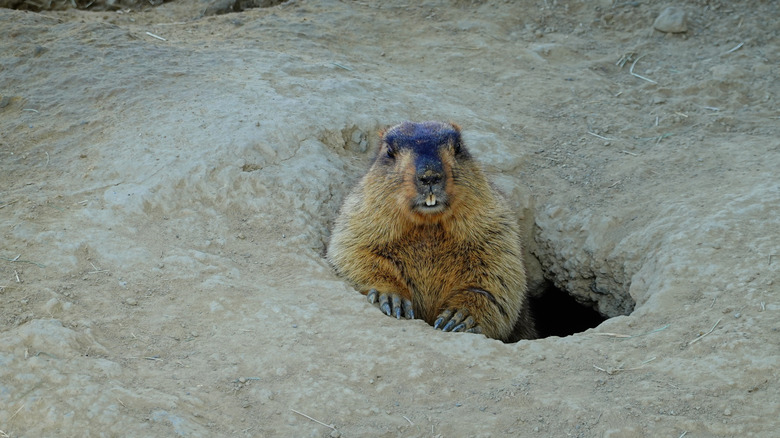
Once these aptly named creatures have decided to raid your property, they can be difficult to get rid of. If you suspect you have groundhogs digging around your yard, you might consider contacting a professional pest control company instead of doing pest control yourself. They will know the laws in your area and the best ways to handle these large rodents before they create more destruction. Another option is to reach out to your state's Department of Natural Resources for advice and to confirm the legality of different options. They can tell you what you can do to address groundhogs on your property, and they may even connect you with a control agent who may assess damages. In some cases, the agent might set a trap and come back to remove the groundhog.
After you've worked with the proper resources to deal with groundhogs around your yard and garden, take another look to make sure you have as many deterrents as possible in place. These include exclusion fences for groundhogs, as well as planting items they don't like, such as ornamental onions, lavender, and daffodils. Remove old tree stumps you have around your property, as groundhogs use them for teeth grinding purposes. You might also want to consider other helpful ways to keep groundhogs out of your garden. While not completely foolproof, these methods may collectively make your property a little less groundhog friendly.