

Make Sure Your Chimney Isn't A Fire Hazard This Winter
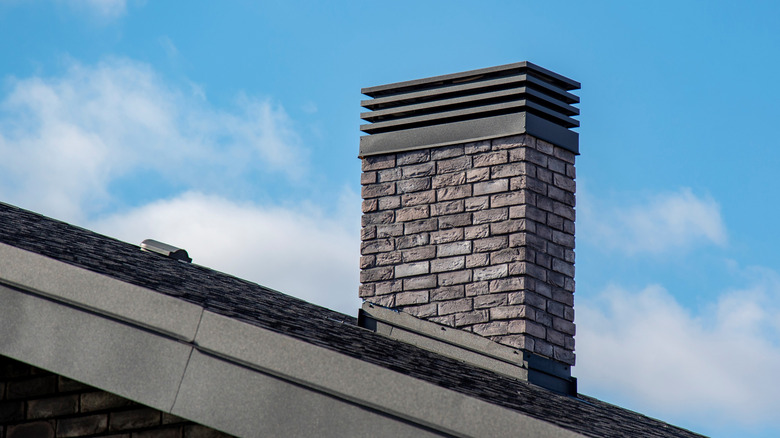
On a cold winter day, being able to sit next to a blazing fire is an enjoyable, relaxing experience, whether you like the warmth, the bright dancing flames, or the cozy crackle of the wood. It's only truly relaxing, though, if you know that your fireplace and chimney are safe to use. Poor chimney maintenance is responsible for more than 25,000 residential building fires in the United States each year, according to The Chimney Safety Institute of America (CSIA), making proper preparation vital before your fireplace's first use.
You should take a few steps throughout the year to help with chimney safety. Whether you only use the fireplace once a year during the holidays or burn wood regularly to help with warming your home, maintenance, inspections, and cleanings from professionals are important. An annual inspection (with a cleaning) from an expert chimney sweep before you use your fireplace can help you identify flammable creosote buildup, liner cracks, obstructions, and other issues that could let carbon monoxide or an uncontrolled fire enter the home. Without taking care of the chimney, you won't be able to use it safely to create a warm and cozy atmosphere. While you could still decorate the fireplace like a professional to ensure that it looks great, it's far more enjoyable to be able to both dress it up and use it as intended when the winter temperatures drop.
Why chimneys might catch on fire without maintenance
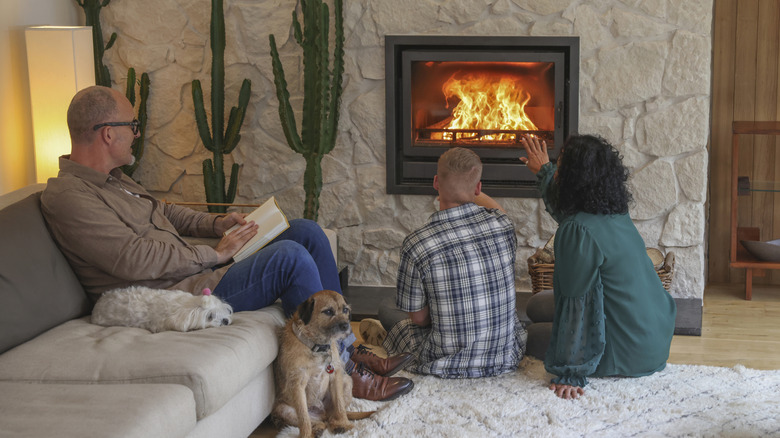
The most common cause of a chimney fire is a buildup of creosote, a dark substance that adheres to the interior of the chimney. If the wood does not burn completely, some of the oils in the wood travel up the chimney as part of the smoke. They may cool as they rise, clinging to water and other chemicals on the interior of the chimney, eventually creating creosote. When allowed to accumulate, creosote will become harder, tar-like, and more difficult to remove. Buildups of creosote are possible even if you rarely use the chimney.
Creosote is highly flammable. Even a thin layer can combust when the temperature inside the chimney surpasses the ignition point of the creosote, which is much lower than the firewood's ignition point. With a spark or flame available, creosote could catch on fire at 165 degrees Fahrenheit, while its auto-ignition point is 451 degrees. It's not unusual for the interior of a chimney to reach 200 to 600 degrees during normal operation as the heat, gasses, and smoke rise out of the firebox.
Another potential cause of these fires is a blocked flue. The flue is the open section on the interior of the chimney that allows hot air and smoke to rise. Creosote buildup can block a flue, as could animal nests at the top of the flue, a damaged chimney cap, or physical damage inside the flue. Contaminants created during the wood-burning process cannot escape when the flue is blocked, increasing the risk of starting a fire.
How to reduce or eliminate your risk of a chimney fire
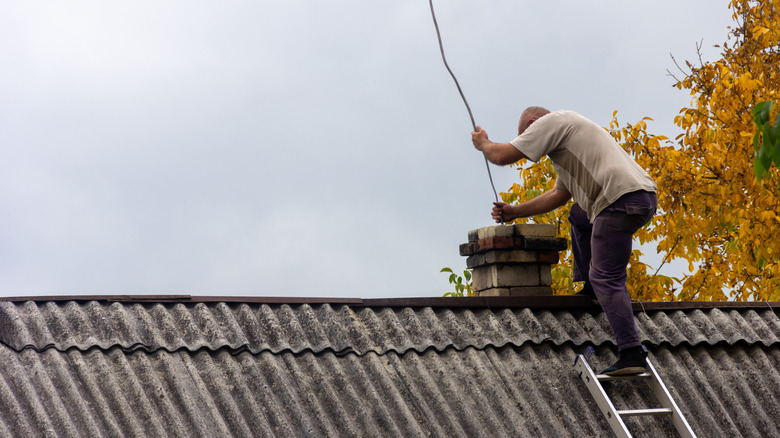
The first step in preparing your chimney for winter use and to prevent a fire is to schedule a professional inspection and cleaning. The right professional for this work is a chimney sweep, who is trained to clean soot and creosote buildup, inspect the chimney for damage, and make minor repairs. The CSIA certifies chimney sweeps, so you should make sure that anyone you hire holds the necessary credentials.
The cost of getting your chimney cleaned averages around $250. Larger buildups of creosote inside the chimney will take longer for the professional to clean, meaning you may pay more if it's been a long time since you had a cleaning done. These professionals are busiest in the fall and winter, so you may want to hire one in the summer to potentially pay less and have an easier time getting an appointment. Chimneys should receive inspections and cleaning at least once a year.
Homeowners can clean chimneys themselves, but it's often difficult work. You'll need the right tools, including brushes that match the diameter of the flue. You'll have to climb on the roof to remove the cap, which might be tricky for some homeowners to do. If you try to clean it yourself and fail, or if you don't do maintenance often enough, and you eventually have a house fire that starts in the chimney, your insurance company might not approve your claim. If you have at least ⅛-inch of creosote buildup inside the flue, you should call a professional instead of DIY-ing the work.