

What Is A MERV Rating? (& What It Says About Your HVAC System Air Filter)
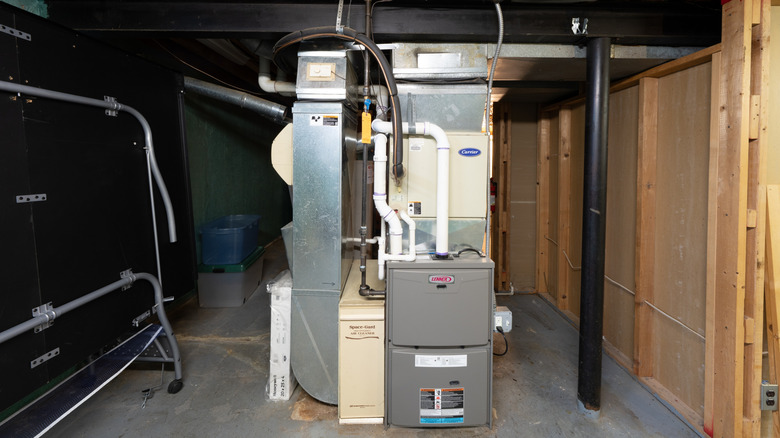
A big factor in good indoor air quality is installing the right air filter. That simple component of your HVAC system plays a far bigger role in a home's comfort and health than many people realize. Knowing how often to change your air filters can help your HVAC system run smoothly, lower your power bills, protect the equipment from strain, and keep everyday household debris from circulating through your home. However, choosing the right air filter can be a little tricky. That's where the MERV rating comes in. MERV, short for Minimum Efficiency Reporting Value, tells you how effectively a filter can trap particles of different sizes. These ratings help homeowners compare filters and choose one that not only improves indoor air quality but also supports the system's performance rather than hindering or possibly harming it.
Because MERV ratings reflect how much filtration resistance a system must work against, they also offer important clues about what your HVAC unit can realistically handle. Buying filters with a higher MERV rating than necessary is one of those mistakes that everyone makes when buying air filters. Buying high-efficiency filters may sound appealing, but if they're too restrictive for your system, they can force it to work harder than it was designed to, reducing airflow, driving up energy use, and even leading to premature wear and tear. Filters with higher MERV ratings are also more expensive and need to be changed more frequently.
Instead, matching the right MERV rating to your HVAC's specifications is essential, and your owner's manual, manufacturer's website, or advice from a professional technician can help you pinpoint the safest range. With the proper filter in place, you'll get the ideal balance of clean air and efficient performance.
Basic level filters have no significant effect on air quality

Filters with MERV ratings from 1 to 4 are the most basic and provide the least amount of filtration. These filters are typically the least expensive and are mostly intended to protect the HVAC equipment itself by capturing larger particles like dust and lint that could settle inside the system. Homeowners with older HVAC units, window units, or systems that can't handle much airflow resistance often rely on these lower-rated filters because they allow for maximum airflow with very little strain on the blower motor. While they aren't a good choice for improving your air quality in the home, they can be adequate when the priority is simply keeping the system running smoothly and avoiding airflow issues in equipment not built for higher-efficiency filters.
MERV 5 to 8 rated filters offer a noticeable step up in performance while still maintaining compatibility with many residential HVAC systems. If your goal is to improve air quality, don't choose a filter any lower than MERV 5 to 8. These filters can capture smaller particles such as mold spores, pet dander, and fine dust, making them a popular choice for households that want better air quality without overloading the system. Many mid-range or newer HVAC units are specifically designed to work with filters in the MERV 5 to 8 category because they provide a nice balance between filtration and airflow.
The right MERV ratings when you need extra filtration
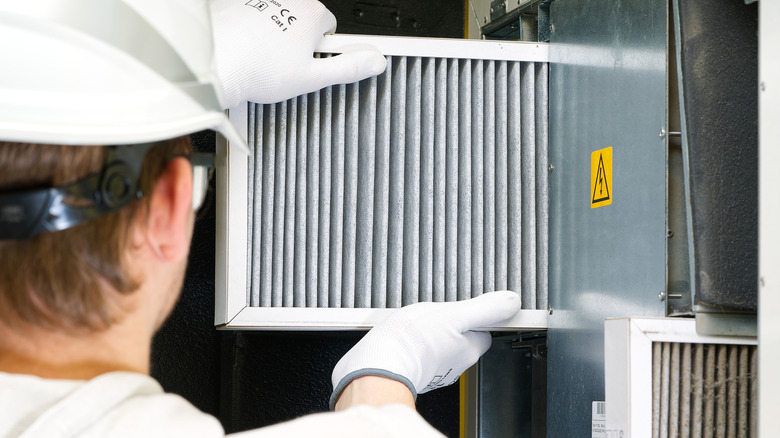
Filters with a MERV 9 to 12 rating deliver a higher level of filtration and are commonly used in homes where air quality is a bigger concern. These pleated filters can capture much smaller particles such as fine dust, pollen, and vehicle emissions, making them a strong option for families with moderate allergies or sensitivities. While many modern HVAC systems can handle filters in this range, it's still important to confirm that your unit is rated for the added resistance. Homeowners who choose MERV 9 to 12 typically want cleaner air throughout the home for specific health benefits.
MERV 13 to 16 filters fall into the high-efficiency category, filtering particles as tiny as smoke, airborne bacteria, and some viruses. These filters are often used in hospital settings and commercial buildings, but residences can have them too if the HVAC system is designed to handle the higher ratings. For homeowners, MERV 13 to 16 filters may be appropriate when air quality needs are of extreme importance, like in the case of severe allergies or respiratory conditions like asthma. Many standard residential systems are not equipped to handle the airflow restriction of MERV 13 to 16 filters, which is why checking system compatibility is essential before installing a filter this efficient. If a MERV 13 to 16 level of filtration is needed for your home, you may need to upgrade your system.
MERV 17 to 20 filters exist as well, but those are designed strictly for clean rooms and specialized environments, not for residential use. No matter what MERV rating you choose, changing your filter regularly is one of the most important ways to prolong the life of your HVAC system and keep your air quality high.