

Why Does My Garage Smell? 15 Reasons For Those Weird Odors
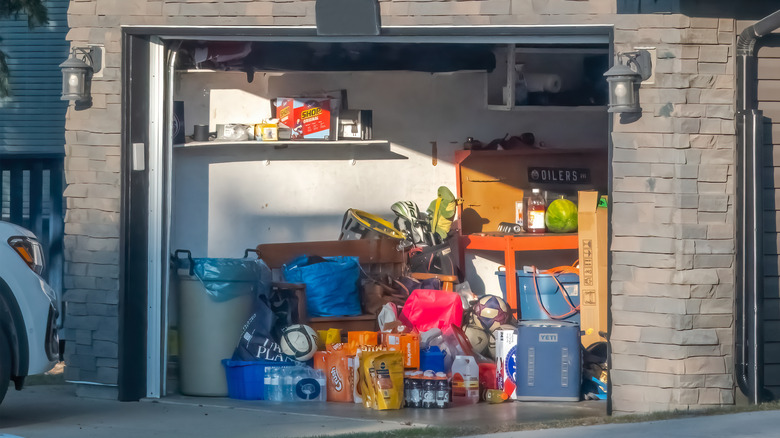
Walking into your garage only to be hit with a gross, pungent smell is annoying, and you might be worried about what's causing it. If the scent is similar to chemicals, gas, or a rotten stench, there may be something amiss in your garage. Unpleasant odors in this space can come from various sources: Removing the smell could be as simple as doing some cleaning, but there might be a more serious situation causing the odor. Whether you use this space to park your car, as a workshop, or even as a gym, you'll want to find the source of the unpleasant scent to resolve it.
With various DIY supplies, tools, and vehicles in your garage, you might have some chemicals stored in this space that could be contributing to odors. Sometimes, a bad smell indicates that something is wrong, such as a malfunctioning tool or a spill. Additionally, factors like moisture and air circulation can affect the way your garage smells. Determining the source of the funky smell will allow you to eliminate it and ensure your garage is safe.
Mold and mildew will make your garage smell damp and musty
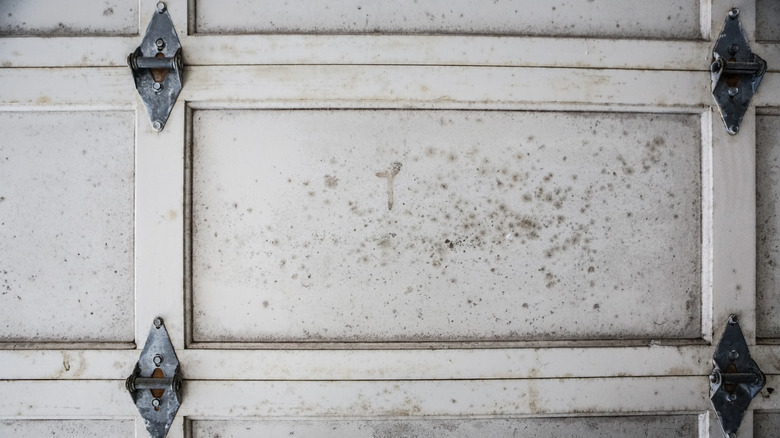
If you have started to notice a musty, earthy odor or an unpleasant scent similar to wet socks inside your garage, you could be dealing with mold or mildew. Dampness is a common issue with garages, and over time excess moisture leads to the development of mold. When water gets into your garage, the porous concrete floor or even the walls can soak up the moisture and start growing mold. Once mold is present, the fungus will release spores into the air, as well as microbial volatile organic compounds, which is what cause the bad odor. Not only do mildew and mold make your garage stink, but breathing in these airborne components can cause negative health effects, such as headaches, fatigue, nausea, and respiratory issues.
Humidity and moisture in your garage are the main culprits of mold, and you'll need to figure out what's causing the dampness to help get rid of it. Checking your garage for leaks and repairing them is the best way to protect your garage from mold growth. Caulk any leaky windows, and inspect your doors for areas where water could seep in, replacing any damaged seals. A solution of bleach and water can be used to scrub your garage floor and walls, killing existing mold and resolving the smell. Consider sealing your garage floor with epoxy to prevent it from retaining water. And, as always, if you have a major mold outbreak, call in a professional for mold remediation, rather than risking your health.
Pests in your garage create unpleasant odors
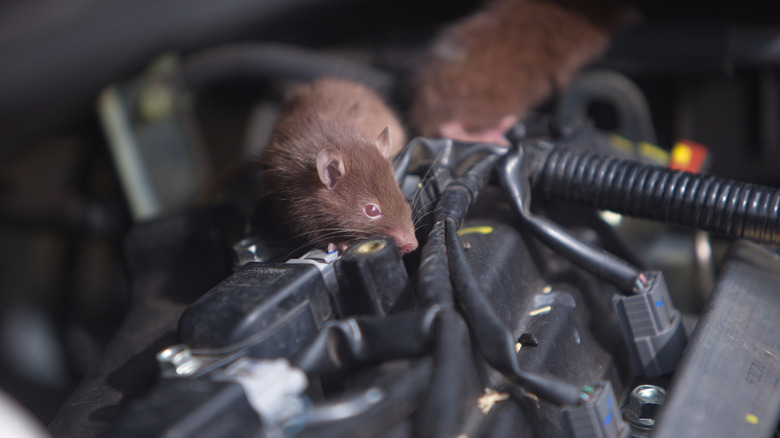
A strong ammonia-like smell is often a telltale sign that mice are lurking in your garage, as well as or other rodents such as rats. Even bats or some insects, such as cockroaches, will produce odors, leading to a stinky garage. Noticing a strange new smell in your garage could be a clue that pests are living and nesting there, and different pests will create various scents. With rodents, the odor typically comes from the animals using their urine to mark areas, while roaches produce pheromones and secretions that give off a bad yet almost sweet smell.
Pests like cockroaches love dark spots that are out of the way, making your garage a perfect home. If you think the stinky smell in your garage could be pest-related, check for other signs of infestation like droppings, claw marks, or damage. While you may be able to trap or kill the insects or rodents yourself, you might need the help of a professional exterminator for more serious infestations.
Poor air circulation contributes to bad garage smells
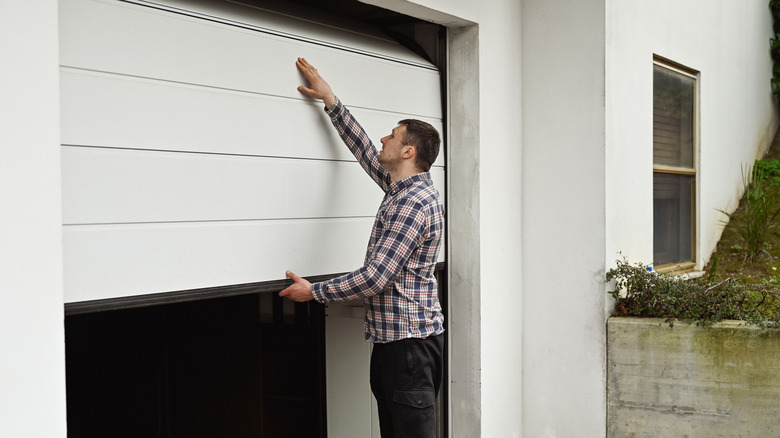
Garages don't typically have the best ventilation or air circulation. Though this might not seem like a big problem, improper ventilation will keep odors inside the space. Since the air inside your garage can't get out, and there's not much fresh air getting in, it can smell musty. Plus, if you use your garage for DIY projects, smells from paints and other chemicals will remain in the air.
Whether your garage has started to smell like paint, chemicals, or simply musty and stale, improper ventilation will ensure these odors stick around. By opening any windows and leaving the door open for a while, you can air out your garage and get rid of the smell. If stale air is a persistent problem, try adding vents to your garage or fans to help move the air around.
Spilled oil leaves a lingering smell
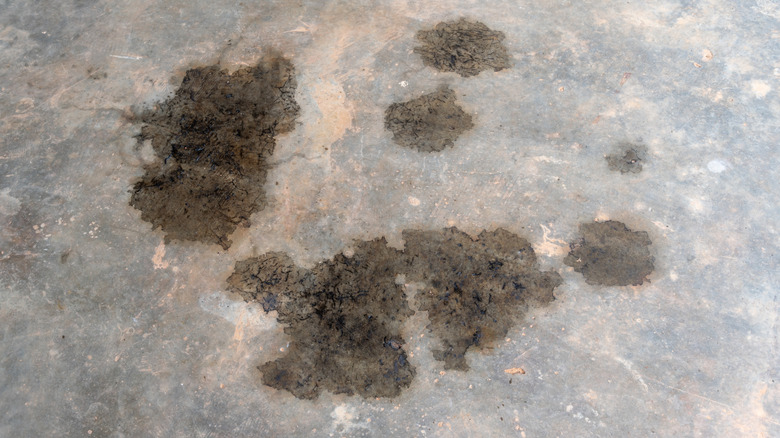
From your car to your lawnmower, you probably have a few big tools in your garage that need oil to run. If your machinery has an oil leak, the liquid can seep into the concrete floor of your garage, staining it and leaving behind lasting odors. The scent from spilled oil is somewhat metallic or sour, and can stay in your garage for a long time if the mess isn't cleaned up.
As oil is left on your garage floor, it will soak deeper into the concrete. This is why it's important to clean up oil right away to avoid lingering smells and tough-to-treat stains. With fresh oil spills, you'll want to use cat litter, sawdust, or an oil absorbent to soak up the motor oil. After sprinkling your absorbent over the spill, let it sit for a day to sop up the mess. Then, the spill can be scrubbed with water and dish soap to help lift the stain and banish that bad scent.
Your car or lawnmower could be leaking fuel
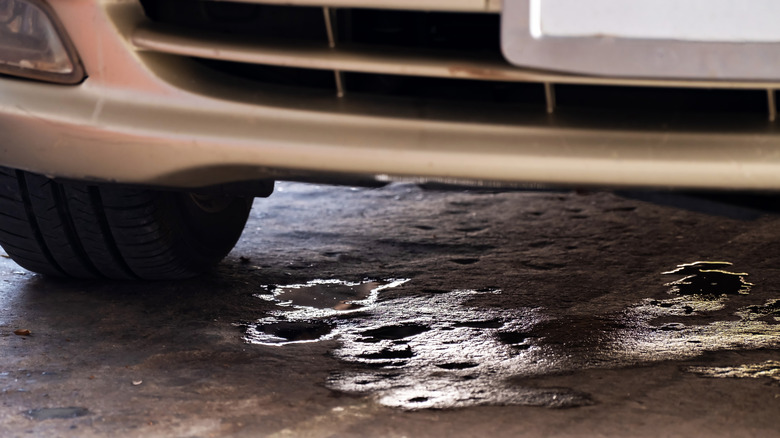
If you find yourself wondering why your garage suddenly smells like gas, the culprit could be a leaky fuel tank, either from your car, lawnmower, or another piece of machinery. As the gasoline drips out, it'll give off fumes that leave that distinct smell in your garage. For those who store containers of gasoline in the garage, these could be leaking as well and contributing to the odors. When you smell gasoline in your garage, you'll want to inspect your car, golf carts, lawnmower, or other gas-powered tools for leaks.
After fixing the leaking fuel tank (either yourself or at a small engine repair shop) and ensuring all gasoline containers are properly sealed and stored, you'll need to clean up the spill to eliminate the odor. Acting quickly can help to prevent the odor from lingering in your garage. Cleaning up fuel is similar to motor oil, as both are petroleum-based products. Use cat litter, activated charcoal, oil dry, or another absorbent to soak up the gas from your garage floor. Cleaning from the outside of the spill toward the middle will prevent the fuel from spreading. You'll also want to open your garage door and windows to help air out the space and get rid of any fumes. After soaking up the gas, you can wash your floor with soap and water, but it's important to ensure the wastewater goes into a sanitary sewer system and not in a storm drain. Follow all safety precautions, like turning off anything that could cause a spark and wearing nitrile gloves.
Paints and solvents could be the cause of your garage smell
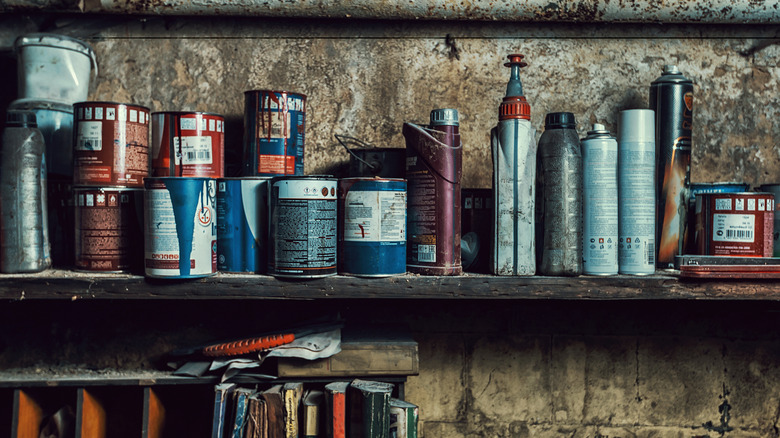
Whether you use your garage as a workshop for all of your DIY projects or you just store extra supplies like paint or varnish there, these chemical products can end up giving off smells. Other strong chemicals, like solvents, may also produce odors in your garage. When cans of paint or similar items are leaking, the smell can fill your garage. This is because these products contain volatile organic compounds, which are released into the air as the solvent or paint evaporates. The vapors from volatile organic compounds can irritate your throat, nose, and eyes, and may cause headaches or more serious symptoms.
Check the area where you store paints, thinners, and other supplies for any spills or leaks and clean them up promptly, being sure to ventilate the area and eliminate any possible source of a spark that could cause a fire. You should always wear nitrile gloves and a respirator mask while cleaning such toxic chemicals. You'll also want to ensure that the containers are closed tightly. In the future, by properly storing your paints and solvents, you can eliminate these headache-inducing smells. Garages aren't ideal for storing paint because extreme temperature swings can cause the paint to deteriorate, leading to bad odors and reduced performance.
The litter boxes or dog kennels in your garage might need to be cleaned
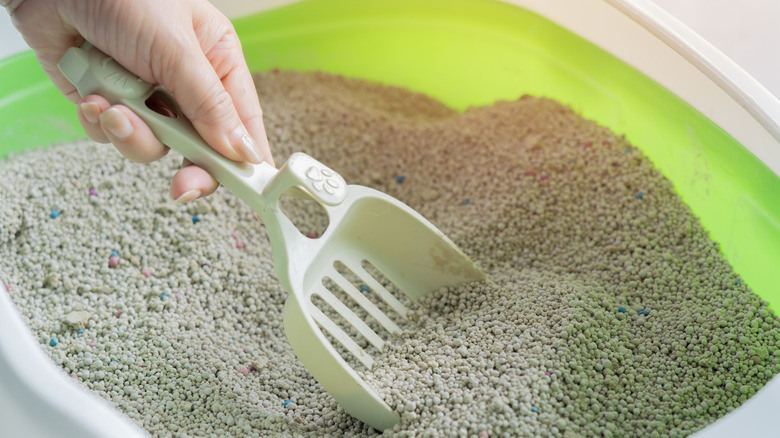
Keeping your dog's crate or your cat's litter box in the garage is super convenient, but it could be contributing to the bad smells in your garage. Litter boxes, pet bedding, and toys can harbor bacteria from your animals, and forgetting to clean them because they're out of sight will lead to unpleasant odors. If you store pet food in your garage and it isn't sealed properly, this could stink up your space as well. Plus, accidents from your pets could leave lingering smells behind. Whether you have dogs or cats, keeping their bedding and litter boxes clean and properly cleaning up accidents will help to eliminate stubborn pet odors from your garage.
Scooping your litter boxes every day and disinfecting them every so often will help to cut down on odors and keep them clean for your furry friends. Wash kennels with hot water and soap to get that dirty dog smell out of your garage. For those whose pets struggle with accidents on the concrete garage floor, enzyme cleaners can break down the molecules in pet urine and feces that cause the lasting odor.
Your trash and recycling could be stinking up your garage
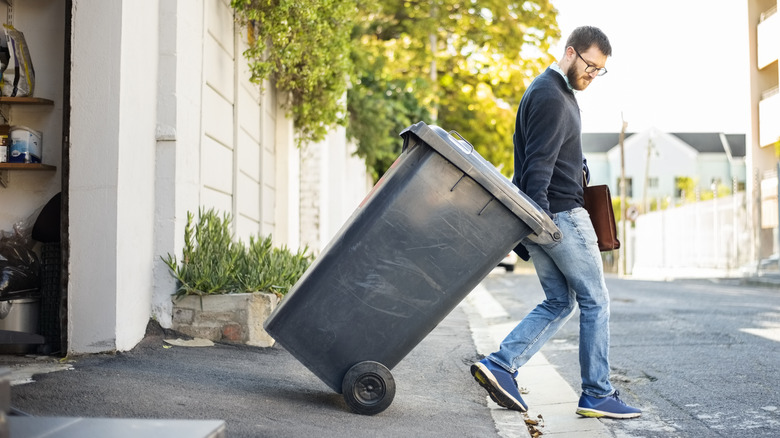
Storing your outdoor trash cans in your garage can make taking out the garbage a lot easier, but over time you might notice some weird smells in your garage. Even if your trash is in bags inside the bin, they might leak and smells can still escape. As the food scraps in your garbage break down, they give off various compounds, such as ammonia and hydrogen sulfide, which create extremely pungent smells. These scents can leach into the plastic of your trash bin, making the container itself reek. Plus, if you don't rinse out your recycling containers, the small amount of liquid left inside could end up stinking as well.
While you might just be smelling the rotting garbage itself, and frequently emptying the bins will help, cleaning your exterior garbage cans will keep that funky odor out of your garage. Try scrubbing your recycling and trash bins with soap and water to get rid of any residues and eliminate the bad smell. If the scent lingers, pour a little baking soda, which naturally neutralizes odors, into the bottom of your trash can.
Organic matter like leaves or potting soil could be decomposing in your garage
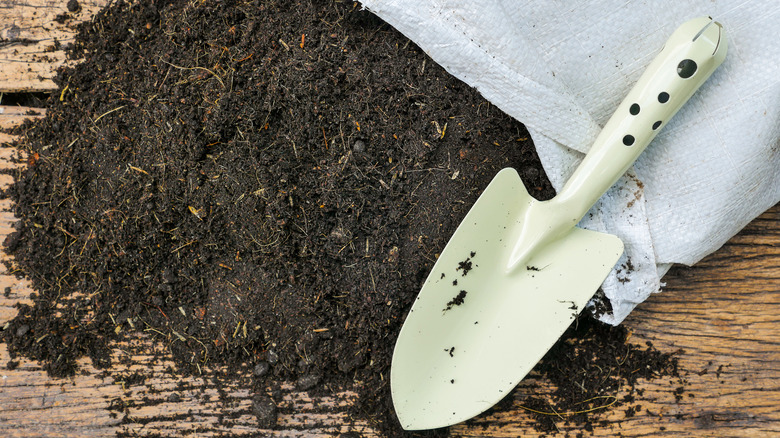
Just like how the trash rotting inside the bin can cause your garage to smell, any organic matter that has started to decompose will create odors in this space as well. Whether you like to store potting soil in your garage or stray leaves have been piling up in dusty corners, these will eventually break down and can give off a weird scent. When potting soil isn't sealed and stored properly, moisture can get inside and will cause it to start decomposing and releasing a bad odor. Decomposition and odors also occur with tree leaves that get wet in your garage.
If your garage has started to smell similar to your compost pile, you might want to check on your potting soil and inspect your garage for any organic materials that could be hiding in corners. Sweep up any leaves or other debris that could be stinking up your garage. If your potting soil has started to stink, try setting it in the sun for a few days to kill the bacteria.
The drain in your garage floor could be giving off weird odors
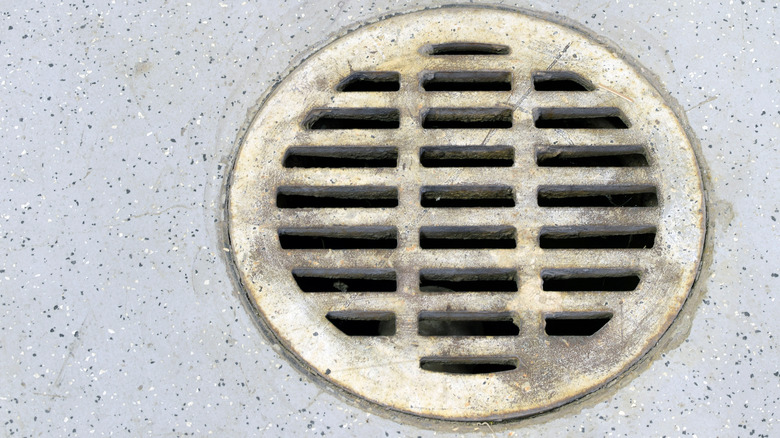
Not all garages have drains in the floor, but if yours does, you'll want to check it if you're dealing with consistent, annoying odors. Even though these drains aren't used very frequently, debris and water can still become trapped inside, causing odors. In other cases, sewer gas could be rising up from the drain in your garage floor and causing a big stink. Maintaining the floor drain will prevent clogs and things from getting trapped in the drain and starting to smell.
If your garage floor drain has a trap, check it for any leaves or other organic materials that could be decomposing. Pull out as much of the gunk as you can before running hot water down the drain. With more serious clogs, you may need help from a professional plumber. Flushing the drain with a couple of gallons of water every month will help to keep it clear and prevent buildup.
The cardboard boxes stored in your garage could retain moisture
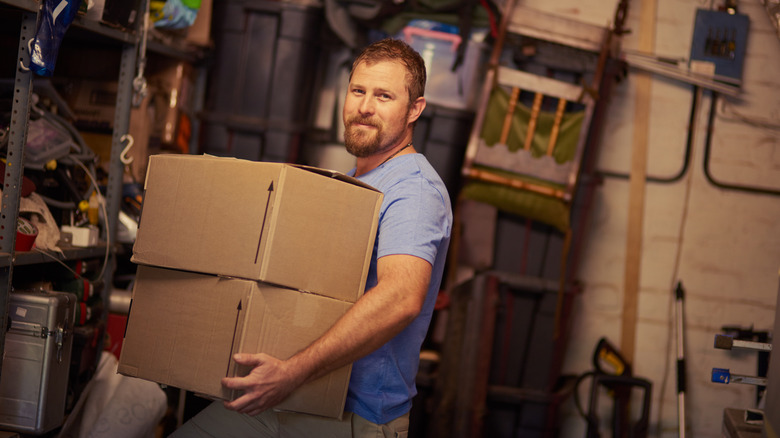
Even if you keep your garage storage organized, it could be secretly contributing to the bad smells in your space. Though it's common to use cardboard boxes to stash away belongings, this material is absorbent and can retain moisture from humid air. Over time, this can lead to problems with mildew and mold, which will give your garage a musty scent. Even worse, damp cardboard can also attract pests like roaches and silverfish, adding to the unpleasant odors in the space.
Though you may think your garage is dry enough to safely store your cardboard boxes filled with sentimental items, they could still end up becoming damp and creating a smell. You might consider checking to see if the boxes seem wet and moving items stored in cardboard to another area of your home. Alternatively, switching to plastic storage bins keeps your belongings safe from moisture and prevents those annoying odors.
Your home gym might be adding to your garage's stink
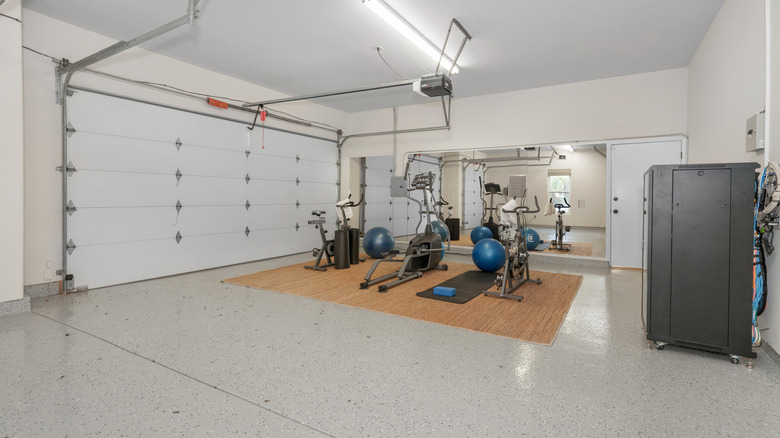
For those who have repurposed their garage or a portion of it for a home gym, you might want to think about wiping down your equipment. The source of the weird odors in your garage could be your yoga mat, weights, or workout machines that have become coated in layers of sweat after each workout. As you exercise, sweat and bacteria gets onto your gear and can produce a bad smell that can linger in your garage.
By frequently cleaning your home gym, you can prevent your garage from reeking of body odor. Disinfectant sprays or wipes can be used to wipe down your weights, benches, and mats after every use to kill odor-causing bacteria. You won't need to deep clean everything after your workouts, but wiping down what you've touched can make a big difference in the smell of your garage.
Incorrectly sealed fertilizers and pesticides create odors in your garage
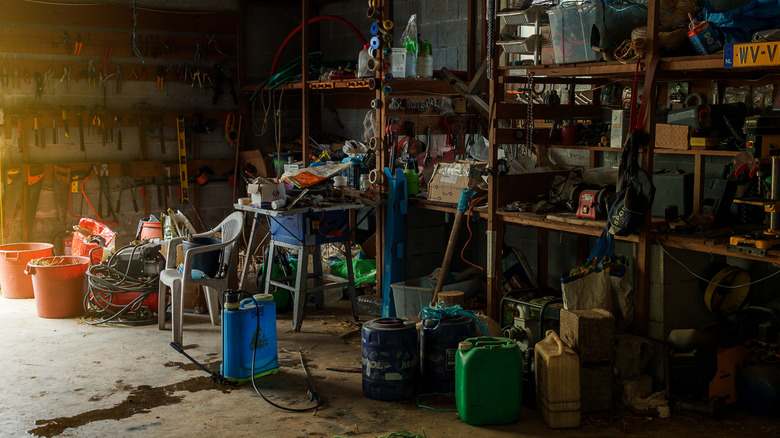
While it's common to stash gardening products like pesticides and fertilizers in the garage, they will give off intense smells if they're not sealed correctly. Whether the container wasn't closed right or has developed a leak, pesticides and fertilizers both have very strong smells that could get trapped in your garage. While fertilizers sometimes stink because of natural hydrogen sulfide and ammonia, pesticides are made of chemicals that can also have powerful odors.
If you discover a distinct, strong smell in your garage, it's a good idea to check any stored fertilizers and pesticides for leaks. If there has been a pesticide spill, soak it up with an absorbent like litter or sawdust. Wear protective gloves, ventilate the area, avoid washing the residue into drains, and dispose of the contaminated material as hazardous waste according to local regulations. Ensure that your garage has good ventilation, that these gardening products are kept in their original containers, and that they are sealed tightly to prevent leaks and keep those odors out of your garage.
Corroding batteries give off a sulfur smell
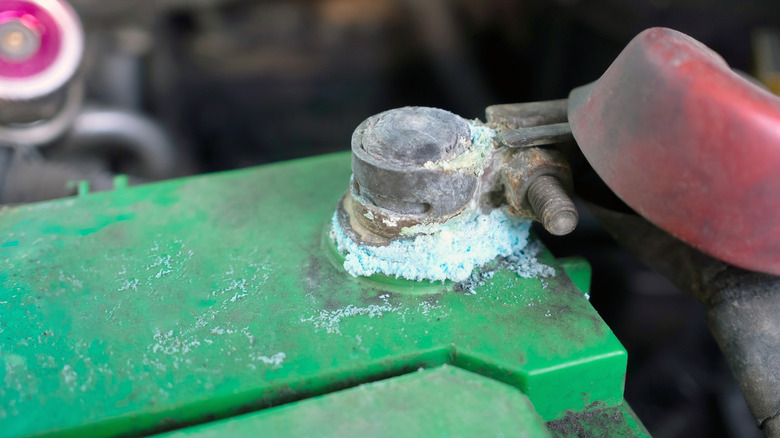
Walking into your garage to find a strong scent of rotten eggs and chemicals is worrisome, and it could point to a serious problem. Cars, golf carts, and other powerful tools use batteries to run, and when certain batteries malfunction or are overcharged, they can release hydrogen sulfide gas, which smells like rotten eggs. This is because the battery acid and electrolytes are leaking out of the battery, which can be dangerous.
If you suspect the strange smell in your garage is a corroding battery, wear protective equipment like gloves and a mask to protect yourself from the acid and its fumes. The battery will need to be carefully removed from the machine and taken to a recycling center, as it's dangerous to throw it away. If you are not a pro with automotive repair, any competent car repair facility can help you with this. Open your garage windows and doors to ventilate the space and remove that sulfurous odor.
Summer heat could be making your garage smell worse
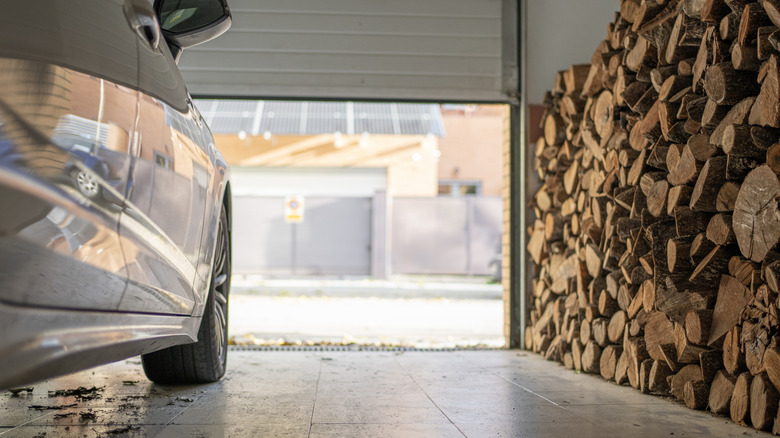
If you've discovered that your garage smells worse in the summer, this isn't a coincidence. Temperature changes, like your garage heating up in the summer, could cause some odors to become more prominent. Hotter temperatures could cause your stored supplies like paint or gasoline to evaporate faster, giving off more fumes in this enclosed space. Ensuring your garage is getting some ventilation in the summer could help cut down on the smells.
For those who keep their trash bins in the garage, heat will cause the food scraps to decompose faster, making the garbage and your garage even smellier. Moving your trash cans outside during the hottest months could prevent your garage from smelling so funky. On the other hand, wet winter weather contributes to moisture and mold in your garage. Though outside temperatures can exacerbate smells, properly storing your fuel and supplies and having good ventilation can improve the scent of your space.