

12 Water Heater Mistakes That Are Shortening The Lifespan Of Your Appliance
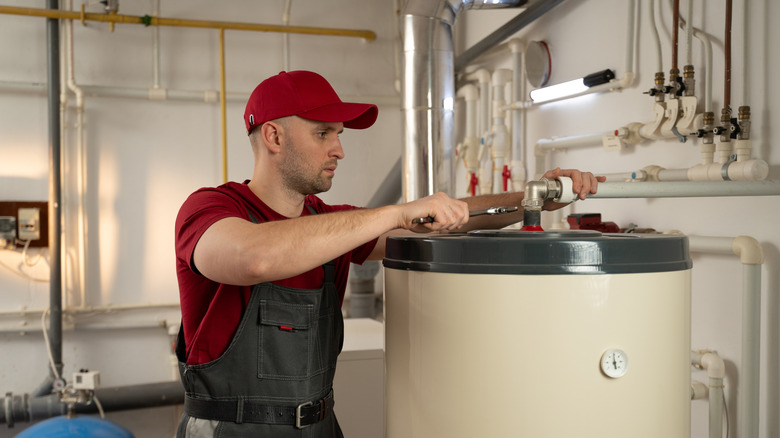
Water heaters are some of the most neglected appliances in many homes. They're usually out of sight in an unobtrusive corner of your garage, basement, or laundry room, ticking away merrily without any external input. That is until they break down, surprising you with a frigid shower or a pool of water in your garage. Tank water heaters have an average lifespan of eight to 12 years, and tankless heaters should last even longer. With proper maintenance and usage, you can even double the lifespan of your water heater. On the other hand, terrible practices can shave off precious years from that timeline.
Regular maintenance is the simplest way to ensure that your water heater remains in tip-top shape for the longest possible time. That and avoiding these common mistakes that slowly damage your water heater over time without your knowledge. If you want to keep enjoying your hot showers for longer, here are twelve things you shouldn't do.
Setting the temperature of your water heater too high
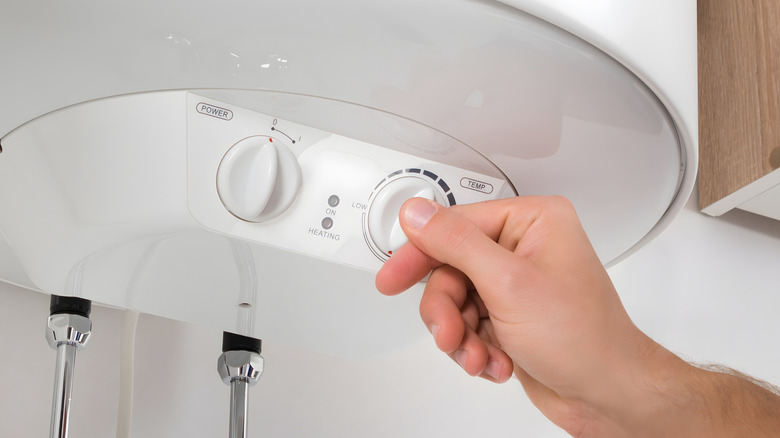
Some homeowners who enjoy hotter showers set the temperature too high on their water heaters. While a hot shower can be refreshing, excessive heat reduces the lifespan of your water heater by causing the heating elements to work overtime and wear out faster. Heat moves faster when the temperature difference is larger, so your heating elements would work harder to keep water at 140 degrees Fahrenheit than they would to maintain a 120-degree temperature. Higher temperatures also increase mineral sediment buildup in your unit, which forms a layer of insulation around the heating element, forcing it to use more energy to heat the water. This ends up increasing your energy bill.
Here's what you should do instead: Maintain a temperature of 120 degrees Fahrenheit on your unit. This is the sweet spot. It is hot enough to kill most bacteria, yet low enough to save energy and prevent scalding on your body. This temperature is recommended by the U.S. Department of Energy for safety and efficiency.
Ignoring annual flushing of your water heater
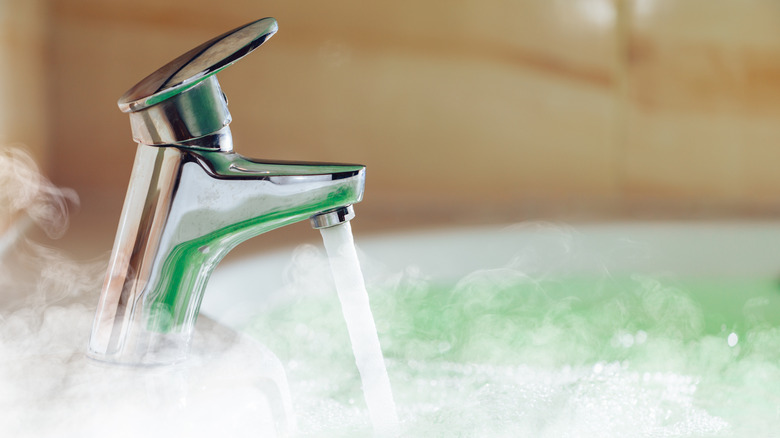
It's almost common knowledge at this point that you should flush your water heater at least once a year. This is because heating water causes the minerals in it, like calcium and magnesium, to separate and settle at the bottom of the tank. This sediment layer insulates the water from the heating element, making it use more energy to heat the water. This added strain can wear out the heating elements, and the sediments themselves can even corrode your tank. This leads to higher energy costs and a shorter lifespan for your water heater. If you notice popping or rumbling noises when your water heater is working, it could indicate sediment buildup, and that is one sign that you may need to replace your water heater.
To prevent all these issues, it's recommended that you flush your water heater once a year, or twice a year if you live in an area with hard water. Here's the right way to drain your water heater. Turn off your water heater (this includes the power or gas supply, depending on the type), turn off the water supply, turn on the hot water in a sink or a tub, connect a garden hose to the drainage spigot, and drain till the water runs clear. Then reopen the water supply and let the cold water run through the tank and drain from the hose. Don't stop until your water becomes clear. If you struggle with sediments and limescale in your home, that is a sign that you would benefit from a water softener.
Skipping regular anode rod checks
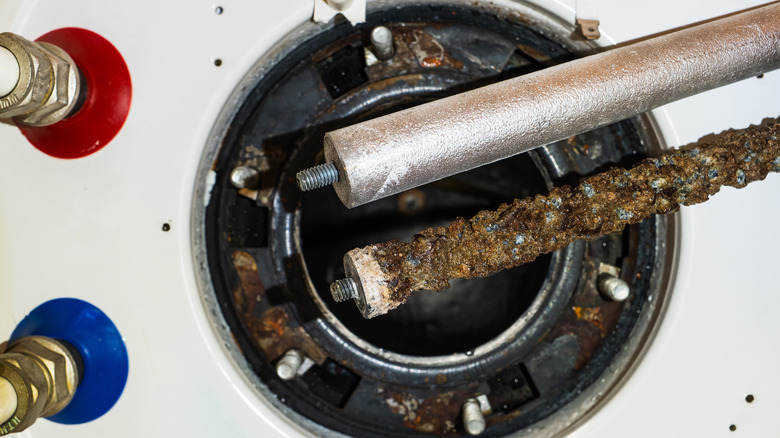
The anode rod is your water heater's unsung hero, sacrificing itself to protect your tank from rusting. Water usually contains corrosive minerals that would attack the steel-lined interior of your water heater. However, the anode rod is made of a material like magnesium or aluminum, which is more reactive than steel. This attracts the corrosive materials, sparing the precious steel of your tank. Unfortunately, this effect ends when the anode rod is completely corroded. The minerals begin eating away at your tank walls and cause leaks long before your unit's expected lifespan. A water heater red flag you shouldn't ignore is rust-colored water or a foul, rotten egg-like odor, as they're signs that your anode rod might have failed.
Make sure to check your anode rod regularly to prevent corrosive damage to your water heater. It is recommended that you inspect the anode rod annually and plan to replace it every three to five years. If hard water is the norm where you live, you might need more frequent checks, as mineral-rich water accelerates rod wear. During your inspection, look for deep pitting or corroded sections on the rod, as those are also signs that you need to replace it. This affordable part, typically $30–$50, can add years of life to your tank.
Poor ventilation around the heater
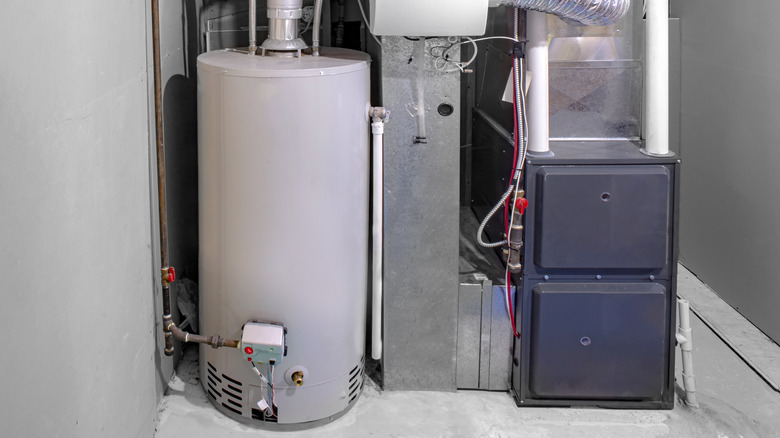
If you're using an electric heater, then you don't have to worry about this one. However, gas and hybrid models require ventilation around them to work properly. Gas units work by burning fuel to heat the water, and improper ventilation limits the available air for that process. This can lead to incomplete burning, which releases deadly carbon monoxide. Hybrid models, also known as heat pump water heaters, work by drawing in heat from the surrounding air and expelling cold air. Without proper ventilation, your heater would have to work harder to heat the water, stressing the internal components and causing it to age faster.
A general rule of thumb is to keep at least 18 inches of free space around the water heater. This helps with airflow, ensuring efficiency, preventing overheating, and allowing better access for maintenance. Regularly inspect your venting pipes to ensure they're unobstructed and free from debris or mold. You can also install a carbon monoxide detector nearby for added safety.
Neglecting the pressure relief valve
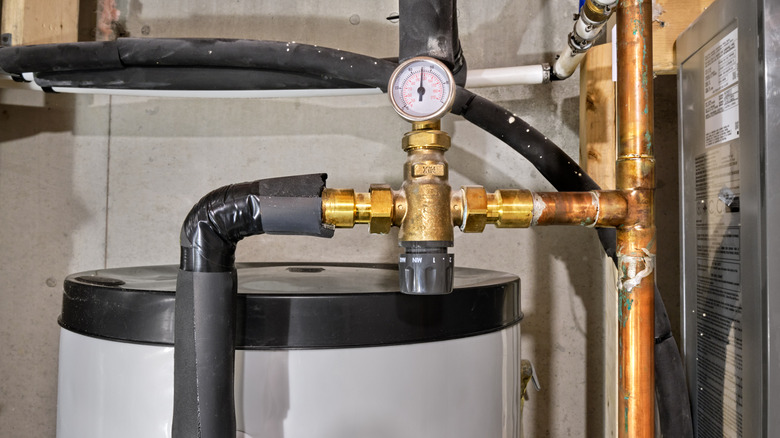
The temperature and pressure relief valve is an important safety component on your heater. It gets little fanfare when it's working properly, but can be disastrous when it isn't. The pressure relief valve works exactly as it sounds, releasing excess pressure when the tank's internal pressure and temperature get too high. The relief valve can either get leaky or stuck in the open or closed position. A leaky valve or one stuck in the open position would cause water to constantly flow from your heater, wasting water and potentially flooding your home. However, the major problem comes when it's stuck in a closed setting, as that would cause pressure to build up till your tank ruptures.
A quick manual inspection once or twice a year is enough to ensure smooth operation of your pressure relief valve. Start by letting a hot water tap run for about a minute to relieve pressure. Then place a bucket to collect the water from the pressure valve. Now, carefully raise the lever on the relief valve. Water should rush out of the valve. If the lever doesn't return to its closed position or doesn't release water when lifted, you need to replace your valve.
Installing the unit in an unconditioned space
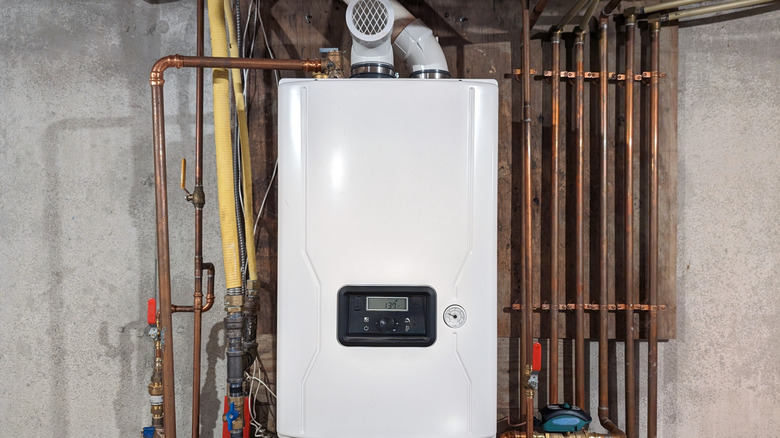
Many homeowners store their water heaters in their basements, and most modern homes have insulation in those areas. However, many older homes leave their basements without proper conditioning. This exposes the water heater to temperature extremes that can cause serious damage like wear and tear, as well as higher utility bills. In extremely cold climates, the water in your tank or connected pipes can freeze solid and burst your pipes. High humidity levels in the room can also cause the metal components of the tank to rust and fall apart quicker.
Instead of putting your water heater through that ordeal, set it up in a conditioned area. You could also install proper insulation for your pipes, or wrap your tank in a water heater blanket to reduce heat loss and energy usage. In very cold areas, you may even need a small space heater during winter months to maintain safe temperatures. Ensure that the area is well-ventilated and dry to avoid moisture building up. These changes would boost the lifespan of your water heater.
Neglecting to insulate hot water pipes in your home
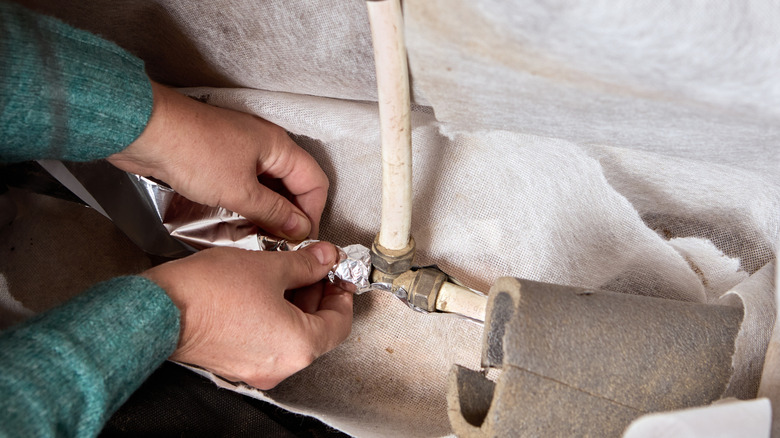
Any uninsulated hot water pipes in your home quietly undermine the efforts of your water heater, even if it is the most efficient unit in existence. As hot water travels through these pipes, it loses heat before it gets to the destination faucet. This would lead to the logical next step, which is cranking up the temperature on the unit, forcing it to wear itself out trying to heat the water and shortening its lifespan. That higher temperature can also drive up your energy costs.
The solution to this one is an easy and inexpensive fix. With a $20 to $40 investment and some elbow grease, you can insulate your hot water pipes on your own. Use polyethylene or neoprene foam insulation for electric heaters and fiberglass pipe wrap for gas heaters. This is to prevent fires, especially when pipes are within 8 inches of the flue. Measure the outside diameter of your pipes and try to match it with the inside diameter of your pipe sleeve, then get your desired length. Some cable ties, duct tape, or aluminum foil tape would be enough to secure the insulation, and you're good to go.
DIY electrical or gas connections
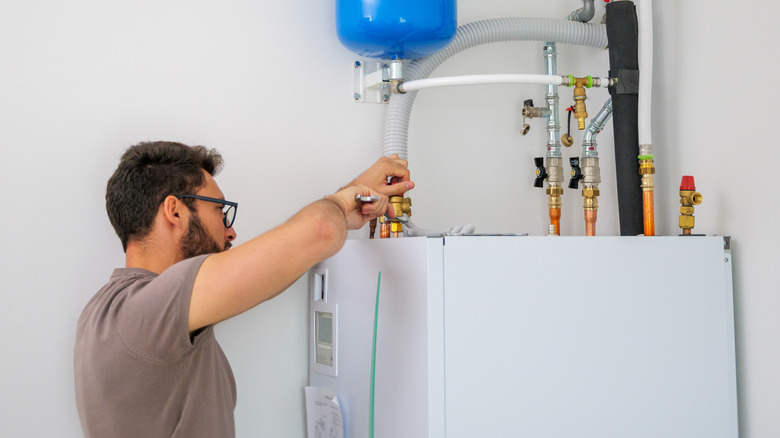
If you're handy with tools, DIY fixes can be a great way to save costs when it comes to home repairs. However, attempting to handle electrical or gas connections on your own can be a costly mistake. A slight error in your water connections can cause major leaks that can damage your unit and even your basement. An improper gas line connection can be a major hazard, requiring a single rogue spark to cause an explosion. Beyond all that, your DIY installation or modifications can void your warranty or violate building codes, costing you more money to bring it up to code or pay for repairs out of your pocket.
Stick with the professionals on this one. You can dust off your DIY gloves for other basic DIY home improvement projects, but leave the water heater modifications to the licensed professionals. These experts understand the correct wiring, pressure requirements, and venting standards for your specific model. They are up-to-date on building codes and can identify potential hazards, like outdated electrical panels, before they become problematic. Employing professionals might be costlier upfront, but your peace of mind is priceless.
Overworking the water heater with excessive demand
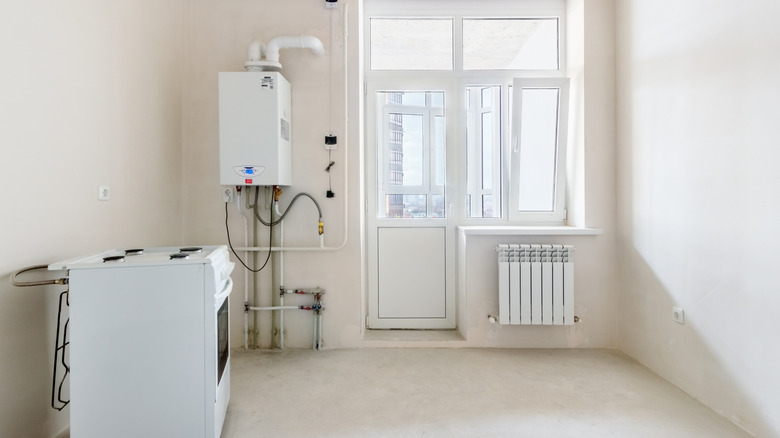
One of the mistakes many homeowners make when they're buying water heaters is not factoring in their water usage. Water heaters have different sizes, and considering your water usage before a purchase can ensure you don't get an inadequate unit and doom it to an early grave from overuse. A large household, or multiple showers, laundry, and dishwashing cycles, would force the heater to work repeatedly. This would wear out the internal components faster, resulting in inconsistent water temperatures, a shorter lifespan, and an eye-watering energy bill.
Match the size of your water heater to your household's needs if you want it to last longer. Water heaters with a 25- to 35-gallon capacity would be great for families of two, while 55 gallons or more would fit a family of five better. If your household hot water usage is high, switching to a tankless water heater setup might be a better option. These heat water on demand and eliminate storage limitations, saving energy costs in the process.
Not draining your tank during long absences or seasonal use
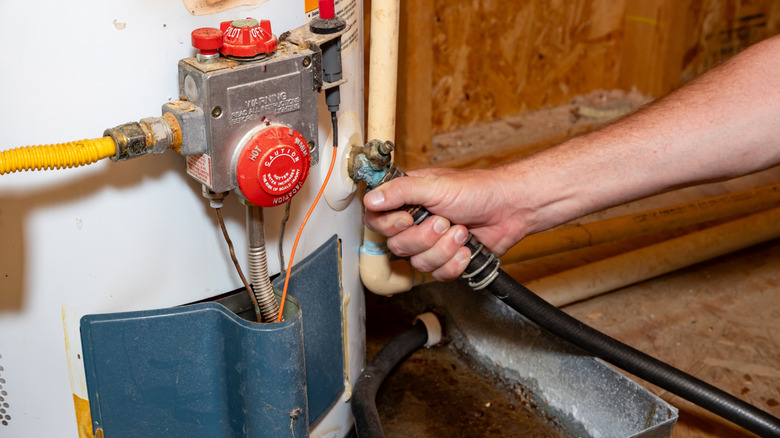
If you live in a cold climate and are planning to leave your home for an extended period, be sure to drain your water heater because forgetting to do so can damage your unit. During the winter months, water left in your tank and pipes can freeze and expand. This can cause your tank and pipes to burst, leading to costly repairs. Skipping this precaution leaves your tank vulnerable to damage from the cold.
Next time you're heading out for a vacation, drain your water heater and pipes, and shut off the water completely. Some modern heater units have a "Vacation Mode" which heats up your water above freezing to protect your pipes while you're away. If your heater supports this feature, it can protect your pipes while you're away. You'll just have to deal with the energy bill (albeit smaller) that it comes with.
Ignoring manufacturer maintenance guidelines and warranty requirements
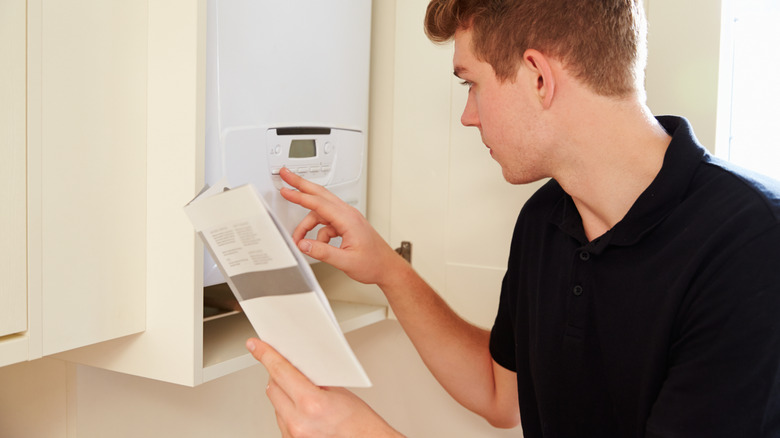
Most water heater manufacturers have recommended maintenance schedules and usage guidelines. You'll usually find them in the unit's user manual, the one that everyone forgets about immediately after the installation. Many homeowners overlook these guidelines and end up shortening the lifespan of the unit through improper usage. This can void your warranty, accelerate wear of your unit, and leave you solely responsible for any damage to your unit.
Instead of running your machine to the ground, register the unit with the manufacturer, and keep a detailed maintenance log. Record dates of inspection and what components were inspected on those dates. Follow all maintenance procedures outlined in the user manual, including all the recommended part replacement timelines. Even small steps, like keeping receipts or noting thermostat adjustments, can preserve warranty coverage and improve reliability. These can preserve your warranty coverage while protecting your unit.
Exposing your water heater to excessive water pressure
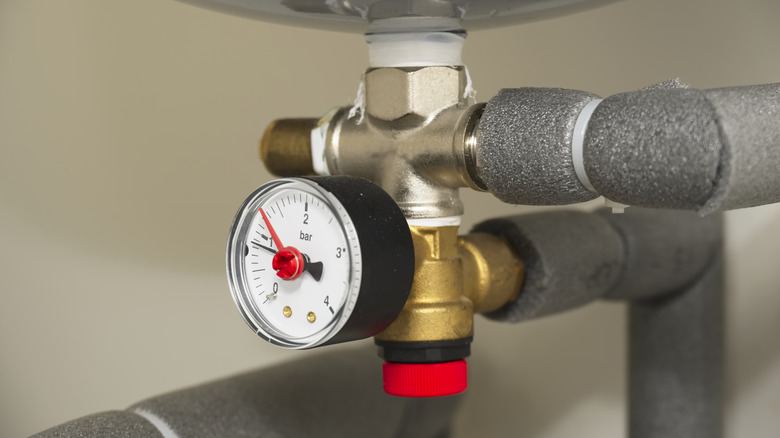
Most homes receive water from the city. This water has to travel at pressures of 40 to 80 PSI (pounds per square inch) to get to all the homes in a particular water grid. However, if the pressure of the water coming into your home is above that, it can cause a strain on your water heater's tank and your plumbing connections. This increases the chances of your tank bursting while increasing the wear on your gaskets and seals.
Knocking or banging noises from your tank or pipes can be an indicator of high water pressure. To protect your water heater, install a pressure-reducing valve to monitor and regulate your water pressure. You may consider installing an expansion tank to collect the excess pressure generated from heating the water and reduce the stress on your heater. These practices would all extend your heater's lifespan, ensuring that it works better and lasts longer.