

Some Of The Worst Design Advice To Avoid On TikTok
We may receive a commission on purchases made from links.
When it comes to keeping up to date with the latest in home aesthetics, TikTok can be a wonderful resource. In seconds, you can find the newest trends, from dramatic room makeovers filmed in perfect lighting to bold color schemes that promise to change your mood. You might even stumble upon niche decor ideas like DIY limewashed walls or whimsical cottage-inspired spaces that rack up millions of views overnight. It's an endless scroll of inspiration, creativity, and personality.
However, the charm of these bite-sized videos makes it easy to forget what actually goes into creating the final look. What feels magical on screen often relies on things that are never fully acknowledged, like strategic camera angles and heavy editing. We tend to forget that some of the most viral trends thrive precisely because they're eye-catching, not because they're practical or timeless. A neon accent wall, for example, might look striking in a fifteen-second clip, but the once-favored paint trend now makes a home look dated. Beyond this, once you factor in real-world lighting and movement, the magic of these looks tends to fade.
This is why it's important to approach TikTok design ideas with caution; not every trend deserves a permanent place in your home. Read on to discover which viral looks are best avoided and the smarter alternatives that will serve you far better in the long run.
Painting every surface the same bold color falls flat
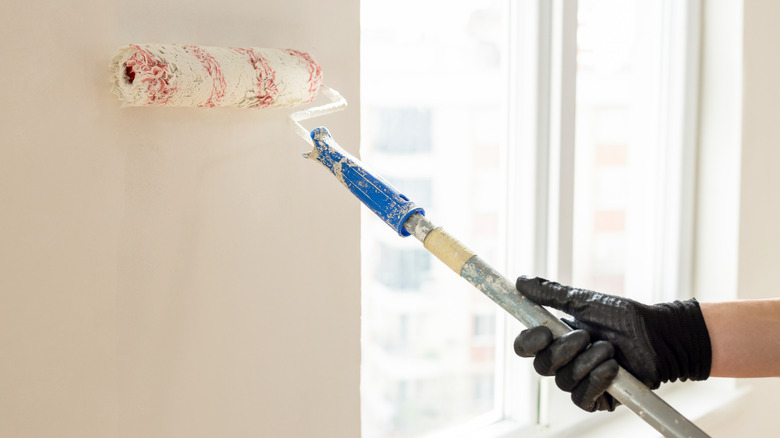
What seems appealing in a staged photo or a quick clip — a room painted in one bold hue from floor to ceiling, for example — can backfire as soon as you have to live in it. While a unified color drench might feel dramatic, in real homes, it often overwhelms the space. Coordinating furniture, art, and decor against a saturated all-over color can also become a struggle, and risks the room feeling heavy or disjointed rather than cohesive. In addition to this, the effect can make the space feel visually boxed in and make it harder to evolve the design as your tastes change.
Instead of committing to a single intense tone, consider a more balanced approach that plays to your room's strengths and embraces the natural colors of its fixtures. Keep major surfaces such as walls, ceilings, and trim neutral or softly toned to give yourself a versatile backdrop. Then, bring in bold color selectively through a feature wall, textiles, art pieces, or accent furniture that can be changed over time.
Another color design trick from TikTok is to use a paint color chart to see how to organize the hues you're attracted to. This allows you to enjoy personality and vibrancy without locking yourself into a look that might feel stale later. A targeted splash of color offers flexibility, easier coordination, and lets the rest of your decor shine. Ultimately, it's about letting bold hues enhance your home, not control it.
Dopamine decor invites fast burnout
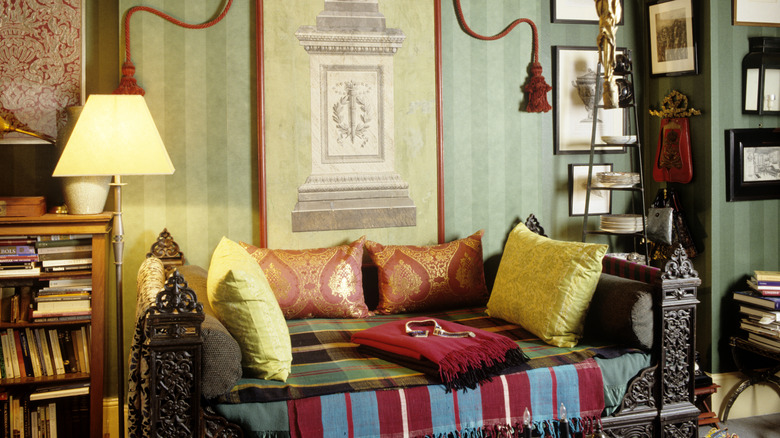
The dopamine-decor trend thrives on exuberance — think bright colors, patterns layered over other patterns, and an abundance of design packed into every inch of a room. On TikTok, this maximalist approach looks playful and easy to achieve, but in real life, the overload it creates can quickly lead to visual clutter. What can initially feel fun can create an environment that's mentally exhausting. Before you know it, things can become chaotic: too many prints compete for attention, surfaces feel cluttered, and the room loses a sense of calm or cohesion. In the end, chasing micro-trends like these can end up with interiors that feel disjointed and dated far sooner than you'd expect.
It's important to keep in mind what not to do when decorating in a maximalist style. Rather than filling every corner of the home with bold touches and trending motifs, a smarter approach is to remember that a little goes a long way. Choose a handful of statement pieces, such as a colorful rug, an artful throw pillow, or a standout chair, and let them shine. You can surround them with neutral, grounded elements and give the eye room to rest. This balance keeps your space inviting and livable while prioritizing character and fun, but without tipping into overstimulation. A well-edited, intentional design will make you feel more comfortable and ultimately reflect your style in a sustainable way.
Painting your own tiles doesn't always hold up
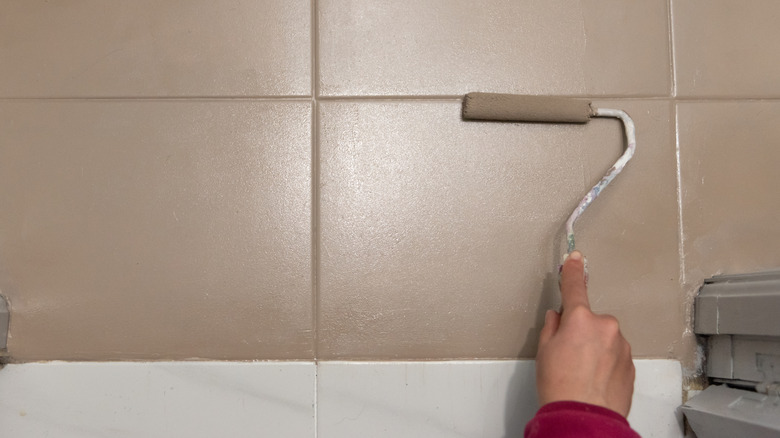
Painting tiles is one of those TikTok DIYs that looks incredibly satisfying in a short clip. A quick search can lead you to before-and-after videos that make you believe a weekend paint job can magically revive a tired bathroom or kitchen. In reality, there are some drawbacks to consider before painting your tile floors, one of them being that painted tiles struggle to withstand the conditions these spaces face every single day. Bathrooms are constantly exposed to moisture or water from showers, while kitchens endure heat and repeated cleaning. Tile paint tends to chip and peel when subjected to heavy foot traffic or regular water exposure. What starts as a smooth finish often becomes patchy and dull within months, leaving you with a look that's much harder to maintain than the videos suggested.
This shortcut also creates a future headache: once the paint starts deteriorating, you'll need to strip or completely replace the tiles — a project far more time-consuming and expensive than doing things correctly the first time. Rather than committing to a fully painted surface, treat tile paint as a temporary fix for renters or for spaces that don't get much wear. If you want a long-lasting upgrade, consult a professional about retiling or even using modern peel-and-stick options designed to handle moisture better. A permanent change deserves a permanent solution, not a quick hack that may cost you more to undo later.
Skipping overhead lighting can leave your space feeling unfinished
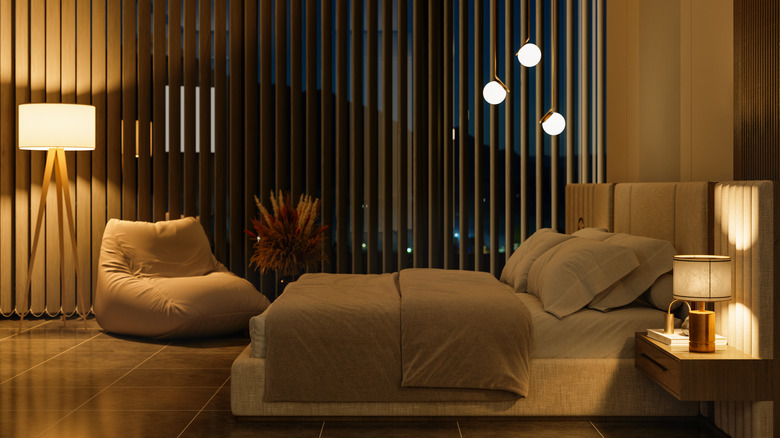
Lamp-only lighting has become a TikTok favorite, often showcased as the secret to creating a warm, cozy glow that looks perfect on the feed. And while lamps do add atmosphere, relying on them alone can leave your room looking dim and uneven. Before accent lights can actually do their job, most spaces need a clear base of ambient lighting that fills the room evenly. Without an overhead source, shadows can build up in corners, and simple tasks like reading, cooking, or hosting guests become harder than they should be. What looks aesthetically pleasing in a curated clip often feels impractical in daily life.
The better approach is to treat lighting the way many designers do: as a layered system. A ceiling fixture, especially one that can be adapted with a dimmer, gives you control over brightness, setting an overall tone for the room. Lamps and accent lights then bring warmth, depth, and personality. By blending the two, you get ambiance without sacrificing visibility or comfort. By doing this, you don't have to embrace harsh lighting — even lamps such as a pendant with a warm bulb or a flush mount with diffused glass can elevate your room instantly. The goal isn't to abandon lamps, but to let them work together with your overhead lighting so your space feels both functional and inviting at any time of day.
Blobby, curvy furniture isn't as comfy as it looks
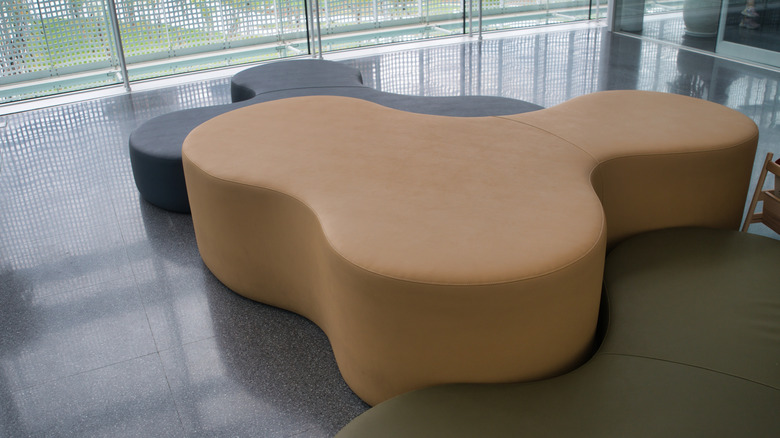
These days, blobby, sculptural furniture has been dominating TikTok feeds. You've probably seen those bulbous chairs and ultra-curvy silhouettes that look more like exhibit pieces in a modern art museum than everyday seating. While they clearly photograph beautifully, they often fail when it comes to day-to-day comfort. Many of these designs are extremely low to the ground, making it awkward to sit down and even harder to stand back up. The lack of supportive structure means your body doesn't get the ergonomic backing it needs, so long lounging sessions quickly become uncomfortable.
Beyond comfort, filling a room with too many curvy statement pieces can unintentionally create a "funhouse" effect — think lots of rounded edges but no visual anchor or sense of order. Rooms need contrast to feel balanced, and an overload of blob-shaped furniture removes the clean lines that help define a space. Instead of building an entire room around this trend, a better approach is to use sculptural furniture sparingly. One standout chair or a single curvy side table can add interest without overwhelming the room or sacrificing practicality and comfort. Afterward, pair these pieces with classic silhouettes or structured upholstery to maintain comfort and visual harmony. That way, you get the charm of the trend without committing to a space that feels more like a fairground than a livable home.
Over-the-top statement walls can overwhelm the whole room
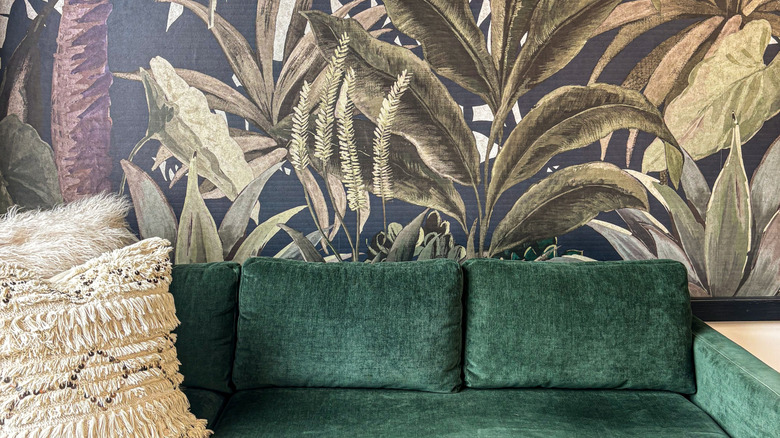
Statement walls, especially massive murals, oversized motifs, and ultra-saturated colors, often explode on social media because they deliver dramatic impact in just a few seconds. However, what initially reads as bold on a screen can quickly overpower an actual room when you're living in it every day. Highly graphic walls have a tendency to date fast, especially when the imagery or palette is tied to a fleeting trend. Designers frequently warn that these mural-style looks can visually shrink a room or clash with furniture you already own, leaving the space disjointed and hard to style. In addition to this, the materials required can end up being quite pricey, making the investment feel wasteful rather than worthwhile if the look loses its appeal sooner than expected.
A more timeless approach is to focus on enhancing your room's natural architecture rather than competing with it. Instead of coating a wall in a single loud motif, consider focusing on the detail, like paneling, picture-frame molding, or even tonal paint techniques that create more depth. Layered art is another timeless solution, allowing you to personalize your space without committing to an entire wall of pattern. You can also experiment with color in smaller, more flexible ways through textiles or a beautifully framed print. These techniques provide the same sense of interest and personality while keeping your space grounded, adaptable, and much easier to update as your style evolves.
Animal prints can easily tip a room into tacky territory
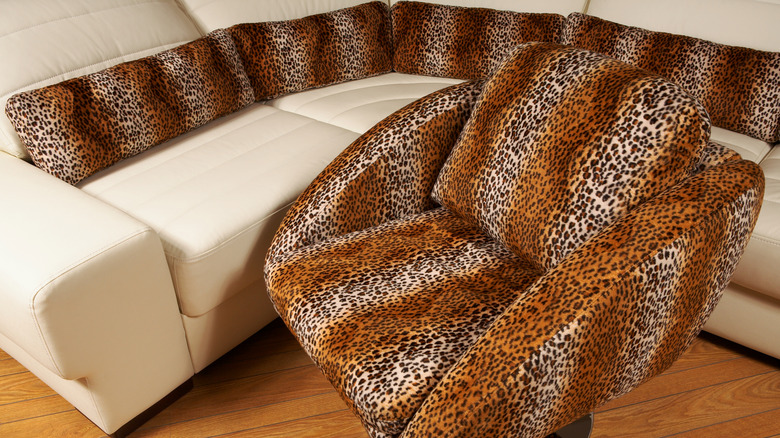
Animal prints have never truly disappeared from interior design, but the maximalist approach dominating TikTok has brought them back with a more exaggerated energy. It seems as if more and more people are trying it out these days, documenting their design journey online. After all, a touch of leopard or zebra can instantly add playfulness to a room. One thing to be aware of, though, is that these bold patterns dominate quickly; once they take over, they often give a room a kitschy, costume-like appearance. Designers often caution that animal prints, especially in large-scale applications, tend to anchor a space in a dated or overly thematic direction, making it harder to coordinate furniture and accessories without the whole room feeling like it belongs to a specific era or aesthetic.
Ultimately, the issue isn't the print itself but the intensity with which it's often applied. When incorporated thoughtfully and when things like scale and color are taken into consideration, animal prints can be layered to look visually balanced. They can even act as a neutral when used subtly, with many minimalists adding touches of animal print to their homes. Additionally, if you love pattern but want something more refined, consider options that offer depth and layers without overwhelming the eye. Textured fabrics — for example, boucle or woven cotton – create visual interest and movement without being too loud. Even subtle abstract patterns can bring in energy without locking the room into a theme. These alternatives give you the expressiveness you're after while keeping your space feeling elevated.
Painting your outdoor brick white
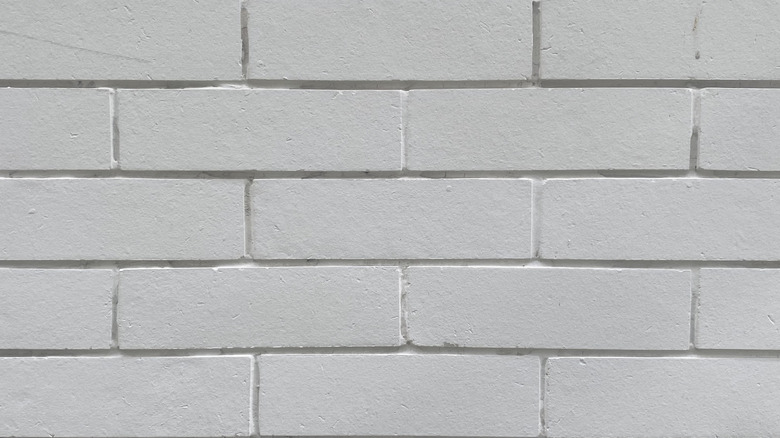
Painting exterior brick white has become a popular visual trend, especially online, where the transformation from dark, dated brick to a crisp, modern façade looks incredibly satisfying. But what's rarely shown in those makeovers is the long-term damage that standard paint can cause. Brick is a naturally porous material that needs to breathe. When you coat exterior brick with regular paint, especially in climates with rain or humidity, you seal the surface and trap moisture inside. Over time, this trapped moisture pushes outward, causing the paint to peel and the brick to deteriorate and eventually weaken. Repairing this damage can require extensive grinding or even full brick replacement. Because of this, many brick experts strongly caution against using standard paints on outdoor brick, noting that the damage can be expensive or irreversible once it starts.
If you love the softened, updated look of light brick, there are safer alternatives that achieve the same effect without compromising the structure. Limewashed and mineral-based paints are breathable coatings specifically designed to let moisture pass through. They create a matte, natural finish that ages gracefully and won't trap water inside your walls. Another option is a brick stain, which penetrates instead of sealing the surface. These finishes allow you to refresh your home's exterior while still maintaining the integrity of the brick underneath. Choosing the right method makes all the difference between a timeless upgrade and a costly mistake waiting to happen.
Investing in a cloud sofa
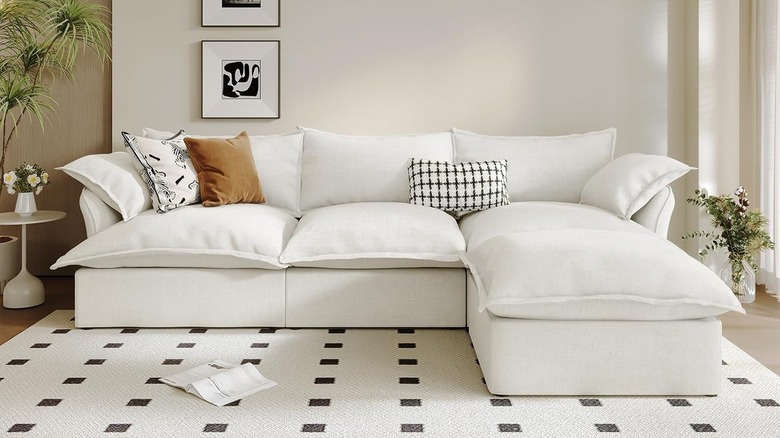
Cloud sofas have become a TikTok obsession because they look impossibly plush; it almost looks like you're sinking into a hug. But the reality of living with one isn't always so dreamy, as this once-popular trend can quickly look dated. Many cloud-style sofas rely on feather-filled cushions, which means they lose their shape quickly and must be fluffed constantly. Even sitting for a short period can compress the cushions enough to leave the sofa looking rumpled, much like a freshly made bed after someone plops onto it. For households that prioritise tidiness or structured seating, this can become frustrating fast. And because the seats are often deep and low, some people find them uncomfortable for long periods, especially if they prefer proper support.
Beyond comfort, the maintenance alone can become a chore, and the upkeep of these sofas is another factor many homeowners underestimate. Feathers can shift and clump, and over time, the cushions may sag without regular care. While these sofas are undeniably beautiful and photograph well, they can be impractical for families, pet owners, or anyone who wants furniture that looks put-together. If you love the cloud aesthetic, consider hybrid models with a mix of foam and down feathers, or sofas with structured frames and removable, cushy toppers. These alternatives deliver the soft, inviting feel of the cloud aesthetic without the constant upkeep. They strike a balance between comfort and ease, making them far more suitable for everyday living.
Decorating in any kind of -core
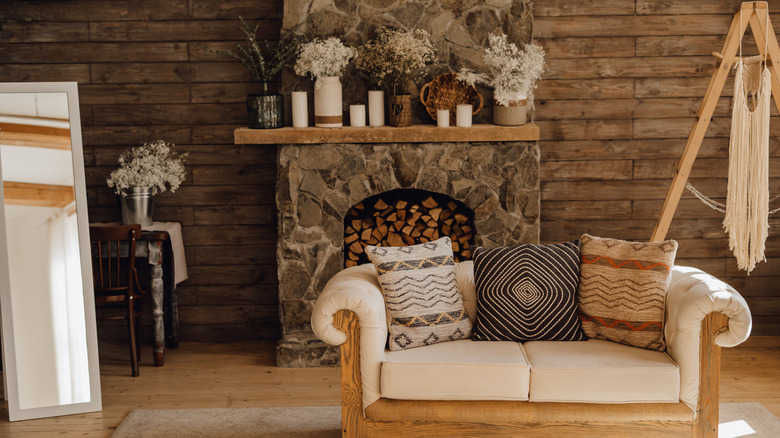
Aesthetic-driven decor categories like cottagecore, barbiecore, and every other "-core" trend balloon on TikTok because they offer an instant, ready-made aesthetic. But what makes them so fun on social media is exactly what makes them risky in real life: they rely heavily on highly specific visuals that age quickly. Entire rooms built around these micro-aesthetics often feel outdated within a year or two, especially as TikTok cycles through trends at lightning speed. Designers increasingly warn against committing to a full "–core" makeover because it encourages buying decor that only works within that theme, leading to overspending and unnecessary waste once the look is no longer appealing.
Instead of overhauling your space to match an aesthetic you may eventually outgrow, try incorporating elements you genuinely love, and not just ones that fit the trend. You can draw inspiration from multiple styles, blend sentimental pieces with timeless furniture, and let your home evolve gradually rather than all at once. To do this, sitting down with yourself to do the interior work is important. This approach offers far more longevity and prevents the burnout that comes from living inside an aesthetic box. You can still enjoy "–core" trends, but it's smarter to treat them as accents rather than the blueprint for your entire home.
Investing in battery operated lighting
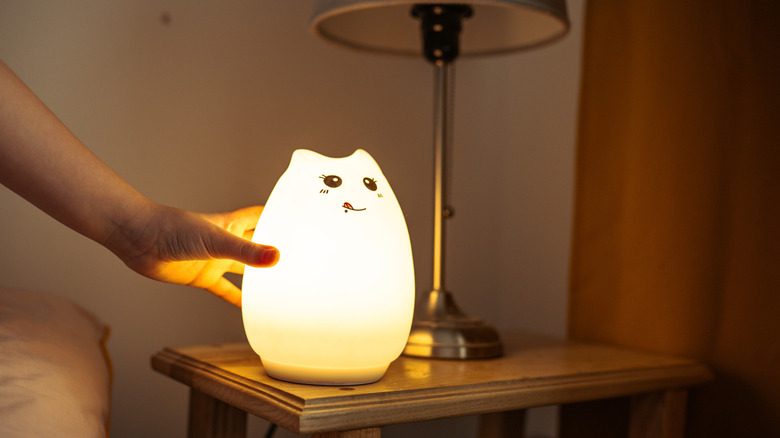
Battery-operated sconces, lamps, and puck lights have surged in popularity thanks to renters and DIY enthusiasts who want flexibility without committing to electrical work. On TikTok, they appear effortless: no electrician, no drilling — just stick them on the wall, tap the remote, and instantly transform a dark corner into a cozy, softly lit nook. But most people who actually live with these lights quickly discover their limitations. Battery-powered bulbs often produce dimmer, more uneven light compared to wired options. They struggle to illuminate an entire room and tend to work only as secondary or mood lighting. On top of that, constant recharging or replacing batteries becomes a hassle, especially if the lights are mounted in hard-to-reach places.
Over time, many homeowners simply stop using them because the maintenance outweighs the convenience. The initial appeal may fade once the light quality and upkeep become frustrating. If you still love the flexibility of cordless lighting, there are smarter ways to achieve it. Rechargeable table lamps are designed with stronger outputs, making them a better choice, or you can opt to invest in plug-in sconces with cleverly hidden cords. These alternatives provide similar versatility but perform much better for daily living. Ultimately, the goal isn't to avoid convenience, but rather, to choose lighting that enhances your home's functionality while still being enjoyable to use day after day.