

The Harmful Pesticides You Should Never Use On Ants
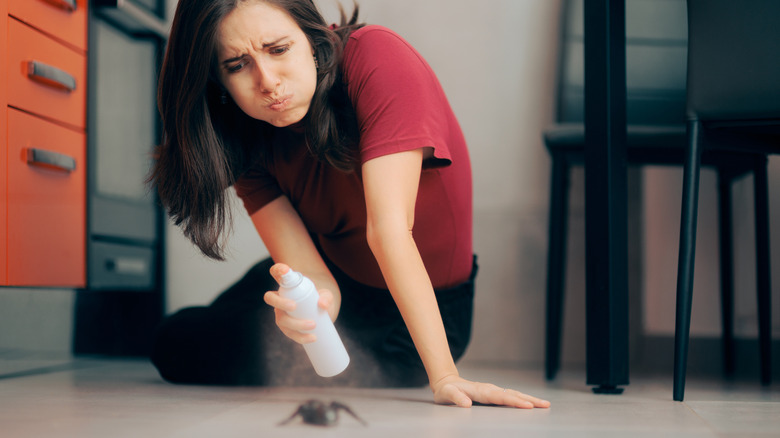
Ants are everywhere. With nearly 2.5 million ants on the planet for each human, we, as a species, are definitely not alone. Although nobody minds a little company, the real headaches begin when you start finding these creatures at places where they do not belong. From marching military style across kitchen cupboards, to emerging through drain pipes in bathrooms, and even claiming Fluffy's food bowl as their own, these notorious visitors can be especially hard to evict. This is definitely the case in places with milder climates and after bouts of rain. But where most folks go wrong is, alongside trying their best DIY remedies – citrus-based cleaners, chili pepper, or baking soda – a lot of them dump a truck load of pesticides on the ants as well. Pyrethroids, in particular, are extensively used to eliminate ants. But these chemicals ultimately find their way to water sources and end up completely disrupting aquatic life.
Pyrethroids are synthetic insecticides that are modeled around pyrethrin chemicals, found naturally in some chrysanthemum flowers. Pyrethrin, in turn, is used as a pesticide to kill ants and other insects by exciting their nervous system. When ants consume or get in contact with these chemicals, they become paralyzed and ultimately die.
Bigger problems arise once these chemicals find a way to get attached to the sediments in bodies of water. Being extensively used in the urban sphere, pyrethroids enter water streams via surface run off. Here, these chemicals lie bound to the organic matter for months, and damage fish, benthic invertebrates, and other aquatic fauna. This is why using pyrethrin and popular pesticides, such as neonics, is a dangerous mistake for the environment.
Pyrethroids can severely damage the aquatic eco-system
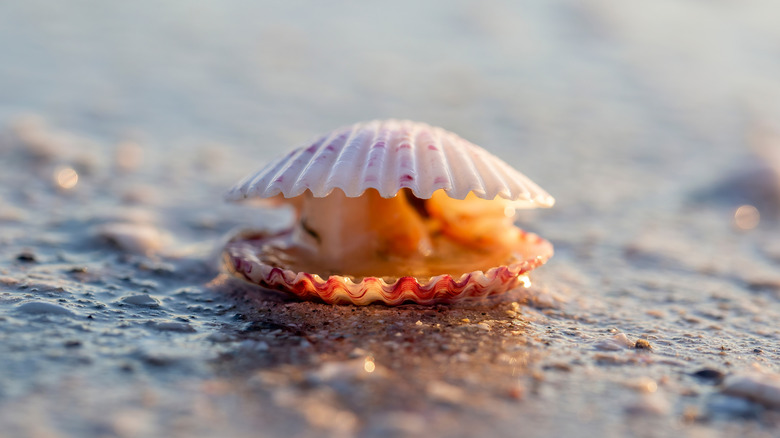
Pyrethroids have a devastating effect on fishes, harming their nervous systems and respiratory surfaces. Early juveniles and newly hatched larvae are especially susceptible to the chemical. Apart from fish, pyrethroids also interfere with the nervous system of mollusks present inside water bodies, and cause drastic changes in behavior while affecting their growth and reproduction. According to a study published in Pesticide Biochemistry and Physiology, pyrethroid-based pesticides, such as deltamethrin and malathion, posed a significant risk to the life of certain species of snails and reduced their egg-laying capacity. These pesticides have also forced mollusks to avoid pyrethroid-contaminated regions and resort to altered feeding habits, even avoiding food sources altogether.
Since fish and mollusks are indispensable members of the aquatic eco-systems, contamination of their natural habitat is a big cause for concern. Mollusks bear the responsibility for breaking down organic matter and making it available for other species in the area. They also keep the primary consumer population in check by feeding on small fishes and crustaceans. Mollusks, in turn, are also food sources themselves for other fishes, birds, and invertebrates. A constant diffusion of pyrethroids into aquatic bodies poses a giant risk to the entire food web.
Although pyrethroids are way more toxic for insects and fishes, they can also affect birds such as ducks, hens, and canaries. Birds, in general, have a tendency to mistake insecticide granules for food and ingest them. Apart from this, pyrethroids can also kill ants and other insects in such large numbers that they deprive the birds and other wildlife of food –- a case of indirect mortality. Furthermore, with bees now dying faster than ever, pyrethroids are also a threat to them, since these chemicals are highly toxic for honeybees.
Better alternatives to pesticides when dealing with ants

If you don't stop the army of ants with chemicals, do you simply let them wreak havoc in your house all day long? Although some experts do suggest contemplating our attitude towards ants, and not treating them as pests, there are also some non-harmful methods to keep them at bay. "Live with them, seal their holes, vacuum them up, but don't use chemicals," ant expert, Brian Fisher tells San Francisco Chronicle. To begin with, you can seal entry points for ants with caulk or weather strips. Locate all the holes, cracks, and crevices in the house that are bringing them inside and seal them up. Make sure you remove all debris from the house as well, cleaning up any food waste and crumbs.
You can also use soapy water to create a barrier between the ants and the food sources they are attracted to. For instance, if you find the ants constantly in your pet's food bowl, you can start placing the bowl within a larger bowl filled with soapy water. Apart from deterring the ants in the first place, or drowning them, soapy water will also eliminate their pheromone trails and stop other ants from following. Furthermore, if you find nests of ants around your house, you can soak them up in hot, soapy water and get rid of them en masse. You can also simply vacuum up the ants in the house and dispose of the bag. In the meantime, consider some common kitchen ingredients you can use for DIY pest control that work for ants, such as cinnamon powder and vinegar.