

How To Determine Whether A Patio Set Is Sturdy Before You Buy
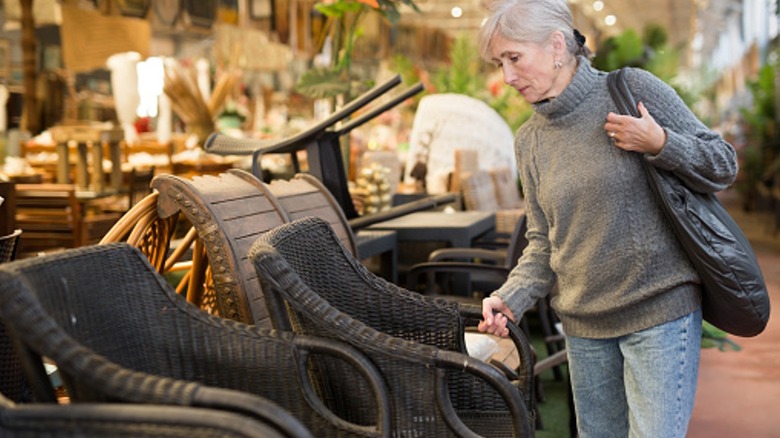
Patio furniture is the unsung hero of long days spent lingering in the backyard — until it starts to betray you. One minute, you're watching the birds flit around your feeders while sipping your second cup of coffee, and the next, you're sinking straight through the seat. Or, maybe your dining set decides to make an unannounced visit to the neighbors yard after contorting itself during an intense storm. Sometimes, the wear and tear shows up in quieter ways, like tiny cracks in plastic, loosened metal joints, or cushions that seem to mildew almost instantly. If you're in the market for a new patio set, looks aren't the only thing to keep in mind. Before you buy, consider the material, construction, weight, and warranty, which contribute more to sturdiness and longevity than most people realize.
When designing your perfect patio, it's easy to forget that durability goes far beyond how furniture looks in a showroom. What really matters is how well it holds up after a season (or two!). Sturdiness isn't just about how solid a chair feels when you sit on the sample, debating with your spouse whether the splurge is worth it and which color cushions will look best against your new landscaping. Real durability depends on how well the set you choose can resist daily wear and tear. It's an excellent idea to check out customer reviews online to get several real-world takes on how well a potential patio set actually stands up to the elements. You're also likely to find detailed descriptions of the set's material components and construction methods online or right on the label, which can help guide your choice.
How to pick patio furniture that lasts
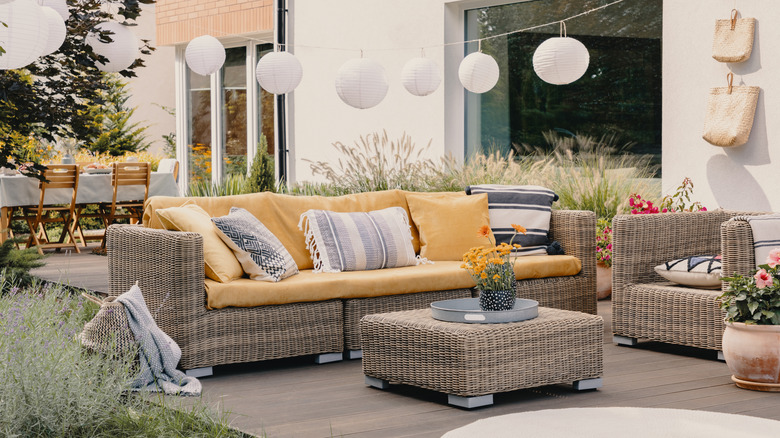
Forgetting to consider your specific environment is one of the most common patio design mistakes, but it's essential if you want your set to last. Coastal humidity, desert heat, and frigid winters all stress materials differently, so durability starts with picking the right material for your climate. Aluminum is lightweight and rust-resistant, but needs a thick finish to withstand sun and moisture. Steel is stronger, but should be galvanized or powder-coated to avoid corrosion. And if you're considering wood, choose teak, which naturally resists rot and insects better than cheaper woods.
From there, consider construction quality. Look for thick-gauge metals, tightly woven synthetic fabrics, and reinforced frames designed to stand up to daily stress. This is where weight and weight limits matter. Ultralight pieces may be easier to carry home, but they're far more likely to become airborne during strong winds or heave under heavier users. Substantial pieces made from wood or wrought iron are less likely to blow away or buckle. If you love wicker, opt for UV-resistant synthetic resin versions, which hold their shape longer than budget-friendly wood that's more prone to splitting over time. Even cushions can signal sturdiness. High-density foam with removable waterproofed covers will last longer than thin ones upholstered in cheap canvas.
Finally, there's the fine print. Along with instructions on how to clean your outdoor furniture that reveal what kind of maintenance commitment you should expect, warranties say a lot about how confident a manufacturer is in a product's long-term performance. If a brand only offers a year of limited coverage, that's usually a hint about the patio set's expected lifespan.