

13 Ways To Modernize Knotty Pine Walls For An Updated, Sophisticated Look
We may receive a commission on purchases made from links.
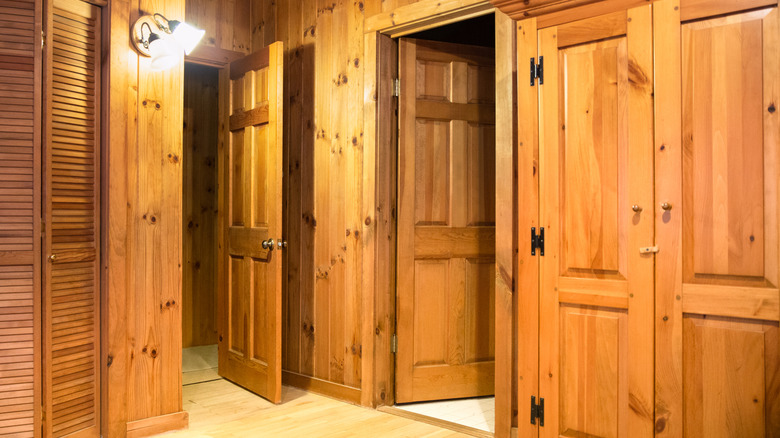
Rustic, warm, and cozy — that's how some people describe knotty pine walls. Though, others think of it as outdated, overwhelming, and even ugly. It's true that knotty pine makes the list of wood finishes that are dating your home. It could feel dated because it gained popularity between the 1930s and the 1960s, and most homeowners have moved on from that era of decor to something a little more modern. But you don't necessarily need to remove or completely cover your current knotty pine walls just because they don't match your desired aesthetic. In fact, you might grow to love the rustic earthiness of the knotty pine grain once you try some of our tips for modernizing the material.
Some of the update options involve changing the wood itself — painting, staining, and aging the pine are examples. But you can also dial down the log cabin look and ramp up the classiness by changing other elements of the room. Updating the trim, flooring, wall decor, other finishes, and accents all help minimize the archaic look of knotty pine. We've put together 13 ways that you can modernize the knotty pine look in your home, whether you want to hang onto some of the wood or you simply can't afford to replace it. Choose just one for a subtle change, or try multiple options for a bigger impact.
Stain the knotty pine a more modern shade
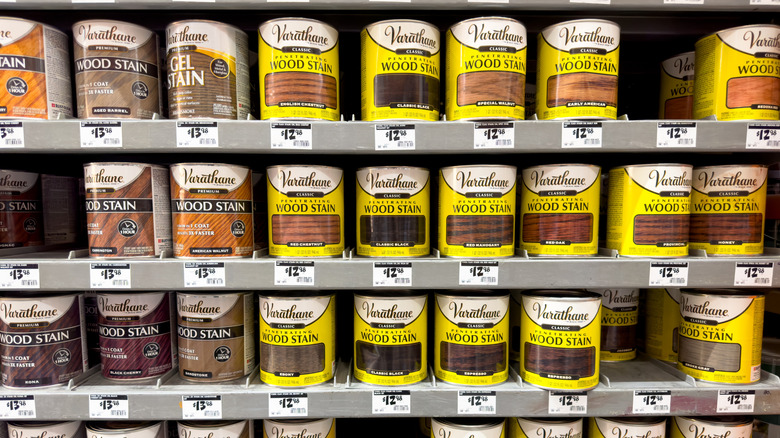
For many people, the most unappealing part about knotty pine is that out-of-date orange tone. The orangey hue often reminds people of the mid-1900s (an aesthetic they don't want to hang onto), and it could also make the space feel like it has aged poorly and grown discolored, thanks to the orange look. Staining the paneling tones down that orange color to something more modern, while still giving all of those knots and wood grain patterns a chance to show.
Before staining the paneling, you'll need to remove the existing finish — this reveals the true color of the wood, without any of the aged lacquer that's currently covering it. This can give you a better idea of the stain color to use to achieve the look you're going for. Lighter finishes help brighten the room, which can be a welcome change from the dark, heavy, orange look. You'll also create a more modern or Scandinavian vibe by going light. Darker stain colors also work if you want to go for rich, luxurious, dramatic contrast against lighter furnishings. It can also create a more formal look. Once you apply your chosen stain color, remember to seal the knotty pine to protect it.
Paint over it to hide some of the wood grain
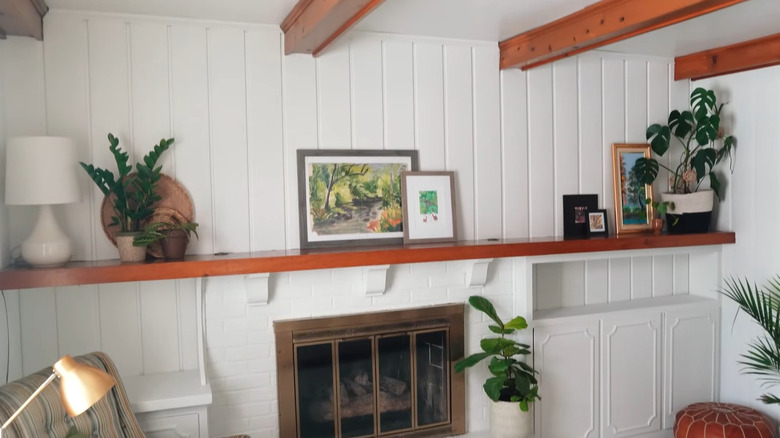
For some homeowners, it's more than just the orange hue that makes knotty pine outdated — it's the whole rustic vibe that causes it to feel out of place. This type of wood paneling fits well into a cottagecore or rustic home, because of its prominent grain and dark knots that make it so easily identifiable. If you want a brighter, cleaner, more modern look, you might prefer to paint the paneling to hide those rustic features. It helps diminish the paneling look without removing the wood and repairing the walls behind it.
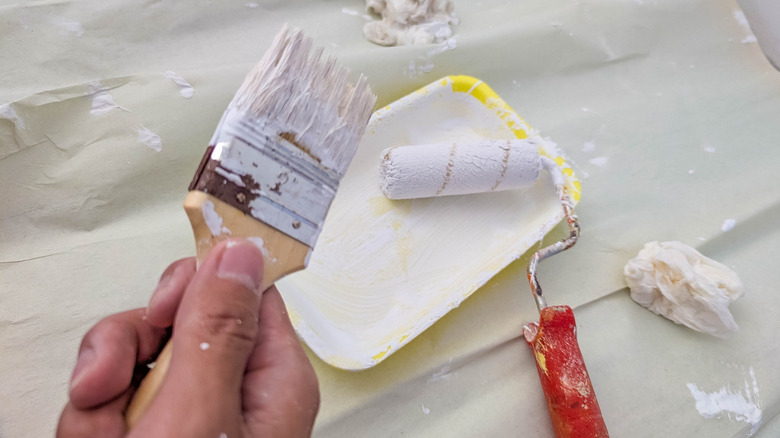
White is a popular color for painting knotty pine, especially if you're ready for a break from the dark wood look. As you're figuring out the best way to paint wood paneling, don't forget the primer. It's especially important when covering a material like knotty pine, which has a distinct texture and darker knots that can be difficult to cover and even bleed discoloration into the paint. Using a good primer first seals the wood and minimizes how much of it shows through the paint. However, even with a good primer, some warn against painting knotty pine, as it can be difficult to get good results and avoid bleed-through. Also paint won't completely cover up the grain, so don't expect a whisper-smooth finish. A whitewash stain is an alternative that can result in a better finish, while still giving you a lighter look.
Paint the trim in the room white to balance out the dated look
Trim has the power to transform a room. It can add architectural detail, create a foundation in the space, and draw attention to features like windows. The color you choose also impacts what the trim does for the room. For instance, white trim provides a lighter, brighter look against dark walls, creating a modern, clean aesthetic, which can balance out the knotty pine walls. White trim also highlights features, like doors and windows, within the room, which can distract from the knotty pine's dated appearance. This option is a good way to maintain the wood look, while tempering it slightly. The trim is also a smaller area to paint than all of your walls.
Before you start painting, decide how much of the trim you want to cover in white. You can start small by only painting the casings around the doors and windows. If you want to lighten the room even more, paint the baseboards and trim around the ceiling. Even mantels, stair railings, and other wood elements in the room can be transformed with a few coats of white paint. Taking time for prep is one of the best tips for painting trim.
Add statement trim around the room to distract from the knotty pine
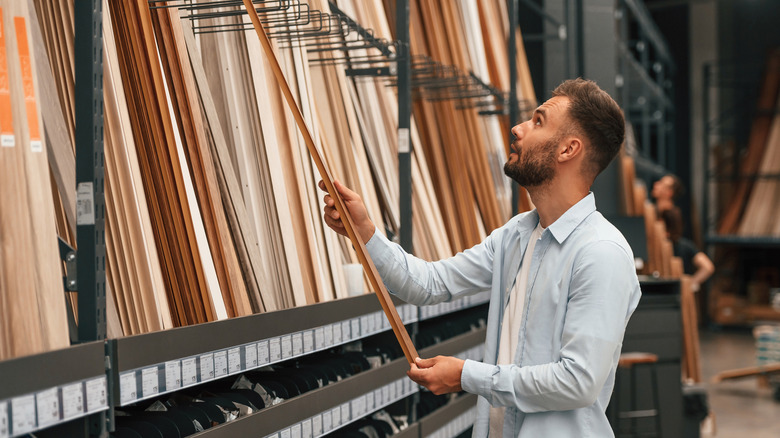
If your room lacks decorative trim, adding it could refresh the look of the knotty pine paneling. Crown molding is a popular option around the ceiling. The trim creates the illusion of height in the room, which can help open up a dark, closed-in room covered in knotty pine. And because the molding adds architectural interest, it can also attract attention, drawing your eyes away from the outdated walls. Consider installing a taller baseboard trim to cover up more of the paneling at the bottom of the room as well.
Start by choosing a trim that works with your desired aesthetic. Crown molding comes in styles ranging from traditional designs to more streamlined contemporary profiles. Other ceiling trim options that pair well with knotty pine include beveled-edge and three bead molding. If you want a more traditional look, you might choose a colonial casing and baseboard for your wood-paneled room. The size of the trim is also important — larger trim covers more of the pine paneling, but baseboards of 8 inches or more are best in rooms with higher ceilings. To make an even bigger impact, combine adding trim with painting it white to brighten the room and counteract the dark look of the paneling.
Update your wall decor to avoid an overly busy look
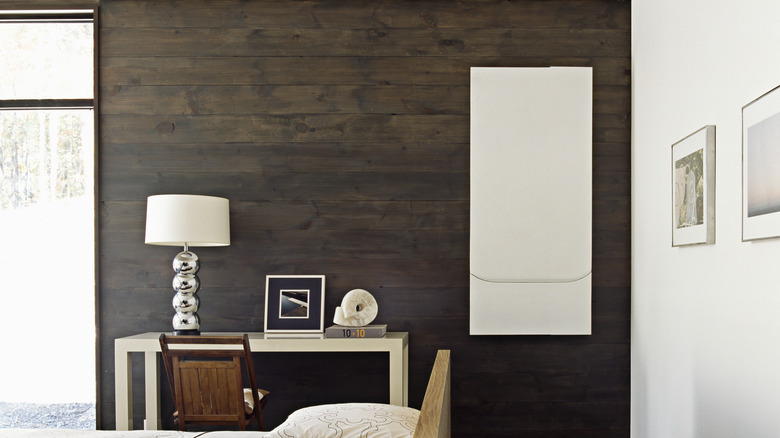
How you decorate the knotty pine walls can affect their appearance. Knotty pine already has a lot going on with the graining and knots, so not going overboard with the art prevents the room from looking too busy. A few large, attention-grabbing (though not overly busy) pieces of artwork divert the gaze away from the wood paneling. Plus, they cover some of the paneling. It's a way to create a visual break in the large swath of swirly wood, especially in a room that's fully paneled. You can also use the artwork to show off your personality and shift the look of the room by choosing artwork that's more modern. And if you pair this technique with a fresh stain, you can create an even more impactful, modernizing transformation.
If you want to cover up a good amount of wood, without creating a crowded look, opt for fewer, large pieces. Lighter colors create a brightening contrast to the darker wood walls, but soft earth tones also work well with knotty pine. To draw more attention to the artwork, shine a light on it with the Popolron Rechargeable Picture Light, or a similar option. Not interested in traditional artwork? Choose from beautifully unique rustic home decor ideas that aren't paintings, like embroidered art and framed mirrors.
Move toward more airy styling with furniture and decor
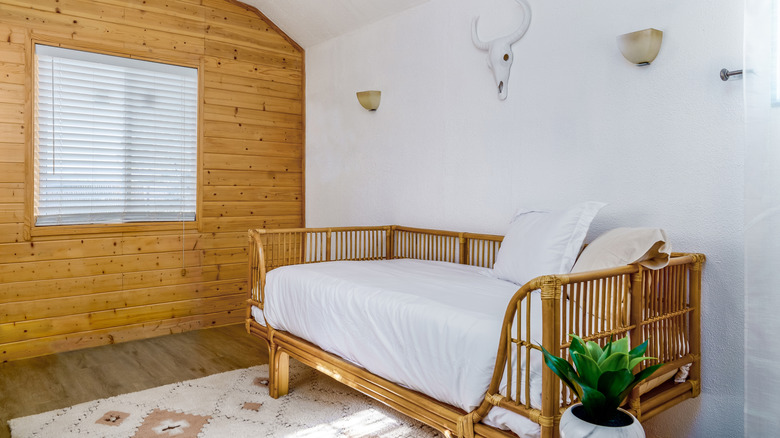
Since knotty pine leans toward a rustic look, scaling back the rest of the decor with a minimalist, fresher-feeling style can balance it out. Bulky, ornate, traditional furniture pieces feed off of the rustic look of the walls and can make the space look too heavy. But contemporary pieces tend to have straighter lines and less detailing, which contrasts with the busy knotty pine paneling. While the walls might still lean rustic, the room overall will feel more updated. Light furnishings may also help brighten up the room.
There are many low-effort ways to incorporate fresh minimalist decor trends into your home, starting with scaling back the furnishings you have. If you have lots of wall art, pick just a few that you love, or you might eliminate extra furniture pieces in the room that aren't needed. When possible, lean toward lighter tones like pastels, beige, gold, and warmer white hues. If you're ready to replace your furniture, opt for clean lines, minimal patterning, light colors, sculptural shapes, and slim legs.
Amp up other focal points to minimize the knotty pine
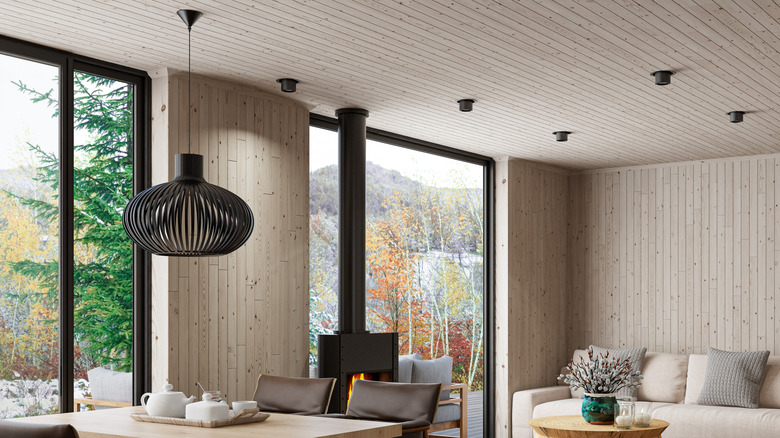
If the wood walls aren't your favorite part of the room, put the focus on the features that are. Even though the knotty pine is still there, it becomes less noticeable when you take steps to draw the eye to other parts of the room. Choosing a focal point in the room helps set the tone for the space and establishes a visual anchor, which creates a sense of order. Every room is different, but examples of features to highlight instead of the paneling include large windows, a fireplace, a statement light fixture, or built-in shelving.
Once you decide on the features you want to emphasize, decide how to draw more attention to those areas. If it's a window with a beautiful view, paint the trim around it a contrasting color to make it stand out or hang curtains that draw attention without blocking the natural light or the view. To emphasize a fireplace, refinish the mantel, change the surroundings, and accessorize with decorative fireplace tools. Paint in a contrasting color and light shining on the selected feature are two methods that work for most focal points.
Make it look even more rustic with aging techniques
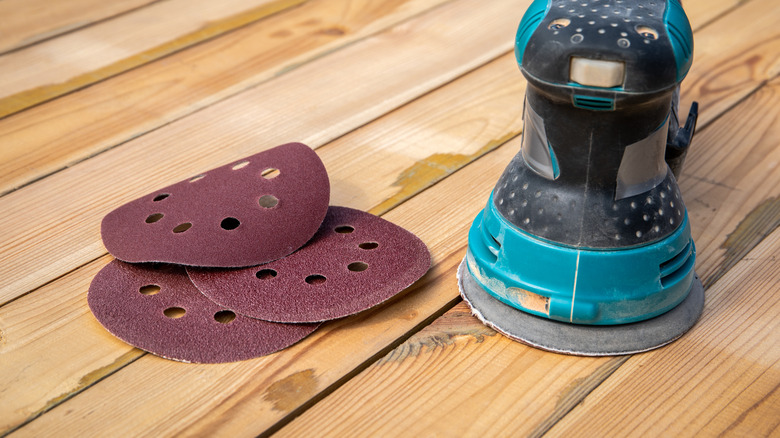
While some people shy away from the rustic look, others embrace it. You can leave the rustic elements, while still modernizing the knotty pine. Creating a weathered, aged, rugged look can take the edge off and replace any orangey tones with a charming vintage vibe. There are several ways you can age the pine wood, but keep in mind that you're permanently weathering the wood. Start slowly to avoid irreversible damage that you don't like. If you have a spare board around, test out some of the methods on that first. It might not look exactly the same on the knotty pine, but it gives you a general idea and a chance to practice.
One option is sanding, either by hand with sandpaper or using a machine, like an orbital sander. You can scuff certain areas to make it look worn, or smooth sharper edges to make them look weathered from years of use. Nails and similar items can also be used to create scratches in the wood. Or, use the nails to make holes in the wood, giving it a reclaimed look. If you prefer changes to the finish color, consider black tea, which can help darken the wood naturally.
Wallpaper the upper half for a wainscotting look
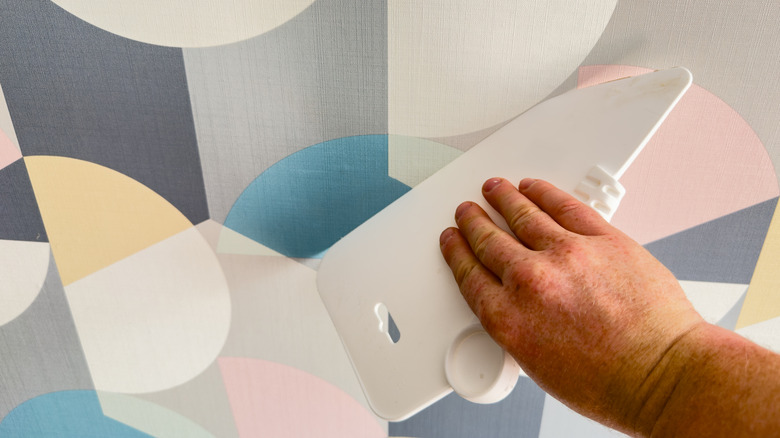
With so many innovative ways to use wallpaper in any room, you might not think about pairing it with your knotty pine. But it's a colorful and creative way to hide part of the wood paneling — and can create a contemporary feel. For this idea, you'll apply wallpaper to the upper half of the room. The paneling remains exposed on the bottom, creating a wainscoting-like look. Adding a piece of trim between the wallpaper and exposed knotty pine helps cover where they meet. Not only is half of the paneling hidden, but you can select the wallpaper strategically so it brightens and modernizes the room.
When selecting the wallpaper, consider the pattern style — a contemporary pattern can help modernize the space. You'll also want to choose colors in the pattern that go well with the wood. Before you can apply the wallpaper, you'll need a smooth, clean surface. If the knotty pine paneling has large gaps between the boards, it's best to fill them. Sanding the wood first helps the wallpaper stick to it better. Then, follow the installation instructions for the type of wallpaper product you choose.
Update your finishes to be more modern

Sometimes, it's not just the knotty pine that's making the room look dated. If the entire home is still stuck in the twentieth century, there are likely several areas that could use a refresher. By replacing things like outdated light fixtures, worn-out doors, drafty windows, and antiquated metal finishes, you modernize the room. Even if you leave the knotty pine untouched, the space will feel more suited to present times.
Start by looking around the room critically to identify all of the outdated features. Decide which ones would make the most impact with a refresh. Outdated ceiling fans and light fixtures often stand out because they're large and hang down into the room. If you want to stick with a ceiling fan, swap it out for a sleek, simple design. Or, go for a large, modern lighting fixture overhead — that way, your guests look up when they walk in the room, rather than looking at the walls. Installing new windows creates a more modern look and offers improved energy efficiency as well.
Bring it into the present time with modern farmhouse details
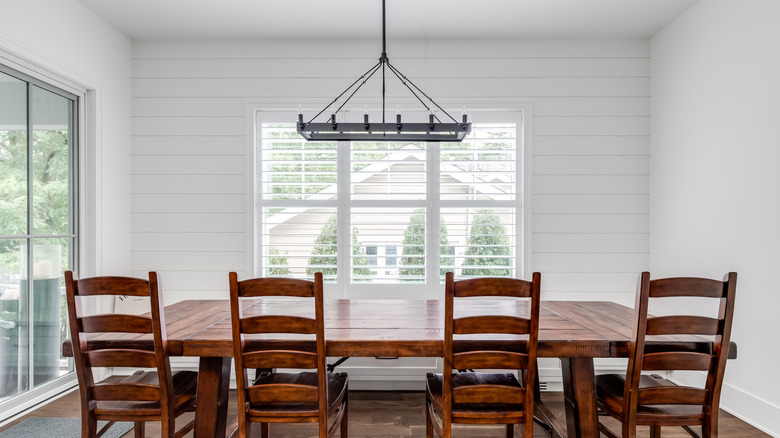
Rustic doesn't have to mean outdated. If your knotty pine room feels more archaic than charming, it could be due to the decor you've chosen. Too much vintage decor from the 1960s and 1970s can make the pine feel stuck in the past. You can emphasize the rustic element, while downplaying the out-of-style effect, with a farmhouse decor theme. That way, the knotty pine serves as a cozy backdrop for your modern farmhouse decor (think shiplap), rather than feeling like an old-timey material that doesn't belong.
While traditional farmhouse interiors favor old-fashioned elements, the modern farmhouse style puts a contemporary twist on it. Channeling the modern farmhouse style with your decor lets you still embrace that cozy, rustic look, while bringing your knotty pine walls into modern times. To nail the look, opt for solid furniture pieces that have simple lines and aren't overly ornate or clunky. Neutral colors are also the way to go, as they can brighten up the space. For smaller farmhouse touches, think things like lantern-style, wrought iron pendant lights and rich, leather textiles.
Consider painting just some of the walls for balance
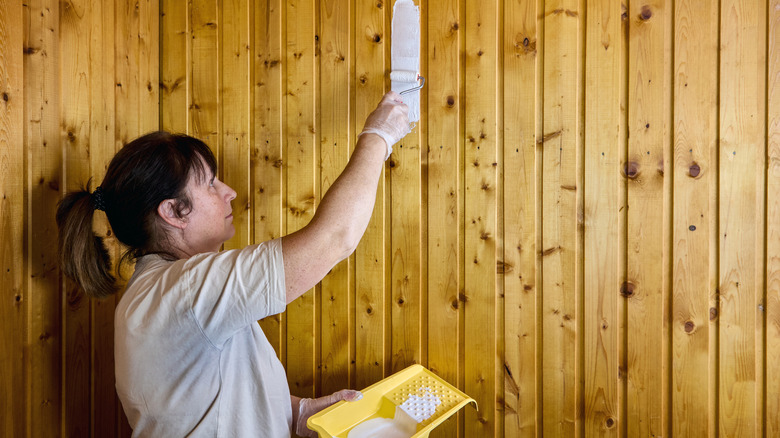
Painting your pine paneling doesn't have to be all or nothing. Maybe you would be okay with the wooden grain in moderation, but, right now, it's surrounding you on all four walls and the ceiling. That can feel like too much, and the dark, orangey tone could make the room feel closed in. Instead of hiding all of the wood grain behind paint, consider painting just some of the surfaces. It tones down the look overall, without eliminating the warmth of the wood entirely.
You can cover as little or as much of the knotty pine as you want. If your ceiling is also covered in knotty pine, paint it white to brighten and lighten the space. Or, paint three of the four walls, creating an accent wall effect. Consider where you want to draw attention. For instance, you might make the fireplace wall the accent wall with knotty pine behind it. Or, if your knotty pine ceiling has beautiful wood beams, you might paint the ceiling, but leave the beams natural.
Change the flooring to modernize the room
Since your knotty pine walls connect to your flooring, it makes sense to change the floor material to update the overall look. That's especially true if the flooring is outdated or it's a similar color as the wall, whether that's an orangey wood tone or a brownish carpet from the 1970s. Continuing a similar color onto the floor can be too much, and adding a little modern contrast helps balance out the look.
When choosing your flooring, consider the undertones to make sure they work with the walls. If you want to go with wood flooring, try a light oak finish, which lightens the room and makes the walls a little more subtle. Stone and concrete are flooring options that give you more contrast to the warmth of the wood walls. You can choose from different types of concrete floor finishes to pick one that fits your aesthetic. If you don't want to replace the entire floor, add a large white wool area rug to lighten the look while still incorporating a warm feel underfoot.