

I'm A Master Gardener, Here Are 12 Companion Planting Tips For Your Winter Garden
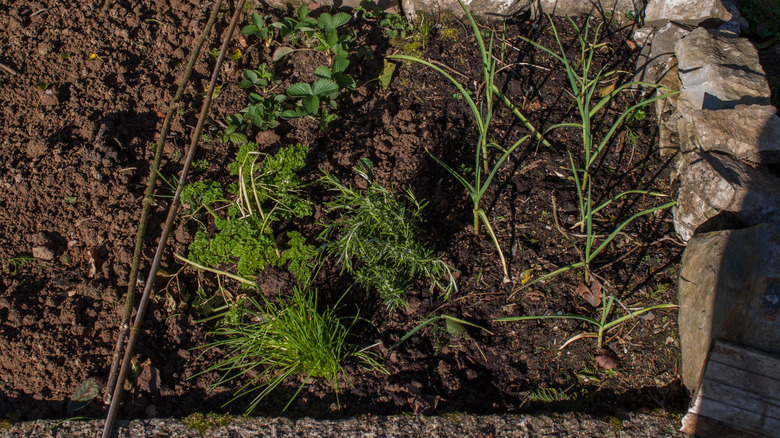
As a master gardener who specializes in organic gardening and permaculture techniques, companion planting is something of an obsession of mine. It's endlessly useful and is the foundation of a healthy garden. It builds biodiversity and soil health, makes plants healthier and more productive, and can help control pests.
Most people don't realize that companion planting can be used as a landscaping tool, too. More than just planting one variety in the same bed as another to boost health, you can use companion plants as physical barriers in the landscape or as tools to help with specific gardenscaping issues. And, while most people think companion planting is only relevant for the active growing season, there's actually plenty of value in winter companion planting, too.
Plant nitrogen fixers as a cover crop

Nitrogen fixers include peas, beans, and other legumes. Plants known as nitrogen fixers take atmospheric nitrogen and convert it into bioavailable nitrogen in the soil. Nitrogen fixation is fascinating. Specific plants, "nitrogen fixers" like those listed above, have a symbiotic relationship with specialist bacteria that live at the nodules on their roots. The bacteria receive sugars from the plant, and in return, they take nitrogen gas from the air and convert it to a form that plants can actually take up from the soil. So, why not plant two companion nitrogen fixers that also complement each other with other benefits?
Cover crops that also happen to be nitrogen fixers serve multiple purposes. They suppress weeds, boost nitrogen concentration in the soil, add organic matter that improves soil structure when you turn it back into the soil, and break down into more available nutrients. Dense cover drops also prevent erosion, nutrient runoff, and topsoil scouring. Vetch and clover are also great choices for cover crops, with the added bonus that they are great nitrogen fixers. I generally sow a mix of clover and peas, as these work best for my particular location and growing space. And the dogs really enjoy munching on some of the tender shoots as they grow!
Leave tall stems standing to capture insulating snow
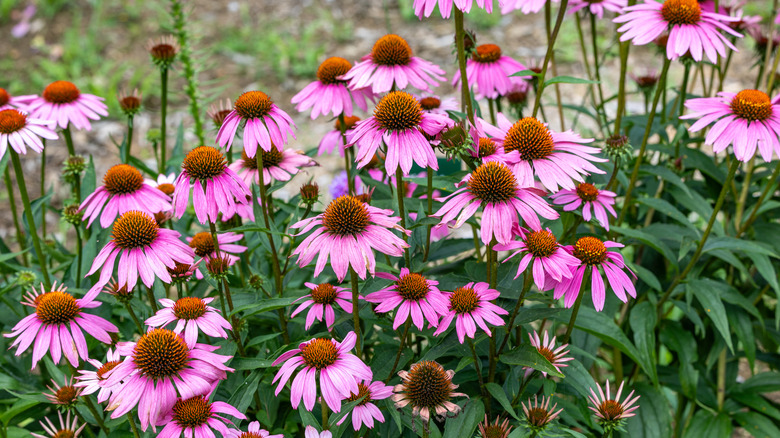
Where you've got tender and borderline-tender perennials in your garden or if you live in an area prone to harsh winters, companion planting for snow capture is super smart. When you're planning your border plantings, interplant tall-stemmed flowers like purple coneflowers, rudbeckia, lupins, and hollyhocks. Basically, as long as the plants are not showing signs of disease, leave the stems and seed heads.
The stems catch falling leaves and snow. This creates an insulating blanket that protects nearby crowns. This companion planting setup is basically a free mulch trap. You want to group these tall, stiff-stemmed plants in informal clusters around delicate crowns you want to protect. Strawberries, for example, which overwinter with crowns right on the soil surface, will get off to a stronger start in summer if you protect them through winter with a clustered border of purple cone flowers and rudbeckia. I don't rely on this alone, however. Once the ground freezes, I mulch bare soil and around tender crowns, too. The tall-stemmed plants then act as an insurance policy.
Pair winter greens with alliums to keep pest numbers down

Winter brassicas like kale, cabbages, brussels sprouts and purple sprouting broccoli are magnets for the last of the aphids and overwintering pests that thrive on leafy greens. But you can fight them off naturally, without resorting to chemical interventions. Interplanting alliums is my go-to. Garlic, leeks, and hardy bunching onions release sulfur compounds that repel aphids and root maggots. They're even effective against mice which would otherwise munch at brassica stems.
Fall-planted garlic, in particular, continues to grow roots even through winter, and thus provides passive protection all season. Garlic is also incredibly easy to grow. Leeks and hardy bunching onions go dormant but still provide some protection, and both last through winter. This winter companion planting tip also makes use of limited space. Alliums and brassicas occupy different root zones, so they don't compete for resources. That means you can squeeze the alliums in between the brassicas without worrying about overcrowding and nutrient depletion.
Use aromatic evergreens to shield vulnerable perennials
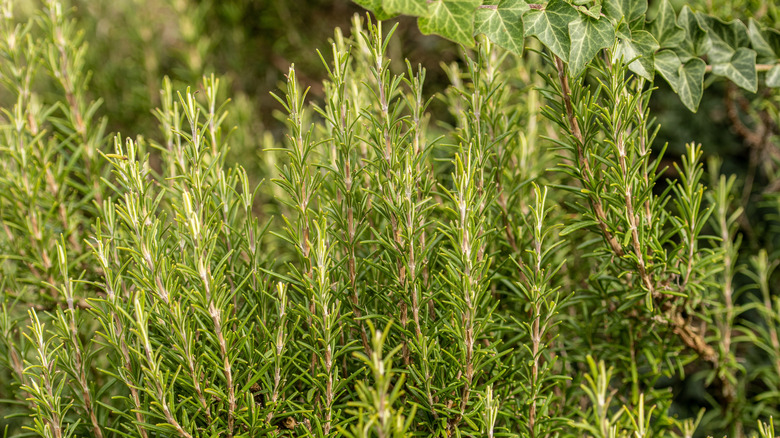
I use herbs extensively as companion plants all year long, because their aromatic nature makes them brilliant for repelling pests, including mosquitoes and aphids. But many are useful through winter, too. Dense, shrubby herbs like lavender, rosemary, and dwarf juniper create thermal buffers. They basically capture the air around them. Plant them strategically around beds with semi-tender plants or where wind exposure can cause damage. They will shelter nearby plants, creating a more stable temperature. Not necessarily warm, but stable. This serves a dual purpose. The still air takes longer to warm or cool, meaning young, delicate, or shallow-rooted plants are less likely to be heaved out of the soil by repeated rapid freezing and thawing.
And, of course, there's the pest aspect. Voles, mice, rabbits, and a whole host of insect pests do not like aromatic foliage. So companion planting them with shallow-rooted plants like strawberries or heuchera that pests will strip bare and are at risk from rapid temperature changes and wind damage is a smart move.
Pair deep-rooted perennials with shallow–rooted winter crops

The theory here is making the most of your available space, offering protection to quick-growing winter crops, and getting some free food from your winter garden without damaging perennials. You can also plant a shallow-rooted cover crop between your perennials if you're not interested in food but want to keep weeds at bay. This companion planting technique is basically root zone layering.
Some plants, especially winter greens like spinach, radish, thyme, and lamb's lettuce, have relatively shallow root systems that concentrate most nutrient uptake near the soil surface, typically within the top 6 to 12 inches. Deep-rooted perennial companion plants like yarrow, comfrey, hollyhocks, echinacea, or rudbeckia all take their nutrients and water from deeper soil layers. This means they won't compete, and you won't overburden your soil. You get ground cover or winter crops without harming the roots of your dormant or semi-dormant perennials. The deep tap roots create air pockets and drainage channels that improve structure and limit compaction. The shallow-rooted plants stabilize the soil surface and prevent scouring and erosion. So it's a truly symbiotic relationship.
Combine winter herbs with cold-season pollinator plants
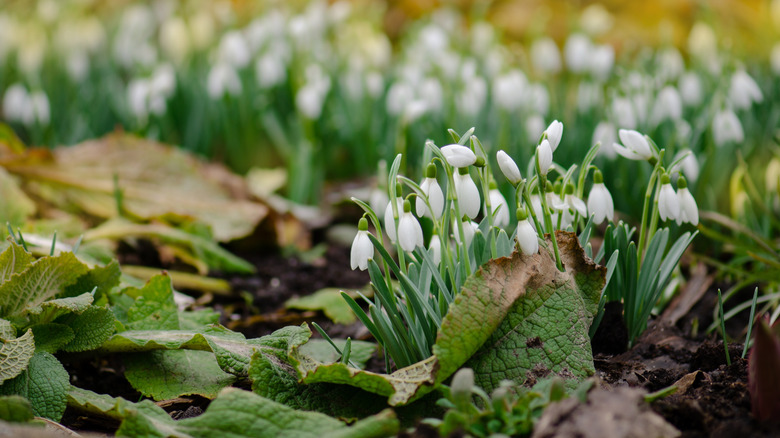
I like to support pollinators as much as I can because they play such an important role in our ecosystems and food supply. They help our gardens flourish. Plus, many of the plants that attract pollinators also attract predatory insects that eat the pests I want to get rid of. So I companion plant for pollinators. I like to combine super-early bloomers like snowdrops, daffodils, hellebores, aconite, and early crocus with winter-hardy herbs like thyme, winter savory, and oregano.
The herbs are dense enough to create slightly warmer microclimates at ground level, which is where many important insects overwinter. It also means that the early-blooming plants have a bit more warmth and protection, so may get off to a slightly earlier start. Frost isn't able to penetrate so deeply in slightly milder environments, so the soil can warm faster. And, interplanting clumps of early bulbs with the herbs creates a beautiful and useful forage zone. When pollinators first wake, they need a lot of food for energy, and a few snowdrops and crocuses dotted around a large garden makes getting enough energy difficult. But interplanting plenty of early-blooming plants with evergreen herbs creates a nice, dense forage zone, giving food, shelter, and plenty of resting places while they gather their strength for the coming year.
Add structural grasses to protect soil and overwintering insects
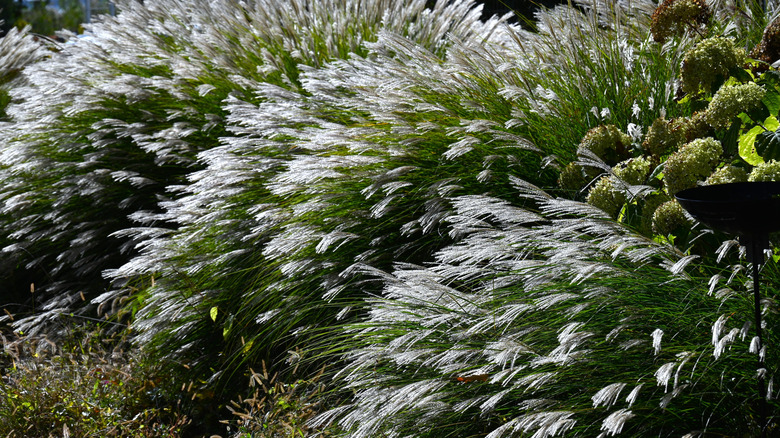
There are plenty of advantages to growing ornamental, native bunching grasses. They are important companion plants because they reduce soil exposure and nutrient runoff. I am a big fan of adding clumps of native grasses as companion plants in exposed areas and on thin, loose soils because they stabilize the soil and help to prevent erosion. Their dense clumping nature also provides valuable habitat for overwintering insects. Now, you do have to be careful, as they can spread, and you don't want them running wild in your beds. So think about where they'll be the most beneficial without causing you a headache a couple of years from now. Be sure to choose a non-invasive grass, as in some regions like California and Hawaii, grasses like pampas are considered invasive.
Before you plant, pay attention to the prevailing wind in your garden. Once you know which direction the wind most often blows across your growing space, you can plant the grasses as natural, flexible wind baffles. Plant them in long drifts, perhaps layered with shorter (or taller) evergreens so you're not leaving a wind tunnel. Stagger a few different varieties for color and visual interest so they're attractive as well as functional. They'll also help to catch snow and tree leaves to insulate the soil and the plants around them.
Mix in evergreen groundcovers to stabilize winter soil

People overlook just how much damage winter weather does to bare soil. Harsh wind scours and desiccates the surface, pulling away topsoil and leaving behind a crusty, nutrient-lacking mess that won't give you healthy plants without a lot of additional effort. This is exacerbated by rain, storm runoff, and heavy snowfall washing away both topsoil and nutrients. You can lose a lot of soil with nothing to anchor it in place. And, of course, there's the weed factor. If the soil is exposed, hardy weeds will germinate, take root, and quickly spread, even in late fall and winter.
Evergreen groundcovers are the answer. They're low-maintenance and add visual interest to the winter garden. Year-round ground covers are essentially a living mulch and one of my favorite ways to protect soil in borders and beds, including around tree and perennial bases. There are loads of evergreen groundcover options, but I love creeping thyme and creeping phlox. They are wonderful, colorful, easy-to-grow perennial evergreen groundcovers that need minimal interference from you. Because this type of groundcover is perennial, it knits well into the soil, with roots forming mats below the soil surface, just as the plant forms dense mats of leaves and flowers above. And it's these root mats that are so beneficial for soil and the other plants around them, because they anchor in and stabilize the soil. Above ground, they provide a protective cover for the soil, preventing nutrient loss, erosion, and runoff. And, not forgetting weed suppression. Most run-of-the-mill weeds can't outcompete dense groundcovers. Because these plants are generally shallow-rooted, low-profile groundcovers don't compete with larger established plants for nutrients, either, so you won't deplete your soil's nutrient reserves.
Pair moisture-loving shrubs with winter-thirsty evergreens
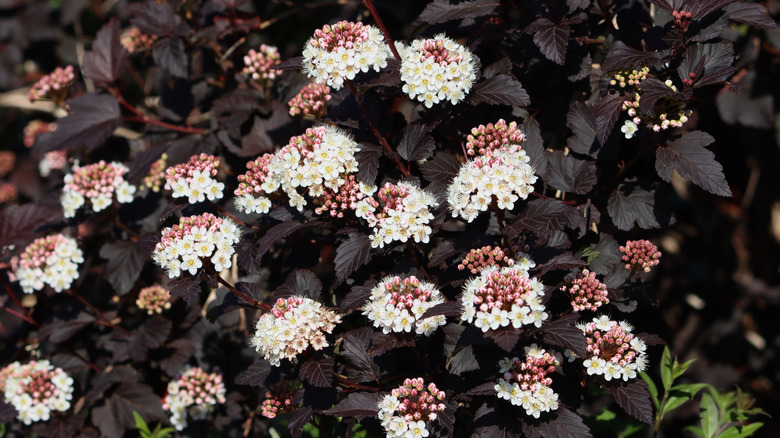
Now, it might sound counter-intuitive to pair moisture-loving shrubs with winter-thirsty evergreens, but actually, they're great companions. Comparatively shallow-rooted evergreens, like holly and arborvitae, look pretty tough, but in winter, if they're in an exposed location, they can be vulnerable. Because they're evergreen and have shallow roots, they face double trouble. If it's windy, they lose water through their leaves and needles, which is particularly problematic if they are in the path of strong winds for much of the winter. And, because many of these trees have the majority of their feeder roots close to the surface, once frost penetrates the ground even by just a foot, the trees are unable to draw up moisture quickly enough to replace what's being lost via their leaves. So the tree quickly desiccates.
This is where your moisture-loving shrubs come in. They don't need to be evergreen to do the job, either. Ninebark and viburnum are great options, although there are plenty of other choices, too. I like ninebark and viburnum because they have perfect, multi-stemmed, branching growth habits that capture snow. Evergreen varieties do the same with rain and ice, too. As the snow or ice melts, it doesn't just drop straight to the ground as it does from plants with a more open habit. Instead, it dribbles slowly down through the maze of branches, leaves, and stems, reaching the ground slowly. Then it hits the leaf litter dropped from deciduous shrubs, and slowly penetrates the soil. This gives plenty of time for the water to seep into the ground to feed those thirsty evergreens. The leaf mold also acts as a sponge, holding and slowly releasing water.
Plant aromatic herbs in your greenhouse to deter pests
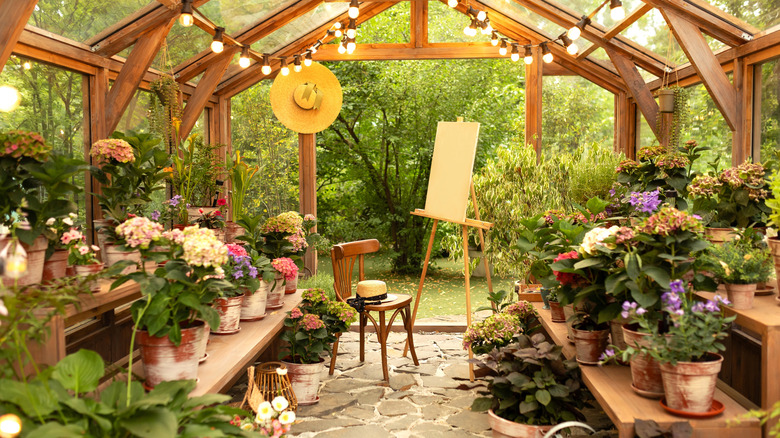
I love my greenhouse. It lets me start crops off early and lets me keep growing through the winter. But because it's a touch warmer and more humid than the rest of the garden in winter, it's also a magnet for pests looking for warmth and a free meal. And predators are scarce. They're mostly already tucked away, overwintering and waiting for spring.
I've found companion planting in the greenhouse over winter to be the most effective preventative pest control method. Rosemary, thyme, sage, garlic, and mint are all strongly aromatic. Many common pests dislike the scents from these plants, including loopers, Japanese beetles, mosquitoes, tomato hornworm, and many others. Yes, the herbs are useful through the summer, too, but they are invaluable in the greenhouse in winter. They will work even if you just choose to bring in some containerized herbs from the garden and heel them into the soil in your greenhouse.
Use natural windbreaks to shelter tender winter plants
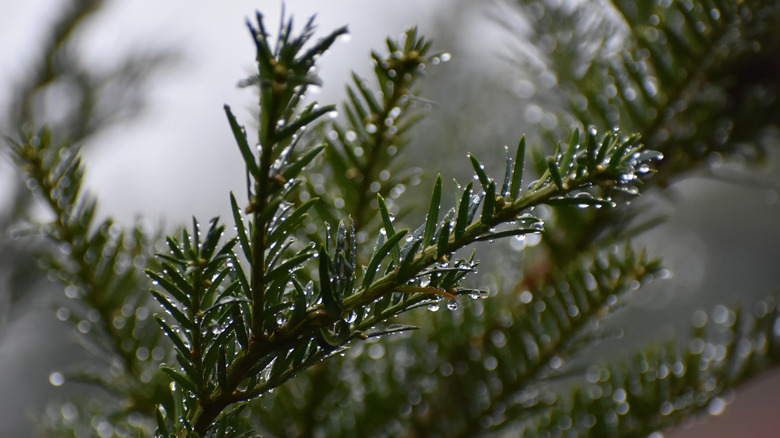
Evergreens and even some deciduous plants that have plenty of tall stems even when they lose their leaves can act as protective screens all winter. If your growing space is exposed and the location gets swept by cold, harsh winds in winter, companion planting wind breaks is a great, natural, and permanent solution. Dense evergreens work well, as do twiggy deciduous shrubs. They reduce desiccation and winter scorch. Plus, they reduce growth stunting from constant cold temperature wind exposure and can keep the temperature a tiny bit warmer on the leeward side (the side sheltered from the wind).
While this isn't the most conventional companion planting tip, it's super useful. Trees and shrubs planted as windbreaks create a more balanced microclimate that lets borderline-hardy plants overwinter better, with less intervention from you. Make sure you plant these trees on the windward side of beds. Positioning windbreaks to intercept prevailing winds maximizes their protective effect without blocking beneficial winter sunlight from reaching your plants.
Add a rain garden area to manage winter stormwater

This tip is a mix of companion planting and landscaping. Building a rain garden helps prevent stormwater flooding your garden and polluting the water table. In rainy, storm-prone areas, create a depression if you don't already have one to act as a temporary catch basin for storm and snow runoff. You create rills or use a French drain to direct water to your rain garden. And plant it full of water-loving plants. The plants help to sequester and break down pollutants before they can reach the water table.
I strongly recommend you don't plant edibles here, as you don't want to consume plants that are potentially contaminated with pollutants from storm runoff. Instead, use complimentary ornamental native species. Plant the rim with semi-wet-tolerant plants and the basin true water-loving plants like daylilies, yellow iris, corkscrew rush, and lobelia. You can also use evergreens like boxwood, dogwood, and hardy perennials like astilbe and sedge. Carry the theme through by planting similar plants and plants with complimentary colors along the channels or rills to tie the whole thing together.