

8 Winter Yard Tasks That Will Prep Your Yard For Spring Birds
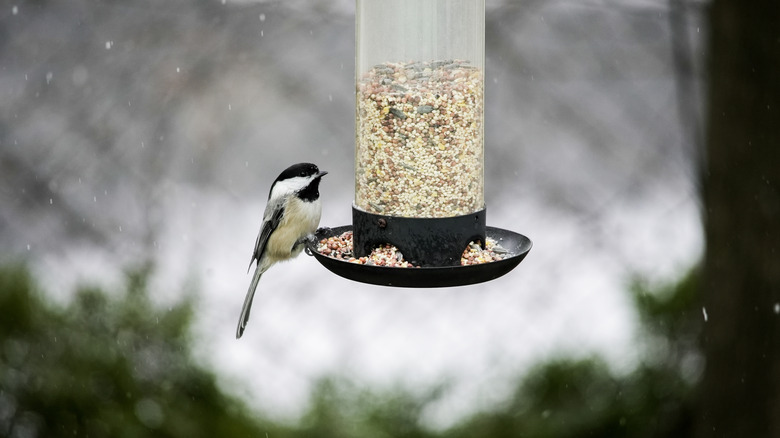
Spring marks an exciting time for bird lovers, as many species make their way back north to look for food and to nest during this season. While the exact timing of peak spring bird migration varies from region to region, it's crucial that you're ready for your backyard avian residents to return at the beginning of the season when the earliest wave arrives. And rather than waiting, you can even do some of these preparatory tasks during the winter. From cleaning up food and water stations to planting new flowers, you can think of these small gestures as laying out birdie welcome mats.
To best prepare for spring bird migration, it's also helpful to learn which species typically start flocking back to your region. Not all birds migrate; some are instead considered permanent residents that need food and other resources year-round, including in winter. One example is the bright red Northern cardinal. The rest are categorized as short, medium, or long-distance migrants. For example, there are at least 350 species of long-distance migratory North American birds that fly to tropical regions of Central and South America for the winter, including warblers and orioles. Needless to say, when these species make their way to North America for spring, they will be looking for a variety of resources, including those in home backyards.
Deep clean your bird feeders
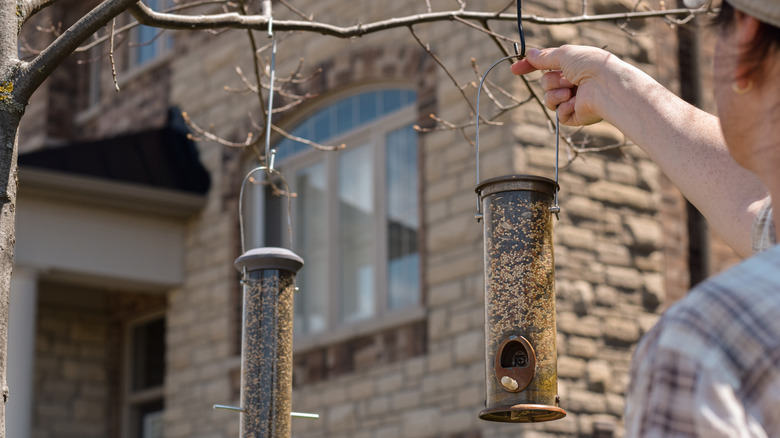
If you're among the many bird enthusiasts who feed birds year-round, there's likely a feeder or two already up in your yard. Regular cleanings are key to preventing disease transmission among birds. Even if your feeder has been empty, it's important to do a deep cleaning before the bird population explodes with spring's arrival. The National Audubon Society recommends soaking the feeder for 15 minutes in a solution of 1 part bleach to 9 parts water. Rinse with clean water and air-dry the feeder before setting it up for spring feedings.
Start preparing seasonal feeders for spring
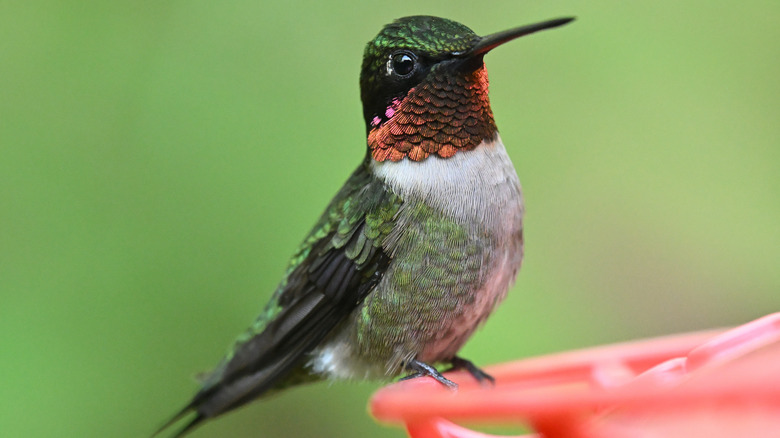
Some birds that arrive in the spring require specialty feeders. For example, you can prepare your yard for spring hummingbirds before these fan favorites arrive by adding a nectar-filled feeder. It's a common mistake to put up seasonal feeders only after you see the birds, but at this point, it may be too late because the birds might seek out food in other areas. Be sure to start preparing seasonal feeders well in advance of your favorite birds' homecoming so neither one of you will miss out.
Clean up winter bird messes from the ground
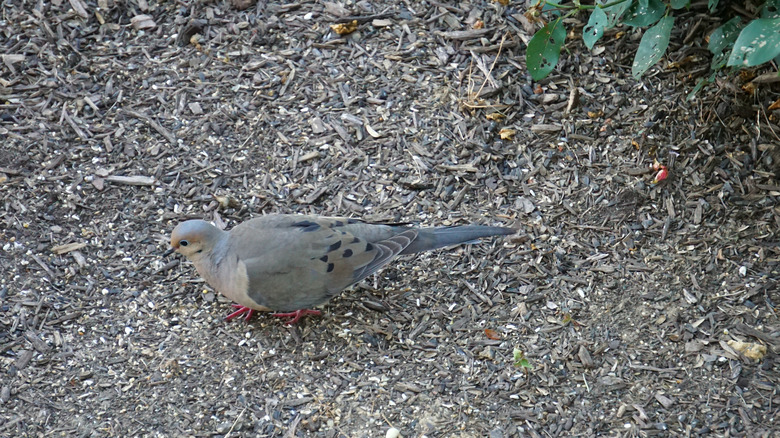
The reality is there's often a pile of spilt seeds, hulls, and bird droppings underneath bird feeders, even if you try your best to clean up after them throughout the year. Before winter's end, take some time to shovel and discard this debris for a clean slate. You may also consider refreshing any underlying mulch as appropriate.
De-ice and clean your bird baths
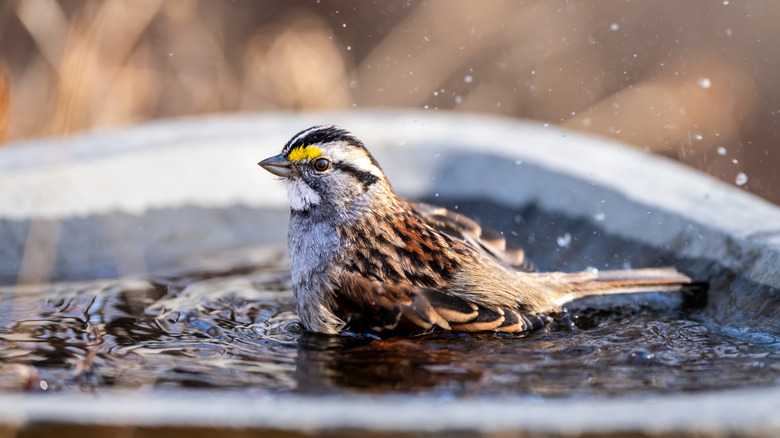
While it's ideal to be able to offer a source of water for birds all year, this may prove challenging if temperatures in your area frequently drop below freezing. If you haven't used your bird bath all winter, it's important to do a deep cleaning before you set it up for springtime bird visits. One popular cleaner is a solution of 1 part white vinegar to 9 parts water. Scrub the surface and rinse. You might also need to de-ice it before cleaning.
Plant native flowers to provide birds with nectar
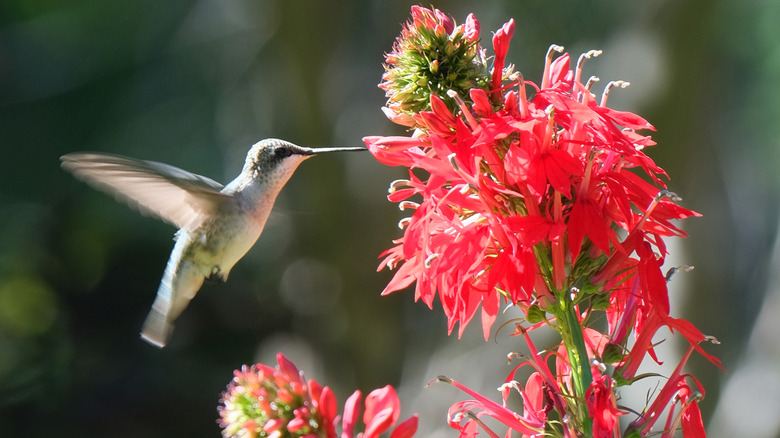
In addition to a bird feeder and bath, native plants are perfect for bringing birds to your yard. You can get ahead of this task by determining which flowers to plant around your yard for the spring. Milkweed (Asclepias spp.), cardinal flower (Lobelia cardinalis), and coneflower (Echinacea spp.) are a few common bird favorites that can often be sown in the winter. Consider using the frost date calculator from the National Gardening Association to determine the last projected frost in your area, which helps with timing your plantings.
Put up bird houses
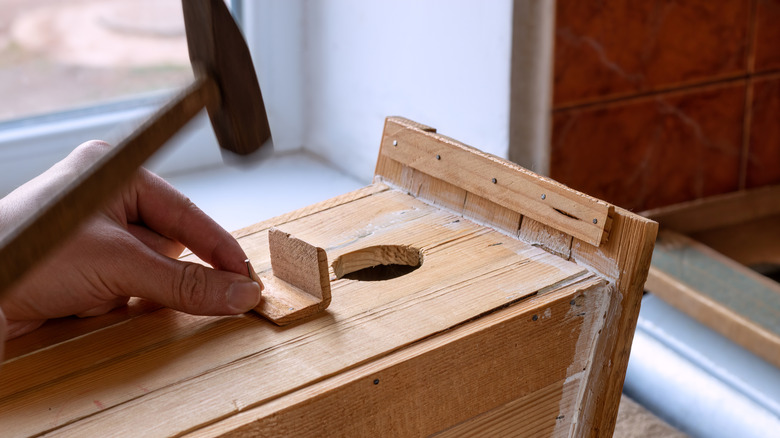
While some birds will build nests within trees around your yard, others need additional shelter for nesting. This is particularly the case for woodpeckers, Eastern bluebirds, black-capped chickadees, nuthatches, and wrens. If any of these bird species are in your region, you can contribute to their nesting success by providing them with bird houses. Opt for simple wood bird houses only, and place them outside no later than winter so birds have time to find and claim them.
Make a bird safe pest control plan
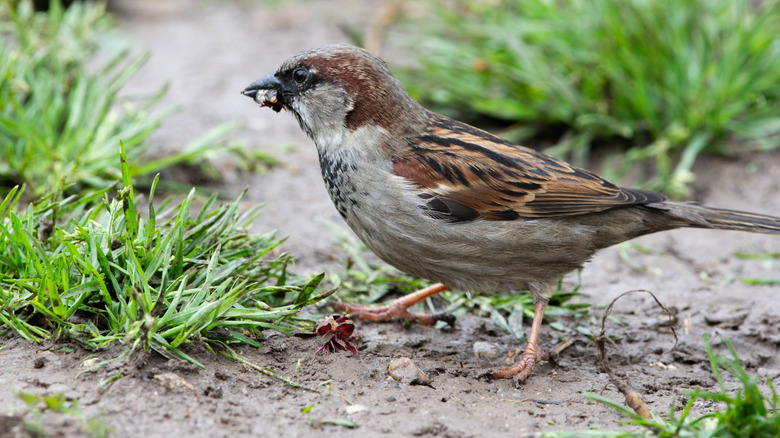
While spring marks the time when many bird species flock back to your yard, it's unfortunately also the season when many pests start reappearing. While homeowners often use chemical forms of pest control, know that these methods are harmful to your bird friends. Not only are pesticides often toxic to birds, but they can harm them indirectly by killing off protein sources that many species rely on. Winter is the time to visit your garden center for alternative pesticide options so you're ready ahead of the springtime bug rush.
Place decals on windows to increase visibility
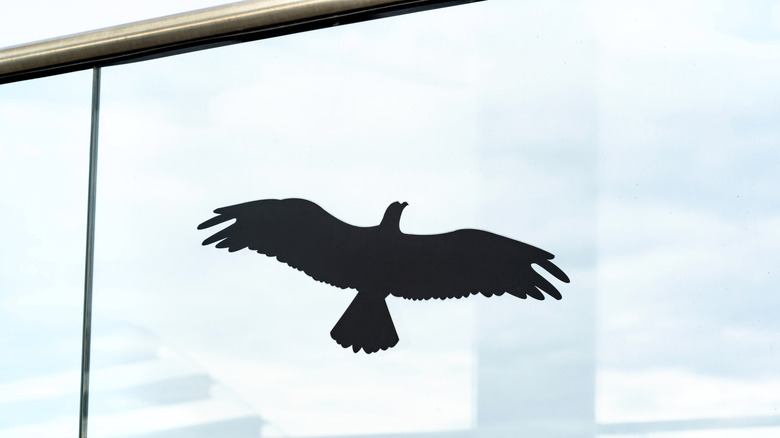
Windows or sliding glass doors that face your backyard can offer prime opportunities for bird watching this spring. These can also, unfortunately, become hazards for birds if they accidentally fly into the glass. If washing your windows is part of your spring cleaning routine, be sure you add some decals to these sparkly glass features to reduce the number of deadly bird collisions.