

Does This Ancient Winter Root Cellar Trick Really Preserve Your Homegrown Vegetables?
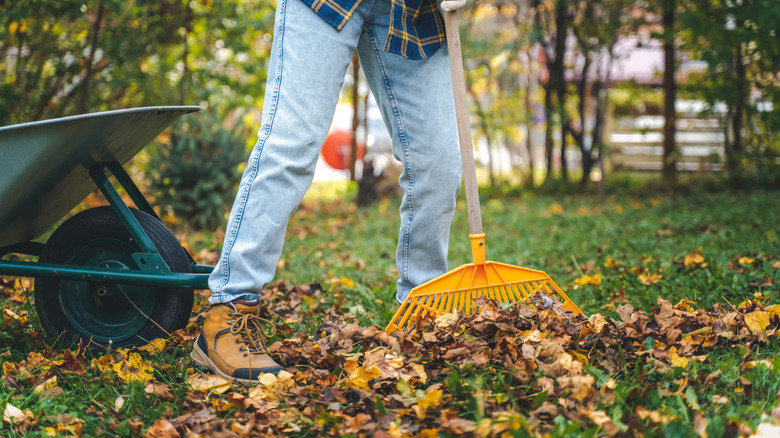
If you've had a good year, you might have been lucky enough to harvest more crops than you can eat. This means that you need somewhere to store them, which could be a root cellar. A root cellar is a fantastic way to keep your harvest crops fresh, healthy, and protected against damage. This way of storing vegetables and fruit through the winter has been used for centuries, with the first walk-in root cellars being built in the 17th century. Most vegetables can be stored in a root cellar, from cauliflower to tomatoes, though some crops prefer dry storage and others prefer a moist location. Many gardeners will wrap their vegetables in newspapers or cover them in straw to keep them protected in storage. However, you may have seen a trick online that tells you to use leaves in the root cellar if you have too many fallen leaves in your yard. But does this trick work?
Kind of. There is no scientific evidence to support using fallen leaves as insulation in your root cellar, but dry leaves can be used as insulation when it comes to outdoor vegetable storage. So, if you are keeping your fruit and veggies outside, you may wish to use your fallen leaves. Amazingly, certain leaves may actually protect food from degradation because of the chemicals they contain. For example, grape and olive leaves contain phenolic compounds, which can slow down oxidation.
How to use fallen leaves to store vegetables
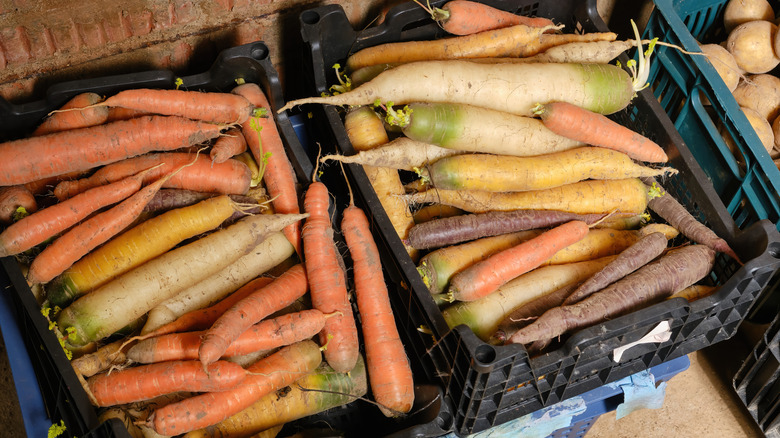
How you use your fallen leaves to store your vegetables depends on what vegetables you are storing and how you are doing so. If you are storing your vegetables outside, you can apply leaves to the crops once or just before the ground freezes. You must ensure that the leaves you use are washed and dry, and that the location is well-drained. Certain vegetables, such as winter squash and pumpkins, get moldy quickly if they are moist, so be extra careful with these when choosing how to store them.
You should also have a think about the types of leaves you have in your garden and what may be best for food storage. The leaves of certain trees, such as the yew tree (Taxus baccata), should not be used, as they are highly poisonous. Always research your tree before using its leaves for covering crops.
You may wish to experiment with using leaves in your root cellar, but be aware that it isn't science-approved. Many people layer vegetables with straw or sawdust in their root cellar, so you could try swapping these with dry leaves. You may need to cure your vegetables for storage beforehand, so always check what crops you have and research their individual needs.