

What To Do If A Snowplow Causes Damages To Your Property
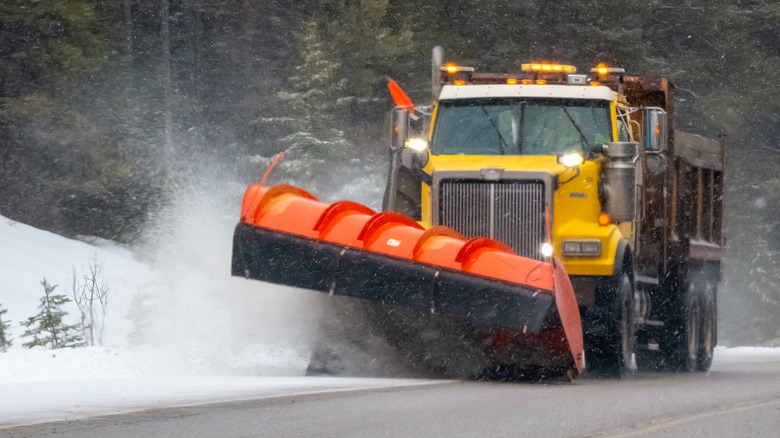
Whether you look forward to winter or despise the freezing temperatures and lack of sunlight, dealing with snow removal is part of the season in many places. If you're looking for simple ways to make driveway snow removal easier, hiring a snow removal professional is a popular choice because letting someone else take care of it definitely saves you time.
However, mistakes are always a possibility when someone is operating a large piece of machinery like a snowplow. If you hire professionals to clear your driveway, they could cause damage like chipping, gouging, or cracking to the concrete or asphalt. If repeated plow damage means your driveway is crumbling, you'll have to fix it. If a city plow that's clearing the road ends up on your property, it could damage the grass, driveway, sidewalk, irrigation system, landscaping, mailbox, curb, or even your car.
Snowplow drivers can't always see obstacles or the edges of your yard when they're covered in snow, and you might not discover the damage right away because it's under a pile of snow. What should you do if you suspect damage to your property from a private or city-operated snowplow? Most of the time, the city or public entity will repair damage caused by its plows after you report it. If a private snow removal company caused the damage, you will have to ask for payment. If the company refuses to pay, you might need to file a lawsuit or a case in the small claims court.
Steps to take after you find city-operated snowplow damage
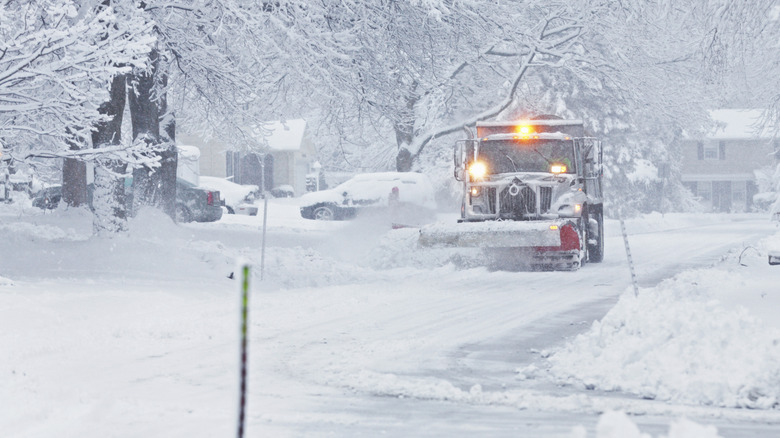
If you have damage on your property, understand that the snowplow driver almost certainly did not do it intentionally. Plow drivers can slide on ice or have blind spots, preventing them from avoiding obstacles. Blowing snow and plowing during a blizzard can leave the snowplow driver's vision obstructed.
If you discover damage caused by a city or village-owned snowplow, most municipalities will try to fix the damage for you or allow you to fix the damage yourself and reimburse you for expenses. In some municipalities, you simply have to report the damage to the city government by either making a phone call or submitting a digital web form, and the city will attempt to fix it. Some cities require written documentation and photos of the damage, so it's always a good idea to take photos immediately. Some cities try to fix the issue within a couple of weeks, while others will wait until the weather improves and allows work to be done. Others may wait until spring to fix things like torn-up sod and sprinkler damage.
It's important to note that the deadline for reporting any damage depends on the municipality. Deadlines frequently range from 15 to 60 days, although some cities require notification in as little as three days. Always check with the city as soon as you notice any damage. If you don't discover it in time to report it to your local municipality, you might have to reseed your lawn or install new sod in the spring yourself.
What to do after finding private snowplow damage
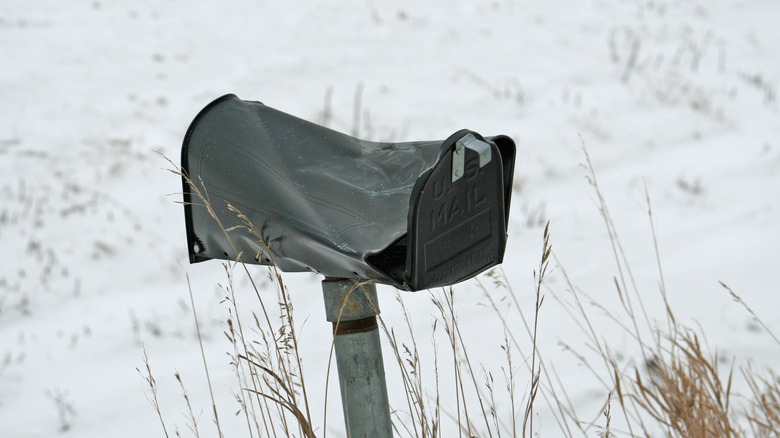
If a private snow removal company you or a neighbor hired causes damage to your property, you should report the damage to the company as soon as possible. You may need to send a formal demand letter to the snowplow company that caused the damage. Take photos and videos of the damage. Several types of damage are possible. If the private company damages your car, you can seek damages for repairs and a rental car to use while your vehicle is in the shop. Perhaps the private company shoved snow onto your property and ruined your landscaping with rocks and dirt. The plow driver might push snow onto a fence, causing expensive repairs. Snowplows can also damage mailboxes by hitting them or pushing too much snow onto them.
In some cases, the company will agree to pay for damages immediately, solving the problem. Other times, though, it may refuse to pay for repairs, claiming it wasn't at fault. Depending on the level of damage and the cost of repairs, you might consider hiring a lawyer to try to receive the payments you believe you should have. However, paying for a lawyer might be more expensive than the cost of repairs. If the amount you're seeking is small, you might end up in the small claims court instead, which usually has a limit on the financial amount you're seeking and doesn't involve lawyers. Instead of taking legal action, you might consider filing a claim with your homeowners' insurance policy. For inexpensive repairs, though, your claim might not meet your policy's deductible.