

How To Propagate Lemon Balm To Grow More Herbs In Your Garden
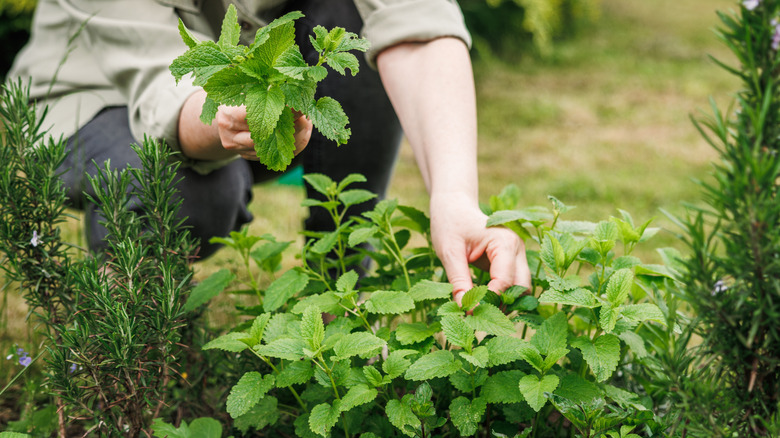
Lemon balm (Melissa officinalis) is known for its strong lemon scent, low-maintenance nature, and its ability to establish quickly when planted in enriched, well-drained soil. Once you understand how to grow and care for lemon balm and how this hardy herb multiplies, it's easy to propagate it to grow more herbs in your garden. Because lemon balm can be started from seed, root divisions, stem cuttings, or layering, each method has a different level of reliability.
The most reliable method is layering because the buried stem continues receiving nutrients from the original plant while roots form underground. A low, flexible stem is bent to the soil surface, lightly cut on the underside, then secured and covered with 2 to 3 inches of soil, where it will produce roots within one to two months. Once rooted, the new plant can be separated and moved to the garden or potted. Although layering generally provides good results, gardeners may prefer one of the other propagation methods for their own reasons.
You would usually grow lemon balm in early to late spring, but you can also plant this easy-to-grow herb in August for a flavorful harvest before the first freeze. Dealing with a seasonal window or wanting your lemon balm at a specific time of year will affect how you choose to propagate it. What's important is choosing the method that you have space for, and that fits in with your regular gardening routine.
The best ways to propagate lemon balm
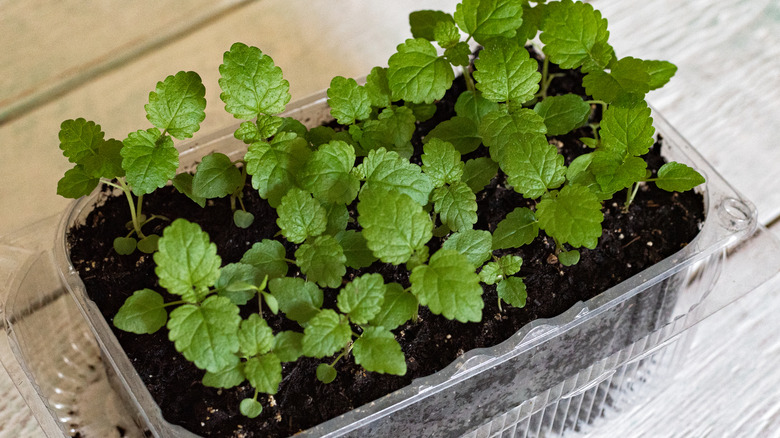
Seeds are a familiar method of propagation for all gardeners. Your tiny lemon balm seeds should be sown around March, and they need to be covered with a fine layer of soil and kept moist to support germination. It's a good idea to start lemon balm seeds indoors and wait until they reach 2 or 3 inches tall before you move them outdoors. Seeds can produce many plants at once, but germination can be slow if they aren't stratified or given enough moisture.
Lemon balm is an herb you can easily propagate from cuttings in the winter or during any other time in the growing season, but there are two kinds of cuttings: stem and root. For stem cuttings, all you need is a healthy, non-flowering stem from a lemon balm plant. Cut the stem above a notch where a leaf is, remove the lower leaves, and place the bare end in moist soil until it roots. You may also want to treat the stem with fungicide.
Root cuttings (also called divisions) are the easiest way to propagate lemon balm, if not as reliable as layering. To take root cuttings, dig up root pieces from your established lemon balm that have three or four buds attached. The new pieces should be planted and covered with mulch if they're being taken for winter planting (such as leaves or bark) to improve their chances of surviving. Be sure to water your new lemon balm plants regularly.