

Signs You May Be Watering Your Spider Plant Too Much
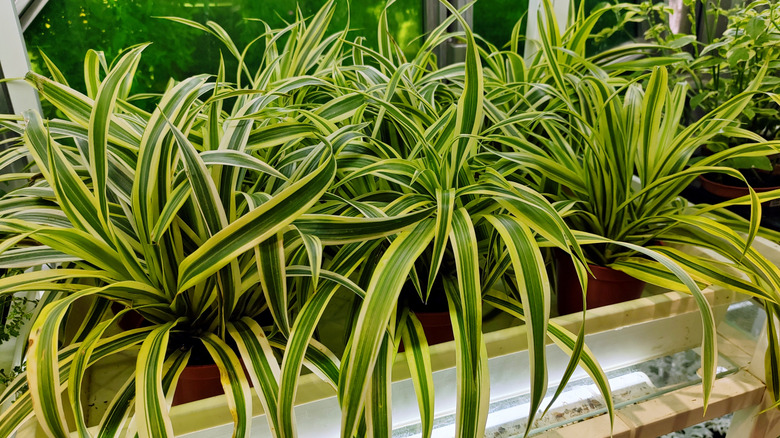
If you're a spider plant owner, you already know the worry that can occur when you're inspecting your plants and discover they don't look as good as they should. Spider plants (Chlorophytum comosum) are very popular houseplants that are easy to care for, but even they can fall victim to problems. Whether you are new to plants or an experienced plant owner, it can feel like a juggling act trying to get all the care tasks down correctly. Watering your plants properly is probably one of the most challenging care tasks to get right and can cause a lot of frustration. You're not alone: Overwatering is the most common problem plant owners have with their plants. Fortunately, there are signs that show when you are overwatering your plants, so you can remedy the situation quickly. If you notice your spider plants having limp, yellowing leaves, or if they look wilted and the soil is still moist, these are signs that you may be watering it too much.
While there are other reasons your houseplant leaves are turning yellow, you can pinpoint the cause to overwatering if the yellowing is common even in the younger leaves. Yellow leaves develop when waterlogged soil prevents your spider plants' roots from being able to take in the proper nutrients and water. The more the plant gets overwatered, the more waterlogged the soil gets, and the more yellow leaves your spider plant will develop, along with other issues. Your spider plant can come back nicely if you adjust your watering routine as soon as you notice those yellow leaves and have identified that they are caused by overwatering. Remove the yellow leaves with a pair of clean, sharp scissors.
Two more common signs you are overwatering your spider plant
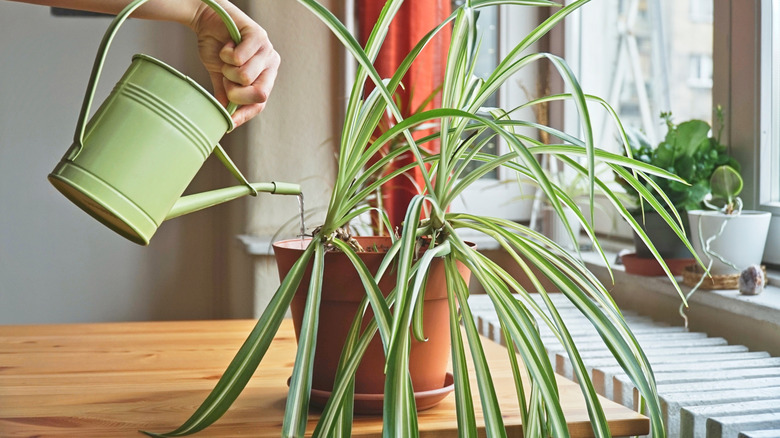
Root rot is another sign that tells you your spider plant is getting too much water. The yellow leaves you spotted earlier, soil that is waterlogged and doesn't smell good and earthy, and roots that are mushy are all signs of root rot. If you notice the soil of your spider plant smells odd and the plant has yellow leaves, it's time to examine the roots of your spider plant. Root rot is fairly easy to diagnose, but you will need to remove the spider plant from its pot. If the roots are dark brown or black, mushy, and they smell bad, your plant has root rot. The best way to treat root rot on your spider plants involves several steps like trimming away the infected roots, and repotting in a new container to start fresh. In most cases, the plant can be saved with the right care and patience.
This sign of overwatering, looking wilted despite having moist soil, can be a little confusing at first glance, and it can actually cause you to add more water if you're not used to caring for a plant. Wilted plants are typically a sign of underwatering, but not always.