

13 Cleaning Habits That Do More Harm To Your House Than Good
Keeping your home clean is important for a healthy environment, but some common cleaning habits could actually be harming your house. Whether you're doing laundry or scrubbing your kitchen, you might unknowingly be causing damage to your appliances, countertops, or other parts of your home that are difficult or expensive to repair. You could be accidentally using a household cleaner that's actually damaging your stainless steel appliances or putting too much stress on your vacuum cleaner. Reevaluating your cleaning habits will help you ensure that your home is not only clean, but also free from unintentional harm.
While some improper cleaning practices might not seem like they'll do any damage, it's important to think long term about how your cleaning methods and the products you're using will affect your home. Over time, even small mistakes can lead to issues. In order for your appliances and more permanent parts of your home to last as long as they should, it's crucial to properly maintain them. Putting a little extra thought into your household cleaning routine could help to keep your carpets from fraying or your dishwasher from leaking onto the kitchen floor, and so much more.
Using certain cleaners on the wrong surfaces can do serious damage
Before you go to scrub or wipe down your bathtub, counters, or appliances, you'll want to consider what the surface you're cleaning is made of. Some materials, such as wood, stainless steel, natural stone, and laminate, will become damaged by very acidic cleaners, as they can damage the sealant or cause etching. Even some products that are touted as "natural cleaners," like vinegar can be too strong for certain materials because of their pH. Before using a cleanser, check what surfaces it's safe to apply to.
One common cleaner this occurs with is glass cleaner. Though some people use glass cleaners to eliminate smudges on furniture or appliance surfaces, or to clean counters, the vinegar or ammonia in these products may discolor metal, wood, or stone. Toilet cleaner is also sometimes used to tackle the rest of the bathroom, but it's not meant for areas like the shower or sink (or really anywhere beyond the toilet). These powerful cleaners contain chemicals like hydrochloric acid and bleach, which aren't suitable for materials like grout, fiberglass, metal, or stone. These overly acidic cleaners will make it appear dull and can cause scratches. Ensuring that you're using your cleaning products properly and on the correct surfaces will help to protect your house.
Cleaning with a dirty vacuum puts extra stress on the appliance
When hurrying to get your weekly cleaning finished, it's easy to just grab the vacuum and start sucking up all the dirt from your floors; however, foregoing cleaning the appliance itself is a common mistake you're making that's slowly killing your vacuum cleaner. When dirt and debris are clogging your vacuum's filter, it has to work harder to pull in air and clean your floors. Over time, this can lead to overheating and burning out the motor of your vacuum, shortening the appliance's lifespan.
Besides your vacuum becoming less efficient and not lasting as long, skipping filter cleanings can also lead to a dirtier home. When you clean with a dirty vacuum, the dust and debris trapped in the filter will come out of the appliance and end up in the air, spreading allergens throughout your home. To ensure that you're actually cleaning up that dirt and there's no damage to your vacuum, the filter should be removed and cleaned about once every month. Simply shake or tap the filter over the trash to remove any loose dirt, then rinse it with cold water, before allowing it to air dry for a full day. Some types of vacuum filters, such as paper or HEPA filters, may need more specific care, or warrant a complete replacement.
Forgetting to empty your pockets before doing laundry can damage your washing machine
You've probably heard the annoying clunking sound of loose change or keys banging around in the washing machine, but forgetting to empty your pockets before doing laundry could be doing more harm than causing an annoying noise. When hard objects like keys and coins are thrown around inside your washer, they may scratch or damage the drum. This is especially likely during fast spin cycles, when the small items that fall out of your pockets are really being thrown around.
Sometimes, objects will become lodged in the drain pipe or vents and can damage the drain pump. Pocket change can also lead to clogs that stop your washing from draining correctly. With front loading washers, there's a risk of metal items damaging the glass panel on the door. Not checking the pockets of your clothing before washing them is a habit that's destroying your washing machine, but it can be simply remedied by stopping for a moment to empty every pocket before throwing your laundry in the wash. This will ensure there's no extra stress or wear on your appliance, allowing it to work better and last longer.
Overloading your dishwasher and washing machine could shorten the lifespan and lead to a host of issues
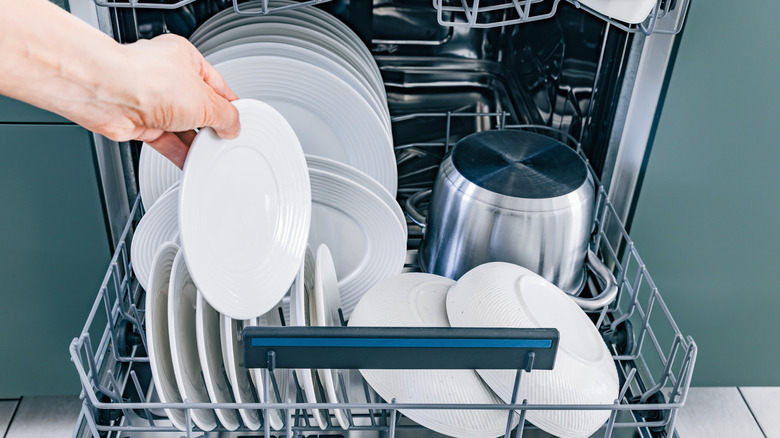
It might seem like you're saving water and making chores easier by shoving as many dishes into the dishwasher as possible, or tightly packing clothes into the washing machine. Unfortunately, these habits are likely harming your appliances. Not only does overloading your washer or dishwasher make it harder for the machine to get your clothes or dishes clean, but it could shorten the lifespan of your appliances, or cause huge problems like leaks.
When washing machines are overloaded, they often become imbalanced and may stop themselves from spinning to try to avoid damage. Over time, this adds unnecessary stress to your washer, which can cause it to need repairs or even to be replaced. Dishwashers also experience additional wear and tear from being overloaded, as they have to work harder to clean the dishes. Plus, all of the yucky pieces of food that get washed off the dishes may be too much for your machine, and clogs can form in the drain. Eventually, your dishwasher could leak onto your kitchen floor because the water can't drain properly. By running more smaller loads through your appliance, rather than one or two huge ones, you can prevent stress on your dishwasher and washing machine, keeping them running efficiently for a long time.
Too much laundry detergent can cause mold and clogs
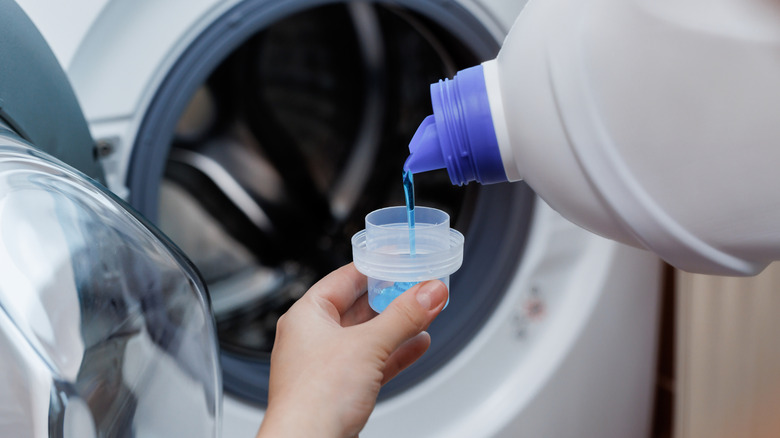
Using more detergent than you need is often what everyone gets wrong when doing laundry. While excess laundry detergent can harm your clothes, it turns out that it might also be doing a number on your washing machine. Extra detergent will leave behind a soapy film on clothing, and this residue can coat the inside of your washing machine as well. With time, overusing laundry detergent can cause issues with mold and clogs.
When there's too much soap for your machine to wash away, the suds remain and the residue will cling to the seals and pipes of your washer. Repeatedly putting excess detergent into your washing machine will eventually make your appliance less efficient. To ensure you're using the right amount of detergent and prevent that residue from clogging your washer, make sure to measure your liquid laundry soap and check the recommended amount for your washing machine and load size. You should periodically clean your washer, as well, to remove any soap buildup that may be hiding.
Mopping without sweeping first can scratch your hardwood floors
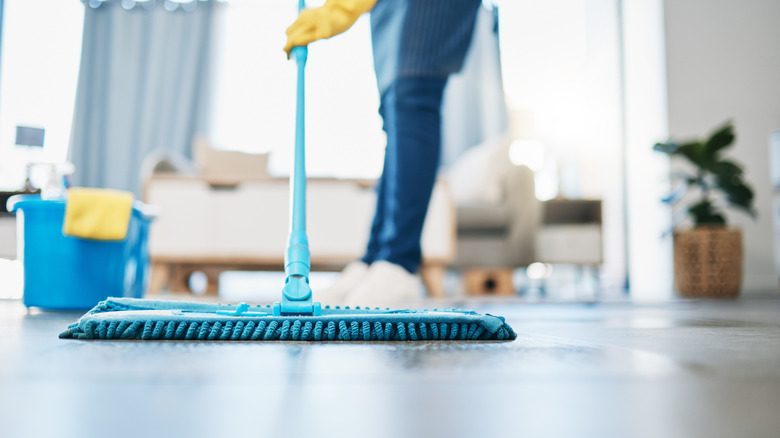
When you can't see the dirt on your hardwood floors, you might think that skipping the broom and going straight for the mop will help you save time while cleaning your floors. Unfortunately, this could seriously damage your hardwood. Even if the small specks of dirt aren't visible, they will be abrasive against your hardwood floor and its finish. While you're mopping, the miniscule pieces of dirt will act as grit and be continually brushed over the hardwood, leaving scratches.
Dirt can be like sandpaper to hardwood floors, and it's crucial to remove as much as possible before mopping to protect the finish. Take the time to first sweep or vacuum your hardwood floors to keep them free of scratches. You might try using a dry microfiber mop to sweep up the dirt and debris if you find that your regular broom is leaving too much behind, as the microfiber is better are trapping the particles.
Using a string mop on your hardwood floors could lead to the wood warping
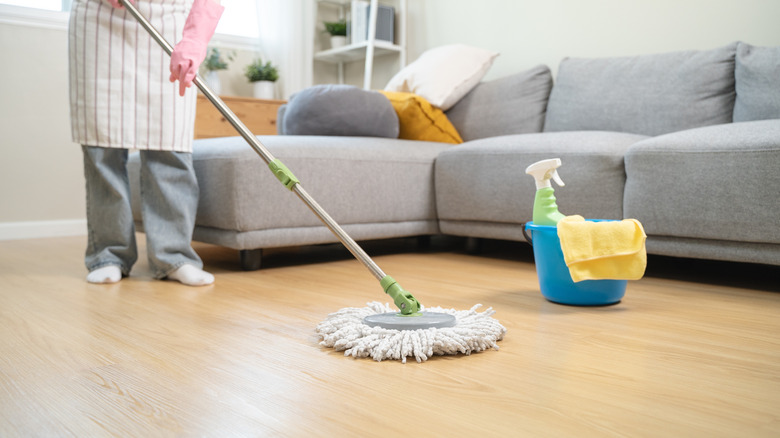
It's important to wet mop your floors to keep them clean and string mops are a widely available and easy-to-use option. Though they might seem like a fine choice for your hardwood floors, they could end up causing some big problems over time. Hardwood is extremely sensitive to moisture, and string mops are notorious for holding in water. When your hardwood floors become overly wet from cleaning with a string mop, they may swell or warp.
Because many traditional mops like string mops absorb so much water, they require you to dry your floors after mopping to ensure they won't remain damp. This is often forgotten, leading to moisture damage. Luckily, switching out your string mop for a microfiber version will prevent your hardwood from getting too wet. You could get one that has a sprayer on it to easily dispenser your cleaner, or you can pre-dampen the microfiber cloth, being sure to wring it out before getting to work.
Rubbing instead of blotting stains just pushes them deeper into your carpet
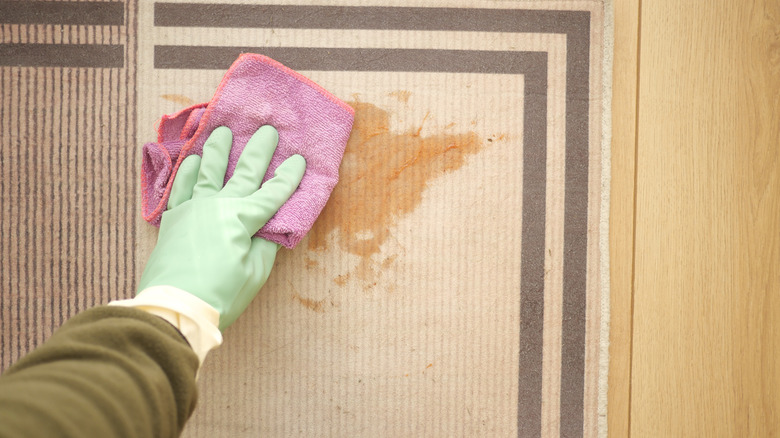
When your drink tips over, spilling onto your carpet, your first reaction may be to grab the closest rag and start scrubbing. Though you have good intentions, rubbing stains is likely to make the situation much worse and could potentially ruin your carpet. When you scrub a stain, you end up working it further into the material, spreading the stain. This also causes the stain to really penetrate and cling to the fibers, making it super difficult or impossible to remove.
Besides making carpet stains worse, the rubbing technique may also damage the material's fibers, causing your carpet to fray. Rather than frantically scrubbing at spills on your carpet, try carefully blotting them. With a clean rag, gently dab the stain from the outer edges toward the middle to soak up as much of the liquid as possible. The blotting method doesn't apply any friction to your carpet, making it better for the fibers and preventing the stain from spreading.
Using a vacuum beater bar on hardwood floors can scratch them
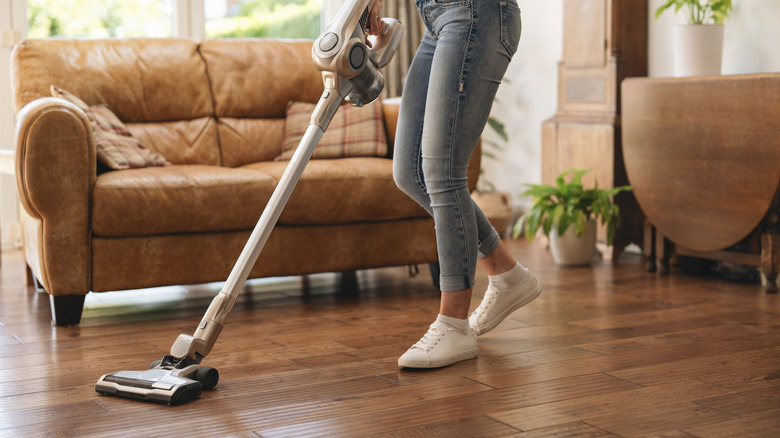
Many vacuums, particularly upright models, have a brush that spins to help remove debris from carpet fibers. These are known as beater bars, and while they can be extremely helpful when cleaning thick carpets, the bristles are likely to harm your hardwood floors. As the beater bar rotates and you push your vacuum over the floor, the tough brush bristles can scratch the hardwood.
Cleaning with the beater bar of your vacuum on your hardwood floors will eventually cause them to look dull and ruin the finish, leaving your floors susceptible to more damage. To protect your hardwood from pesky scratches, many vacuums have an option to turn off the beater bar. Otherwise, you can use a different head or attachment on your vacuum while cleaning your hardwood floors. Though beater bars with softer bristles are sometimes said to be safe for hardwood, it's probably best to avoid them all together. Using vacuum attachments specifically designed for hardwood floors is a great way to help keep them clean without having to worry about scratching the finish.
Routinely using drain cleaners could negatively affect your plumbing in the long run
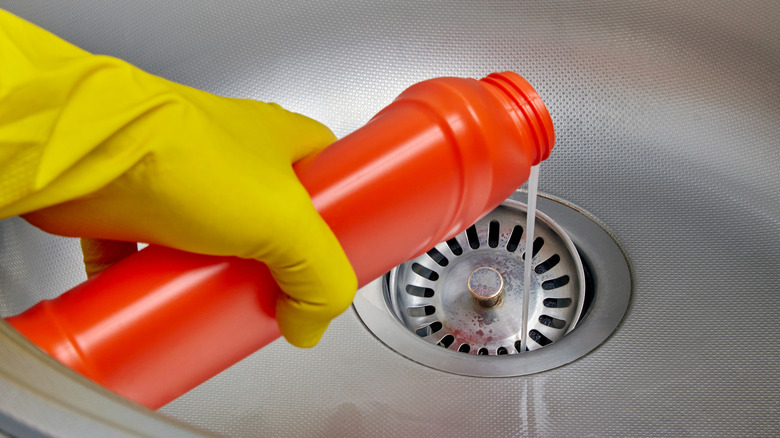
Pouring a little drain cleaner down your sink or shower is extremely convenient when you're dealing with an annoying clog, but using these products often can create much bigger issues. Drain cleaners are composed of powerful chemicals, such as lye, bleach, and caustic soda, and are designed to eat through the hair, soap scum, and grease mucking up your pipes. While the chemical reactions and heat created by drain cleaners are helpful for clogs, they also may corrode or warp your pipes.
Continually clearing clogs with drain cleaner leads to damage that can cause cracks or leaks in your pipes, or even your plumbing system collapsing, in extreme cases. PVC piping and plumbing in older homes are often more susceptible to drain cleaner damage. Not only can repeated use of drain cleaners harm your pipes, but it can unbalance the bacteria in septic systems as well. To avoid dealing with leaks and water damage or costly pipe repairs, skip the drain cleaner and opt for snaking or plunging your drain instead. Alternatively, enzyme drain cleaners can be used, as they allow natural bacteria to consume (digest) the gunk causing the clog, though this takes longer to be fully effective than chemical drain cleaners. For severe clogs or clogs that just keep coming back, you might want to reach out to a professional plumber.
Skipping vacuuming might be shortening the lifespan of your carpet
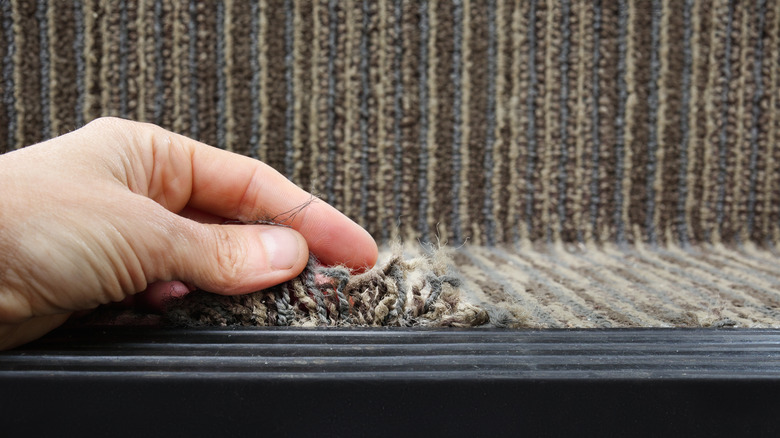
Carpet is often one of the things you should be vacuuming in your home once a week, but it's easy to push off this chore or neglect it, thinking that the carpets aren't that dirty. Allergens, dirt, and dust mites that you can't see can hide in carpet fibers, and skipping your vacuuming routine could do more than contribute to extra dirt in your space. When those tiny pieces of debris are left on your carpet, they get stuck in the fibers and act as a sort of abrasive, wearing down and damaging the fibers. Therefore, not regularly cleaning your carpet can shorten its quality and lifespan.
This is especially likely if the carpet has heavy foot traffic, as that dirt will get forcefully smashed into the carpet. Over time, the spots with more traffic will start to look matted, flat, and gray. All this extra wear and tear from the dirt and debris will lead to you having to replace the rug or carpet much sooner than you should. Different rooms may need more or less vacuuming, depending on how much use they get. While much of your carpeted floors should probably be vacuumed about once a week, high traffic areas may need more attention.
Using bleach without discretion will harm delicate surfaces and fabrics
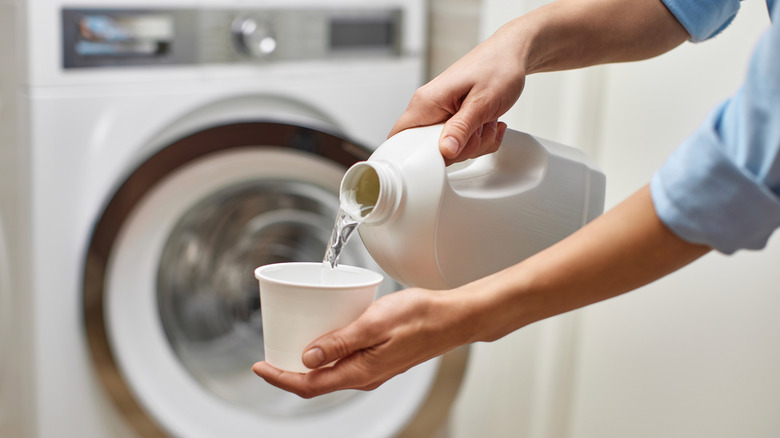
Bleach is commonly touted as the best cleaning and stain-busting agent, but it is often too strong for a lot of surfaces and fabrics. You might think that giving your tables or countertops a quick wipe down with this disinfectant is okay, or that it'll be great for deep cleaning your carpets and eliminating stains from clothes; however, you could end up inadvertently damaging these surfaces, harming your carpet, or discoloring your laundry.
Though it's a household staple, bleach is a strong oxidizer (meaning it removes electrons) and can be corrosive to many materials. Because it's so powerful, bleach may scratch or dull metal surfaces and will discolor natural stone. Though bleach's oxidizing abilities allow it to remove some tough stains, this disinfectant can discolor and fray carpets if it's not diluted properly. When adding bleach to laundry, colored clothing may fade, while more delicate fabrics can be damaged. Bleach can be extremely helpful for brightening white clothes or disinfecting nonporous surfaces, but it's crucial to dilute correctly it before applying, and consider what you're using it on.