

The Flower You Should Be Planting In Fall For Stunning Blooms Come Spring
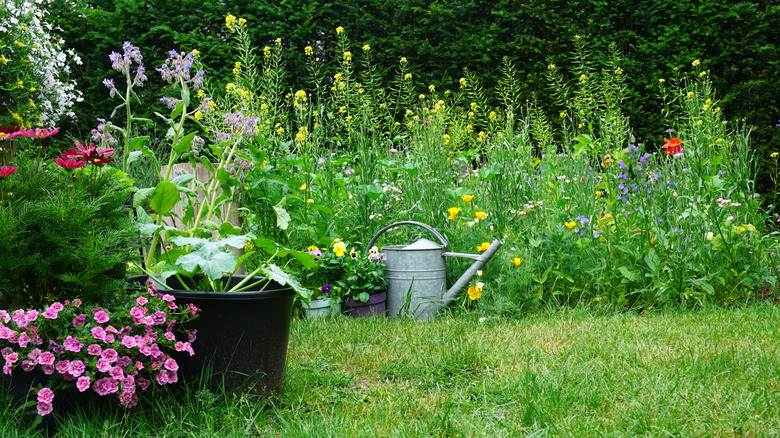
If you're enthusiastic about staying on top of trends that are pleasing to the senses in all possible ways, you're always on the lookout for plants that add visual appeal. Consider a plant that is perfect for planting in cottage gardens by rewarding you with breathtaking blooms come late spring: purple mullein (Verbascum phoenecium). In fact, you can also rest assured that more gardeners will be planting this trendy flower in 2026. Fall is a great time for planting since mulleins like having a cold and moist period for germinating. Planting the seeds in fall will help in successful germination next spring.
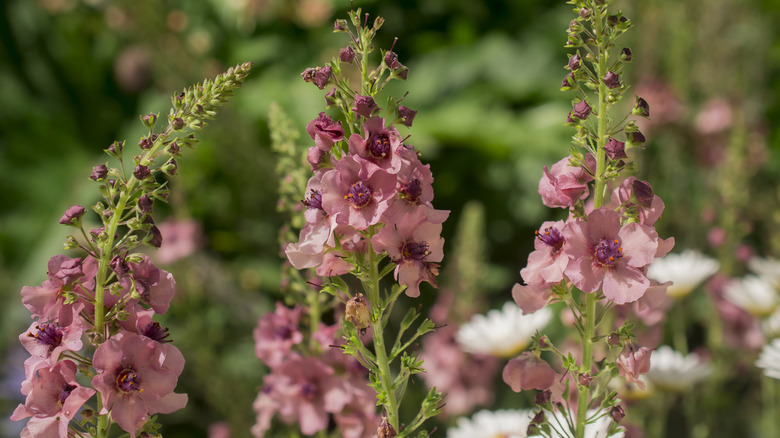
Purple mullein is a biennial or short-lived perennial that grows beautiful spikes of flowers from late spring to late summer with a rosette of leaves on the ground. Purple mullein is hardy in USDA Hardiness Zones 6 to 10. These plants like full exposure to sun and a well-draining, lean soil. In fact, you wouldn't want the soil to be too fertile, as this leads to weak stems in these plants and the possibility of them flopping over. Purple mullein spires can grow as tall as 3 feet in height. Literally standing out for attention, several purple mullein cultivars, like 'Violetta,' will also attract more hummingbirds to your yard, further improving the beauty and functionality of your garden.
Planting and maintaining purple mullein in your garden
During fall, you can sow purple mullein seeds directly in the garden soil, about two months before the first fall frost date in your region. This will give the seeds enough time to go through the period of cold stratification they need. Lightly press the seeds into the surface without covering them with soil, since mullein seeds require light to germinate. Sow groups of four seeds 12 inches apart. The seeds will germinate when the soil temperature reaches around 60 to 70 degrees Fahrenheit.
Although purple mullein is not too fussy about watering, you will need to keep the soil consistently moist while they're still young and developing roots. Afterward, since these plants like dry conditions, make sure they are never overwatered or standing in soggy soil. During the blooming season, its flowers will come out saucer-shaped in white, pink, and purple colors and last for around two weeks.
The self-seeding nature of purple mullein means you can expect it to regrow in your garden next year. However, if you find this feature too intrusive, you can deadhead spent flowers. Once the flowers have died back, cut the entire spike at the base. This will also make sure the plant continues to bloom. In try to stop the fallen seeds from sprouting, you can also apply a 2-inch layer of mulch to your garden.