

The Art Of Hosting: 16 Simple Changes To Make Your Home More Inviting
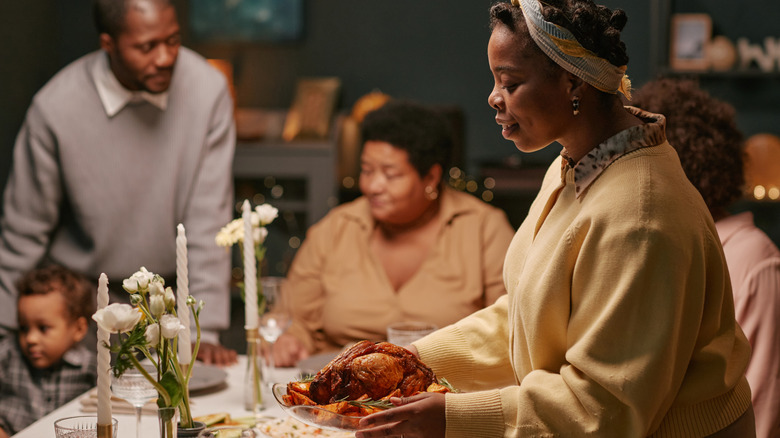
When you're a host at heart, you'll find any occasion to invite friends and family into your home, whether it's the season finale of your favorite TV show or a random Tuesday that feels perfect for socializing. Of course, holidays also keep your entertaining schedule full. And while hosting can be a lot of work, it's also rewarding when you see the smiles, hear the laughter, and soak in the memories. Part of being a good host is making your guests feel comfortable and welcome, and small changes can turn your invites into the hot ticket in town.
Many of these tweaks also make your day-to-day life more comfortable and convenient. Take lighting, for example. Layering your lights and adding smart features lets you better control the illumination in your home. Making sure you have comfortable, flexible seating with lots of soft, warm touches invites you to relax after work. And small changes to the ambiance, like music and scents, can lead to your space feeling all around cozier, too. With these 16 easy suggestions, you can pick the options that work for your home, and your guests.
Declutter and decorate your entryway to make it more inviting
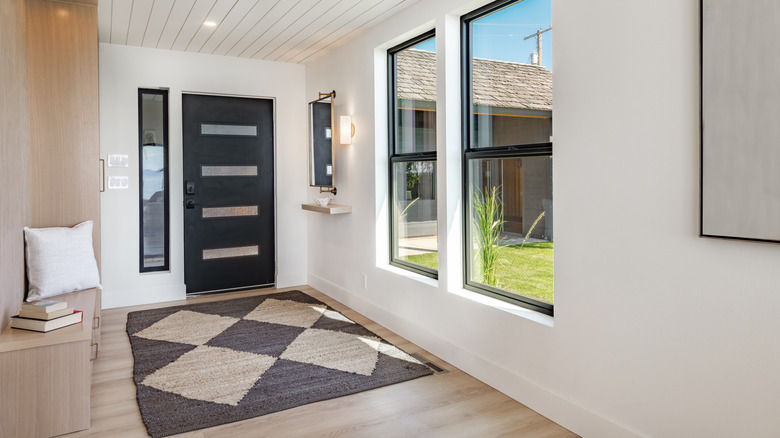
When multiple guests arrive, there's the awkward shuffle as everyone crowds into the entryway. That situation becomes even more awkward if it is small and full of clutter. Guests feel more comfortable when they enter a welcoming, tidy foyer with a clear spot to put shoes and hang coats. Plus, your entryway is the first look your guests get at your style, so keeping your entryway clean and organized makes the experience positive.
Start by clearing extra items and incorporating designated spots for shoes and coats. If you don't have room for a freestanding coat rack, hang decorative hooks on the wall for jackets and bags. A boot tray, small rug, or tiered shoe rack keeps shoes out of the way. Set the tone with warm lighting, so guests can see what they're doing without harsh white light that feels too jarring. Finally, incorporating artwork makes the entryway feel like part of the home.
Add layered lighting so you're not reliant on bright overhead lights
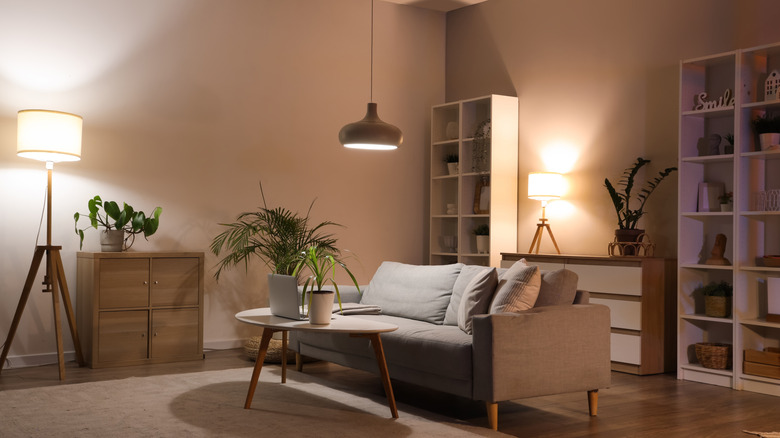
Getting the lighting right helps set the mood, keep guests safe, and put them at ease. Bright overhead lights can make your guests feel like they're in the spotlight, while too dim of light can cause it to be difficult to see facial expressions — it could even make it dangerous to traverse a space if the dimness hides tripping hazards. Plus, relying on only a single light source eliminates the flexibility of adjusting the lighting and creating warm, welcoming illumination.
Layered lighting is the lighting trick that immediately boosts the ambience in your home. Simply put, this layered approach incorporates ambient overhead lighting, targeted task lighting, and accent lighting. That might include pendant lights, lamps, picture lights, and spotlights. When you entertain, choose which lights you use based on the vibe. Brighter lighting increases energy levels, as long as it's not so bright that it becomes unwelcoming. Dimmer light creates a more intimate feel.
Install smart lighting so you can dim or brighten as the mood changes

Because light plays such an important part in making guests feel welcome (and keeping them safe), you'll want to have each area set up just right. But that can add a lot to your to-do list as you're prepping for guests. Not to mention, guests who stumble into a dark room (such as a hallway powder room) might struggle to find the light switch. Having to ask for help or fumbling for switches can be uncomfortable.
Smart lighting can level up your home by letting you easily change the lighting setup and prepare for your guests. Smart bulbs are an easy way to control lighting from an app, or use a smart plug to control plug-in lighting, like lamps. Schedule the lighting you want based on the mood of the gathering before guests arrive. Or, grab your app and adjust the lighting partway through the party. Motion sensor lighting is another safety feature that eliminates the need for guests to feel around for the light switch. Add them to the coat closet, bathrooms, stairs, and other areas that guests might need to enter.
Adjust the room layout for better traffic flow
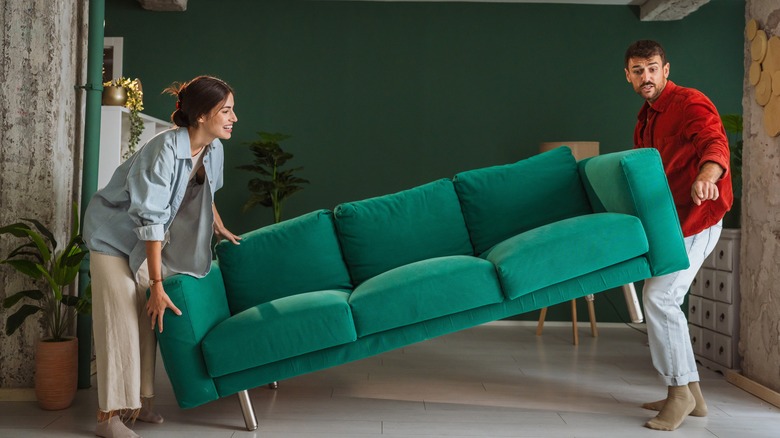
Arranging furniture, especially in a small living room, can be challenging. You might focus on things like the view of the TV or the overall look, but ignoring traffic flow can put a damper on entertaining if guests can't get to and from the seating easily. If the spaces between furniture are too narrow, it's difficult for multiple guests to move at the same time. Another issue when entertaining is a traffic flow pattern that disrupts activities — for example, guests walking right through a main conversation area can interrupt those chats.
Evaluate how you use the living room day-to-day and how you normally entertain to adjust the furniture arrangement and improve the flow of traffic. When you entertain, where do guests enter the room, and where might they need to go mid-party? Spacing is also essential — 30 inches works for a main walkway, but 36 inches or more is even better. If you can't make it work, consider moving some of your living room furniture pieces.
Incorporate comfortable, flexible seating
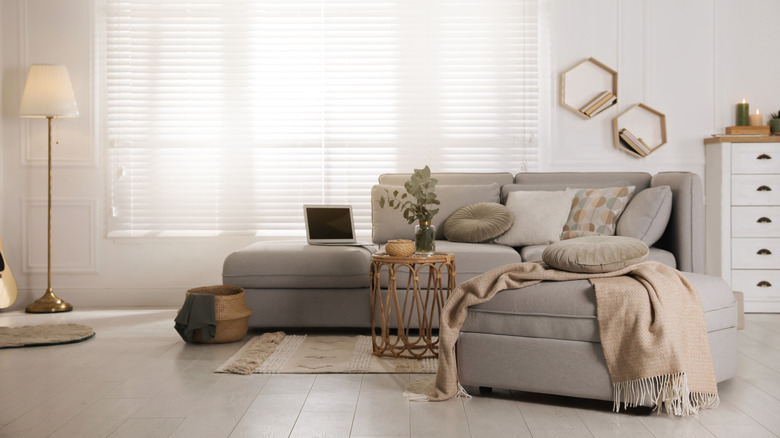
Do you have enough comfy spots for all of your guests? If not, at least some of the invitees will feel physically uncomfortable during your parties, and that's not the type of impression you want to leave. Rigid seating that can't be repositioned can also make hosting difficult. You may need more or less seating configured in different arrangements, depending on the type of gathering.
Update your seating to make it more comfortable and inviting for long chats. Even if it's not time to update your living room furniture, adding smaller options for additional, flexible seating can upgrade your next hosting event. Consider modern alternatives to traditional living room seating, like benches, floor cushions, ottomans, and bean bags. These smaller items are easy to move around for different types of entertaining, and they can be tucked away when not in use. If you frequently host seated dinner parties, consider features like padding on your dining chairs. Cushioned, upholstered chairs are typically the most comfortable option.
Create conversation areas that invite socialization
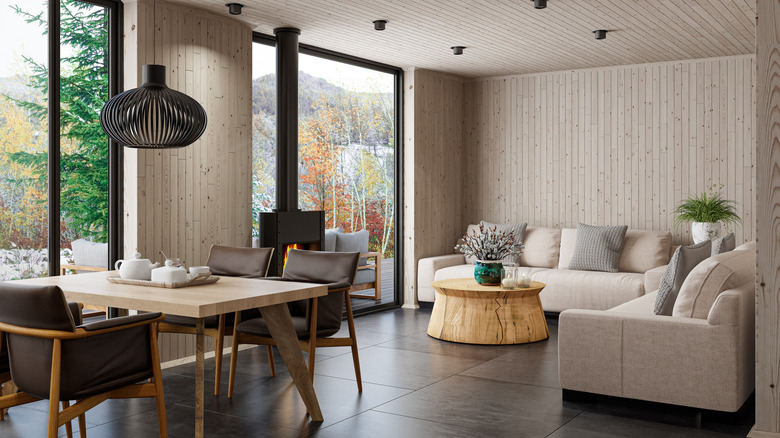
Socialization is a large part of any home gathering, but that's not easy when there aren't convenient areas that encourage conversations. If your seating areas don't allow for good eye contact and the ability to hear each other well, guests might simply stand up and block walkways through the space. Or, you'll have some people on the outskirts who feel left out of the conversation.
Arranging seating so the spots face each other is an easy way to create a conversation nook. Keep spacing in mind when arranging furniture — seats more than 9 feet apart make it difficult to hear and have an easy conversation without talking loudly. A visual connection, such as a rug under all of the seats, helps signify that the area is a good spot to chat. Having multiple conversation areas allows different groups to connect and discuss various topics, without people trying to talk over one another.
Allow for easy climate control
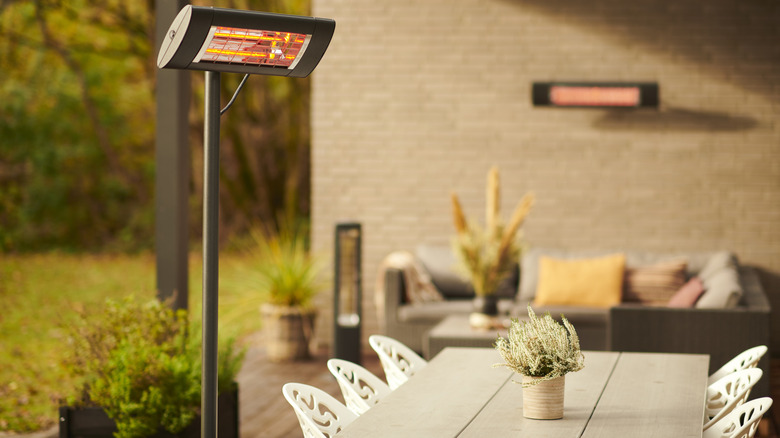
Guests may feel cooler than you since they're not the ones running around hosting. Or, you might simply keep your home at a different temperature than your guests are used to. For outdoor hosting, you're at the mercy of the weather. When guests are too hot or too cold, they won't feel as comfortable and might not truly enjoy the gathering. And some might not feel comfortable speaking up about it.
Offering flexibility when it comes to climate control makes it a little easier to keep all of your guests comfortable. Throw blankets can easily be used to cover up when chilly, and a fan set up in the corner (or even just an open window) offers a spot for warmer guests to gather to cool down. To transform your backyard into a party space, you might also want climate control options outdoors. An outdoor ceiling fan on your covered patio, mister fans, and umbrellas for shade keep guests cooler in the summer, while an outdoor patio heater makes chillier nights more comfortable.
Make your home smell good
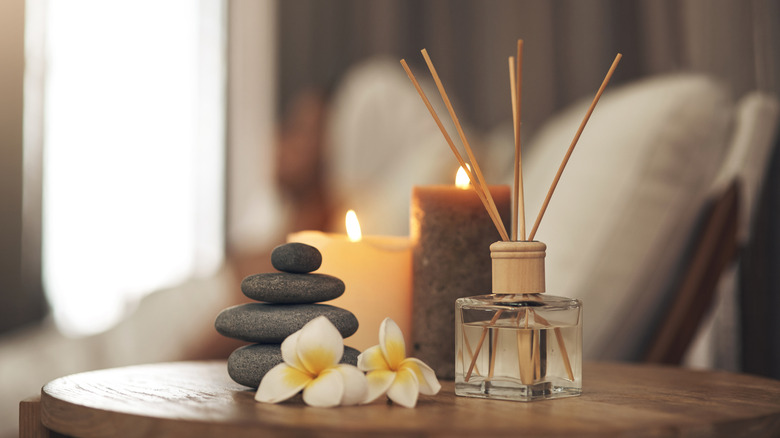
Pet odors, lingering food smells, and stale upholstery can dampen the mood. Bad odors could even make some guests wonder if your home is clean, which could leave them feeling uncomfortable. If you happen to have funky smells in your home, you might not notice them, but your guests likely will. Plus, ensuring your home smells good is your chance to make a positive impression on your guests — just make sure the smell isn't too artificial-smelling or too strong, as they can be just as unpleasant.
Fortunately, small habits will make your home smell better than ever — airing out your home, keeping pet areas clean, and vacuuming upholstery frequently are a few examples. Before a party, use your choice of scenting methods to create a pleasant smell that sets the mood. For a holiday party, choose a simmer pot recipe to give your house a refresh with cinnamon, apples, and cranberries. With a diffuser, you can combine essential oils to create a signature scent. Fabric sprays or scent sachets tucked between the cushions improve the smell of sofas.
Add necessities to the bathroom in stylish containers
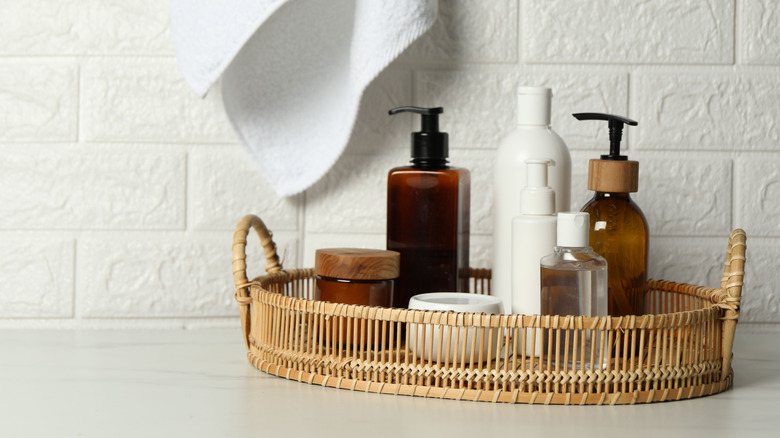
Sometimes guests need toiletries or personal care items unexpectedly at a party, and it's not always easy to ask for those things discreetly. A guest might feel embarrassed asking for feminine hygiene products or antacid medication. Some products, like hand lotion, aren't necessities and don't cause embarrassment, but having them readily available is a thoughtful touch.
Keeping your powder room and bathroom stocked on items, like bandages, pain reliever, antacid, feminine products, lotion, and flossing picks, gives guests access to those little conveniences. Display those items in decorative containers, and place them in a spot where guests will notice them. There are many ways to upcycle glass jars for a stylish and functional bathroom. Putting the items on a tray or in a basket creates a beautiful display. If you have kids (or if kids will be at the party), store all dangerous items and medications in a secure spot, such as in a marked drawer or cabinet.
Soften and warm up your home with fabrics
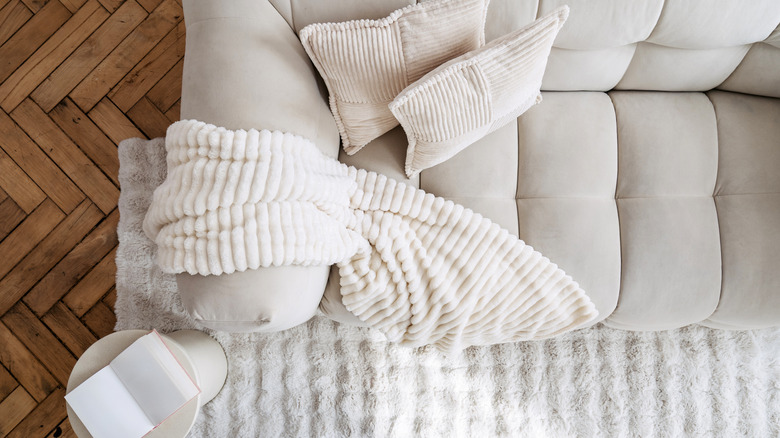
Part of creating an inviting space for guests is making them feel like they can sit down comfortably and cozy up like part of the family. If your home feels too sterile, it doesn't send the message that guests should plop down and start chatting. Bare-bones decor can also feel less physically comfortable. Even your towels are important — rough, thin hand towels in the bathroom aren't practical or pleasant.
When you decorate your home with blankets and pillows, you visually and physically soften the environment — blankets casually draped over the arm or back of seating tells guests your space is lived in and they're welcome there. Throw pillows add cushioning during long gatherings and can serve as support to those who need it. Textiles made from various fabrics with different textures even incorporate a sensory element, inviting guests to brush their hand across a soft chenille blanket or cuddle up to a squishy pillow.
Add decorative storage to cut down on clutter
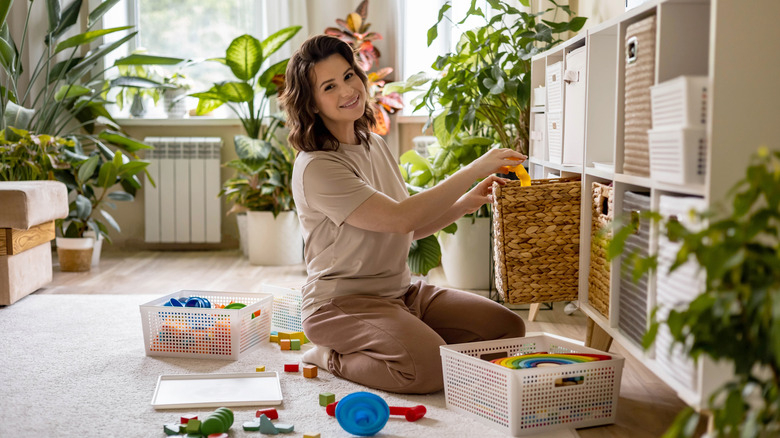
Your home has to work for you, and that means you'll have belongings that need to stay in shared spaces. But your guests don't want to trip over toys or stare at all of your kitchen gear during a party. It makes the space feel cluttered and unwelcoming, while clear surfaces bring to mind cleanliness and less visual clutter. Too much stuff could also cause tripping hazards or cut into the seating and activity areas. Organizational containers keep those items accessible to you, but still out of the areas where you plan to host. Plus, an organizational system makes it easier to tidy up right before guests arrive.
Discovering hidden storage solutions for anywhere in your home allows you to stay organized while guests enjoy a clutter-free environment. Some items that currently live in your living room, dining room, and kitchen could be better suited for a more private storage space. For the items that are left, designate a home that isn't simply a pile on top of a table or countertop. Examples of solutions include bins, storage benches or ottomans, baskets, and cabinets with doors.
Decorate your table for the season without overwhelming the space
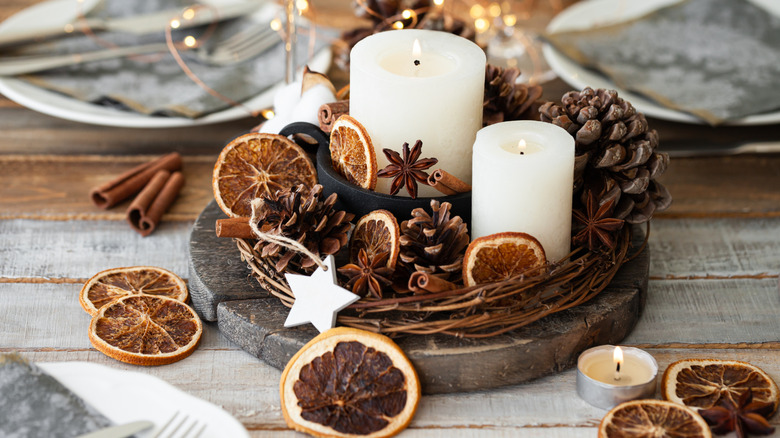
A perfectly styled centerpiece elevates your dinner parties, but those decorations could get in the way if you don't plan them carefully. Large decor that takes up a lot of surface area could leave guests crowded and without enough room for their drinks and food. Going vertical isn't the best solution either though — tall centerpieces block the view across the table, which could interfere with conversations and force awkward leaning.
When planning centerpieces, keep them proportional to the table. A good rule of thumb is to keep your centerpieces to about 12 to 18 inches wide for a 5-foot round table. For an 8-foot round table, you can scale up to 24 to 36 inches. If you have a rectangular table, consider a low, long, swag-style centerpiece. A collection of smaller vases is a versatile option that you can easily arrange to leave ample space for your guests.
Set up a sound system for welcoming background music
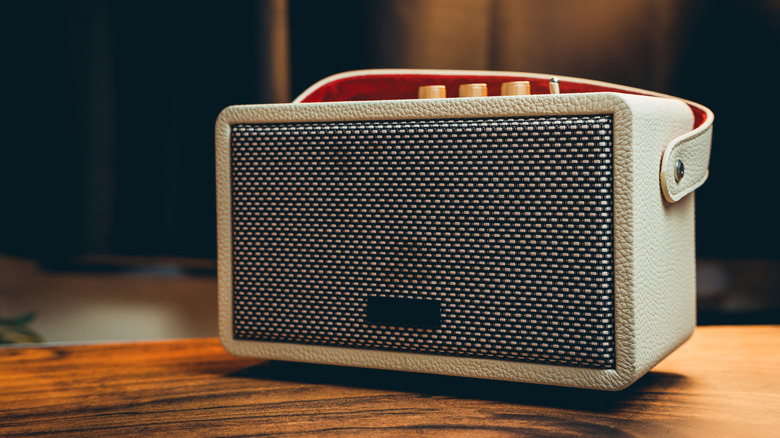
Your house will likely be filled with laughter and chatter once your guests show up, but that doesn't mean you should have a silent home with no background music. The sounds playing when guests arrive help create the desired vibe, whether you choose upbeat dance tunes or mellow jazz. Being met with silence, especially for the first few guests, can feel awkward. They might feel like they have to fill the quiet with excessive talking, which can cause anxiety in some people.
When you integrate speakers seamlessly in your home decor, you can easily turn on background music for guests. Choose the perfect playlist for the event as part of your planning, so you can have the music going the second the guests arrive. Bluetooth speakers let you share control of the tunes if your guests want a turn, and you can adjust the volume as the vibe of the party changes.
Add side tables an arm's reach away from most seating
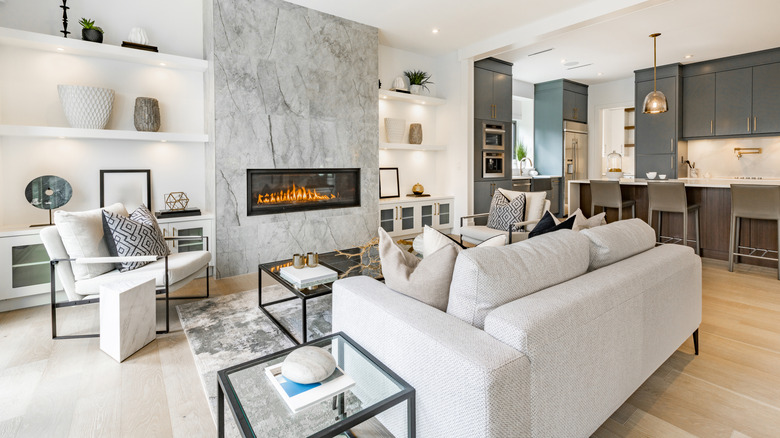
No party is complete without refreshments, but that can become a pain for guests who don't know where to put down their glasses and plates. If end tables are scarce in your home, you may end up with guests balancing their plates on their knees or being stuck holding their drinks all night. Drinks placed on the floor or on random surfaces are more likely get tipped over, creating a mess or a dangerously slippery situation.
Adding more side tables can solve the drink conundrum when you're hosting. What's the perfect number of end tables? That depends on the size of your space and the number of seats. Ideally, you'll want most or all people to be able to reach a table, but they can share with other spots. It's also important not to go too crazy with end tables — you don't want them to get in the way of traffic or cause people to stub their toes. One option for limited space is to keep a few folding end tables on hand that you can put out while you entertain.
Add a soft rug
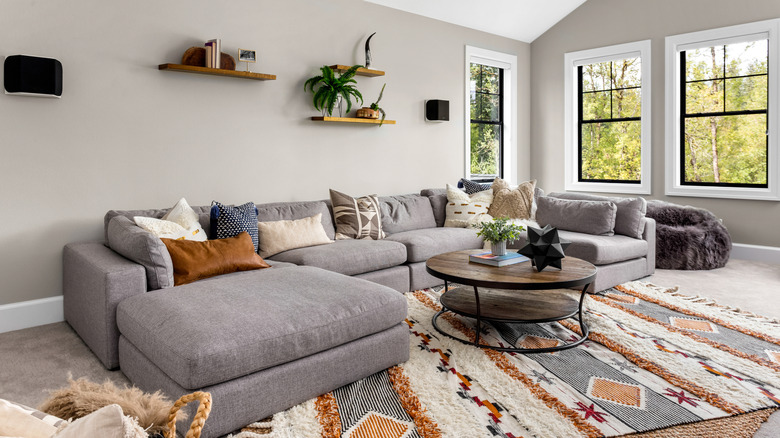
Comfy furniture is a must for guests, but what's on the floor also matters. If your home has hardwood, laminate, tile, or other types of hard flooring, it can feel hard, cold, and unwelcoming — especially if you like your guests to take off their shoes. The same goes for scratchy rugs. For casual events with lots of people, some guests may end up sitting on the floor, which leaves them with an uncomfortable spot. Plus, leaving your floor plain without a decorative area rug means you're missing out on another decorating opportunity that adds visual warmth and style.
Roll out a plush, soft area rug where you normally entertain to cushion the flooring. When choosing a rug for a living room seating area, make sure it's large enough so that all of the furniture pieces have at least their front legs on the rug. Darker colors and patterns help hide little spills and dirt, which can be a common occurance if you entertain often.
Incorporate an entryway bench or chair if you don't have one
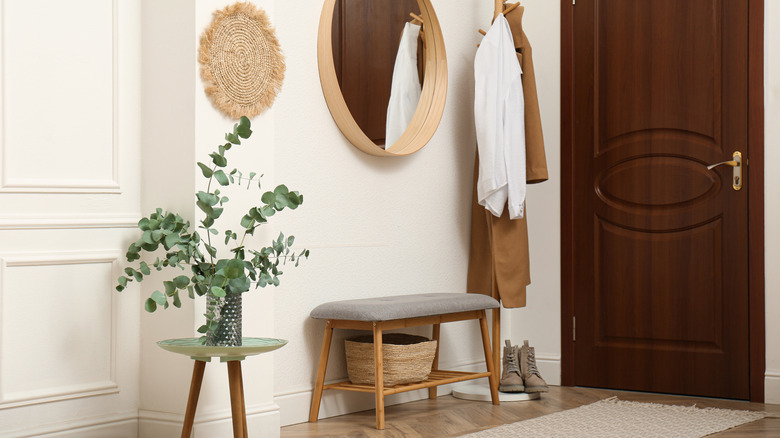
When guests arrive and leave, they may be holding dishes, wrangling kids, or simply tired and full from an evening of eating and drinking. It then becomes challenging to balance those things while dealing with shoes and coats. Plus, for guests with mobility issues, it can be difficult to get shoes on and off if there's no seating in your entryway. It makes your foyer less accommodating to guests with different needs.
It's easy to fix that situation by adding a bench or chair to your entryway. Consider a bench with a lower shelf or built-in storage bins to maximize space and keep your foyer tidy. Measure the space to choose seating that will fit well without interrupting the flow of traffic. A console table is also a useful addition, as guests can put their bags and dishes down while they're getting ready. For tight spaces, consider ottomans that slip under the table when not in use.