

13 Basic Home Management Skills Everyone Should Have
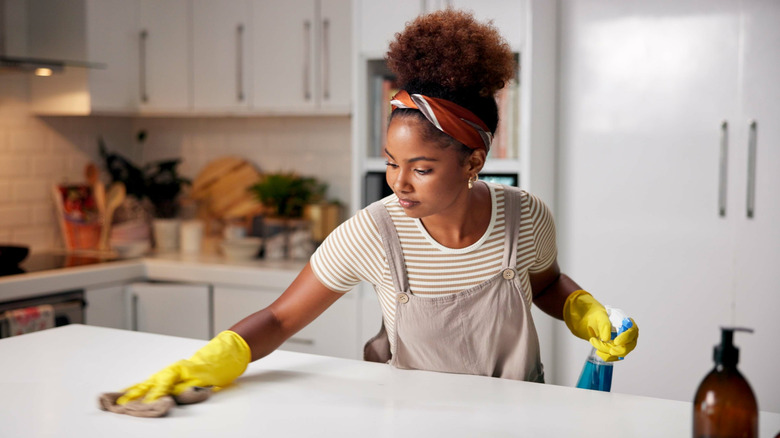
A clean and well-run home is the result of small, consistent habits that make daily life more comfortable and stress-free. Home management isn't just housekeeping and tidying up — it's about creating routines that support your health, extend the life of your belongings, and keep every household appliance and system running smoothly. When the basics are in place, chores are easier, your home stays efficient, and you can truly enjoy the space you work so hard to maintain.
From proper cleaning to appliance upkeep, this guide breaks down essential home management skills everyone should have. Whether you're a first-time homeowner, living solo, or just looking to get a better handle on household practices, knowing the right techniques and most effective routines will ensure you stay on top of tasks, guarantee safety, and avoid costly mistakes. More importantly, it will help you create a home that's not just functional, but genuinely comfortable and pleasant to live in.
Doing laundry correctly keeps clothes fresh and long-lasting
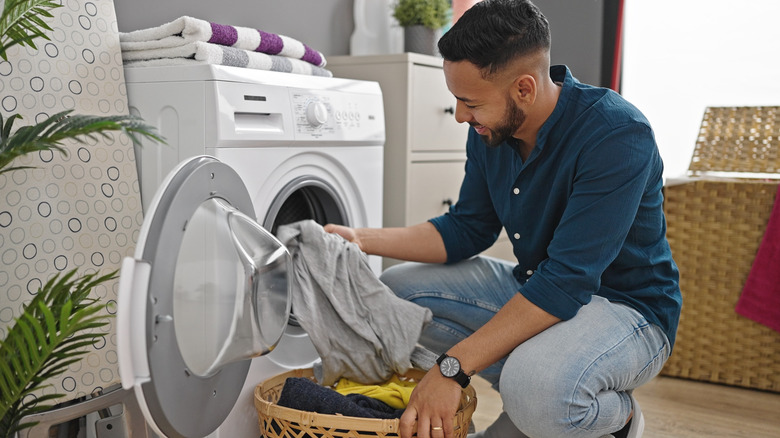
Doing laundry might seem straightforward, but doing it well makes a major difference in how your clothes look, feel, and hold up over time. Proper laundry habits prevent shrinking, color bleeding, fading, and fabric damage — all issues that shorten your wardrobe's lifespan. The right techniques also support better hygiene, especially when it comes to towels, bedding, gym apparel, and undergarments, which can harbor nasty bacteria if not washed thoroughly. By understanding how to correctly wash your fabrics, you'll keep your clothes and bedding feeling their best for years.
Start by avoiding what everyone gets wrong when doing laundry: sorting only by color. You should also sort by weight, fabric type, and soil level. Before washing, read care labels and pretreat stains. Be careful not to overload the machine, as overcrowding prevents items from getting fully clean and can cause pilling. To effectively wash, use an enzyme-based detergent and measure it according to the product's instructions, rather than guessing. Next, choose the right wash cycle and water temperature based on your load. While the normal cycle is suitable for the majority of loads, more delicate fabrics require the permanent press or delicate settings, and items like jeans and towels should be washed using the heavy-duty cycle. Cold water is fine for most clothing, but you should wash bedding, towels, undergarments, and more heavily soiled items with hot water if you can (being sure to hand-wash necessary pieces). Finally, dry garments according to their care label, but not without checking that stains have been fully removed, since heat can set them permanently.
De-wrinkle clothes for a wardrobe that looks polished
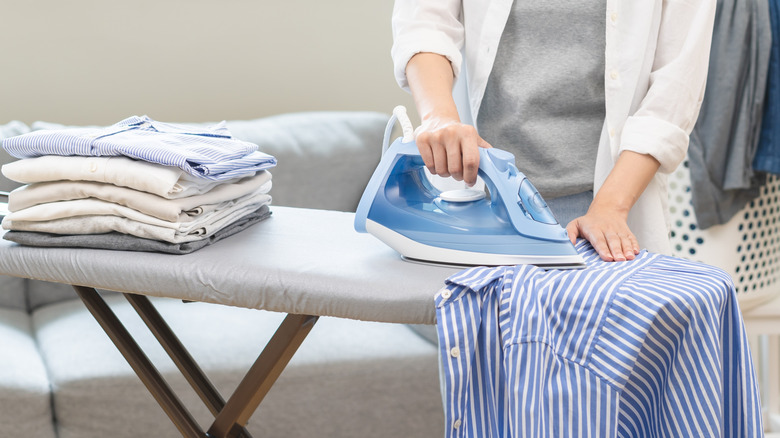
Smooth, wrinkle-free clothing, tablecloths, napkins, and bedding instantly elevate you and your home's appearance. Keeping your garments and household textiles pressed or neatly steamed also helps them last longer, keeps fabrics looking crisp, and saves you from scrambling at the last minute when you need everything to look presentable. Plus, when your home and wardrobe look cared for, you naturally feel more confident and put-together. And the best part is, it doesn't take much effort.
The first step is knowing which iron heat settings match your fabrics: low for most synthetics including polyester, high for linens, cotton, and denim. While starch spray isn't necessary, consider using it on formal and business attire, lightweight fabrics like cotton and linen, and heavily wrinkled items. After preparing your iron, turn your garment inside out and lay flat on the ironing board. Work in sections, beginning with the collar, neckline, or waistband. Glide the iron lightly across the fabric, working in steady strokes that follow the natural lines of the garment. Smooth out wrinkles along the way, giving extra care to cuffs, sleeves, pleats, and other detailed areas. Use the steam function on deep wrinkles by hovering it over the fabric until the fibers relax. More delicate materials, like silk, cashmere, and lace fare better when steamed. A handheld steamer works well for these fabrics, as well as for quick touch-ups. To be safe, always read garment care labels for instructions. Once your fabrics are wrinkle-free, hang or fold them immediately to preserve your work.
Effective dusting improves air quality
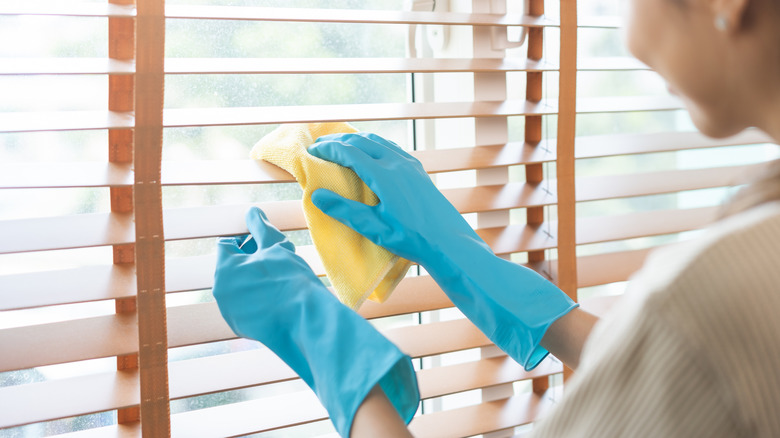
Dust may seem harmless, but it carries a mix of allergens, fibers, skin cells, bacteria, dust mites, and pollutants. A good weekly dusting routine can improve your home's air quality and reduce allergy and asthma symptoms, like coughing and sneezing. By dusting consistently and effectively, you can remove buildup before it circulates through the air or settles into the room. Clean surfaces also make rooms look brighter and fresher, helping you create a more pleasant and inviting environment.
For best results, use a microfiber cloth, as it lifts and traps particles instead of spreading them around. It will work best if you keep rotating to a fresh side. An easy way to do this is to fold it over a couple of times. That way, you'll have eight clean sides to switch between as you work. When dusting, start high and work your way down so fallen debris doesn't settle on freshly cleaned areas. Make sure to hit the often-overlooked places: window treatments, baseboards, ceiling fans, vents, books, electronics, underneath furniture, and the back of appliances. If you're having trouble with hard-to-reach or tricky spots, an extendable duster, vacuum attachment, or even a clean paint brush can help. And, for items like lampshades or upholstered chairs, a lint roller works surprisingly well.
Safe use of household cleaning products is a must
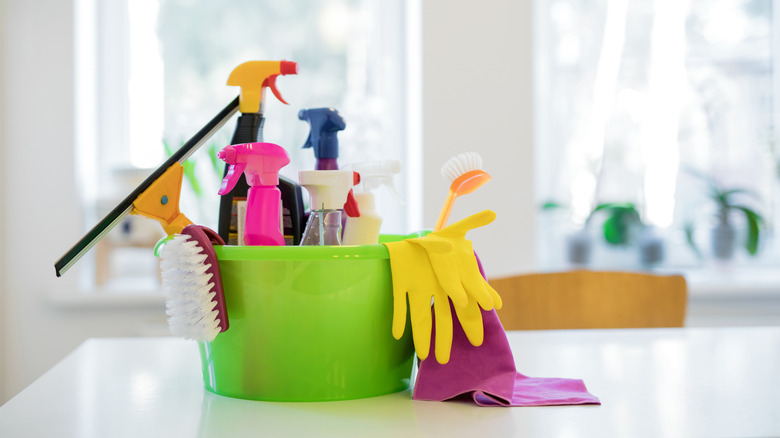
Cleaning products are powerful tools, but they need to be handled with care. Misusing them can lead to respiratory irritation, chemical burns, toxic fumes, and other serious hazards. Even common cleaners like window sprays and bathroom disinfectants can contain chemicals that become dangerous if combined or used without proper ventilation. Understanding how to safely use these products helps protect your health, your home, and everyone who lives in it.
Before using, read product labels closely, paying attention to directions, warnings, and ventilation instructions. The most important rule to follow is to never mix cleaning products. That includes bleach, ammonia, vinegar, glass cleaners, bathroom sprays, oven solutions, all-purpose formulas, and many more products that may contain reactive ingredients. When handling any chemical, it's important to wear gloves and open windows or run fans to keep air circulating. Be mindful that certain household cleaning products should be used with caution in your kitchen, like vinegar and multi-surface solutions, as they can damage certain surfaces. When storing, keep all products sealed, upright, and out of reach of children and pets.
Hand-wash dishes correctly to avoid germs, grease, and gunk
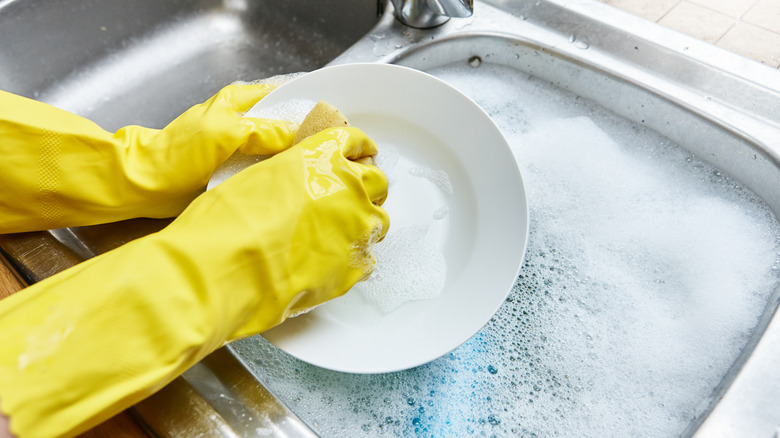
Hand-washing dishes properly ensures cleanliness. While it may seem like a simple task, technique matters. When dishes aren't washed thoroughly enough, grease, bacteria, and food residue can linger on surfaces. Over time, this buildup leads to unpleasant odors, contaminated dishware, and even cross-contamination in your cooking space. Learning the right approach helps keep your kitchen fresher and much healthier.
Begin by scraping off leftover food or loosening residue with a quick soak. Then, fill the sink halfway with hot water, and add about ½ to 1 teaspoon of liquid dish soap. Start with lightly soiled items first — usually glasses and flatware — before moving on to dirtier cookware. Wearing gloves and using a sponge or scrubber, wash items one at a time under the soapy water. Then, rinse each with hot, clean water. For stubborn pots and pans, soaking is better than aggressive scrubbing, which can damage surfaces. However, one of the biggest mistakes to avoid when hand-washing your dishes is soaking the wrong items, like wooden pieces and cast iron cookware, as prolonged exposure to water can ruin them. Once everything is washed, dry dishes with a clean towel or let them air dry. And don't forget that your dishcloths, scrubbers, and kitchen sponges need frequent sanitizing and replacing.
Properly load and maintain a dishwasher for cleaner dishes
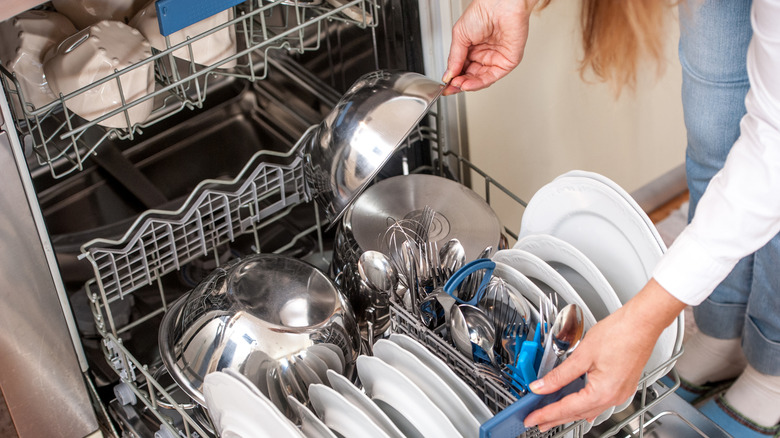
If you prefer an appliance to do the work, a well-loaded dishwasher makes all the difference in how clean your dishes come out. When items are arranged correctly, water circulates freely, detergent reaches every surface, delicate pieces stay protected, and your machine stays running smoothly. Regular maintenance is also important, as it can prevent odors, clogs, and performance issues. Knowing how to load and maintain this essential appliance will give you cleaner results and help extend its lifespan.
First, remove excess food from dishes by rinsing or soaking. Then, place larger and heavily used items, like platters, cookware, and dinner plates, on the bottom rack, keeping pots and pans along the sides or back. Load utensils into the basket with blades facing down. Use the top rack for cups, wine glasses, and smaller dishes. Keep all dishwasher-safe plasticware up top as well to prevent heat damage. Nestle little plates and bowls between tines, and angle items so water can drain properly. Give fragile pieces space to prevent chips or cracks. Before starting the cycle, check that the spray arms can spin freely. Be mindful that some items should never go in the dishwasher, including cast iron, fine dishware, insulated cups, crystal, most silver, wood, copper, and non-stick pans. To keep your dishwasher performing well, clean the filter and spray arms regularly, and run a cleaning cycle monthly. You can clean and descale your dishwasher using vinegar.
Cast iron cookware requires special cleaning and caring
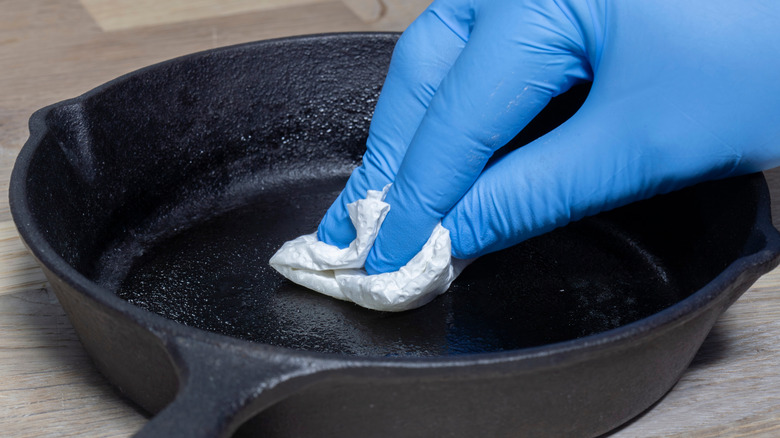
Cast iron cookware is beloved for its durability, heat retention, and nonstick surface, but it needs proper care to stay in top condition. Harsh detergents, dishwasher cycles, and long soaks can strip its seasoning, leaving the surface prone to rust and sticking. But with the right habits, cast iron pots and pans can last for many years and remain one of the most reliable pieces in your kitchen.
To clean your cast iron, use dish soap, warm water, and a non-abrasive sponge, removing mild stuck-on bits with the back scrubber. For heavier messes, heat some salt in the pan and scrub with paper towels. Rinse and wash once more, then dry thoroughly. Before putting your cast iron away, give it a quick refresher coat of seasoning: Rub on a tiny bit of neutral oil, wiping off the excess, so the pan barely looks coated. Then, place it over high heat for a couple of minutes, just until it smokes lightly, and voila! This quick step reinforces the seasoning without the need for an oven cycle.
Cleaning floors correctly protects surfaces and your health
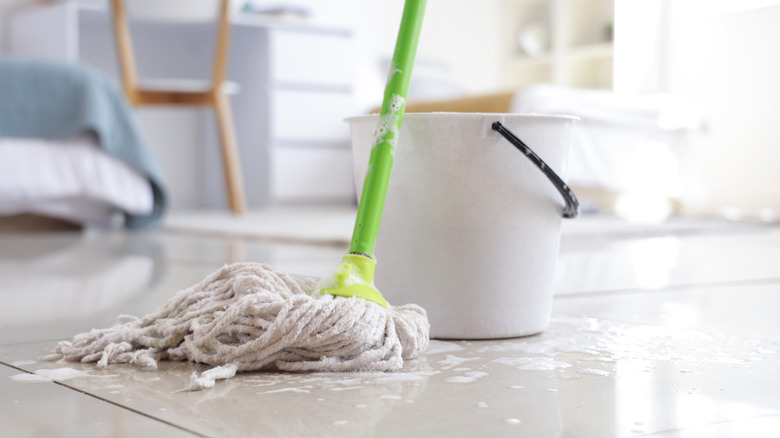
Floors and carpets bear the brunt of everyday living, which means they collect dirt and allergens that can affect indoor air quality, your health, and the condition of the flooring itself. Proper cleaning prevents premature wear, protects finishes, and prevents grime from spreading throughout the house. By learning the right technique and employing regular floor care, you can keep your home feeling fresh, your floors well-maintained and avoid pesky allergy symptoms.
Your routine should include vacuuming carpets and rugs frequently to remove trapped debris. Deep clean them about every six months, using a steamer, carpet cleaner, or a professional. For hard floors, always sweep or vacuum before mopping to avoid dragging grit around surfaces. Before getting to work, select a cleaning detergent for your floor type. Most floors do well with a pH-neutral cleaner, but it's important that you always do your research. After mixing with water in a bucket according to product instructions, the mop should be wrung out so that it's damp, not wet, with the exception of tile floors, which can be wet-mopped. Moving backwards, work in sections of five to six square feet. Then, finish off with a clean rinse. While polyurethane-finished hardwood floors can be damp mopped, wax-finished hardwood floors require dry mopping, as even the slightest bit of water can damage them. If, instead, you want to mop with a hardwood spray, check that it's safe for your wood type and read directions before using.
Keeping a clean bathroom prevents germs and mold
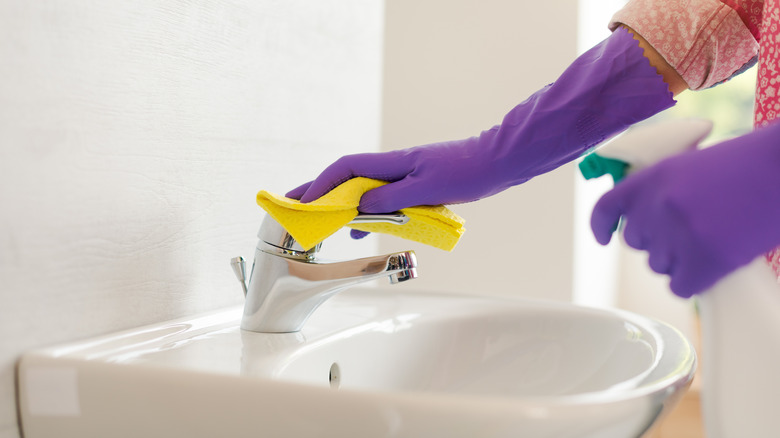
Bathrooms naturally collect moisture and grime, making them one of the most important rooms to clean regularly. Without proper upkeep, mold and mildew take hold quickly. Germs also lurk everywhere in bathrooms, especially on high-touch surfaces such as faucets, handles, toilets, and around sinks, including harmful bacteria and viruses that can make you sick. A consistent weekly bathroom cleaning routine keeps these problems under control, improves hygiene, and helps your bathroom stay fresh and well-maintained.
To clean effectively, begin by decluttering surfaces, dusting, and sweeping. After gathering your supplies, clean from top to bottom. Start with vents, fixtures, and mirrors. Then, scrub and rinse the shower and tub with a mildew-fighting cleaner. Next, clean counters and sinks. For the toilet, use a dedicated brush and toilet disinfectant inside the rim and bowl. Wipe down the rest with an all-purpose cleaner and clean cloth. If you need to tackle limescale or stubborn mineral deposits, try brushing it with baking soda or a damp pumice stone. When it comes to removing mold and mildew, letting borax sit on it overnight and scrubbing it in the morning works miracles. Disinfected high-touch surface areas with an all-purpose cleaner with bleach, or using a diluted bleach solution. Finish by mopping and drying surfaces. You can keep your bathroom even cleaner with additional weekly habits like switching out towels and taking out the trash.
You should know how to perform basic home upkeep
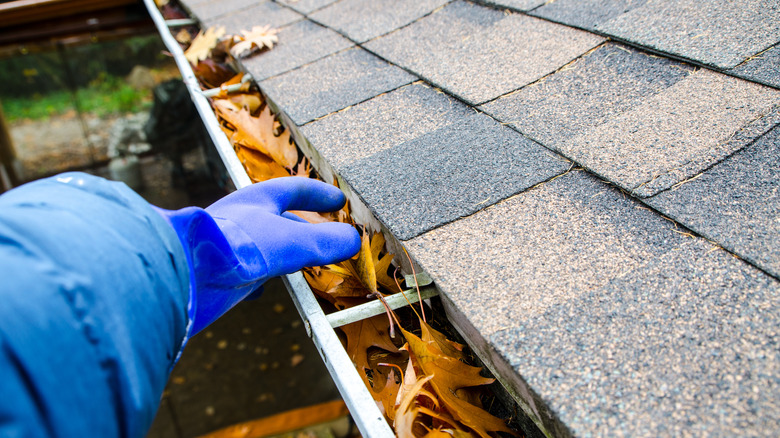
Basic home upkeep is one of the most valuable skills to have because small issues often worsen when ignored. A loose screw, a tiny leak, or worn seal might not seem urgent, but over time these little problems can turn into expensive repairs. Staying on top of routine checks keeps your home functioning smoothly, avoids stress, and helps you know when something needs professional attention.
Your first order of business is making it a monthly habit to check for leaks under sinks, surrounding faucets, around toilets, and near exposed pipes. Dishwashers, refrigerators, water heaters, and washing machines should ideally be inspected for leaks every three months. Full home water inspections, which cover your foundation, roof, attic, and crawl spaces, should be performed annually. It's also smart to check ceilings, basement, and plumbing after every heavy rain or freeze. As far as seasonal tasks go, clean your gutters in late spring and again in early fall, and schedule pest control services every three months. Simple maintenance is just as equally important: tighten loose hardware, replace burnt-out bulbs, and refresh caulking, sealing, and weather stripping when it begins to crack or seal. These small but essential habits will keep your home at its best and save you from avoidable surprises.
Household safety device checks prevent dangerous emergencies
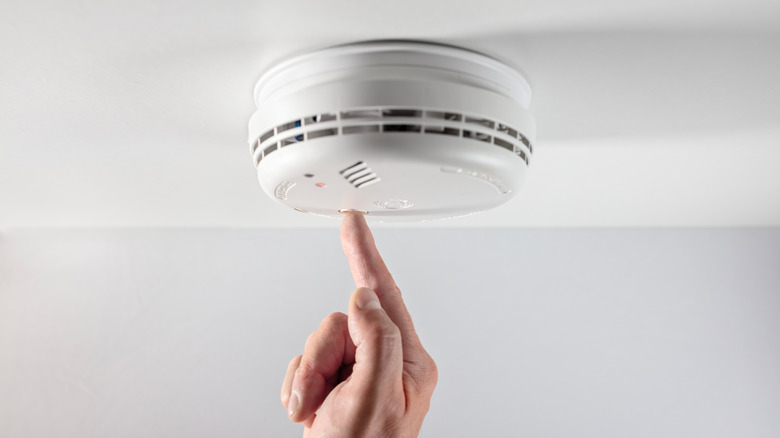
Safety devices are easy to forget about — until you need them. Smoke detectors, carbon monoxide detectors, and fire extinguishers protect you only when they're in proper working condition. Over time, batteries die, units wear out, and extinguishers lose pressure. If you don't check and upkeep these devices regularly, you could be left vulnerable during an emergency.
A good routine involves testing smoke and carbon monoxide detectors monthly using the built-in button, and replacing the batteries on both once a year. These devices also have a lifespan: smoke alarms should be replaced every 10 years, while carbon monoxide detectors typically last 5 to 7 years. As for fire extinguishers, make sure they're stored in accessible locations and check the pressure gauge regularly. You should also physically inspect them for dents, corrosion, hose cracks, nozzle leaks, and faulty locking pins and seals. Staying on top of these tasks will give you peace of mind and ensure your home is ready for emergencies.
HVAC filter maintenance ensures comfort and energy efficiency
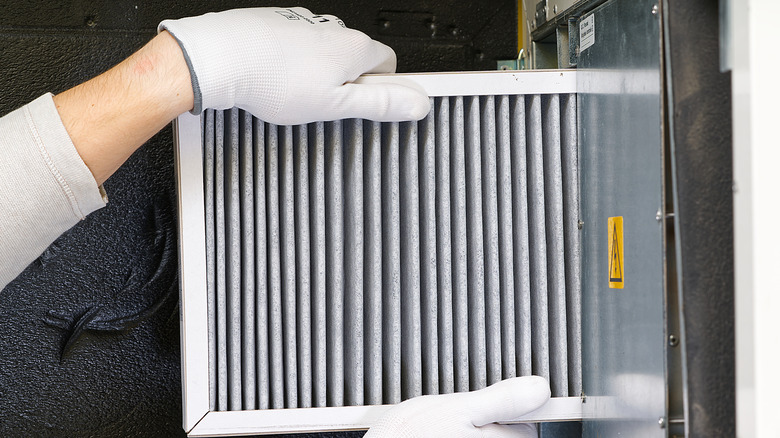
Your HVAC system quietly keeps your home comfortable year-round, but it can't perform well with a clogged or dirty filter. When airflow is restricted, the system works harder, energy costs rise, and dust and allergens circulate more easily. Regular filter maintenance ensures clean air, keeps your system running smoothly, extends its lifespan, and makes a dramatic difference in comfort.
To stay on top of it, you must first know your filter type. The most common types are fiberglass filters and pleated filters, which need to be changed every month and three months, respectively. If you have HEPA filters, they need replacing every 6 to 12 months. Meanwhile, electrostatic filters need to be changed every three months if they're disposable, but can last you 5 to 8 years when it's a permanent version. Lastly, washable filters should be cleaned monthly and replaced every 5 to 8 years. In order to be sure you're on a good schedule, always check the manufacturer's recommendations. And keep in mind that homes with pets, allergies, or high dust levels may need more frequent changes.
Routine care for appliances is crucial
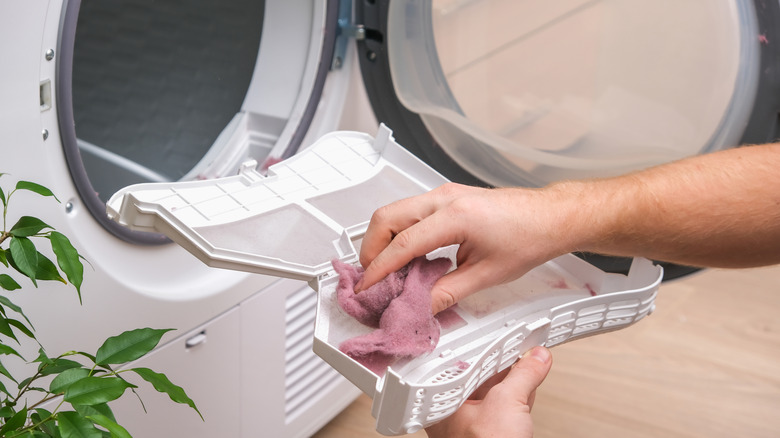
Household appliances work hard every day, and without routine care, they can wear out faster, experience malfunctions, cost more money to operate, or even become safety hazards. From your oven to your refrigerator to your dryer, each appliance has its own set of needs. Taking the time to clean and inspect them regularly will help avoid surprise breakdowns and keep things running smoothly. Additionally, regular maintenance is usually necessary for approval of warranty claims. Failure to present proof can void warranties, so don't skip out on professional services and inspections, either.
To easily ensure effective appliance maintenance, create and follow a schedule. Begin by making a list of every appliance, jotting down model numbers and purchase dates to effortlessly track warranties and recommended service intervals. Then, check each appliance's manual or visit the manufacturer's website for specific requirements regarding both user-performed tasks and professional services. You can handle simple upkeep yourself, like clearing filters or wiping down coils, but more in-depth servicing and repairs should be done by trained professionals. And remember to make sure you're complying with your manufacturer or home warranty's guidelines to keep your coverage and stay protected.