

What Happens If You Don't Shovel Snow? In Some Places You May Owe Money
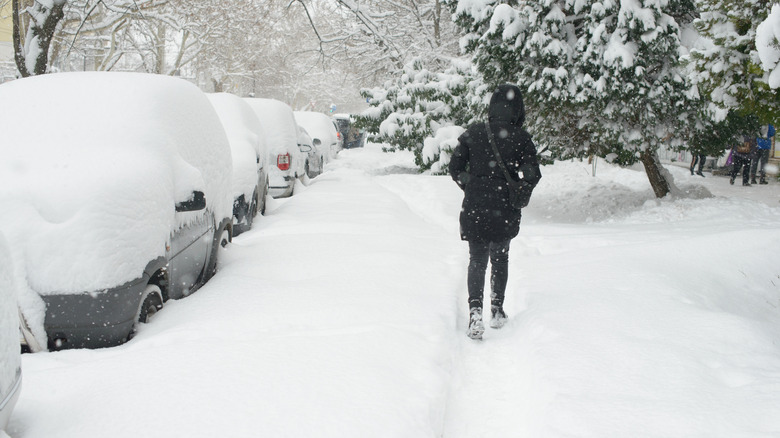
For some people, seeing snowfall can bring about feelings of nostalgia. No matter what your feelings about snow, though, everyone can agree that shoveling several inches of the packed slush from around your property is definitely not a fun task. Aside from the physical labor (and sometimes danger) associated with snow removal, you might even be faced with monetary consequences for letting it be. This is particularly the case if you have a sidewalk in front of your home. In order to keep pedestrians safe from snow-related hazards, many states, counties, and cities have laws that require sidewalks to be cleared within a certain amount of time. If you do not follow such laws in your area, you could be faced with some fines.
The exact rules for snow removal from sidewalks vary based on where you live. If there are such laws, you can expect rules that specify how long you have to remove slush from the sidewalk. Usually, the expectation is that the sidewalk be cleared down to the concrete level. You might also be expected to apply salt to the walkway to prevent it from icing. Additionally, some states have rules against shoveling snow from sidewalks onto roadways or other walkways, or else you might incur a fee. Aside from fees from cities and counties, there's also liability to consider. If a pedestrian gets hurt on the sidewalk in front of your home, you might face legal fees if the accident is tied to a failure to remove snow. While a sidewalk isn't always considered part of your property, you are still unfortunately responsible for its maintenance.
How to avoid sidewalk related snow removal fees
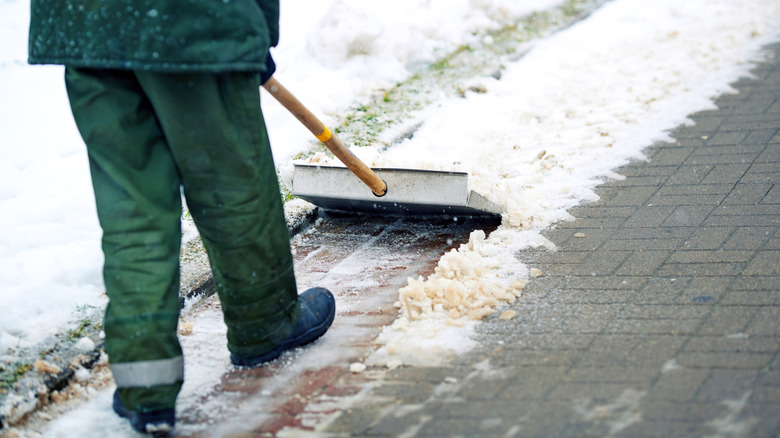
No matter where you live, it's best to check the rules and laws governing snow shoveling from sidewalks in front of your home before snow season hits. Overall, fees are the most prevalent in states that get more snow on average. These may still vary by city and county, though. Once you know the rules, be prepared to prevent fines and fees by planning for snow removal in front of your home. This may involve hiring a reputable company, or buying the right snow removal equipment to do the job yourself.
Also, if you live in an HOA community, check the covenants for rules regarding snow shoveling in your neighborhood. You can also ask the HOA board or management company for an explanation of these rules. In some cases, individual homeowners might still be responsible for shoveling snow from the sidewalks. Other HOAs take care of the task by hiring a company to do the work for the entire neighborhood. Sometimes, however, the HOA will only remove snow from common areas, such as on sidewalks near shared recreational areas.
Rental homes aren't immune from snow removal related fees, either. As a renter, don't assume that the responsibility for removing snow from sidewalks is the owner's responsibility. Check your rental agreement carefully to see if you're responsible for the work. Reach out to the owner or property manager for any questions.