

16 Tips And Tricks That Will Make Your Furniture Flip More Successful
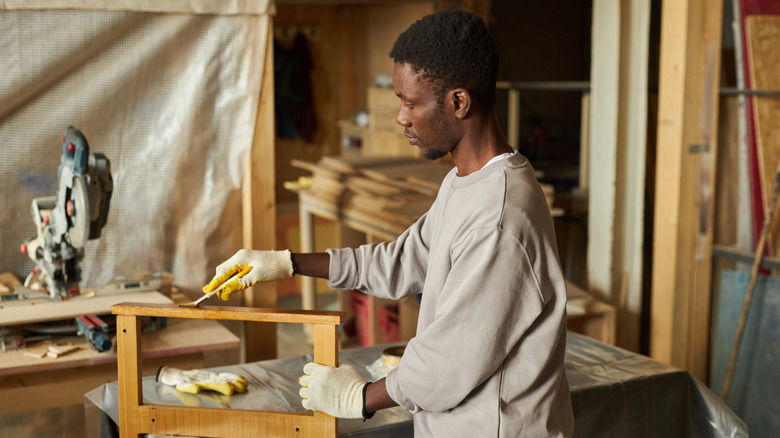
If you're fairly handy, have a love for vintage pieces, enjoy spending time at secondhand stores, and want to make a little extra cash, consider flipping furniture. Depending on the volume of pieces you're pumping out, flipping can be a simple hobby or a full-blown job. Essentially, you'll shop around for secondhand furniture items that are slightly damaged or in need of a refresh, paint, sand, or clean them until they're in good shape, and sell them for more than you bought them to make a profit. Many people pass up on furniture items that need minor upgrades or cosmetic repairs because they don't have the time, experience, or tools to do the job themselves, but if you're willing and able to take on the task, you can make quite a bit of money and give pieces that might have otherwise ended up in a landfill a new life.
However, flipping isn't all fun and games. If you don't follow certain rules, you could find yourself with a stockpile of half-finished projects that won't provide much of a profit at all. Improper preparation, impulsive purchases, and overambitious plans are common mistakes that could derail your flipping operation altogether. Instead, be sure to focus on quality, thoroughly inspect pieces before buying, and keep your customers' needs and wants in mind. With these considerations, you're sure to end up with a portfolio of completed projects you're proud of and a pocket full of extra cash.
Look for pieces with good bones
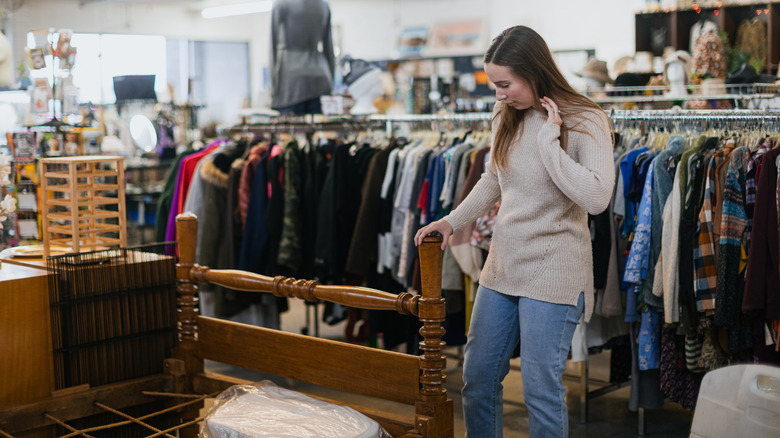
One of the most important considerations you should make when shopping around for furniture to flip is whether or not it has good bones. Unfortunately, not everyone is buying furniture that's built to last. Thrift stores, curbs, and online marketplaces are often flooded with flimsy MDF pieces from big-box retailers that are bound to break down in the next few years, regardless of how much TLC you give them. Instead, opt for materials that have been known to stand the test of time, like solid wood, metal, stone, and glass.
Stay away from pieces that won't work in modern homes
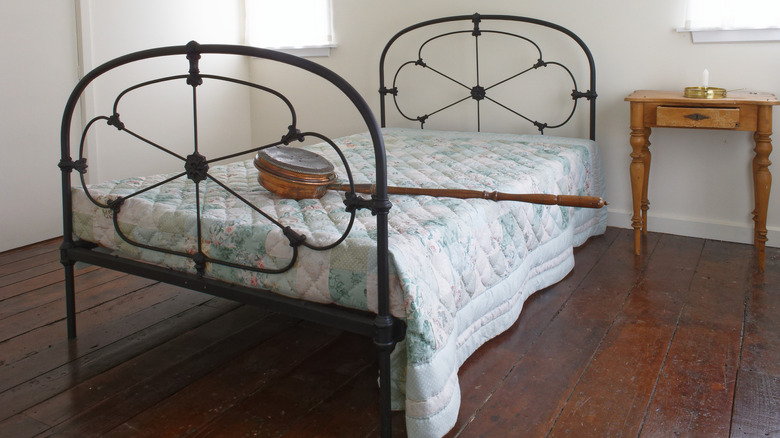
No matter how beautiful a piece is, if it doesn't work for a modern lifestyle, it likely won't sell. Bed frames, for example, should be measured before buying to determine if they will fit a modern mattress. Mattress sizes weren't fully standardized until the '60s, so this could cause major issues. The same goes for items that plug into the wall, from lamps to record player cabinets. These pieces might need to be rewired to work with modern outlets, so there's a chance they'll require quite a bit of work.
Don't bite off more than you can chew
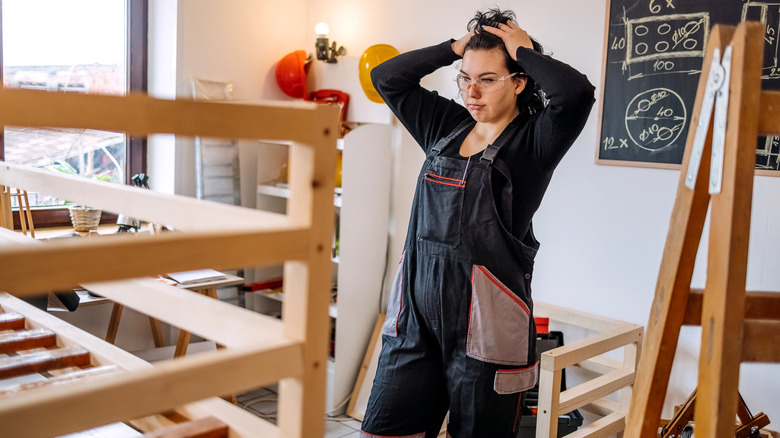
It can be tempting to take on a big project if you come across a pretty piece at the thrift store, but it's important to be realistic. If you're a beginner who wants to turn a profit, start off with small pieces that just need a little zhuzhing before they're ready to sell, like side tables and wood chairs. Taking on too much is an easy way to lose both motivation and money, so start small until you have the tools and knowledge necessary to pull off bigger flips.
Consider whether you're willing to reupholster
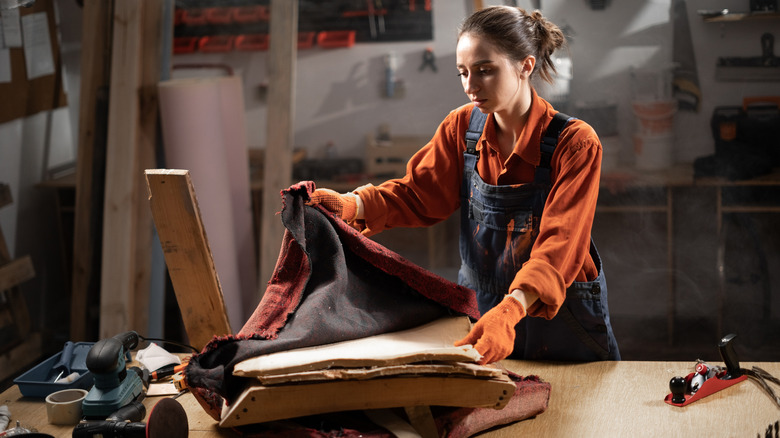
Some of the most interesting furniture pieces are covered in fabric. Whether it's a dining chair with a small seat cushion or a full-size sofa, it's important to consider whether or not it's worth the investment to flip. Fabric stains, holds odors, and gets damaged more easily than other materials, so if the cushion on the item you're looking at isn't in pristine condition, you'll likely have to either take the risk with spot cleaning or reupholster the piece entirely, an undertaking that not everyone has the tools to pull off.
Find your niche
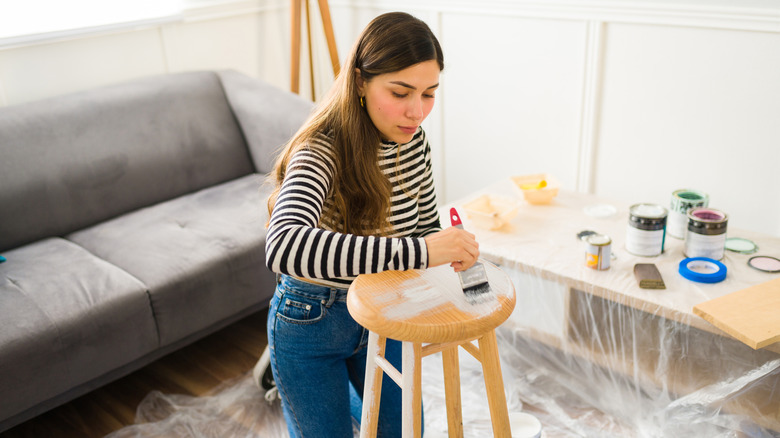
When you start your flipping journey, it's best to only choose a couple of different kinds of furniture to flip. Unless you're already experienced with woodworking or building, you'll be learning as you go, so it's much better to stick to a niche and slowly become an expert than overwhelm yourself with items while attempting to develop your skills. Focusing on one kind of item provides a crash course on how to find quality furniture, what is likely to sell, and what the best way to improve the piece is.
Look to modern trends for inspiration
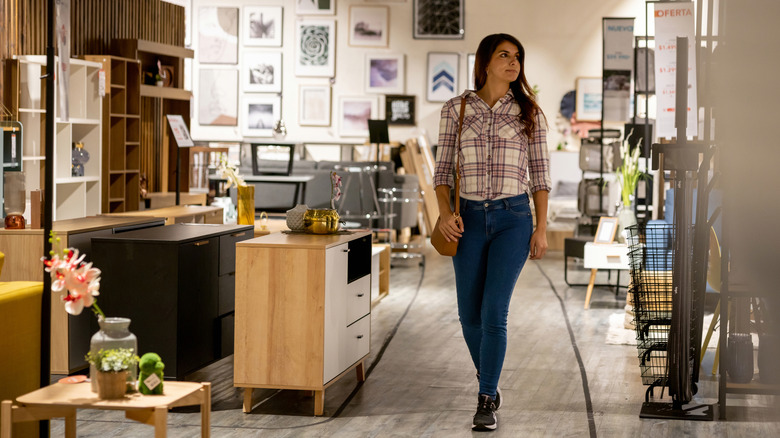
If you're flipping to make a profit, one of the most important things to consider is whether or not your items will actually sell. Luckily, this is pretty easy to figure out — just look at current trends to determine whether or not your potential flip matches. Furniture design trends come back in style, so you'll likely be able to find secondhand items that wouldn't look out of place in a furniture store today. If not, upgrade them for a modern audience with a new stain, fresh hardware, or trendy paint color.
Take quality photos
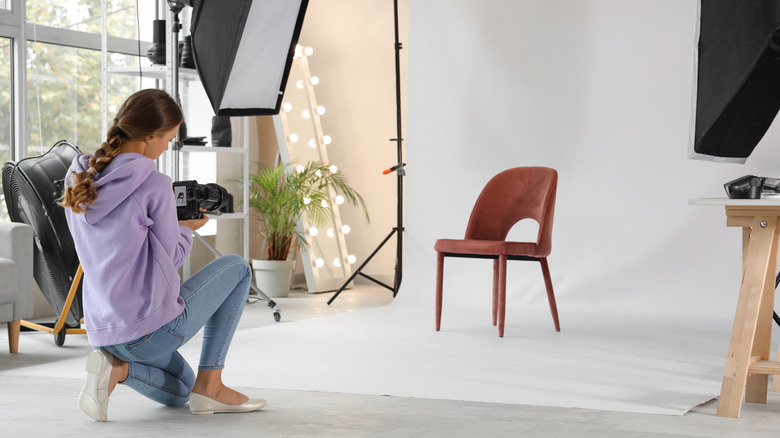
If you're planning to sell on platforms like eBay, Craigslist, Facebook Marketplace, or social media, quality photos are absolutely essential to secure customers. It doesn't matter if you did a great job on your flip if potential buyers can't see what's going on, so make sure you're using a quality camera (a phone will do the job just fine), the item is well-lit, and you take photos from several angles. For the best results, you should also ensure that the background is as clean and non-distracting as possible, ideally a light-colored wall with no other furniture nearby.
Try styling your pieces if they're not selling
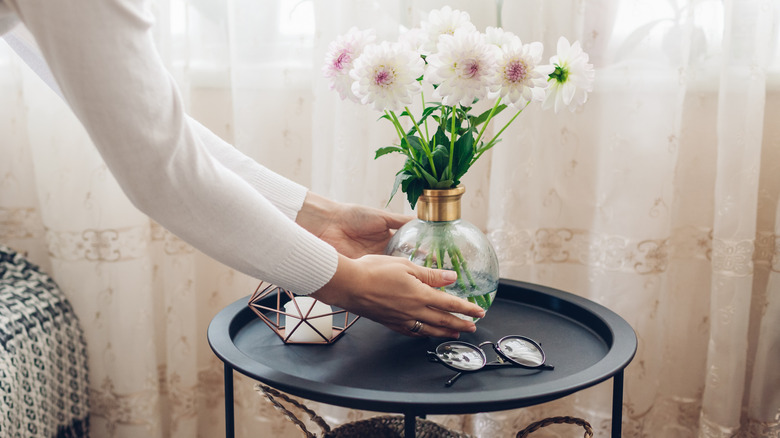
Sometimes, potential customers just need a little push to realize a piece will look good in their home. That's where styling comes in. Similar to the idea of staging a house, styling your flipped pieces will give a better idea of what they'll actually look like in use. Use trendier items, like modern vases, patterned blankets, cute accent pillows, or colorful dishes. Just make sure that these pieces don't interfere with the view of the actual item for sale — you should also include a few unstyled photos to be safe.
Consider providing delivery if it's convenient for you
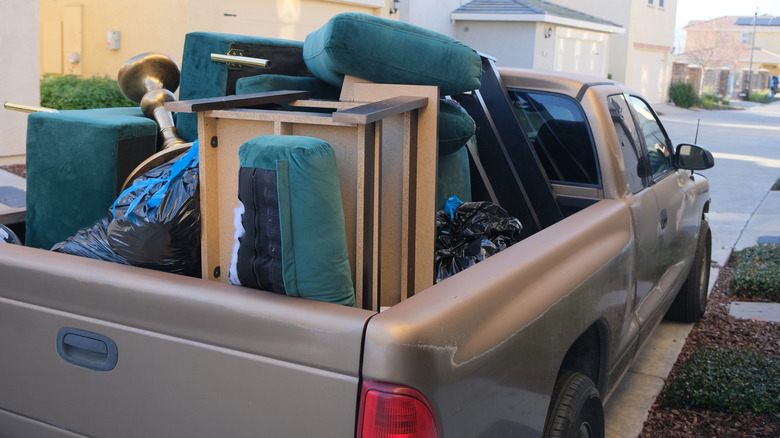
Not everyone has an SUV or a truck that can handle hauling large pieces of furniture. Not everyone can reasonably carry heavy furniture pieces into their own home, either. If you can provide delivery, you can greatly expand your potential customer base, but it is important to set boundaries. Consider charging an additional fee or only delivering within a small radius. If it's not feasible for you or you don't have the necessary vehicle, it's not the end of the world — you can also direct customers to third-party delivery apps like Dolly.
Don't drop a ton of money on pieces to flip
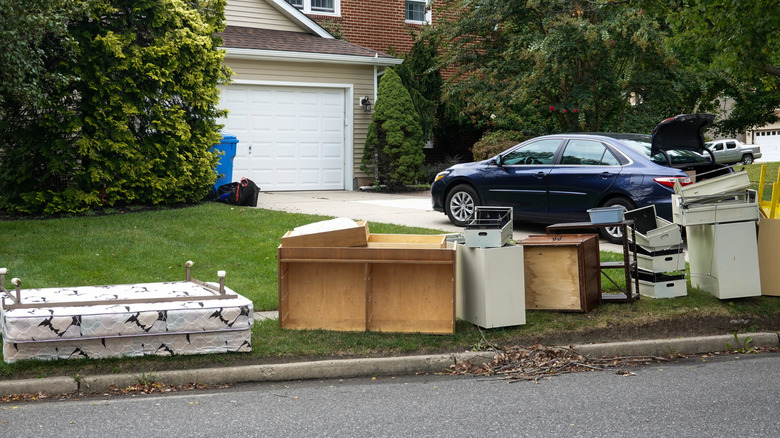
If you want to turn a profit when flipping, the best way to do so is to lower your investment. Ideally, you'll find furniture pieces for free, whether they're given to you by friends and family or dumped on the curb. That's not always feasible, though — sometimes, you'll have to pay. Look to thrift stores, online listings, and estate sales, but skip items that cost the same or more than new furniture. To earn a profit, you'd have to price these pieces incredibly high, making them less likely to sell.
Clean pieces thoroughly before making permanent changes
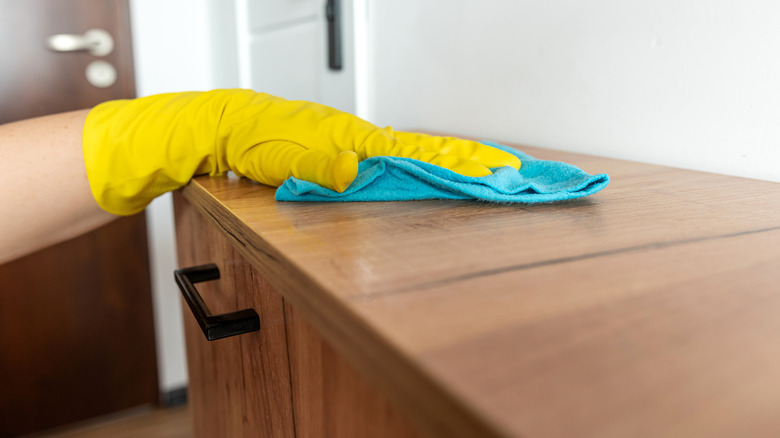
When you pick up a new item, it's tempting to immediately begin major changes like re-staining, adding a fresh coat of paint, or even replacing parts. For many pieces, however, this isn't necessary. Furniture can look bad even if it's still in good condition, and the only way to tell what's actually going on is to give it a thorough clean. In many cases, all you need to do is get rid of permanent marker stains, touch up a few nicks, or clear away some caked-on dust for an item to sell.
Update hardware for a quick refresh
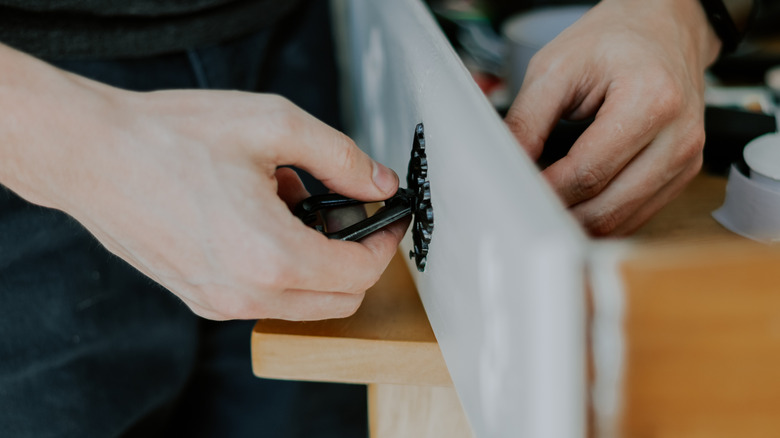
Sometimes, even after a deep clean and some minor repairs, a piece will still feel lackluster. While you could go in with a coat of paint or go through the work of changing up the stain, in many cases, some new hardware in a trendy style will do the trick. Swapping out the hardware is quick to do, doesn't take much effort, and is fairly affordable. As an added benefit, it's also reversible, so if the customer doesn't love your choice, they can swap it out for hardware that better matches their space.
Reply quickly to buyers

It's inevitable; buyers are going to have questions about your products. Whether they're inquiring about dimensions, trying to negotiate a better deal, or asking when you're available for a pickup, it's important to respond quickly, clearly, and professionally. This will not only set you on a path towards making a sale faster, but it's also a great way to showcase your reliability. If you were communicative and sold someone a high-quality piece of furniture, they're more likely to leave a positive review, recommend you to their friends, or become a return customer.
Share dimensions of furniture items in the listing
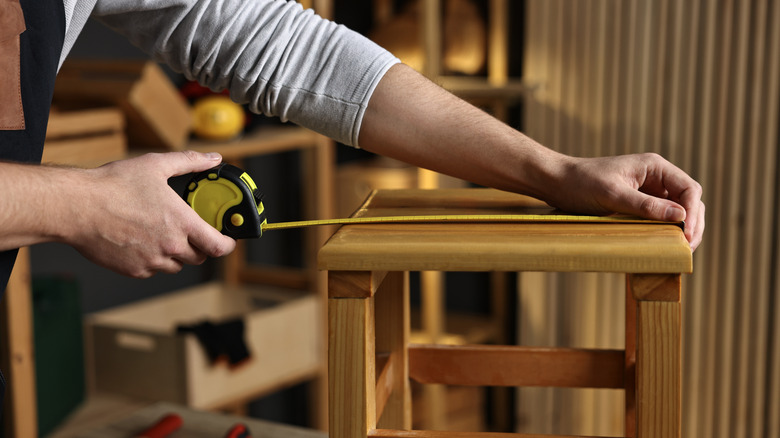
Buyers want to know exactly what they're looking at before they make the trip to go pick it up, and that includes measurements. It's not always easy to determine how large something is by looking at a photo, so consider placing other objects in your pictures for scale, laying a measuring tape next to the item, or including exact measurements in your caption. This will help potential buyers determine if the item would be a good fit in their space, and it should also save you quite a few messages asking the same question.
Invest in the correct tools
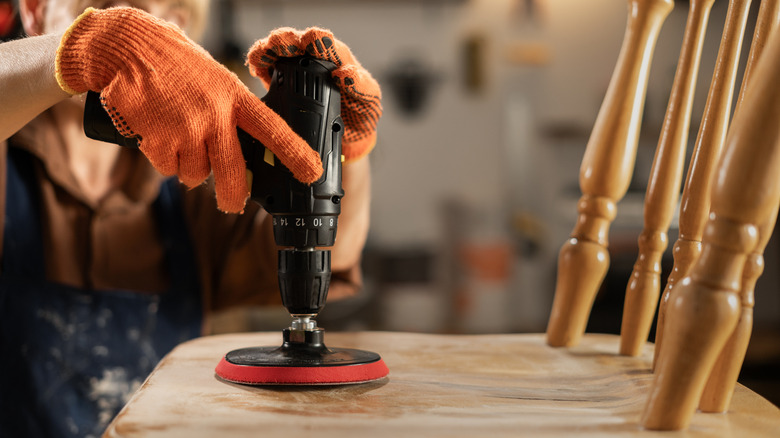
While it is possible to start a profitable flipping career without any real tools on hand — styling, cleaning, and quality photos can go a long way — it's likely that you'll eventually run into roadblocks where you need something a little more powerful than a scrub brush. That doesn't mean you need to buy out every power tool at the hardware store, though. When you're getting started, stick with basic tools and materials that you'll use often, like a power sander, paintbrushes, wood filler, and protective finish.
Keep sets together, when possible
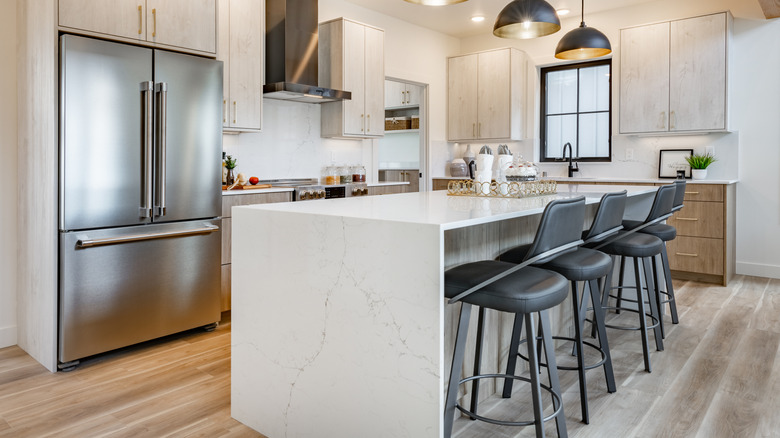
Whether you're trying to sell a dining table and chairs, bar stools, nightstands, a full bedroom set, or a matching couch and chair, it's best to list items together whenever possible. Most of the time, people aren't just looking for a singular dining chair, for example — they're trying to revamp that entire room, so a full set will be much more appealing. Once items are sold individually, it may turn away buyers who would have purchased the entire collection.