

The Valuable Old-School Accessory That Collectors Admire For Its Unique Design

With interior design trends moving away from minimalism and embracing the characterful and unique, vintage collectibles are more attractive and valuable than ever. Once the niche fascination of a select group of very nostalgic fans, vintage pieces are now coveted by both designers and homeowners looking for one-of-a-kind, conversation starter objects to spruce up their decor. One of the most treasured collector's items you might find while thrifting is the Ericofon.
Also known as "cobra" for its serpentine shape, this mid-century telephone, first released in 1954 by the Swedish telecommunications company Ericsson, was revolutionary at the time for its colorful, lightweight, all-in-one design that combined the handset and box in a single hyper-modern model. It's no surprise, then, that it quickly became incredibly popular across Europe and the United States. Although it was discontinued in the U.S. in 1974 and then later in Europe in 1984, it remains an example of post-war product design innovation and a nostalgic memento for those who once had it in their homes. In fact, it's so beloved that brands like Pottery Barn and Wild & Wolf have even released remakes in the past couple of decades, suggesting landline phones are the long-forgotten appliance that is trending for homes once again.
What makes the Ericofon valuable?
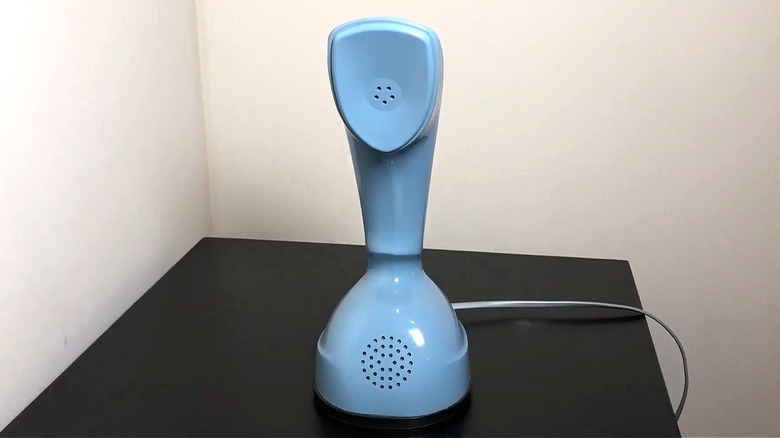
Although every Ericofon holds sentimental value, not every model is worth a large amount of money. These phones were ubiquitous in American and European homes at one point in time, so there's no shortage of them on the resale market. At the time of writing, there are 161 Ericofon listings on eBay. However, if you come across one of these beauties in an old box somewhere, there are factors that can help you tell if your antique is worth anything, namely rarity and age.
The phone's shell provides an easy distinction. Look for models with a visible seam in the middle. This is the original design, produced between 1954 and 1961, where the shell was made from two mirror molds glued together. Similarly, these were all manufactured in the Swedish town of Karlskrona. In 1961, the mold changed, and Ericsson moved its manufacturing for the U.S. market to Ohio after acquiring distributor North Electric. The second iteration of the Ericofon shell was made from a single mold, shorter, and with the earpiece leaning further forward for extra comfort. The most recent models of all, from the '70s, replaced the rotary dial at the bottom with touch-tone tech.
How color can influence the value of an Ericofon
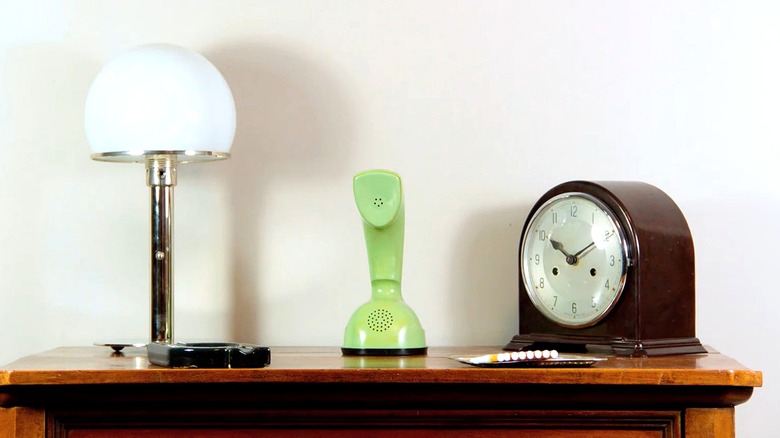
Color was one of the distinguishing traits that made the Ericofon so sensational in the first place, representing a break from the dreary Bakelite black typical of older phones. Ericsson, and, later, North Electric, made them in an impressively wide range of shades, which, to further complexify the whole thing, differed from country to country. An original set of 18 colors was marketed in the U.S., most of which were discontinued in the early 1960s. Rarer examples include a distinct shade of orange, considered an "holy grail" by many Ericofon collectors, that was only made for the British Post Office, which at the time had complete control over the phones used by the public.
Collector Richard Rose compiled a pretty comprehensive list of all the colors the Ericofon was made in, with details of when they were discontinued, available on his website Ericofon.com. This is a fantastic resource if you chance upon one at a thrift store or estate sale and need to quickly assess its worth. It even includes a rarity chart showing that Accent Green, Clear, and Charcoal rate highest.