

11 Kitchen Essentials You Should Never Buy At The Thrift Store
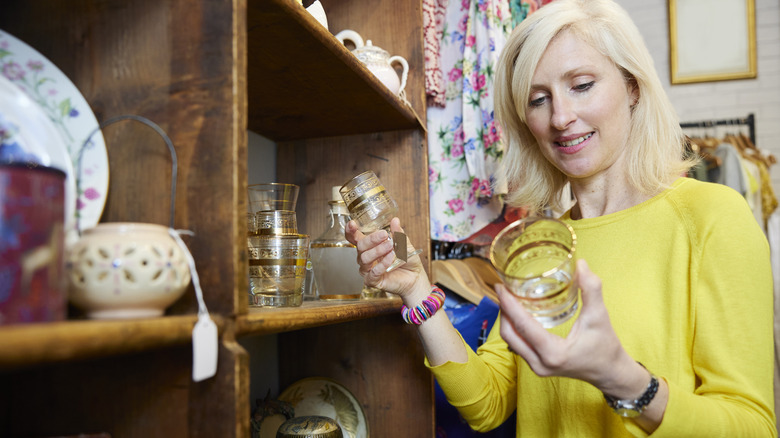
When you need new dishes and appliances for your kitchen, it can be tempting to thrift them to save money. There are a lot of vintage kitchen essentials you should skip when thrifting because of aesthetics, but there are reasons beyond looks to skip thrifted items. While there is nothing wrong with buying used goods and being thrifty with your cash, there are some safety and health hazards to keep in mind when buying vintage or previously used kitchen wares. There are lots of old items that have lead in them, for one, which can leach into your food and harm you and your family. That's probably not a risk you'll want to take to save a few bucks. Other dangers of used kitchen items include old cracks and grooves harboring bacteria, and the possibility that an electrical item won't work once you get it home.
So, before you head to the thrift store with your kitchen essentials shopping list, we've researched eleven items or categories to avoid. This doesn't mean you can't get some of your needs at the thrift store; it simply means you'll want to be more cautious, look things over carefully, and try to find items that are newer or still in their original packaging.
Canning jars
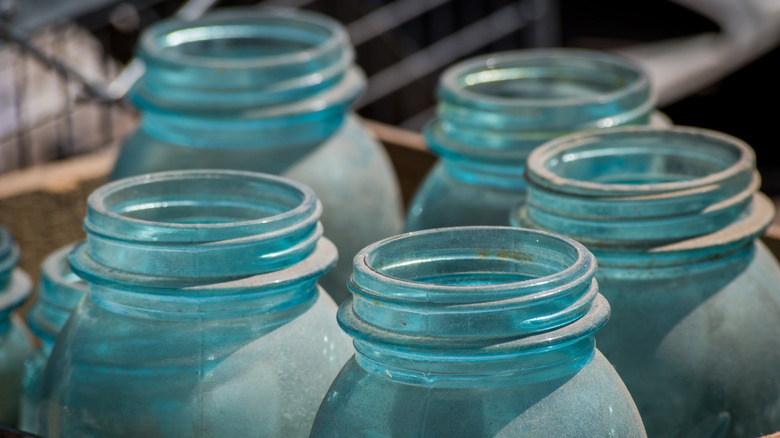
While purchasing used canning jars may seem like a good deal, if you don't know how often they were used or what condition they're in, they could pose a hazard. If you love the look of vintage canning jars, we recommend using them only for decorative pieces, not for food storage. This is because they may crack at the high temperatures required for proper canning. You have no way of knowing how old a used jar is that didn't come from your own collection, so you don't know what kind of wear and tear it has been subjected to.
Wood cutting boards
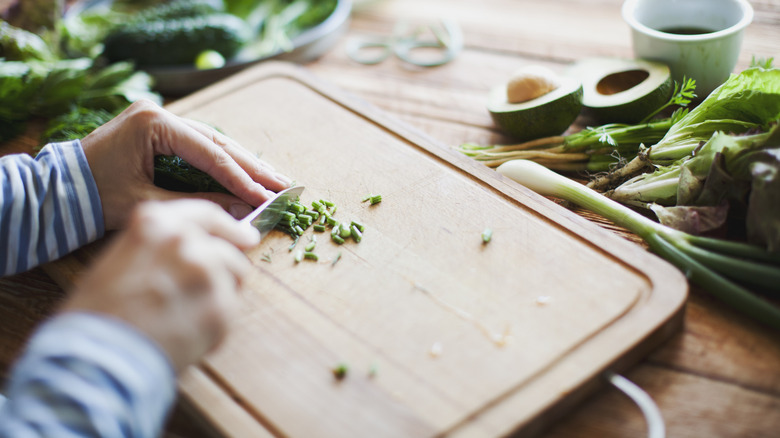
Wood cutting boards are fairly absorbent and can harbor bacteria; while bamboo is less so, it can still harbor plenty of nasty germs. Cutting boards are so cheap to buy new if you're not picky about how they look, so why bother wasting money on a used one that could be full of all sorts of gross bacteria? Sure, you can clean the cutting board with a bleach-and-water solution to kill bacteria, but some of us aren't big on using bleach in the kitchen.
Vintage glassware
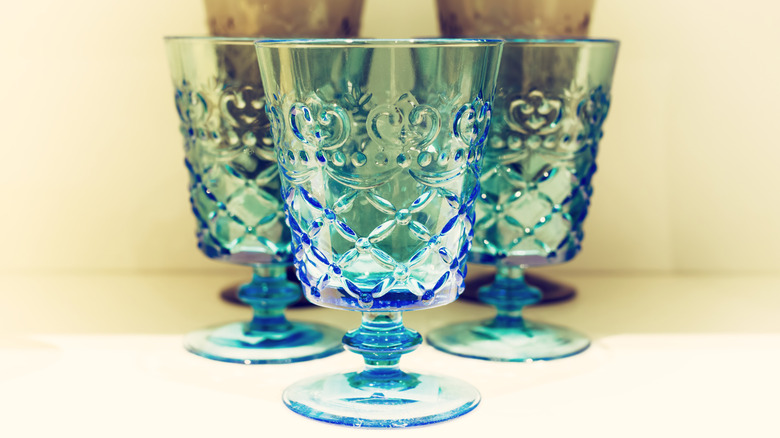
Vintage glassware is beautiful, but it can also be dangerous. If you're buying it to display on a shelf and not use it for food or drinks, then shop away. However, if you intend to use it in your kitchen, it's important to know that safety standards for these products have changed over the decades. They may contain lead and cadmium, which can leach into your food and drinks during use. While a quick toast with a cold drink may be okay, prolonged use is advised against.
Non-stick pots and pans
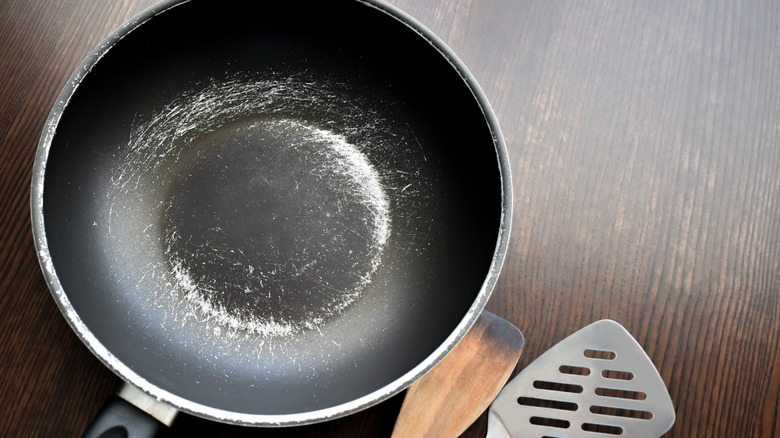
Finding scraped-up pots and pans at the thrift store is surprisingly common, but if these kitchen essentials are non-stick, you definitely want to pass them by. Not only can more of that coating scrape off into your food, which is unappealing in and of itself, but the coatings used on some of these pots and pans contain PFAs, Per- and polyfluorinated compounds. These compounds are known to cause all sorts of health ailments, including cancer, thyroid issues, and poor immune function. PFAs are also found in some other plastic kitchen items you may want to replace.
Copper pots and pans

Copper cookware adds a rustic look to the kitchen and is a type of vintage cookware that could be worth serious money. Still, unless you're buying new items that are properly coated, you could be exposing yourself and your family to potential harm. When you use copper cookware to cook acidic foods, such as tomato sauce, the metal can cook into the food. That means you're eating food contaminated with an unknown amount of copper, and too much copper can be toxic to humans.
Vintage ceramic cookware

This is one of those instances where lead becomes a potential health concern in the kitchen. The glazes and paints used on vintage ceramic kitchen essentials often contained lead. Unfortunately, if this is the case, there is no way to remove it to make it safe to use. Since you can't be sure the vintage piece is lead-free, you're better off investing in a new set of ceramic cookware that is tested for safety. However, vintage ceramic cookware pieces do make great styling centerpieces in your home.
Aluminum cookware

Like copper, the risk with aluminum comes from using it to cook acidic foods. You've likely noticed dented silver-colored pots at the thrift store from time to time — those were probably aluminum, since it's a soft metal that's easily damaged. While the negative health possibilities from ingesting aluminum that has seeped into your food from these dishes aren't explicitly linked to any health issues, there have been rumors that it could potentially lead to things like Alzheimer's. When it comes to aluminum kitchen items, it's better to be safe than sorry.
Small electric appliances
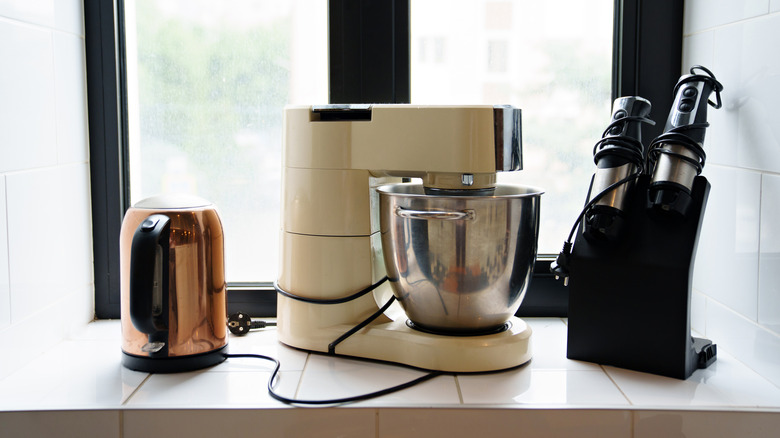
When it comes to used small appliances, the primary reasons not to buy them used are that you don't know how well the previous owner cared for them, and it's often just as affordable to buy them new. While you can test an item by plugging it in at the thrift store, you won't know whether the slow cooker heats up correctly or if the blender has hidden cracks that could cause blended food to get all over your kitchen. Before investing in a used appliance, check online how much a new one would cost.
Vintage appliances
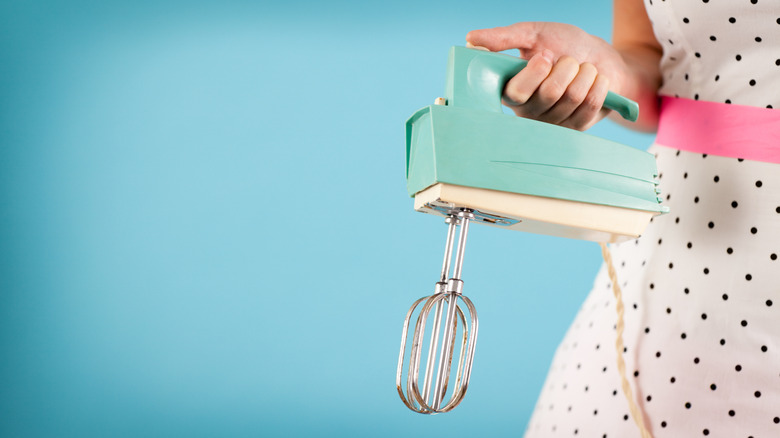
Speaking of small appliances you shouldn't thrift, antique appliances can also pose issues. One of the biggest problems is that vintage appliances can be fire hazards. Always check the cords on them before purchasing — leave anything with any cord damage behind. While a damaged cord is an overt sign to steer clear of a thrift store appliance, you may also run into the same issues you would with any used appliance — they could be damaged in ways you won't notice until you get them home and try to use them.
Used plastic containers
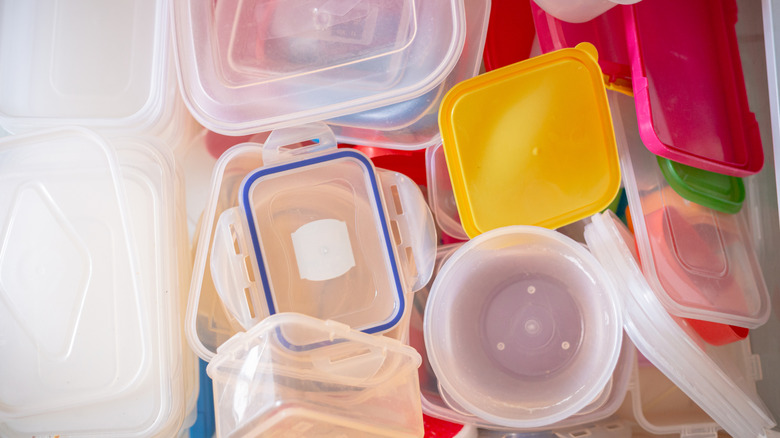
Not only does food sometimes cook into plastic storage containers, leaving them miscolored and stinky, and potentially full of bacteria that can cause all sorts of issues, but there are other potential problems. The most notable is that some plastic containers and dishes contain toxic chemicals. The best way to avoid ending up with harmful plastics is to buy them new, in the box, so you can read any potential warnings. This is also a great reason to ditch the plastic kitchen items you already have and replace them with safer alternatives.
Anything wooden
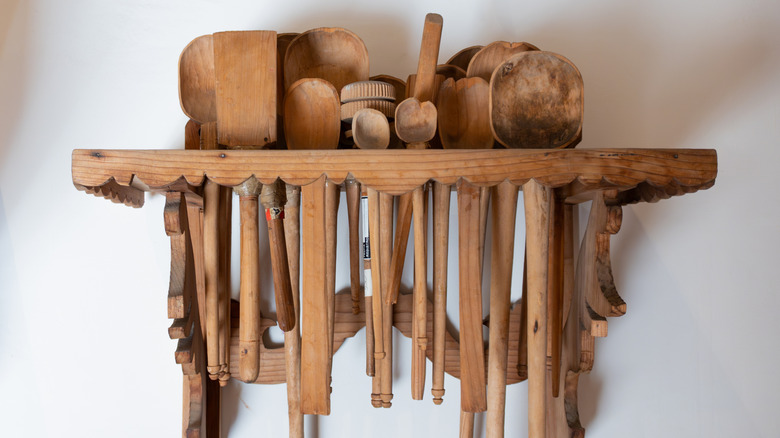
For wooden utensils and other wooden kitchen items, there are benefits to purchasing them new. Buying them used exposes you to potential bacteria and the risk of cross-contamination for people with food intolerances or allergies. Wooden utensils are better for cooking over high heat than plastic ones, but you definitely need to be sure you're washing them properly, which is something you can't be sure of when buying used wooden kitchen items. Even when buying them new, you need to be aware of how long wooden spoons are meant to last, which is apparently only a few years.